Pakistan make massive changes, call-up new stars for Edgbaston Test
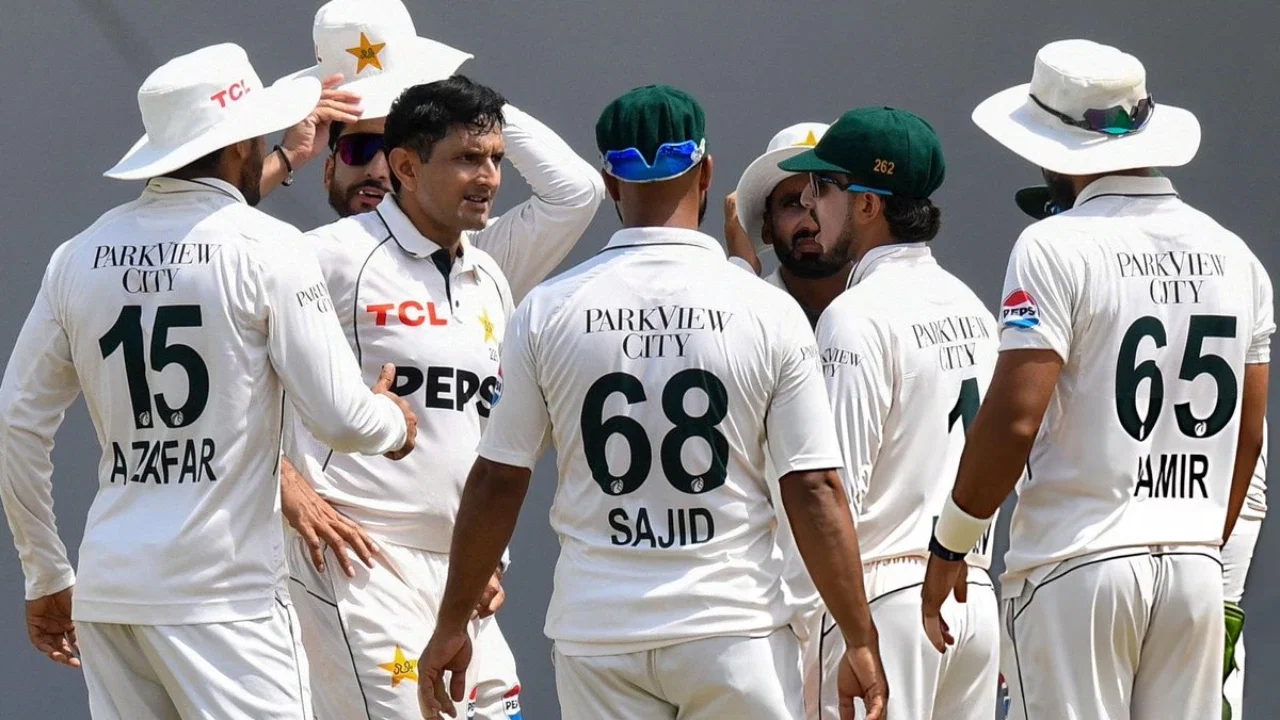
Pakistan’s Strategic Shakeup: Key Players Dropped Ahead of Third Test Match Against England
In a surprising turn of events that has sent ripples through the cricketing world, the Pakistan cricket team management has made a bold decision to drop three of their most experienced players from the Test squad ahead of the upcoming third Test against England. This move signals a clear shift in strategy, possibly reflecting the team’s desire to experiment and build for the future, especially since the current series is already leaning heavily in England’s favor.
Major Player Changes: Who’s Out and Who’s In?
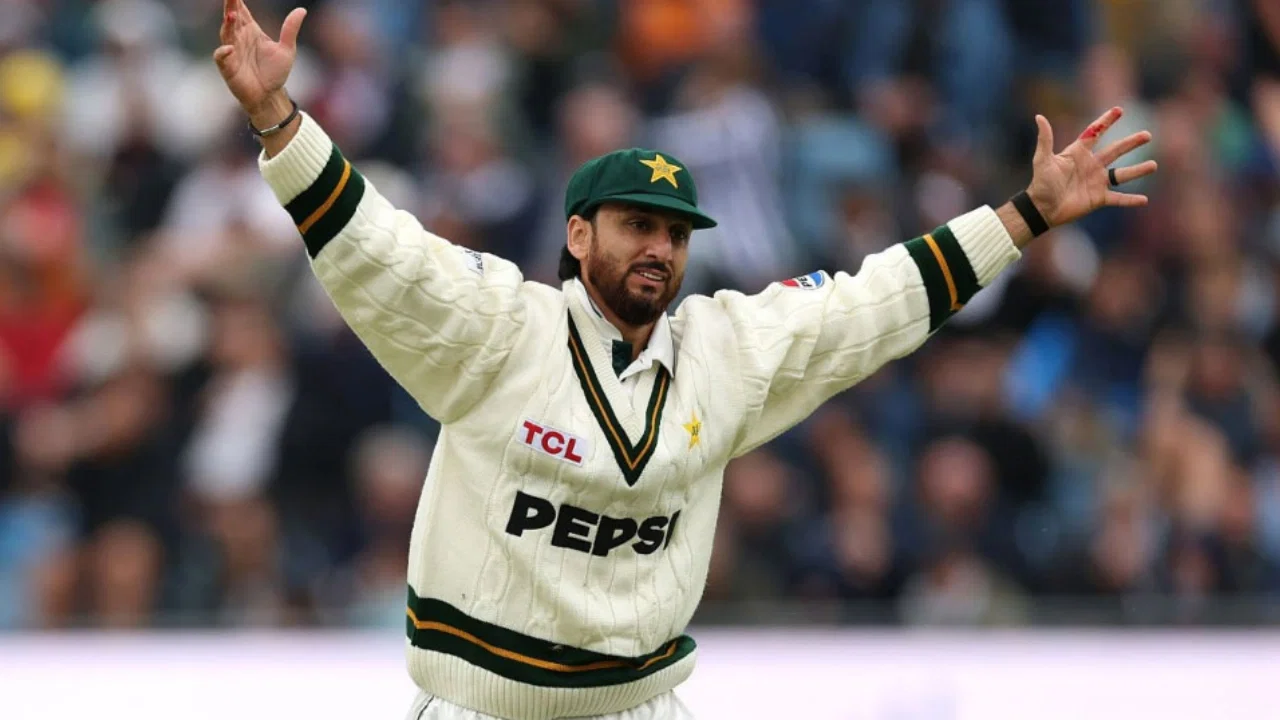
Among the most notable exclusions are seasoned cricketers Mohammad Rizwan and Imam-ul-Haq, both of whom have been mainstays in Pakistan’s batting lineup for years. Additionally, Salman Ali Agha, who captained Pakistan’s white-ball teams and has been regarded as a promising all-rounder, has also been omitted from the Test squad. These decisions come as a shock to many fans and cricket analysts, considering the experience and leadership these players bring to the table.
In their place, the team management has summoned emerging talent like Saim Ayub and Abdullah Fazal. Fast bowlers Razaullah Khan and Mohammad Imran, along with left-arm spinner Arafat Minhas and wicketkeeper Rohail Nazir, are also set to join the squad. These fresh faces are being given an opportunity to prove their mettle on the big stage, with some players potentially making their Test debut in Birmingham.
Reasons Behind the Bold Decision
According to reports from Cricbuzz dated August 31, the decision to exclude Rizwan, Haq, and Agha was driven by multiple factors. While official statements remain discreet, sources suggest that considerations such as fitness issues, recent form, and disciplinary concerns played significant roles in this squad overhaul. For instance, Imam-ul-Haq did not get a chance to bat in the first two Tests due to a calf injury, raising questions about his fitness status. Meanwhile, Rizwan and Agha’s performances in the series have reportedly fallen below expectations, prompting the team management to test alternative options.
Given that England currently leads the series 2-0 with one match remaining, Pakistan’s decision to shuffle their lineup could also be viewed as a strategic move to assess new combinations, especially in a series that has already lost its significance in terms of the World Test Championship (WTC) qualification.
Prediction and Future Outlook for Pakistan Cricket
With Pakistan already out of contention for the WTC 2025-27 Final, the team faces a unique opportunity to experiment and evaluate emerging talents. The focus may now shift from immediate results to long-term development, giving young players a chance to gain valuable experience on the international stage. This approach aligns with the broader trend in cricket where teams increasingly prioritize talent development and squad rotation to build a resilient and adaptable team for future cycles.
Experts predict that this series of squad changes could serve as a pivotal point for Pakistan’s cricketing future. The selection of younger players and the departure of some senior figures might signal a rebuilding phase, aiming to identify new leaders and core players capable of competing at the highest level in the coming years.
Coaching Changes and Future Leadership
Adding another layer of transformation, reports indicate that Mike Hesson, the highly regarded coach responsible for Pakistan’s white-ball formats, is in England and set to join the squad as a replacement for the current Test head coach, Sarfaraz Ahmed. Hesson’s arrival marks a strategic move by the Pakistan Cricket Board (PCB) to bring in a coach with proven international experience, especially in grooming players and devising effective tactics for Test cricket.
Hesson will continue to oversee Pakistan’s white-ball teams while taking on coaching responsibilities for the Test squad, signifying an integrated approach to coaching across formats. This dual role aims to foster consistency, develop a unified team philosophy, and prepare the young squad for future challenges.
Implications for Pakistan’s Cricket Strategy
The ongoing series and squad restructuring reflect a broader prediction within cricket circles: Pakistan is likely shifting its focus towards nurturing young talent and building a more resilient team for the next cycle of international cricket. With the current cycle of the World Test Championship already out of reach, the team’s emphasis could now be on player development, talent identification, and laying a foundation for future success.
Additionally, the inclusion of emerging players such as Saim Ayub and Abdullah Fazal, along with seasoned fast bowlers and spinners, indicates a strategic move to diversify the team’s skill set. This approach may also entail a more aggressive and adaptable style of play, tailored to challenge strong opponents like England and other Test-playing nations.
Looking Ahead: What’s Next for Pakistan Cricket?
As Pakistan prepares for the third Test in Birmingham, all eyes will be on how these new selections perform under pressure. The prediction is that these experiments, although risky, could pay dividends by revealing hidden talents and creating a more competitive squad for future series. Moreover, the coaching change, with Mike Hesson stepping in, is expected to bring fresh tactical insights and a new team culture, which could be instrumental in developing the next generation of Pakistani cricketers.
Cricket fans and analysts alike will be watching closely to see how these strategic changes influence Pakistan’s overall performance, especially in the context of long-term predictions for their cricketing progress. While immediate results might be limited, the emphasis on building a resilient, versatile team underscores Pakistan’s commitment to evolving and competing at the highest levels in the years to come.
Conclusion
Pakistan’s bold decision to drop key veterans and introduce emerging talents ahead of the third Test against England reflects a clear prediction: the team is prioritizing future development over short-term results. With coaching restructuring and a focus on nurturing young players, the upcoming matches will serve as a crucial testing ground for Pakistan’s cricketing evolution. Fans and experts alike will anticipate how these changes unfold, shaping Pakistan’s cricket strategy and hopes for a brighter future on the international stage.
Latest News

Robin Uthappa reveals why Bhuvneshwar Kumar could be India’s secret weapon in 2027 World Cup
Salman Ali Agha dropped from Pakistan Test squad after England series loss

Ricky Ponting says Marnus Labuschagne’s Test career is finished at 32
Pakistan make massive changes, call-up new stars for Edgbaston Test
Pakistan make big squad change ahead of Edgbaston Test, seven players dropped
Mayank Agarwal joins Ben Stokes’ Durham side for remaining County matches
Faf du Plessis says Sandpaper Gate punishments for Steve Smith & Co. went too far

Michael Vaughan trolls Pakistan again, names 3 County teams better than them

Michael Neser provides fitness update ahead of South Africa Test series

Josh Hazlewood happy to see Kagiso Rabada injured before SA-AUS series
Imam-ul-Haq nearly got banned by PCB over fake injury: Full details
“I took action”: Mohammad Wasim answers Salman Butt on Imam-ul-Haq ‘fake injury’ row

Tilak Varma silences critics with an amazing Duleep Trophy hundred

MM vs KASHI Dream11 Prediction Today Match, My11Circle Prediction, Dream11 Team Today, Fantasy Cricket Tips, Playing XI, Pitch Report, Injury Update- Uttar Pradesh Trophy T20 2026, Match 29