

Pakistan penalised by ICC for slow over-rate in tri-series final win against Sri Lanka
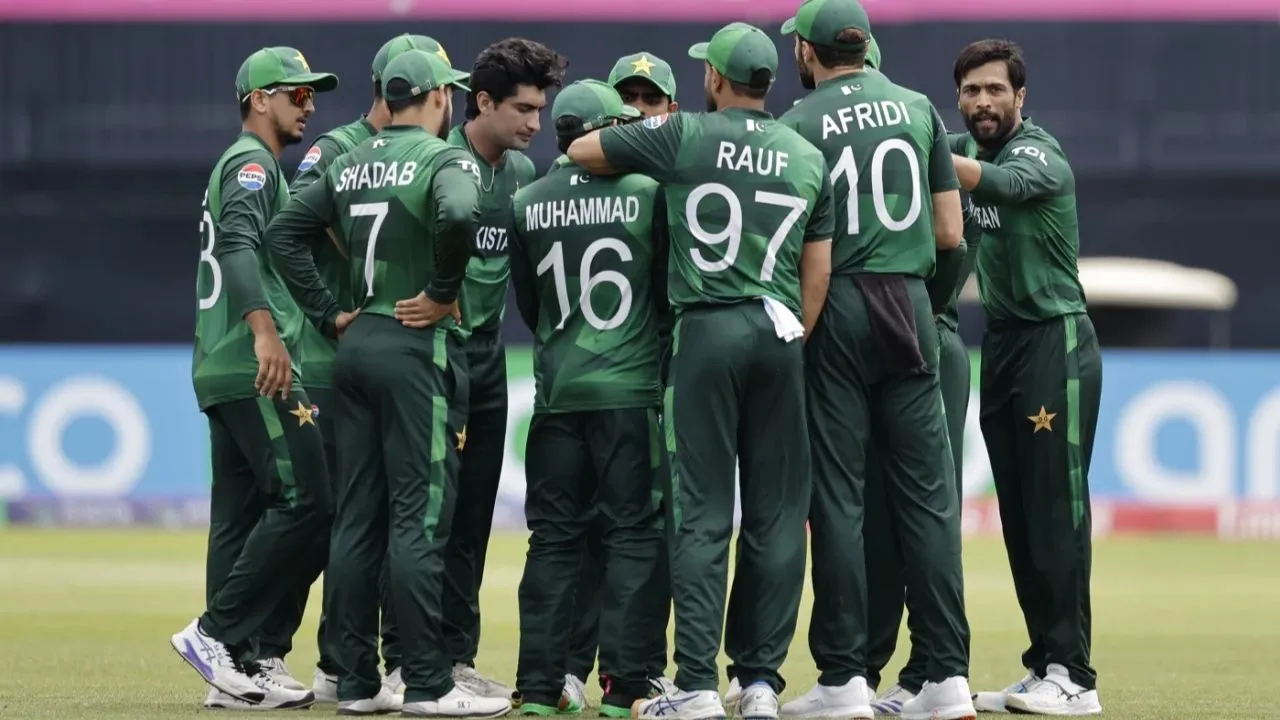
Pakistan Fined for Slow Over-Rate After Dramatic ODI Tri-Series Final Win
Pakistan celebrated a landmark victory over Sri Lanka in the 2026 ODI tri-series final, but the triumph came with a disciplinary footnote. The International Cricket Council (ICC) fined the team five per cent of its players’ match fees after finding that Pakistan had bowled one over short of the required rate during the match at Lahore’s Gaddafi Stadium.
Captain Shaheen Shah Afridi pleaded guilty to the offence and accepted the proposed sanction, avoiding a formal hearing. The penalty followed Pakistan’s thrilling three-wicket win, achieved with nine balls remaining as the hosts chased down Sri Lanka’s imposing total of 326.
ICC Confirms Slow Over-Rate Penalty
Match referee Jeff Crowe of the Emirates ICC Elite Panel determined that Pakistan had fallen one over behind after allowances for time lost during the innings were taken into account. The charge was brought by on-field umpires Ahsan Raza and Wayne Knights, third umpire Sharfuddoula Ibne Shahid, and fourth umpire Rashid Riaz.
The offence comes under Article 2.22 of the ICC Code of Conduct for Players and Player Support Personnel, which covers minimum over-rate requirements. Under the regulation, players are fined five per cent of their match fee for each over their side fails to deliver within the allotted time. Since Pakistan were one over short, the fine was limited to five per cent.
Slow over-rates are a recurring issue in international cricket, where teams must balance tactical discussions, field changes and bowling plans against strict time limits. The penalty did little to overshadow Pakistan’s result, but it served as a reminder that teams remain accountable for the pace of play even in high-pressure finals.
Sri Lanka Set Pakistan a Target of 326
After winning the toss and choosing to bat, Sri Lanka built a formidable total of 325 for eight. Kamindu Mendis led the innings with a composed 131 from 128 deliveries, combining patience with well-timed aggression. Pavan Rathnayake provided substantial support, scoring 77 as the pair added 146 runs for the third wicket.
The partnership gave Sri Lanka a strong platform and placed considerable pressure on Pakistan’s bowling attack. Afridi was the hosts’ leading wicket-taker, finishing with two wickets for 50 runs, but Sri Lanka’s middle order ensured that Pakistan would need a major batting effort to claim the trophy.
A target of 326 is challenging in any ODI final, where the stakes can encourage cautious cricket. Pakistan, however, found the right balance between preserving wickets and keeping the required scoring rate within reach.
Fakhar Zaman’s Century Anchors the Chase
Pakistan’s pursuit was driven by Fakhar Zaman, who produced a commanding innings of 127 from 99 balls. The left-hander struck 11 fours and six sixes, giving the chase momentum and preventing Sri Lanka from controlling the contest through pressure alone.
Zaman’s century was central to Pakistan’s prospects. He attacked the loose deliveries, rotated the strike and kept the scoreboard moving, helping the hosts remain in contention as the target climbed. His innings laid the foundation, although Pakistan still had work to do after Salman Agha was dismissed for 17.
With the match finely poised, Arafat Minhas and Hasan Nawaz supplied the decisive support. Their 94-run partnership steadied the innings and brought Pakistan close enough for the lower order to finish the job. The hosts eventually reached the target with three wickets in hand and nine balls to spare, completing a memorable final under pressure.
Pakistan Claim Their Second Tri-Series Title
The win delivered Pakistan their second ODI tri-series championship and ended a long wait for another title in the format. Their previous triumph came in 2008, when they defeated India in the Kitply Cup final in Bangladesh.
The result also offered a measure of redemption after Pakistan lost to New Zealand in the 2025 home tri-series final. This time, the team held its nerve in front of its home crowd, recovering from a demanding Sri Lankan total to finish the tournament with a trophy.
For Sri Lanka, Mendis’ century and the substantial stand with Rathnayake had put them in a strong position. But Pakistan’s batting depth and Zaman’s decisive contribution proved enough to turn a difficult chase into a title-winning performance.
Historic ODI Final Chase Matches the 2002 Benchmark
Pakistan’s successful pursuit of 326 also matched the highest target chased in an ODI final. India set the benchmark in the 2002 NatWest Series final at Lord’s, where they chased the same total against England and won by two wickets.
That famous match appeared to be slipping away from India before Yuvraj Singh and Mohammad Kaif mounted a remarkable recovery. Yuvraj scored 69, while Kaif remained unbeaten on 87 to guide India to victory. Pakistan’s Lahore triumph now joins that celebrated chase in the record books, adding another dramatic chapter to ODI final history.
Prediction: What the Win Could Mean for Pakistan
Pakistan’s final performance offers encouraging signs ahead of future ODI assignments. Zaman showed that he can anchor a demanding chase while maintaining a high scoring rate, and the partnership between Minhas and Nawaz highlighted the value of contributions from the middle and lower order. If the team can combine that batting resilience with tighter over-rate management, it will be better placed to convert strong performances into consistent results.
The five per cent fine will not change the outcome or diminish the achievement. Pakistan lifted the trophy after matching a historic final-chase mark, while Sri Lanka demonstrated the threat posed by a powerful top and middle order. The match delivered a compelling contest—and a clear reminder that, in modern cricket, discipline away from the scoreboard matters too.
Latest News

SA vs BAN Playing 11 Today, Live Streaming, Pitch & Weather: South Africa tour of Bangladesh 2026, 2nd Test

AUS vs ENG Playing 11 Today, Live Streaming, Pitch & Weather: England tour of Australia 2026, 2nd T20I

Blair Tickner ruled out of 2nd Test vs India, replacement named

Tim Paine and Justin Langer face fresh questions over Australia’s ball-tampering scandal

India tour of Bangladesh gets fresh hope as BCB confirms talks with BCCI

Tom Latham opens up on soft ball problem and saliva ban after draw against India

Ajinkya Rahane slams Tilak Varma for publicly criticising Shahbaz Ahmed after India A’s defeat

ICC to introduce IPL-style bat checks in international cricket

“Smiling Laughing doesn’t happen”: R Ashwin’s dig at India’s approach after draw vs New Zealand

“Not good enough for Test cricket”: Scott Styris, Sunil Gavaskar slam Wellington pitch

Dodda Ganesh declares India ‘out of WTC final race’ after Wellington Test draw

Ajinkya Rahane criticises Shubman Gill for abusing Akash Deep in 1st Test vs New Zealand

‘Why so many boundary riders?’ Dinesh Karthik questions Shubman Gill’s captaincy after Wellington Test

“I just want to enjoy my life”: Yash Dayal reflects on his return to cricket


