

Pat Cummins endures longest Test wicket drought since 2011 debut
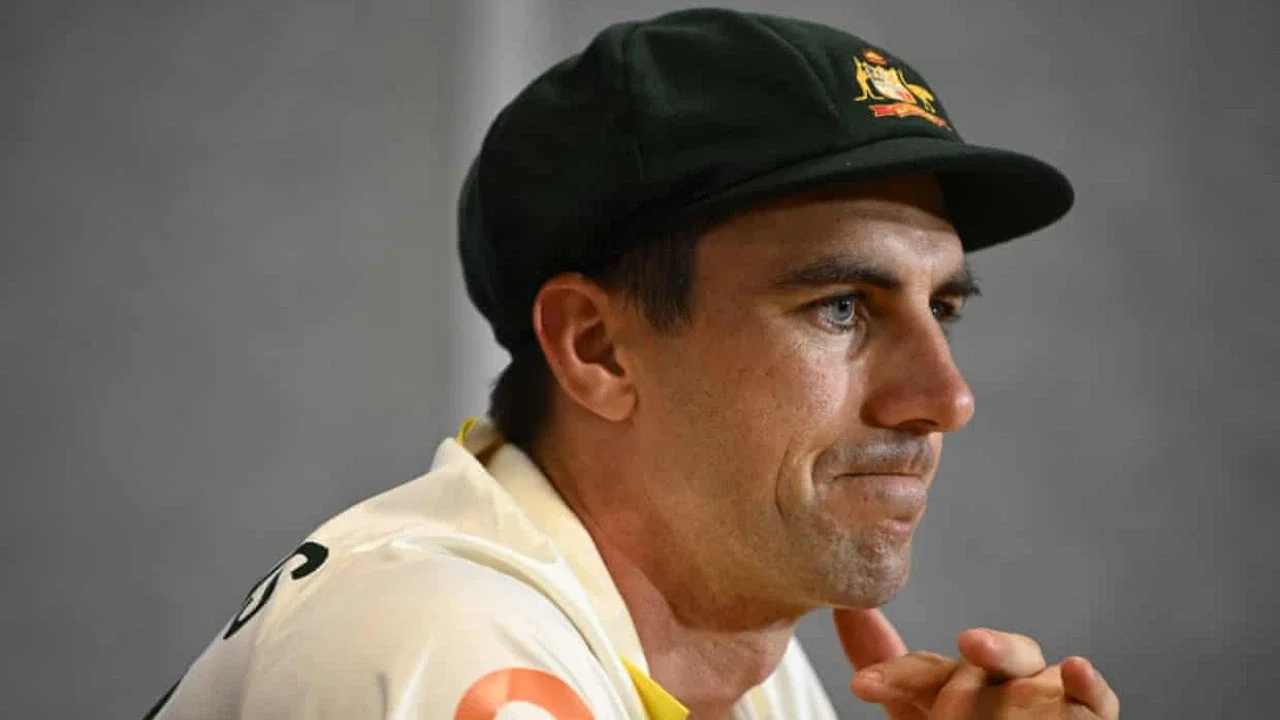
Pat Cummins Endures Longest Wicketless Spell of Test Career as Starc Rescues Australia
Australia captain Pat Cummins has reached an unwanted milestone in the deciding Test against South Africa, going 302 consecutive deliveries without taking a wicket—the longest wicketless spell of his Test career. Across the 50.2 overs in that stretch, Cummins conceded 179 runs, an unusually quiet return for a bowler who has often been central to Australia’s biggest breakthroughs.
The run continued across the series and into the Cape Town Test, where Cummins’ decision to bowl first did not bring the early movement or wickets Australia had hoped for. South Africa’s batters instead built a commanding opening partnership, leaving Mitchell Starc to lead the visitors’ eventual fightback. His late burst helped dismiss the hosts for 329 on the first day and shifted the mood of the contest.
Cummins Searches for a Breakthrough
Cummins’ wicketless sequence included the second Test at Gqeberha, where he finished with figures of 0/96, as well as the relevant innings of the opening match. On the first day in Cape Town, he took no wickets in 18 overs and conceded 73 runs. The combined spell of 302 deliveries without a breakthrough is the longest of his Test career since his debut in 2011.
The figures stand out because of Cummins’ reputation as a dependable strike bowler. He has regularly delivered wickets at crucial moments, whether by extracting movement with the new ball, applying pressure through disciplined spells or returning to break partnerships. But even elite fast bowlers can experience extended periods when conditions, execution and the opposition’s batting align against them.
At the toss in Cape Town, Cummins chose to bowl first, apparently expecting the surface to offer assistance to Australia’s pace attack. Instead, South Africa’s openers made a confident start. Aiden Markram and Marques Ackerman added 158 runs, taking advantage of a pitch that offered little immediate reward for the seamers and putting Australia on the back foot.
South Africa Build a Strong Platform
Markram made 78, while Ackerman came close to a century, scoring 95. Their partnership gave South Africa the platform to build a substantial first-innings total. David Bedingham added 50, and Marco Jansen contributed 52, ensuring the hosts remained in control for much of the day despite losing wickets later on.
For Australia, the challenge was not simply to take wickets but to find a way to change the tempo. When a batting side settles in, captains may need to adjust lengths, rotate bowlers more frequently or use short-pitched bowling to disrupt a batter’s rhythm. The eventual response came most dramatically from Starc, whose spell turned a difficult day into a far more manageable one for the visitors.
Mitchell Starc’s Late Spell Changes the Day
Starc finished with 6/72, spearheading Australia’s recovery after South Africa had looked capable of pushing well beyond 329. His figures were particularly striking because he had initially struggled to find his rhythm, reaching 0/62 after 12 overs. He then found a more effective approach, using short-pitched deliveries before making the most of the second new ball.
The left-armer’s decisive late burst included four wickets in six deliveries, rapidly dismantling South Africa’s lower order. Nathan Lyon also played a part, claiming two wickets as Australia completed the innings. Starc’s contribution highlighted how quickly a Test day can change: a side that has spent hours chasing the game can regain momentum through a short, highly productive spell.
Starc’s performance also followed a period of uncertainty about his bowling. Before the deciding Test, he reviewed footage from the Durban match with assistant coach James Franklin, head coach Andrew McDonald and his wife, former Australia captain Alyssa Healy. The review did not reveal any major technical difference in his action, leading him to reconsider whether he had been overthinking his form.
“There’s been a lot of things that haven’t felt right through the series,” Starc said. He explained that, after comparing the footage with his bowling during the previous Ashes, he realised he might have been searching for a feeling that was not necessary. “If I just switched my brain off, I might be right,” he added.
Australia’s In-Game Adjustments and Team Changes
Starc acknowledged that Australia had been unable to make the early impact they wanted. South Africa reached 140 without loss in 27 overs, a start that underlined the difficulty of bowling first when the pitch does not immediately offer movement. Australia had expected more assistance from the new ball, but the bowlers had to adapt as the innings unfolded.
“A lot of us have been around long enough to try and problem-solve while we’re going,” Starc said, reflecting on the team’s response. He noted that it would have been preferable to find answers in the first hour, but praised the group’s ability to adjust before the end of the day. That adaptability became essential as Australia searched for a way to slow South Africa’s scoring and create chances.
Australia also had to make a late change to its lineup. Steve Smith was ruled out with a neck problem, and Josh Inglis came into the side. Starc said he only learned Smith would miss the match when he went out to warm up, adding that Smith appeared upbeat despite the setback.
What Cummins’ Wicketless Run Could Mean
Cummins’ record-long spell will naturally attract attention, but it does not, by itself, define his contribution or predict how the rest of the match will unfold. A wicketless run can end with a single delivery, and fast bowlers often remain influential through pressure, field placement and the chances created for teammates. The key question for Australia is whether Cummins can find a more effective plan as the Test progresses and conditions change.
For South Africa, the opening partnership showed the value of patience and attacking the loose ball without taking unnecessary risks. For Australia, Starc’s recovery offered a reminder that a difficult start need not dictate the entire day. The match now presents a compelling contrast: Cummins is looking to end the longest wicketless spell of his career, while Starc has already produced the kind of intervention that can reshape a Test.
Any prediction about the outcome will depend on how both sides respond in the next innings. South Africa have established a competitive total, but Australia’s late wickets prevented the hosts from turning a strong start into an even larger advantage. With Cummins seeking a breakthrough and Starc carrying renewed confidence, the contest remains finely poised.
Latest News

SA vs BAN Playing 11 Today, Live Streaming, Pitch & Weather: South Africa tour of Bangladesh 2026, 2nd Test

AUS vs ENG Playing 11 Today, Live Streaming, Pitch & Weather: England tour of Australia 2026, 2nd T20I

Blair Tickner ruled out of 2nd Test vs India, replacement named

Tim Paine and Justin Langer face fresh questions over Australia’s ball-tampering scandal

India tour of Bangladesh gets fresh hope as BCB confirms talks with BCCI

Tom Latham opens up on soft ball problem and saliva ban after draw against India

Ajinkya Rahane slams Tilak Varma for publicly criticising Shahbaz Ahmed after India A’s defeat

ICC to introduce IPL-style bat checks in international cricket

“Smiling Laughing doesn’t happen”: R Ashwin’s dig at India’s approach after draw vs New Zealand

“Not good enough for Test cricket”: Scott Styris, Sunil Gavaskar slam Wellington pitch

Dodda Ganesh declares India ‘out of WTC final race’ after Wellington Test draw

Ajinkya Rahane criticises Shubman Gill for abusing Akash Deep in 1st Test vs New Zealand

‘Why so many boundary riders?’ Dinesh Karthik questions Shubman Gill’s captaincy after Wellington Test

“I just want to enjoy my life”: Yash Dayal reflects on his return to cricket


