

PCB blocks Mohammad Rizwan from speaking publicly on NCCIA investigation
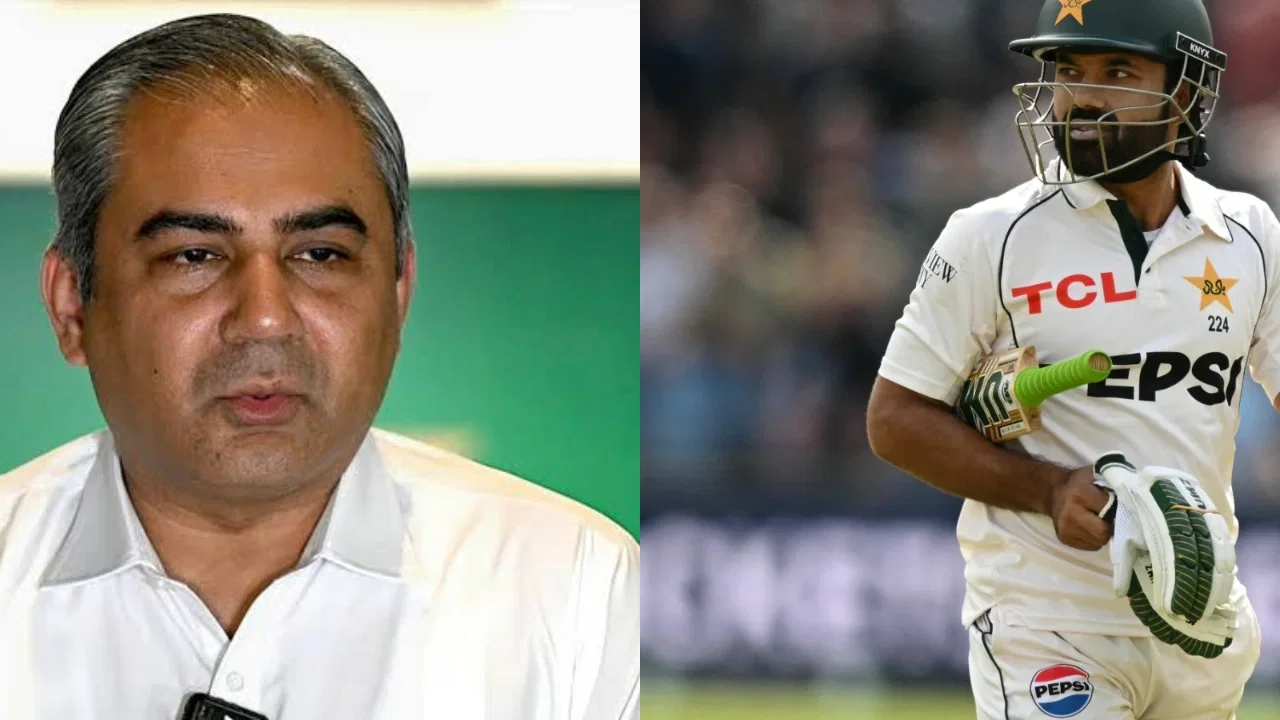
Prediction and Uncertainty Loom Over Pakistan’s Cricket Controversy: The Mohammad Rizwan Saga
The ongoing investigation involving Pakistan’s national cricket team has taken a dramatic turn, centering around star wicket-keeper and batter Mohammad Rizwan. Recent reports suggest that Rizwan, one of Pakistan’s most prominent and trusted cricketers, is seeking to shed light on the controversy that has engulfed the cricketing fraternity. As the investigation unfolds, the question remains: will Rizwan be allowed to speak publicly amidst the mounting speculation and internal restrictions?
Background: The Cracks in Pakistan Cricket’s Fortress
Pakistan cricket has long been marred by allegations of corruption, match-fixing, and internal discord. The recent turbulence began amid the England vs. Pakistan Test series, where a series of surprising decisions sent shockwaves through the cricketing community. After two heavy defeats at Leeds and Lord’s, the Pakistan Cricket Board (PCB) made the unprecedented move to dismiss seven players, including key members of the Test squad, as well as the head coach and assistant coach. Initially, the move was widely viewed as a response to poor performance, but subsequent developments hint at deeper issues.
The Investigation Begins: NCCIA’s Role and the Player Questioning
Amidst the chaos, the National Cyber Crime Investigation Agency (NCCIA) summoned Mohammad Rizwan and Imam-ul-Haq for questioning. The agency’s focus was reportedly on allegations linked to illegal betting activities—a serious concern that threatens the integrity of Pakistani cricket. Reports indicate that Rizwan and Imam-ul-Haq underwent lengthy interrogation sessions, lasting several hours, as authorities sought clarity on their involvement, if any, in illicit betting networks.
However, the situation escalated when media outlets, notably Geo TV, revealed that Rizwan had requested permission from the PCB to publicly address the investigation and clarify his position. According to sources, Rizwan’s intention was not to accuse anyone but simply to provide transparency about his stance and the sequence of events. His plea was rooted in a desire for clarity and to prevent false narratives from spreading, especially considering his central role in Pakistan cricket.
PCB’s Stance: Restricting Players from Speaking Out
Despite Rizwan’s requests, the PCB, under the leadership of Mohsin Naqvi, refused to grant him permission to speak publicly. This decision is based on the strict guidelines outlined in the players’ central contracts, which stipulate that any public statement must be approved by the board before release. As a result, Rizwan remained silent, a move that has sparked debate within cricket circles about transparency, player rights, and the integrity of the investigation process.
Within the cricketing community, questions are being raised about whether restricting Rizwan’s voice hampers the pursuit of truth or if the PCB’s cautious approach is necessary to protect the integrity of the ongoing inquiry. The prediction among critics is that such restrictions could backfire, fueling mistrust and speculation about what is being concealed.
The Broader Context: Match-Fixing, Integrity, and the Future of Pakistan Cricket
Pakistan cricket’s history is fraught with scandals involving match-fixing and corruption—issues that have tainted its reputation globally. The recent investigations, including the NCCIA probe and the questioning of prominent players like Rizwan, are seen by many as a pivotal moment for the sport in Pakistan. The outcome of this investigation could significantly influence the future trajectory of Pakistan cricket, affecting everything from player conduct to governance reforms.
Experts predict that transparency and accountability will be crucial in restoring faith among fans and stakeholders. The prediction is that if the PCB manages to navigate this crisis effectively—by balancing internal discipline with openness—the sport can emerge stronger. Conversely, a lack of clarity could deepen skepticism and potentially lead to further disciplinary measures or even bans for involved players.
Legal and International Dimensions: Rizwan’s Attempts for Clarity
In his quest for transparency, Mohammad Rizwan turned to legal channels, seeking support from the Lahore High Court to gain clarity on the investigation and his rights. However, the court declined to intervene, citing jurisdictional limitations and emphasizing that the matter is under the purview of the PCB and NCCIA. Rizwan also approached the International Cricket Council’s (ICC) Anti-Corruption Unit (ACU), hoping for an impartial review and protective oversight.
The prediction here is that Rizwan’s efforts to seek external support reflect a broader concern about the fairness and transparency of the investigation process. The ICC’s involvement could be pivotal, especially if the findings have implications beyond Pakistan, potentially influencing international cricket policies on integrity and anti-corruption measures.
The Future of Prediction: What Lies Ahead for Pakistan Cricket?
As the controversy continues to unfold, the prediction among cricket analysts is that the next few months will be crucial. The resolution of Rizwan’s effort to speak out, the transparency of the NCCIA investigation, and the PCB’s handling of internal disciplinary measures will determine the sport’s trajectory in Pakistan.
Many experts believe that the investigation’s outcome will set a significant precedent for how cricket governing bodies in Pakistan handle allegations of corruption and misconduct. The prediction is that a transparent process—one that respects players’ rights while safeguarding the sport’s integrity—will be vital for rebuilding trust among fans, sponsors, and international cricket authorities.
Conclusion: Navigating Uncertainty and Upholding Integrity
The ongoing saga involving Mohammad Rizwan and the wider investigation into Pakistan cricket exemplifies the complex interplay between accountability, transparency, and governance in sports. While the restriction on Rizwan’s ability to publicly address the controversy has drawn criticism, it also underscores the importance of a cautious approach during sensitive investigations.
Ultimately, the prediction is that the coming weeks will reveal whether Pakistan cricket can navigate this crisis effectively. The key lies in balancing the need for secrecy during investigations with the imperative of transparency—an essential step toward restoring confidence and ensuring the sport’s integrity for generations to come.
As fans, players, and officials await further developments, one thing remains certain: the future of Pakistan cricket hinges on how these turbulent moments are managed, and whether truth and accountability can prevail amidst the prediction-laden landscape of sports governance.
Latest News
PCB blocks Mohammad Rizwan from speaking publicly on NCCIA investigation
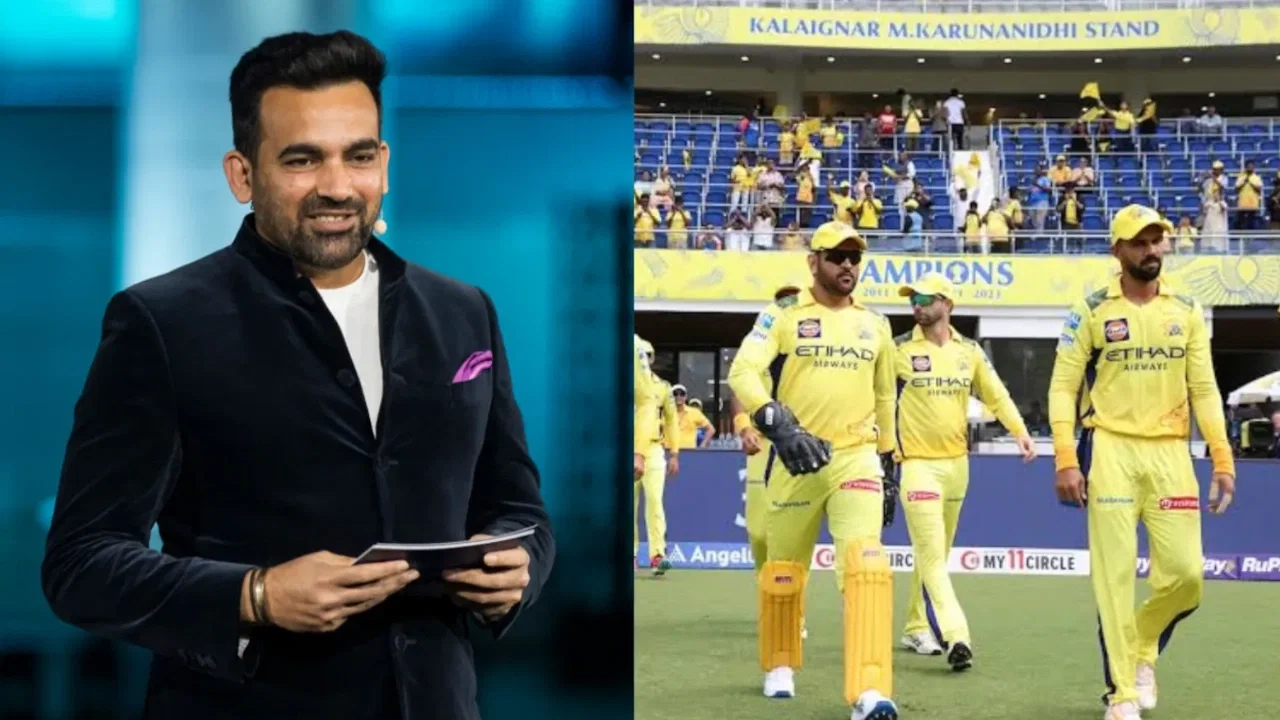
CSK CEO reveals how MS Dhoni helped CSK appoint Zaheer Khan
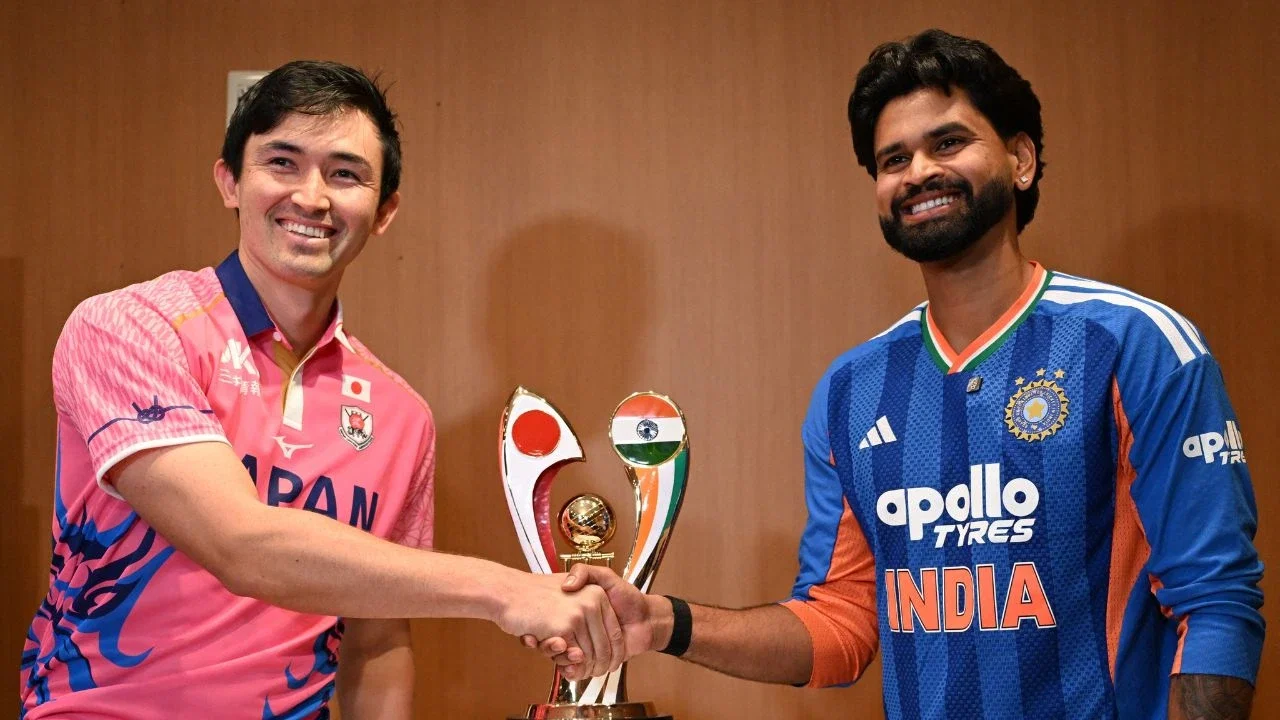
India’s all T20I opponents: Japan set to become 20th team in history
IND vs JPN Playing 11 Today, Live Streaming, Pitch & Weather: India vs Japan T20I 2026
“We want to show we can compete”: Japan warns India ahead of historic T20I
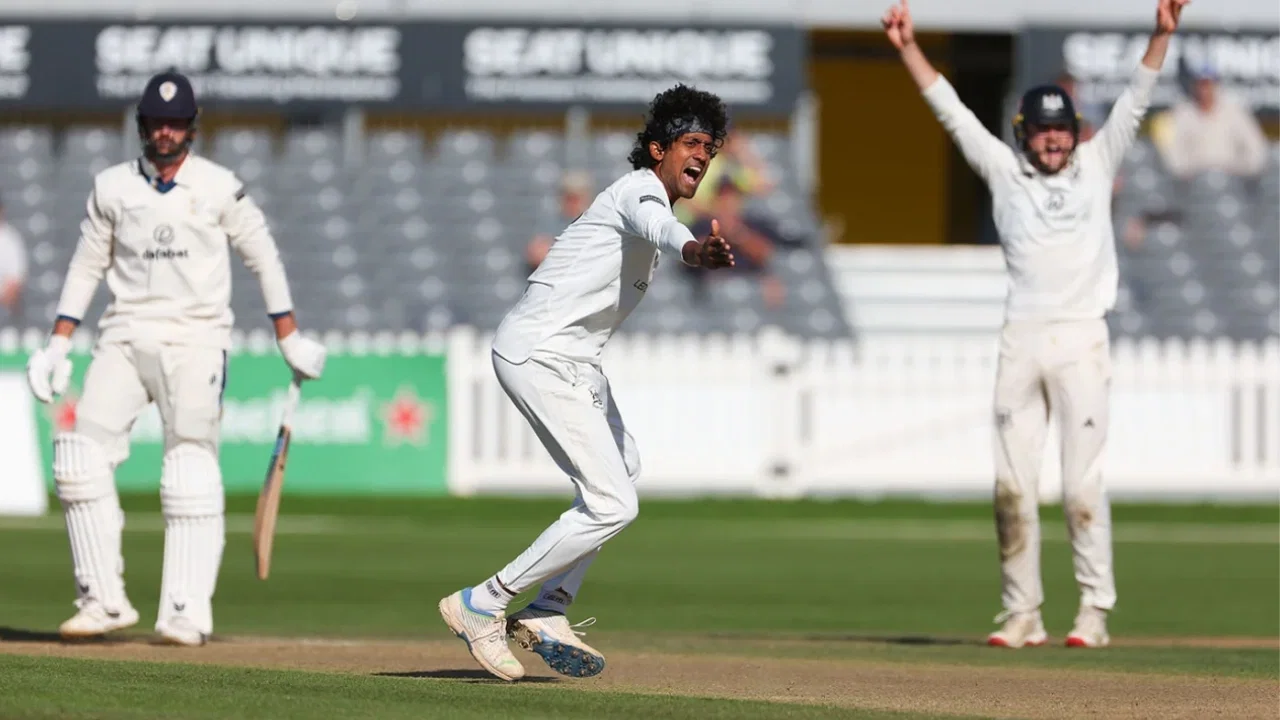
Tamil Nadu announce Ranji Trophy squad, Sai Kishore named captain
Mohammed Saifuddin suffers injury setback, ruled out of Asian Games 2026
SL vs IND Dream11 Prediction Today Match, Dream11 Team Today, Fantasy Cricket Tips, Playing XI, Pitch Report, Injury Update- Asian Games Women’s T20 2026, Final
ENG vs SL Dream11 Prediction Today Match, Dream11 Team Today, Fantasy Cricket Tips, Playing XI, Pitch Report, Injury Update- Sri Lanka Tour of England 2026, 1st ODI
Jonathan Trott returns to England setup as new full-time Lions head coach
Bangladesh replaces BPL with newly framed all-format tournament
Aakash Chopra warns India about 5 Japan stars ahead of historic T20I
Japan T20I record ahead of India clash: Wins, highest run-scorer, leading wicket-taker & more
‘Vaibhav Sooryavanshi’s craze is on another level altogether’: Japan cricketer Abhishek Anand

