PCB to continue with Aaqib Javed despite poor performances
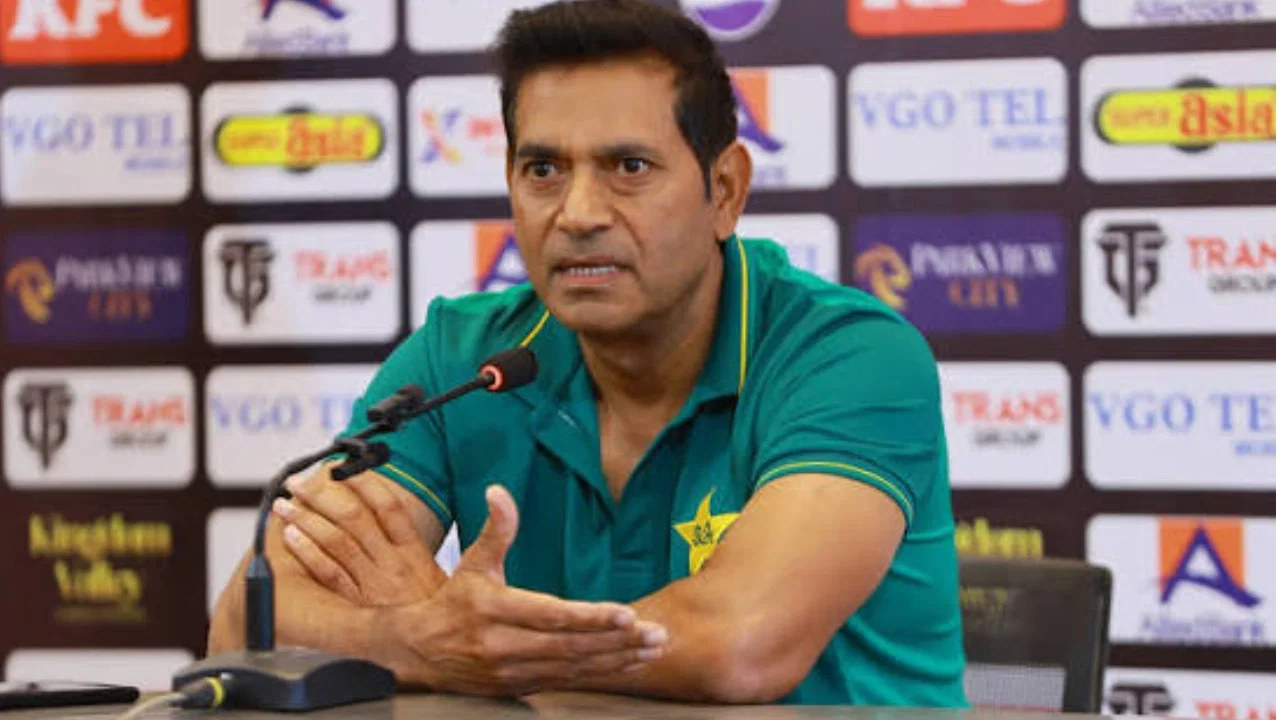
Analysis of Pakistan Cricket Team Reshuffles Sparks Prediction and Speculation on Aaqib Javed’s Future Role
In the wake of recent upheavals within the Pakistan National Cricket Team, particularly concerning the Test squad, a whirlwind of speculation has enveloped the future of key cricketing personnel, notably Aaqib Javed. As the Pakistan Cricket Board (PCB) undertakes strategic reshuffles, questions about Javed’s position—both as a selector and as the Director of the High Performance Centre—have dominated headlines and social media debates. This article delves into the evolving scenario, providing insights into the predictions surrounding Javed’s role, the PCB’s strategic decisions, and the broader implications for Pakistan cricket.
Background: Major Reshuffles in Pakistan’s Test Squad and Their Impact
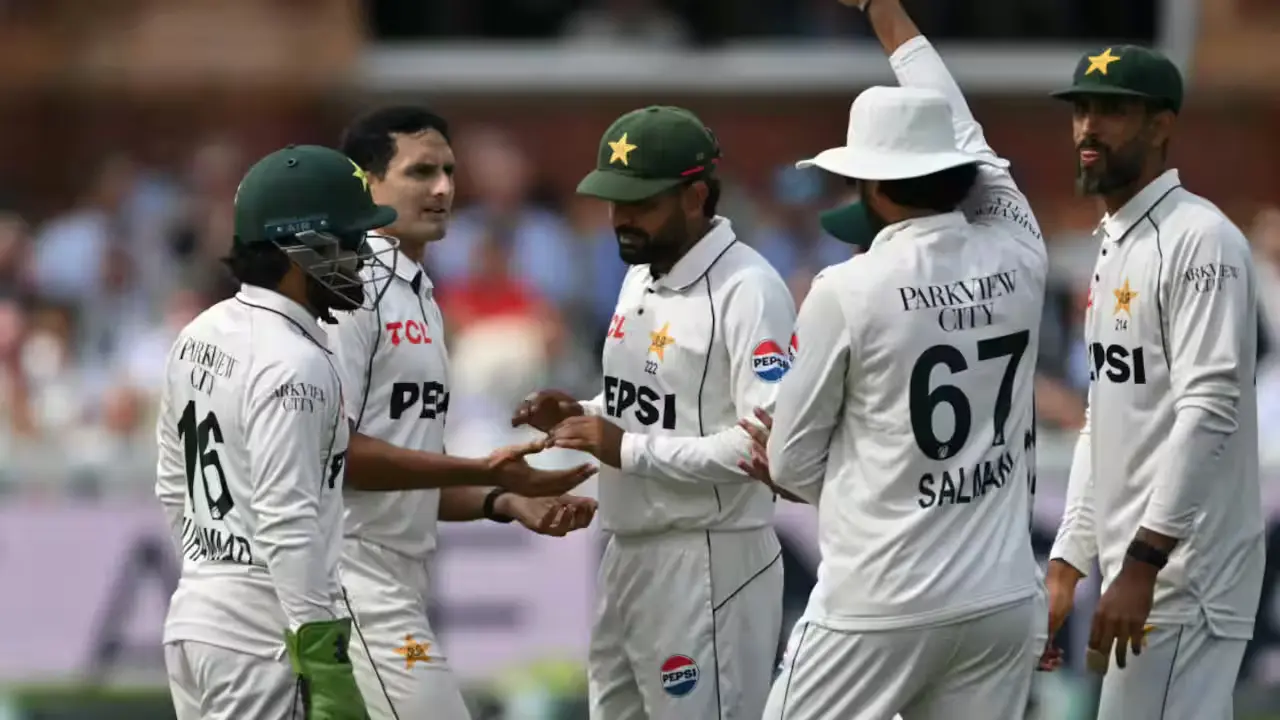
Following a series of disappointing results, including back-to-back defeats against England, the Pakistan cricket fraternity is grappling with a period of introspection and restructuring. The recent sacking of Sarfaraz Ahmed as the Test team’s head coach and Umar Gul as the bowling coach marked a significant shift in the team’s leadership and coaching structure. Additionally, the PCB’s decision to omit seven key players—such as Mohammad Rizwan, Imam-ul-Haq, and Salman Ali Agha—has raised eyebrows and prompted widespread speculation about the rationale behind these choices.
While some critics argue that these personnel changes reflect a strategic move to rejuvenate the team, others believe they signal deeper issues within the selection process and coaching philosophy. The removal of so many experienced players has led to intense debates about the PCB’s future prediction models and whether these decisions are driven by performance metrics or influenced by internal politics and coaching preferences.
Speculation Surrounding Aaqib Javed’s Position: Reports and Realities
Amidst this turbulence, reports emerged early on September 9 from both international and national media outlets suggesting that Aaqib Javed’s role within the PCB might be under threat. Speculation intensified that Javed, who serves as both a selector for the national team and as the Director of the High Performance Centre, could be ousted due to the team’s recent decline. Such predictions prompted widespread discussions about the stability of his position and whether the PCB was considering a strategic reshuffle of its talent identification and selection leadership.
However, these reports were challenged by authoritative Pakistani news sources, notably Geo News, which provided a different narrative. According to Geo News, despite the mounting criticism and internal pressures, Aaqib Javed is expected to retain his dual roles—both as a national selector and as the head of the High Performance Centre. This clarification is critical for understanding the current landscape, as it underscores the PCB’s apparent confidence in Javed’s capabilities and strategic vision.
Current Status: Javed’s Dual Role and Future Predictions
While rumors initially suggested that the PCB might reassign Javed solely to his role as Director of the High Performance Centre, the latest updates indicate that he is likely to continue serving in both capacities. A well-placed source within the PCB revealed that Javed remains a close confidant of Chairman Mohsin Naqvi, often described as the “blue-eyed boy” of the board’s leadership. This relationship appears to be a significant factor influencing his continued presence in both roles.
Moreover, insiders hint that there could be a strategic decision to keep Javed in his dual positions, possibly to maintain consistency in the team’s talent development and selection processes. If this prediction holds, it would suggest that the PCB values his expertise and believes that stability in these roles could be pivotal during this transitional phase.
The Political Dynamics: Influence of Coaches and Internal Preferences
Adding another layer to this complex puzzle is the influence of coaching staff, particularly Mike Hesson, the interim head coach for Pakistan’s Test team. Sources suggest that Hesson’s appointment was partly motivated by his familiarity with a specific set of players from his previous coaching stints in white-ball cricket. His preferences seem to have played a role in the recent removal of seven Test players, as he aims to mold a squad aligned with his strategic vision.
This influence indicates a prediction that future team compositions could be heavily shaped by coaching preferences and internal recommendations, rather than solely by performance metrics. The integration of Hesson’s insights into the selection process is likely to fuel ongoing debates about the objectivity and consistency of Pakistan’s selection policies.
Implications for Pakistan Cricket and Future Predictions
The current scenario underscores the importance of strategic prediction in cricket management. As Pakistan navigates these turbulent waters, stakeholders are closely watching how the PCB’s decisions will influence team performance, player development, and international standing. The predictions point towards a possible consolidation of coaching and selection roles, with experienced personnel like Aaqib Javed playing a central part in shaping the future of Pakistan cricket.
Additionally, the reshuffles suggest a broader trend of aligning team selection more closely with coaching philosophies, which could either bolster or hinder Pakistan’s competitiveness on the global stage. The prediction models indicate that a more cohesive approach—combining experienced selectors and coaches—might be essential to rebuild confidence and achieve long-term success.
Conclusion: Navigating Uncertainty with Strategic Vision
In conclusion, the ongoing reshuffles and internal debates within Pakistan cricket highlight the complexity of managing a national team amidst fluctuating performances and internal politics. The prediction that Aaqib Javed will continue to serve in his dual roles provides a sense of continuity, even as the team undergoes a phase of rebuilding. As the PCB continues to align its strategic vision with the evolving dynamics of international cricket, the decisions made in the coming months will be pivotal in determining Pakistan’s future trajectory.
Ultimately, the current developments reflect a broader trend in cricket management—where strategic prediction, leadership stability, and coaching influence converge to shape team outcomes. For cricket fans and analysts, staying abreast of these changes is vital, as they will undoubtedly influence Pakistan’s cricketing fortunes in the years to come.
Latest News
“Even mobile games should remove it”: S Badrinath on India-Pakistan rivalry
Match fixing? PCB takes Pakistan players’ phones into custody before England Test
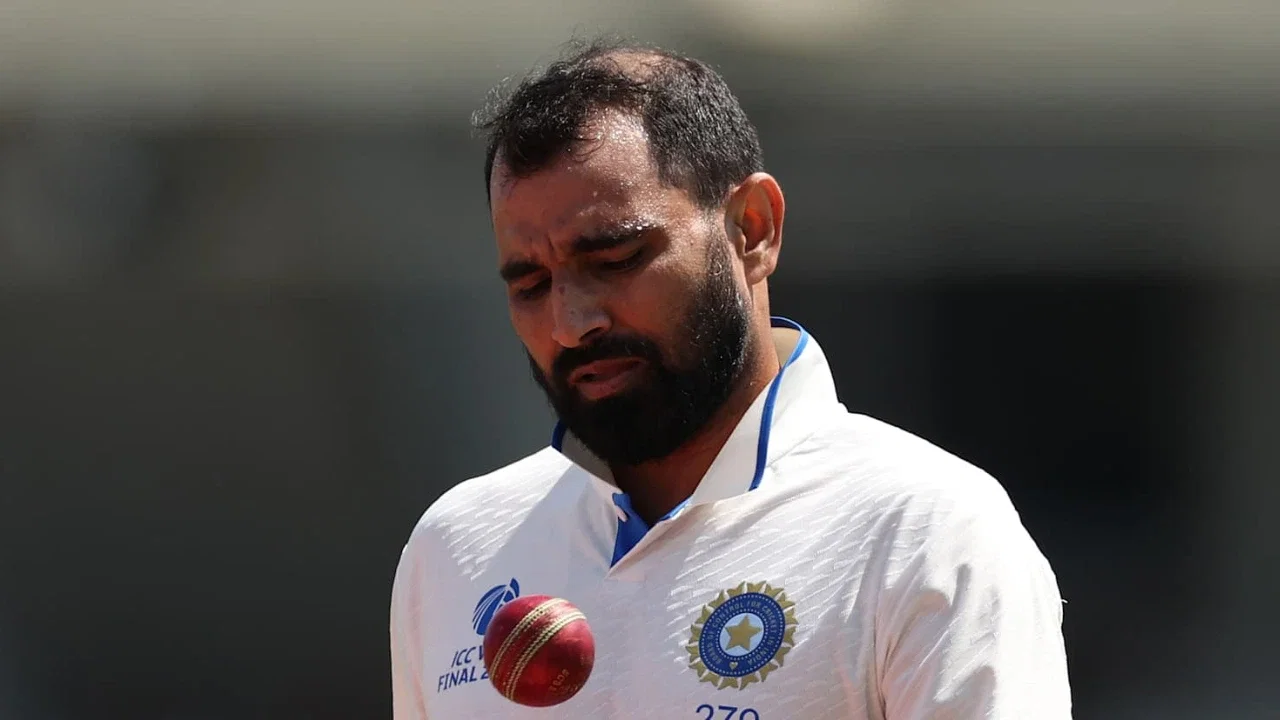
Mohammed Shami back in India comeback conversation as pace concerns grow
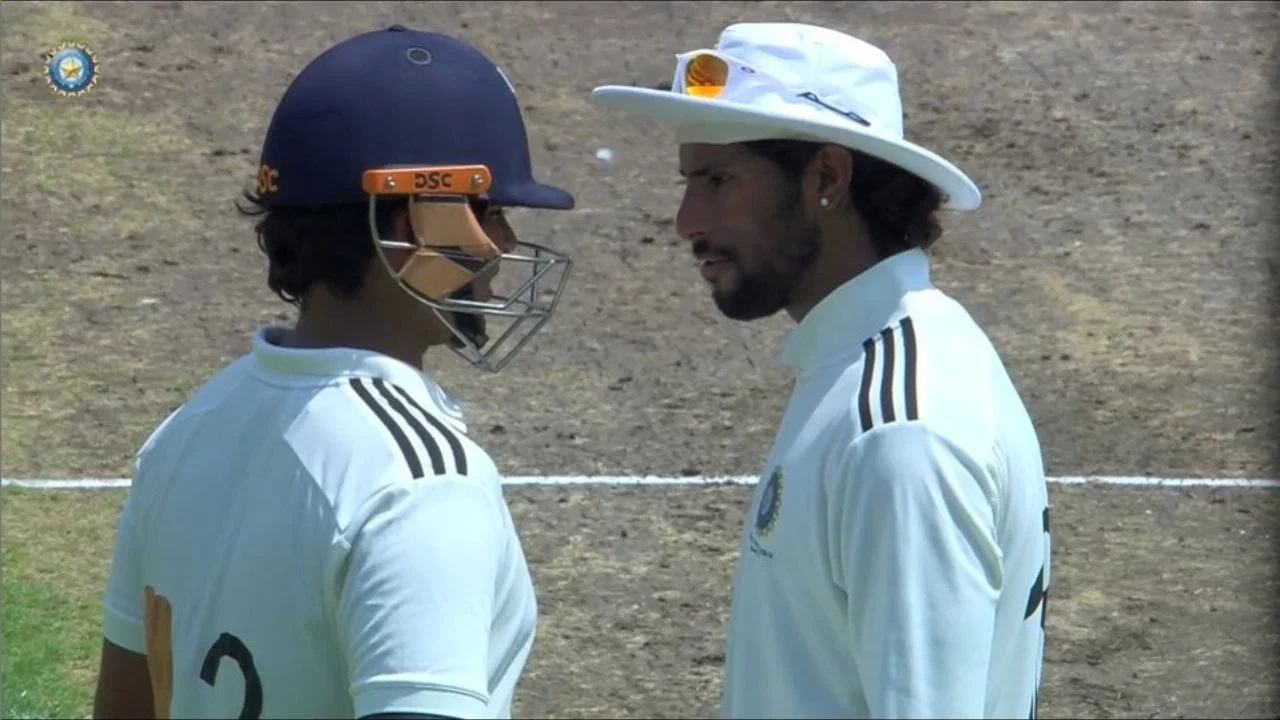
Watch: Tilak Varma sledges Vaibhav Sooryavanshi, exchange turns physical in Duleep Trophy
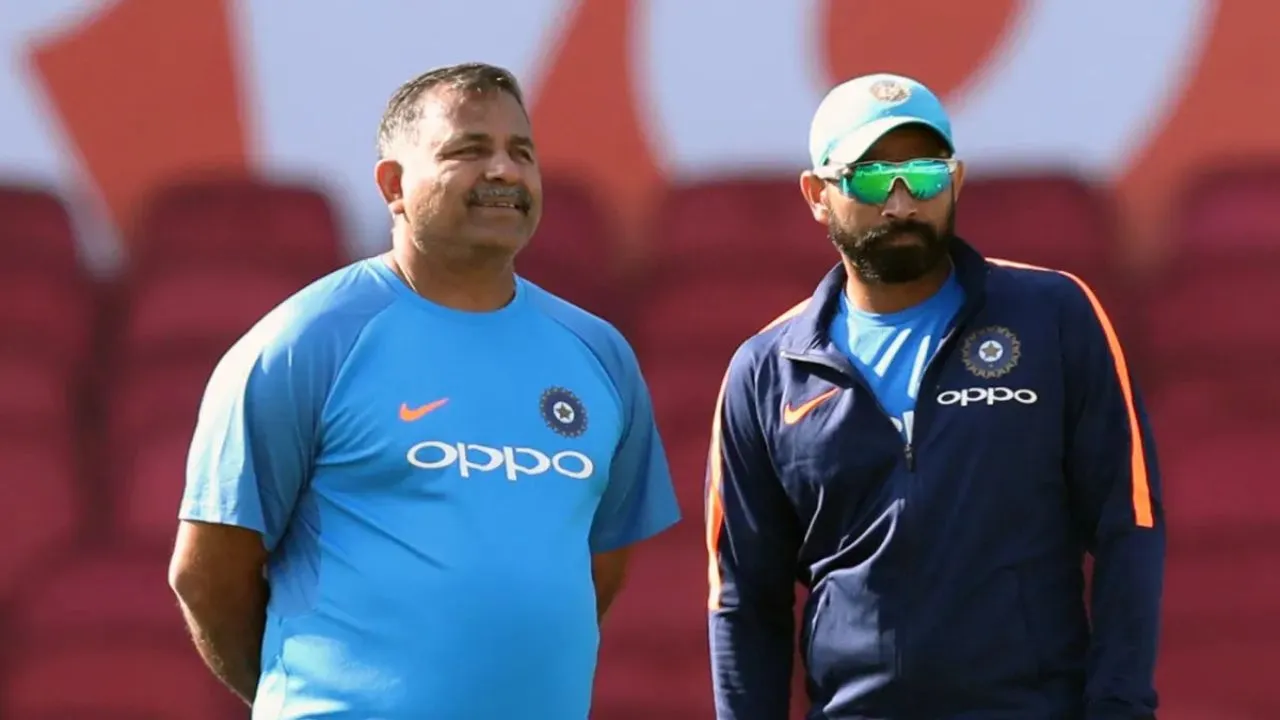
Mohammed Shami gets Bharat Arun’s backing for India comeback after 100th FC game
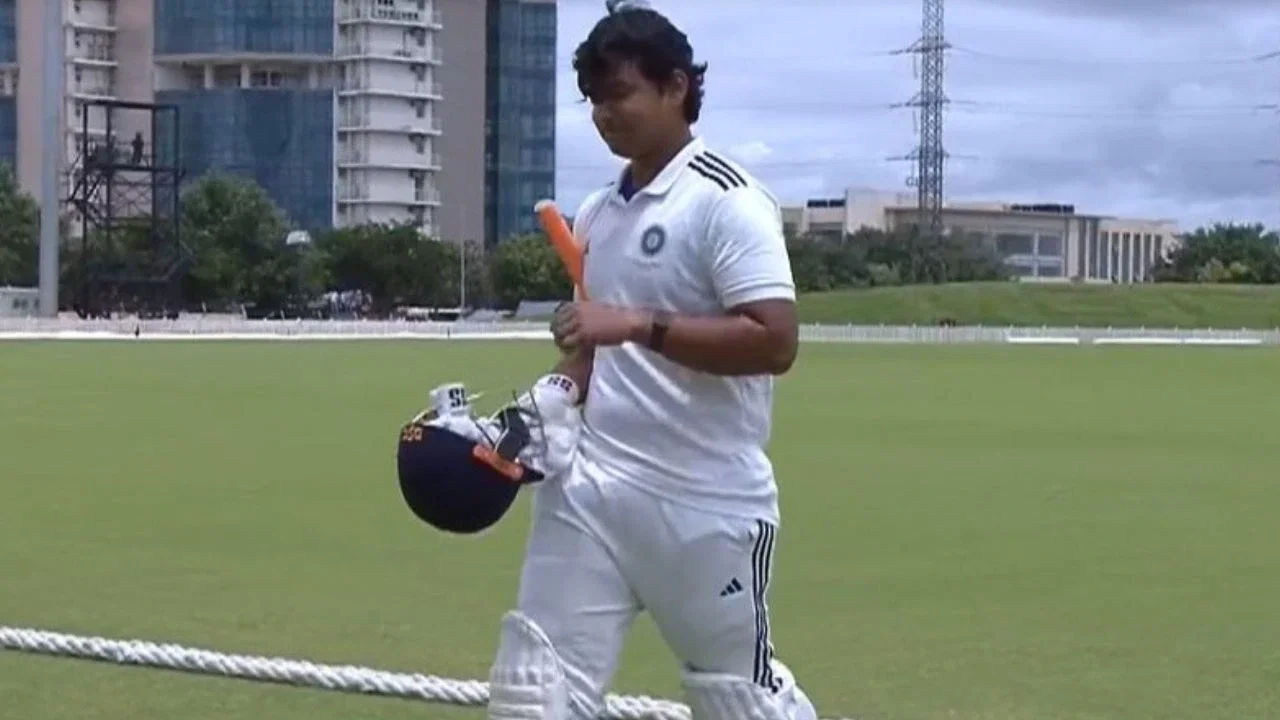
Vaibhav Sooryavanshi’s knockout record: Full list after Duleep Trophy final
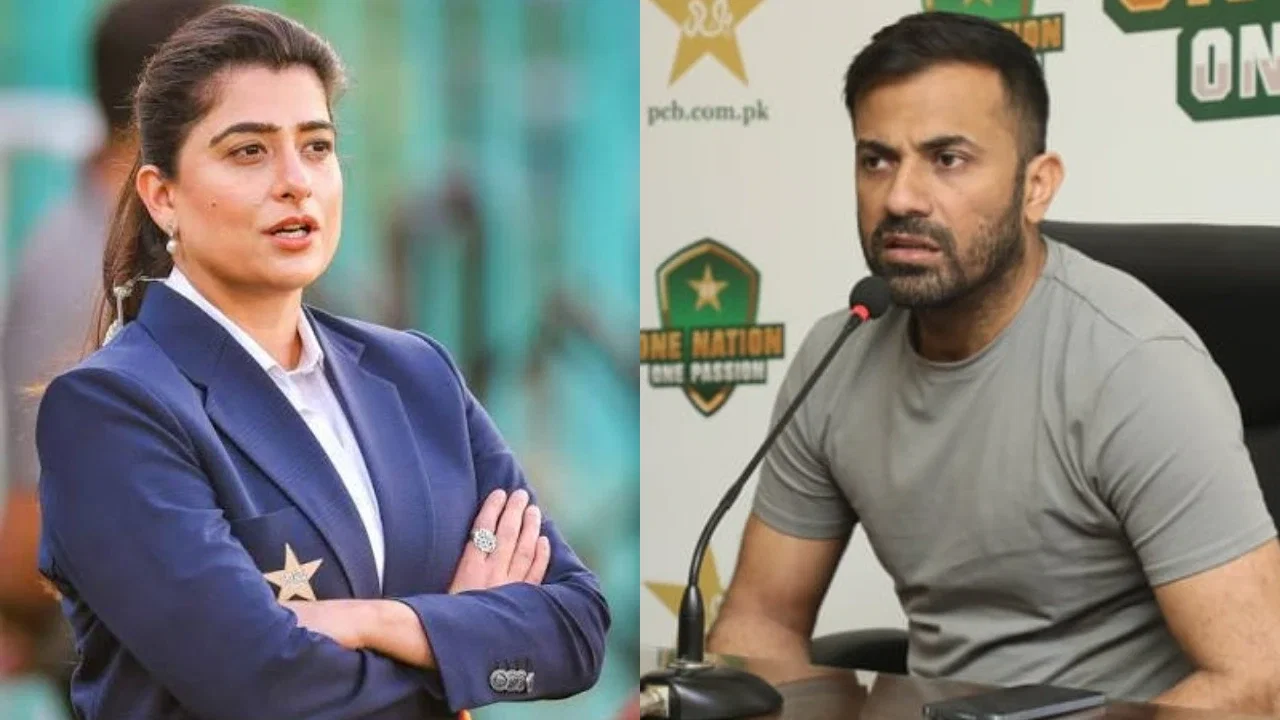
Wahab Riaz hits back at Sana Mir over Pakistan Women’s team shake-up
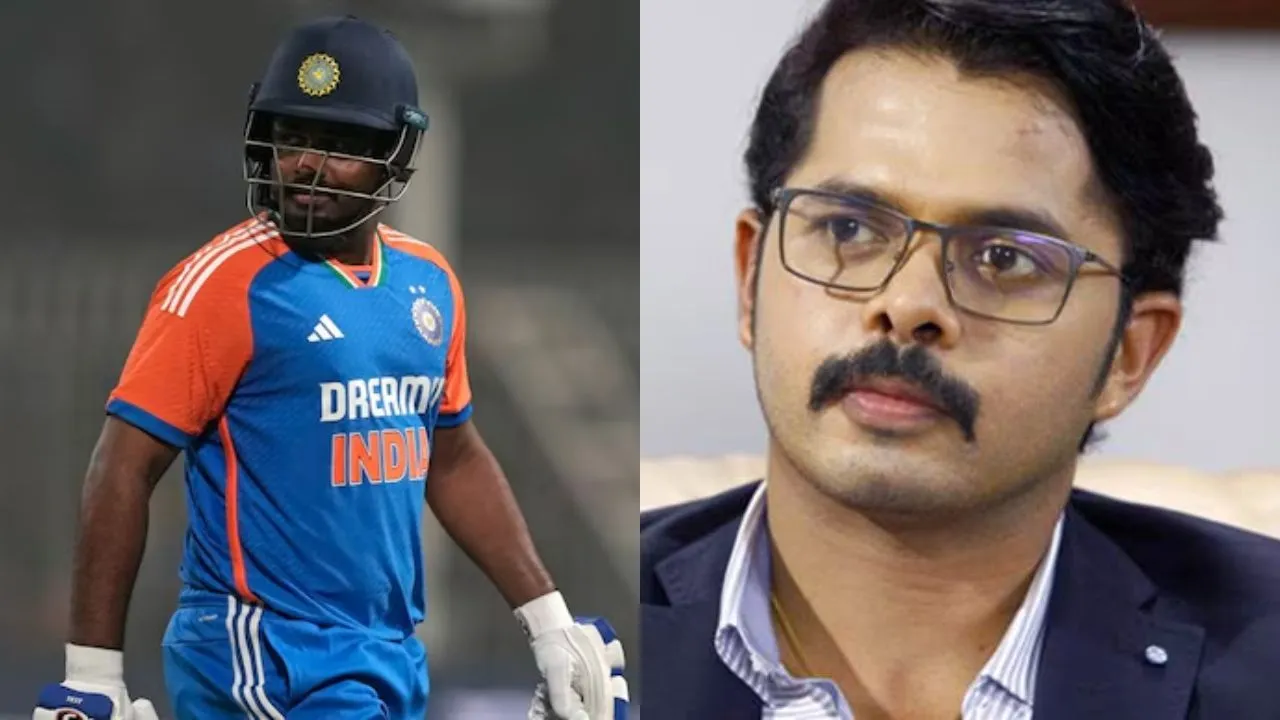
S Sreesanth’s no-handshake with Sanju Samson at KCL presentation sparks rift speculation

PSL could move to January as PCB and team owners discuss plans

JAM-W vs GUY-W Dream11 Prediction Today Match, My11Circle Prediction, Dream11 Team Today, Fantasy Cricket Tips, Playing XI, Pitch Report, Injury Update- WCPL 2026, Match 2
SL-W vs BAN Dream11 Prediction Today Match, Dream11 Team Today, Fantasy Cricket Tips, Playing XI, Pitch Report, Injury Update- Women’s Asia Cup T20 2026, Match 10

Suresh Raina blames Virat Kohli for his early retirement
ADF vs RTD Dream11 Prediction Today Match, Dream11 Team Today, Fantasy Cricket Tips, Playing XI, Pitch Report, Injury Update- European T20 Cup 2026, Match 17
GLG vs ECR Dream11 Prediction Today Match, Dream11 Team Today, Fantasy Cricket Tips, Playing XI, Pitch Report, Injury Update- European T20 Cup 2026, Match 16