PCB’s boycott threats: 3 times Pakistan threatened to pull out but played
Pakistan Cricket Team’s History of Boycotts and Controversies: A Deep Dive into the Men in Green’s Bold Stances
The Pakistan national cricket team, often regarded as one of the most passionate and resilient sides in international cricket, has a long-standing history of navigating political tensions, diplomatic issues, and internal controversies. These challenges sometimes manifest in bold threats to boycott matches or outright walkouts, reflecting the complex relationship between cricket, politics, and national pride. Currently, during their ongoing tour of England, Pakistan’s squad is embroiled in a fresh controversy following a series of past incidents where they threatened to withdraw from matches but ultimately decided to play, demonstrating both their defiance and commitment.
The Current Context: Pakistan in England and the Lord’s Test Controversy
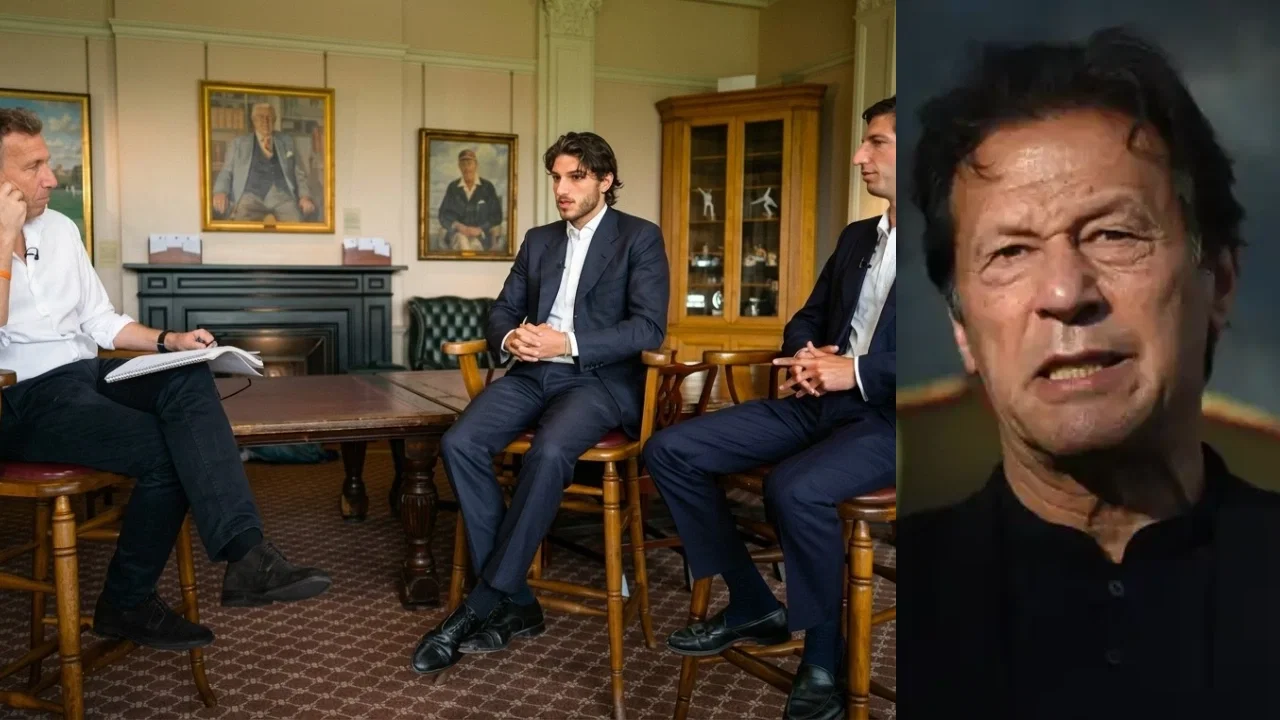
Pakistan’s recent tour of England has been marked by high-stakes cricket and heightened political undercurrents. After suffering a heavy defeat in the first Test—an innings and 103 runs—the team is now competing in the second Test at the historic Lord’s Cricket Ground. Tensions escalated when the team’s management threatened to boycott the match over a Sky Sports interview involving Imran Khan’s sons. The interview, which was conducted without the Pakistan Cricket Board’s (PCB) prior approval, focused on the health and well-being of Imran Khan, the former Pakistani cricket legend and current political leader, who is imprisoned under controversial circumstances.
This incident is not an isolated case. Over the years, the Pakistan cricket team and PCB have issued multiple threats to boycott international fixtures, often citing political interference, security concerns, or media-related controversies. Despite these threats, Pakistan has generally chosen to participate—sometimes after intense negotiations or diplomatic pressure—highlighting their complex stance on issues of national pride and international relations.
Historical Instances of Threatened Boycotts: A Closer Look
2025 Asia Cup – The Handshake and Match Referee Dispute
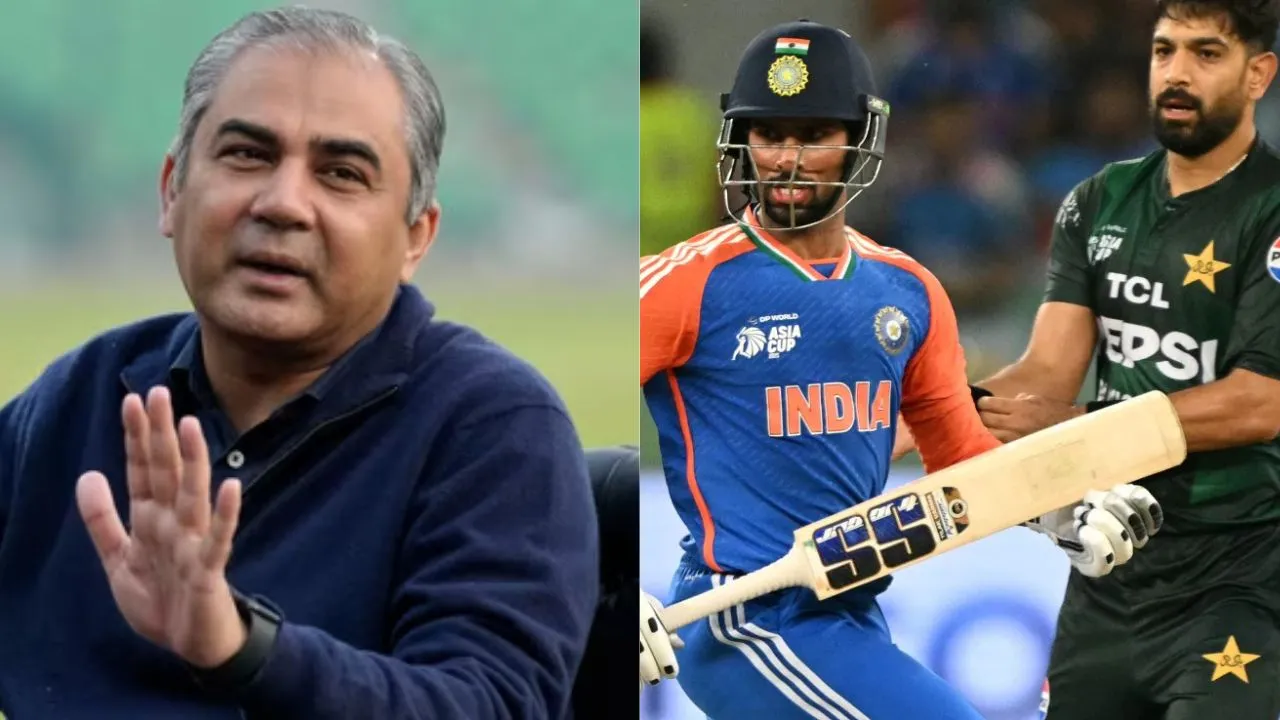
One of the earliest prominent incidents occurred during the 2025 Asia Cup, a tournament marred by diplomatic tensions and on-field controversies. During the India vs. Pakistan clash, the players’ post-match behavior sparked controversy when they refused to exchange customary handshakes after the game. This deviation from tradition was seen as a symbolic protest, but it quickly escalated into a broader controversy involving the match officials.
The PCB demanded the removal of match referee Andy Pycroft, accusing him of instructing captains not to shake hands during the toss—a breach of standard cricket protocol. The ICC, however, rejected the PCB’s request, citing the referee’s autonomy and the importance of maintaining neutrality. Tensions rose, and the Pakistani team initially refused to take the field, delaying the match by nearly an hour. After internal discussions and diplomatic negotiations, Pakistan’s players finally entered the field at Dubai International Cricket Stadium to compete against India.
Despite their protest, Pakistan lost the match against India, a defeat that was met with mixed reactions back home. The incident underscored Pakistan’s willingness to challenge perceived injustices or protocol breaches, often at the risk of penalties or reputational damage, in the pursuit of asserting their stance on national pride and fairness.
2026 T20 World Cup – The Boycott over Security Concerns
The lead-up to the 2026 T20 World Cup was fraught with geopolitical tensions, especially between India and Pakistan. During this period, Bangladesh, a co-host of the tournament, refused to send their team to India, citing security concerns amid diplomatic tensions. The ICC faced mounting pressure to relocate the matches to a neutral venue, but ultimately, the decision was made to keep the tournament in India and Sri Lanka.
In response, the Pakistan Cricket Board and the Pakistani government announced a boycott of the tournament’s match against India, citing security threats and political sensitivities. This stance was a bold move, emphasizing Pakistan’s refusal to participate in an event they deemed unsafe and unfairly politicized. The ICC, however, strongly reprimanded Pakistan’s decision, warning that such boycotts could undermine the integrity of international cricket and set a dangerous precedent for future tournaments.
Despite the boycott, Pakistan’s team played their matches and faced defeat against India in their scheduled encounter. The boycott highlighted the delicate balance between political diplomacy and sportsmanship—an ongoing challenge for Pakistan cricket, which often finds itself caught between national interests and the global cricketing community.
2026 Lord’s Test – Threats Over Sky Sports Interview with Imran Khan’s Sons
The latest controversy centers around the ongoing second Test match at Lord’s. The Pakistani team performed well on the first day, but trouble surfaced when an interview with Imran Khan’s sons, Kasim and Sulaiman, was broadcast without prior approval from the PCB. The interview, conducted by former England captain Mike Atherton and aired on Sky Sports, focused on Imran Khan’s health and political situation.
The interview’s timing—conducted at Lord’s on the eve of the match—sparked outrage within Pakistan’s cricket administration. The PCB reportedly threatened to boycott the entire Test match, accusing Sky Sports of breaching protocol and interfering in national matters. The controversy underscored the fragile relationship between Pakistan cricket authorities and international broadcasters, especially when political issues are involved.
While the threat to boycott was not realized, the incident highlighted the ongoing tension between sports, media, and politics. It also raised questions about the boundaries of media interviews involving political figures and their families, especially when such interviews occur in the context of international sporting fixtures.
Analyzing the Prediction: What Does the Future Hold for Pakistan Cricket’s Boycott Tendencies?
Looking ahead, the prediction for Pakistan’s stance on international matches remains complex. Historically, the Men in Green have demonstrated a willingness to threaten boycotts as a form of protest, but have often chosen to participate after negotiations or diplomatic interventions. Their bold stance reflects a deep-rooted desire to defend national pride and political sovereignty, often at the expense of their sporting commitments.
In the current climate, with political tensions simmering over Imran Khan’s legal and health issues, and ongoing diplomatic challenges between Pakistan and India, the prediction suggests that Pakistan will continue to use the threat of boycotts as leverage—whether to influence media coverage, security arrangements, or political statements. However, the practical realities of international cricket—such as financial implications, global sanctions, and the desire to maintain their cricketing reputation—mean that outright walkouts remain a last resort.
Moreover, the global cricket community, led by the ICC, is increasingly emphasizing the importance of political neutrality in sports. This diplomatic approach aims to prevent the sport from becoming a battleground for political disputes. Therefore, while threats may persist, the prediction is that Pakistan will likely continue to find ways to participate in international fixtures, balancing their national interests with the demands of global cricketing norms.
Conclusion: The Resilient Spirit of Pakistan Cricket
Pakistan’s history of threatening to boycott matches—yet ultimately participating—reflects the resilient spirit of their cricketing culture. Their actions serve as a powerful reminder of how deeply intertwined sports are with national identity, politics, and diplomacy. As they navigate the current controversy at Lord’s and beyond, the prediction remains that Pakistan’s cricketing authorities will continue to assert their stance when necessary, but will also recognize the importance of maintaining relationships within the global cricket community.
As fans and analysts watch closely, the ongoing saga underscores that cricket is more than just a game—it’s a platform for expressing political views, defending sovereignty, and challenging perceived injustices. The future prediction indicates that Pakistan’s approach to match boycotts and controversies will evolve, but their commitment to cricketing pride remains unwavering.
Latest News
PCB’s boycott threats: 3 times Pakistan threatened to pull out but played
Imam-ul-Haq suffers calf strain, doubtful for Lord’s Test batting
Pat Cummins, Usman Khawaja support Imran Khan amid PCB-Sky row
‘Unhappy’ BCCI may remove Vaibhav Sooryavanshi & others from Asian Games squad
Afghanistan-West Indies series likely to be postponed due to 2027 World Cup qualifiers
Marizanne Kapp slams Cricket Australia over Anaya Bangar’s women’s cricket clearance
Shubman Gill remains best No.4 Test batter despite underwhelming outing
Mohammad Kaif questions Shubman Gill’s leadership as Sri Lanka pull off fighting draw
“He’s sleeping”: Former India opener takes dig at Gautam Gambhir over India’s WTC 2027 final hopes
CDK vs PD Match Prediction Today: Central Delhi Kings vs Purani Dilli 6, DPL 2026 Qualifier 2
Ben Stokes set for BBL return as Adelaide Strikers, Melbourne Renegades lead the race
BCCI plans County Championship stint for Auqib Nabi ahead of New Zealand Test series

MDP vs VKK Match Prediction Today: Madurai Panthers vs Vida Kovai Kings, TNPL 2026 Final
India-Bangladesh series likely in January 2027: Report