PSL 2027 set to clash with IPL as April-May window finalised
Prediction and Planning: The Future of Pakistan Super League 2027 Amid Scheduling Debates and International Challenges
The Pakistan Super League (PSL) 2027 is shaping up to be an intriguing edition, not only because of its anticipated cricketing action but also due to ongoing debates surrounding its scheduling. As the league continues to grow in stature and popularity, stakeholders are grappling with the challenge of balancing traditional timings with emerging global cricket calendars and commercial interests. The upcoming season is predicted to take place in the April-May window, but the decision is far from straightforward, especially with the IPL’s formidable presence and other international tournaments vying for attention.
Understanding the Proposed Schedule for PSL 2027
According to renowned Pakistani cricket journalist Sohail Imran, the Pakistan Cricket Board (PCB) and franchise owners are leaning towards maintaining the same timing as the previous two seasons—an April-May window. This period has proven to be a strategic choice, aligning with school holidays and maximizing attendance and viewership domestically. Historically, the PSL was played in February and March, but recent seasons have shifted to later months, primarily to accommodate Pakistan’s hosting commitments for major international tournaments like the ICC Champions Trophy and the ICC Men’s T20 World Cup.
Imran’s prediction indicates that the 12th edition of the PSL will continue in April-May, ensuring consistency and stability in scheduling. The decision is also influenced by the desire to capitalize on the holiday period, which tends to boost ticket sales and television ratings within Pakistan. However, this timing is not without its complications, particularly because it overlaps with the Indian Premier League (IPL), which is typically held during April and May.
The Clash of Schedules: PSL vs. IPL
The overlap with the IPL remains the most significant challenge for the PSL’s scheduling. The IPL is arguably the world’s most lucrative and popular T20 league, drawing global viewership and massive advertising revenues. When both leagues run concurrently, it creates a fierce competition for viewers, sponsorships, and international star players.
Broadcasters, who are vital stakeholders in this equation, have expressed a clear preference for an earlier start—preferably January or February—allowing the PSL to avoid direct competition with the IPL. This shift could help broadcasters recover their advertising investments and maximize television ratings, especially in a cricket-crazy country like Pakistan. However, this timing conflicts with other international T20 leagues, such as Australia’s Big Bash League and South Africa’s SA20, which also attract top overseas talent.
Moreover, the January-February window would mean the PSL would need to navigate a crowded international cricket calendar, potentially limiting the availability of star overseas players who are also committed to other franchises or international duties. The scheduling prediction, therefore, hinges on a delicate balance between domestic interests, international commitments, and commercial imperatives.
International Player Availability: A Key Challenge in Prediction
The scheduling debate is further complicated by the increasing mobility of international cricketers. Traditionally, the PSL has relied on a mix of domestic talent and international stars to boost its competitiveness and appeal. However, with the IPL’s expansive reach, many overseas players prioritize the Indian league, which offers lucrative contracts and global exposure.
In recent seasons, the clash between PSL and IPL has led to notable player departures. For instance, Zimbabwe pacer Blessing Muzarabani faced a two-year suspension after leaving Islamabad United mid-season to join Kolkata Knight Riders. Similarly, Sri Lankan all-rounder Dasun Shanaka was suspended for a year after leaving his PSL commitments to join Rajasthan Royals. These disciplinary actions underscore the importance of scheduling predictions that consider player availability and contractual commitments.
The problem becomes more acute when the league overlaps with other T20 tournaments. Players often have to choose between competing leagues, risking their reputation and contractual obligations. As the prediction for PSL 2027 takes shape, stakeholders are contemplating ways to incentivize players’ participation and provide clarity on scheduling to ensure the league’s smooth operation.
Financial and Structural Pressures Facing the PSL
Beyond scheduling, the PSL faces significant financial pressures, which influence predictions and strategic planning. The league’s revenue model depends heavily on broadcasting rights, sponsorship deals, and ticket sales. The recent structural changes, including shifting the league’s timing, have aimed to enhance commercial viability but have also introduced new challenges.
For example, playing during the hotter months of April and May subjects players and fans to extreme heat, potentially impacting attendance and player performance. Conversely, an earlier schedule in January-February might mitigate heat issues but would intensify competition with other leagues and international fixtures.
Furthermore, the PSL’s financial health is also tied to the stability of its broadcasting deals. As broadcasters seek to maximize their advertising revenues, they favor schedules that avoid clashes with the IPL and other major tournaments. This creates a prediction challenge for the PCB, which must weigh the benefits of domestic cricket growth against the risks of reduced viewership if the league is poorly scheduled or poorly marketed.
Insights and Future Outlook
The prediction for PSL 2027’s schedule remains a topic of keen interest among cricket fans, analysts, and stakeholders worldwide. While the inclination is to continue with the April-May window, as has been the case for the past two seasons, there is a clear undercurrent of debate about whether an earlier start could better serve the league’s long-term growth.
Crucially, the decision will depend on negotiations between the PCB, franchise owners, broadcasters, and international cricket boards. The PCB is expected to prioritize the league’s commercial success while ensuring player participation remains high. As the prediction suggests, a balanced approach—perhaps a flexible schedule that adapts to international commitments—could be the key to optimizing the league’s future.
In the broader context, the PSL’s scheduling predictions also reflect the shifting dynamics of global cricket, where leagues are increasingly vying for attention and resources. The league’s ability to adapt and innovate—by exploring new windows, enhancing player incentives, and securing lucrative broadcasting deals—will determine its trajectory in the coming years.
Conclusion
The prediction for the PSL 2027 schedule underscores the complex interplay of cricketing, commercial, and logistical factors that stakeholders must navigate. While the consensus leans toward maintaining the April-May window, the ongoing debates highlight the league’s need to innovate and adapt to the evolving global cricket landscape.
As the cricket world watches closely, the decision made in the coming months will shape the future of Pakistan’s premier T20 tournament, influencing player participation, viewership, and Pakistan’s cricketing reputation on the international stage. Whether the league can successfully balance prediction with practicality remains to be seen, but its strategic planning today will undoubtedly define its success tomorrow.
Latest News
Top 10 highest run-chases in T20 cricket history, ft. West Indies’ Ranchi win vs India
Aaryavir Sehwag and Anvay Dravid set to make headlines at U19 Asia Cup 2026
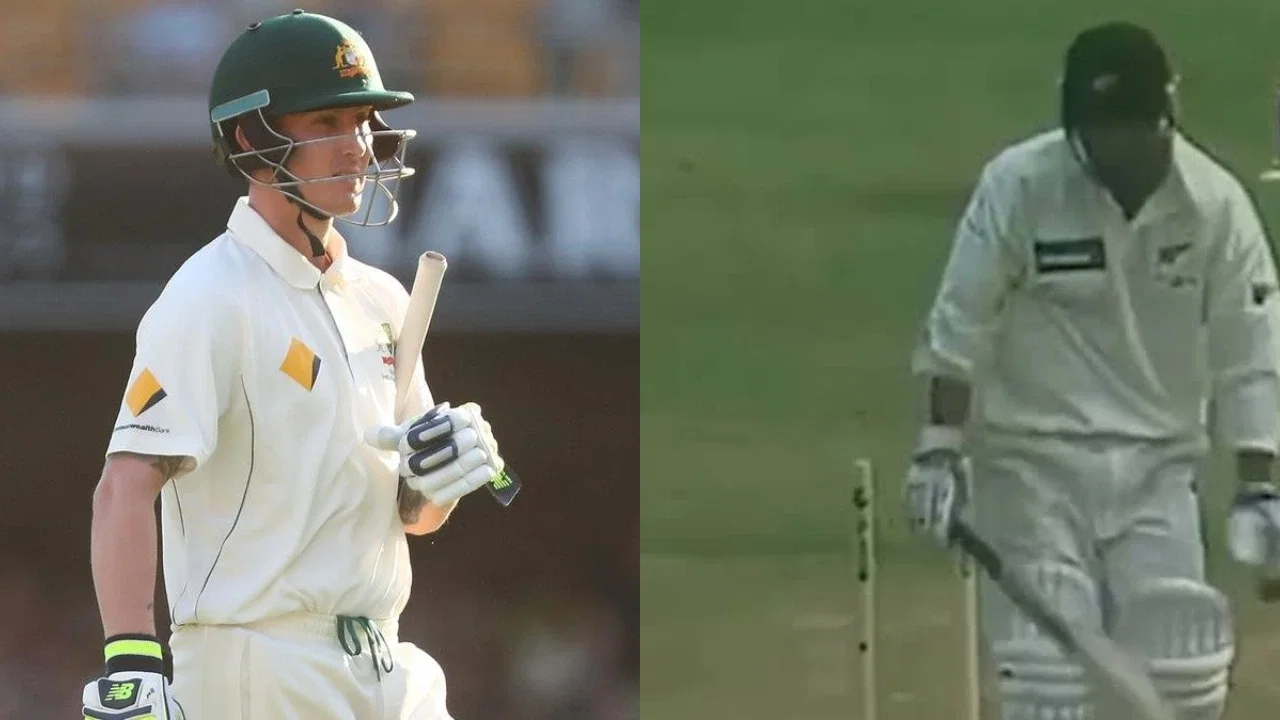
Longest ducks in Test cricket history ft. Nic Maddinson, Shoaib Akhtar
ECB to offer 39 central contracts to England players after Ben Stokes, Mark Wood’s retirement
Steve Smith surpasses Steve Waugh in all-time Test run-scorers’ list

Shane Watson identifies Gautam Gambhir’s biggest problem as India struggle for consistency

Is Bhuvneshwar Kumar in India’s 2027 World Cup plans? Ajinkya Rahane makes revelation

BCCI’s big ₹127 Crore move after injury crisis raises concerns over Team India
Parthiv Patel reveals RCB ignored his Jasprit Bumrah recommendation in IPL 2014 Auction
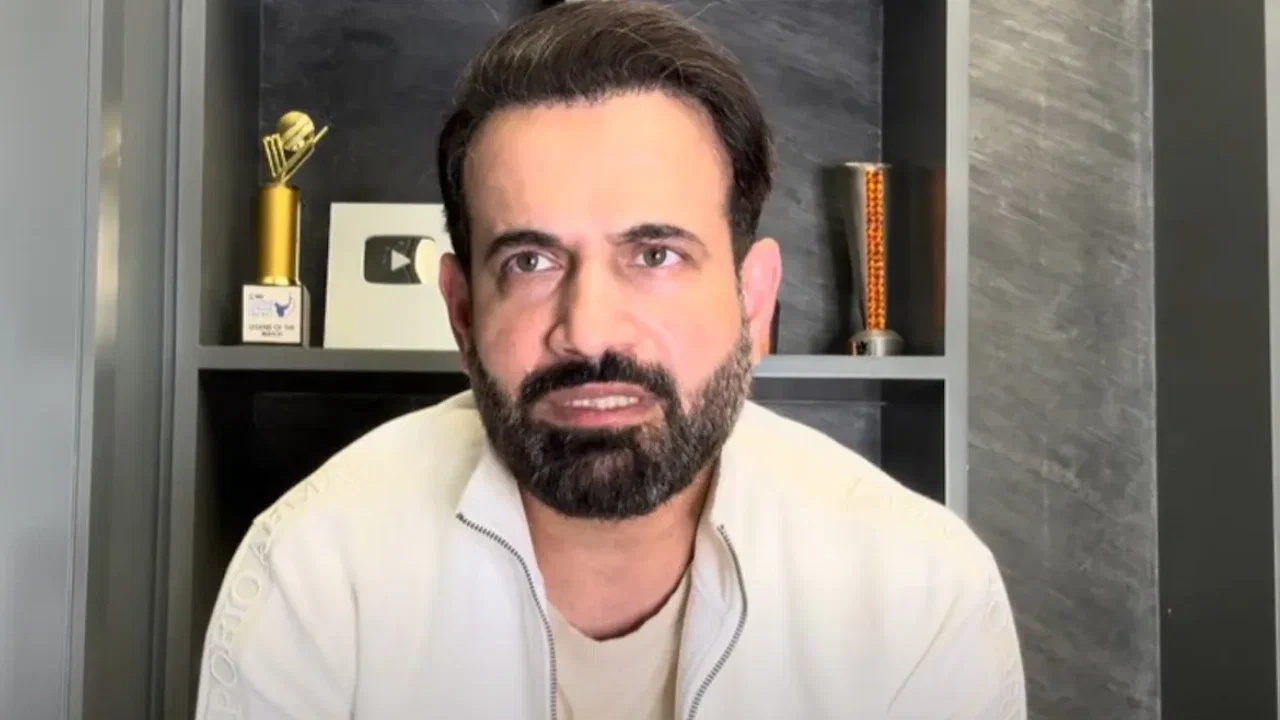
“Never spoke ill of any faith”: Irfan Pathan hits back at fake news using his name
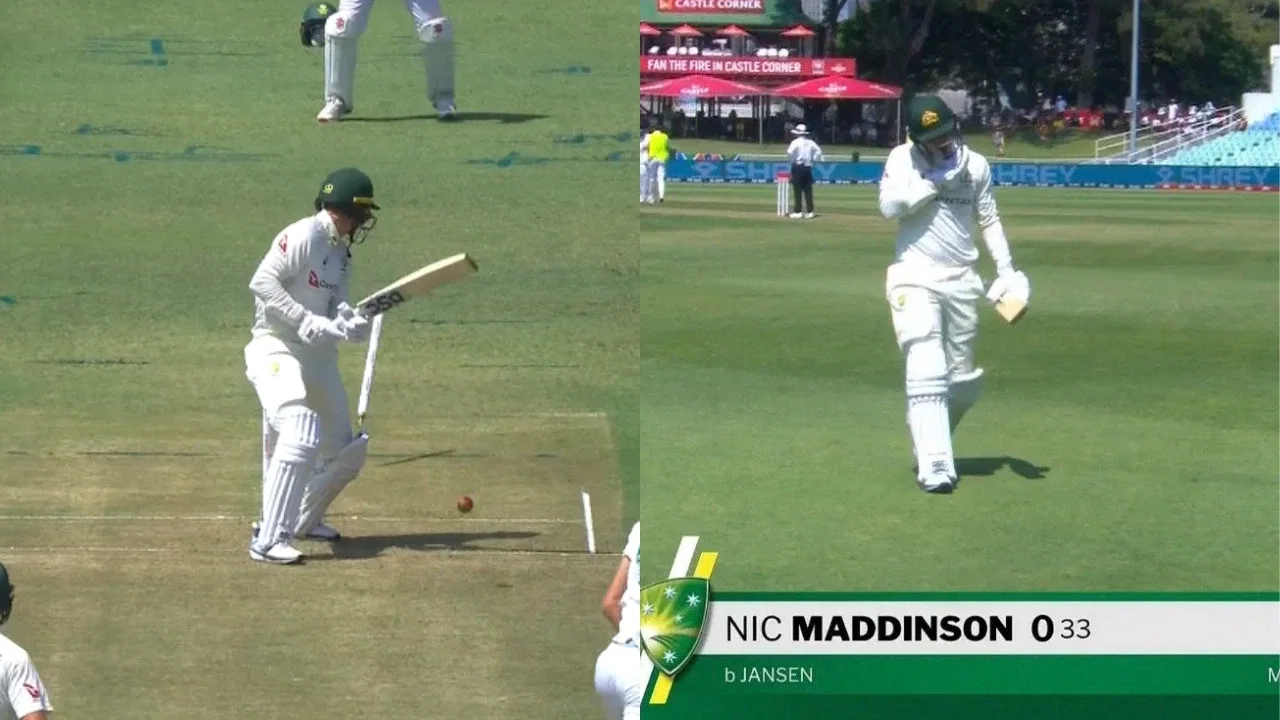
Nic Maddinson bags 33-ball duck on Test comeback, disappoints George Bailey

Imran Tahir predicts 2027 ICC ODI World Cup Semi-Finalists, snubs India for title
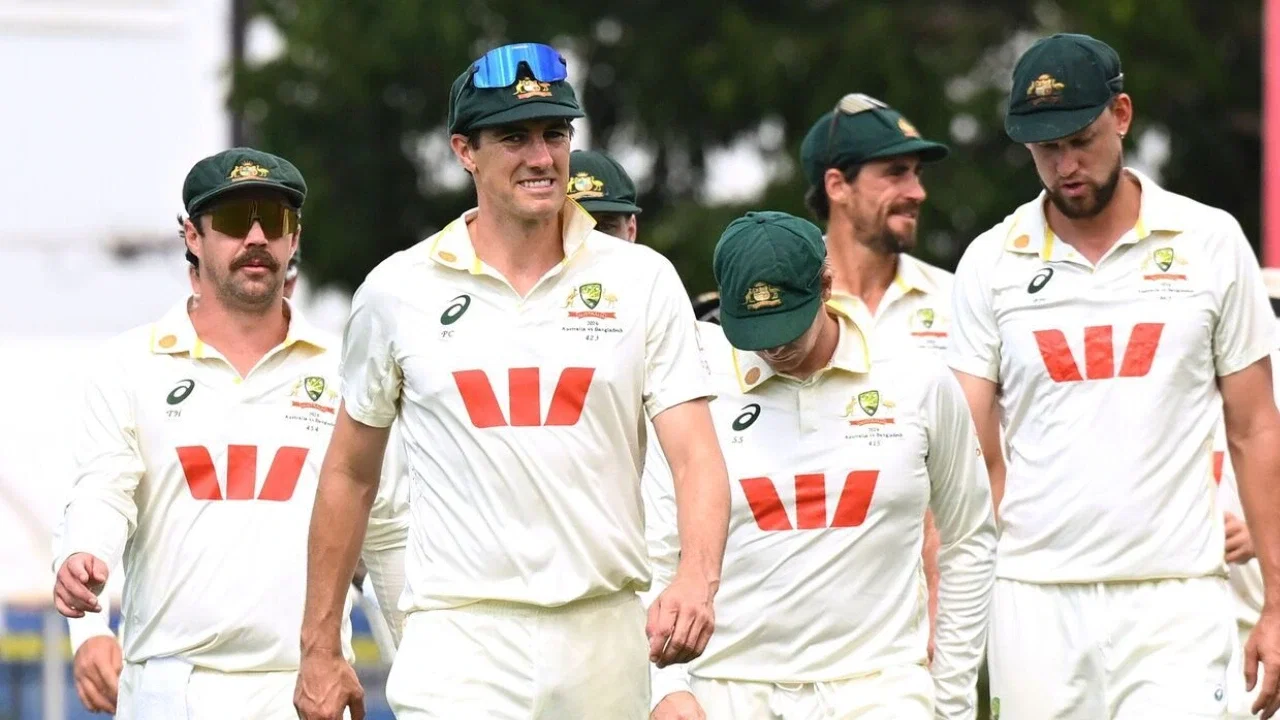
Australia create unwanted history with first all-30-plus Test XI
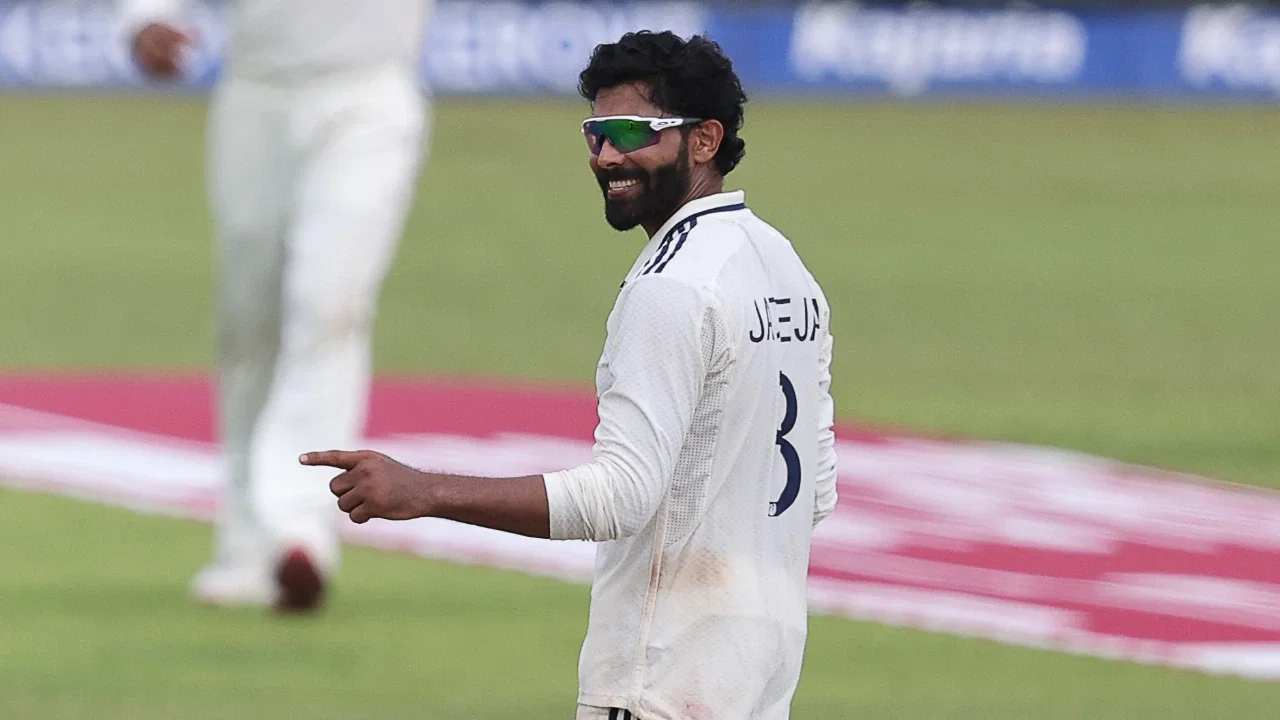
Ravindra Jadeja returns to Ranji Trophy as Saurashtra announce squad