PSL could move to January as PCB and team owners discuss plans

Prediction: Major Changes on the Horizon for Pakistan Super League (PSL) Schedule and Strategy
The Pakistan Super League (PSL), one of cricket’s most anticipated tournaments, is potentially set for a significant transformation in the upcoming season. Recent discussions among key stakeholders—including the Pakistan Cricket Board (PCB), franchise owners, and media rights holders—indicate a possible shift of the tournament from its traditional February-March window to January. This move, driven by strategic considerations related to advertising revenue, player availability, and fan engagement, could redefine Pakistan’s premier T20 competition. Here, we delve into the details of this prediction, exploring the motivations behind the potential rescheduling, the challenges it might pose, and the broader implications for cricket in Pakistan and beyond.
Background: The Evolution of PSL Scheduling
Since its inception in 2016, the Pakistan Super League has primarily been staged during the February and March months. This timing was initially chosen to avoid conflicts with international cricket calendars and to maximize viewership. However, recent adjustments saw the PSL moved to April and May for the last two seasons, primarily to accommodate the ICC Champions Trophy and the T20 World Cup, respectively. These shifts were strategic, aiming to optimize player availability and leverage international cricket schedules.
The prediction now is that the PSL may revert to its original or a new window—specifically January—marking a significant change in its traditional calendar. The idea gained traction during a high-level PSL Governing Council meeting held in London on September 1, where stakeholders discussed a proposal by Walee Technologies, the league’s media rights holder.
Why the Move to January? Key Drivers and Strategic Considerations
1. Enhancing Advertising Revenue and Market Dynamics
One of the primary motivations behind the proposed shift is the challenge of maximizing advertising revenue. The April-May window coincides with the aftermath of Ramadan, a period when many Pakistani companies have already exhausted their marketing budgets. Consequently, broadcasters and sponsors are less inclined to invest heavily during this period, leading to concerns over reduced commercial returns for the PSL.
By moving the tournament to January, the league aims to align with a period when companies are more likely to allocate advertising budgets, thereby increasing potential revenue. This prediction is reinforced by the fact that the advertising market in Pakistan is robust during the winter months, especially in the lead-up to the country’s busy cricket season.
2. Securing Broadcast Revenue and Franchise Interests
Under the current PSL revenue-sharing model, franchise owners receive approximately 95% of the central broadcast revenue. This arrangement makes broadcast rights a critical revenue stream for franchise owners, who are keen to ensure they receive their full share regardless of the tournament’s timing.
Concerns have also been raised regarding the financial returns from Walee Technologies’ media rights investments, especially after the recent TV rights auctions did not meet expectations. With Walee Technologies holding the broadcast and digital rights in Pakistan until 2029, the prediction is that a strategic scheduling change could bolster these revenues, especially if the league is played during peak advertising seasons.
3. Player Availability and Competition with Other Leagues
The PSL has historically faced challenges related to player availability, particularly when scheduled during the IPL season. Moving the tournament to February and March allowed Pakistani players to participate without conflicts, benefiting the league’s quality and competitiveness.
However, a move back to January could introduce new complications. The league would then compete for overseas players with other prominent T20 leagues such as the SA20 in South Africa and the Big Bash League (BBL) in Australia. This overlap could impact the quality of the competition and the league’s ability to attract top international talent, which is vital for its global appeal and prediction of success.
Weather and Venue Challenges: The Climate Conundrum
One of the most tangible hurdles in shifting PSL to January is the unpredictable winter weather in Pakistan, particularly in Punjab, where major venues like Lahore, Multan, and Rawalpindi are located. During winter, temperatures often dip into single digits Celsius, with cold nights and heavy fog that can hamper visibility and disrupt scheduling.
This raises the question: can the league effectively host matches during these months? Experts suggest that hosting the tournament initially in Karachi, where the climate is milder in winter, could be a viable solution. As temperatures rise, matches could then be shifted to venues in Punjab and Peshawar, ensuring better playing conditions and spectator experience.
Additionally, the existing Pakistani cricket calendar already features a buy window from mid-November to March, with teams hosting series against Sri Lanka and England in October and November, and New Zealand in March. This schedule may influence or constrain the timing of the PSL, making careful planning essential.
Expanding the Fan Base: Embracing Esports and New Formats
Amidst these scheduling predictions, the PCB is also exploring innovative strategies to attract a younger, digitally-savvy audience. Esports, which has seen explosive growth in Pakistan, was discussed as a potential avenue to engage youth and maintain interest in cricket during off-season periods.
Some franchise owners are concerned that Pakistan’s recent cricket performances may dampen enthusiasm for the PSL. To counteract this, integrating esports tournaments or digital gaming competitions linked to PSL branding could serve as an effective prediction for increasing engagement and expanding the league’s reach.
Furthermore, the possibility of hosting a separate mid-year tournament under the current rights deal is also under consideration. Such a competition could provide additional revenue streams for franchises and broadcasters, ensure continuous fan engagement, and maintain PSL visibility throughout the year.
Broader Implications and Future Outlook
The potential rescheduling of the PSL to January is more than just a calendar adjustment; it reflects a strategic effort to optimize revenue, improve player participation, and enhance the league’s global profile. If implemented successfully, this change could set a new precedent for cricket leagues worldwide, emphasizing flexibility and innovation in scheduling and marketing.
Experts predict that this move could also influence Pakistan’s cricket ecosystem, providing more consistent opportunities for domestic players and increasing the league’s competitiveness. It could also bolster Pakistan’s bid to host international cricket more frequently, especially if the league aligns well with international schedules and weather conditions.
However, the prediction remains that careful planning and stakeholder collaboration will be essential to address the logistical and climatic challenges. The PCB and franchise owners will need to weigh the benefits against potential drawbacks, such as player availability issues and weather disruptions, to ensure the league’s success.
Conclusion: A Pivotal Moment for Pakistan Cricket
The discussion surrounding a potential shift of the Pakistan Super League to January signals a pivotal moment in the league’s evolution. As stakeholders analyze the benefits of improved advertising revenue, better broadcast rights returns, and innovative fan engagement strategies, the league’s future looks promising. The prediction is that these changes, if executed thoughtfully, could elevate the PSL to new heights, making it more competitive, commercially viable, and globally recognized.
Cricket fans worldwide will be watching closely to see how these plans unfold, as the PSL’s schedule change could redefine Pakistan’s cricketing landscape for years to come. The hope is that this strategic move will bring prosperity, excitement, and greater international recognition to Pakistan’s cricketing ambitions.
Latest News

“Even mobile games should remove it”: S Badrinath on India-Pakistan rivalry
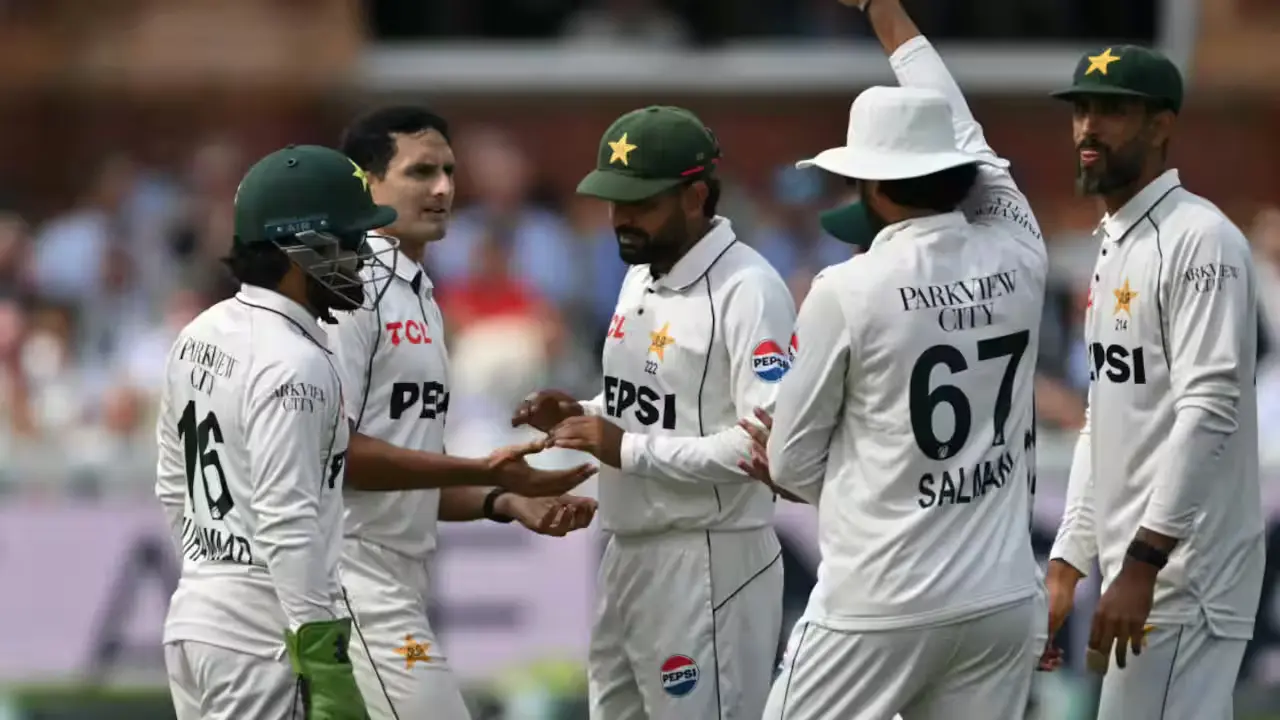
Match fixing? PCB takes Pakistan players’ phones into custody before England Test
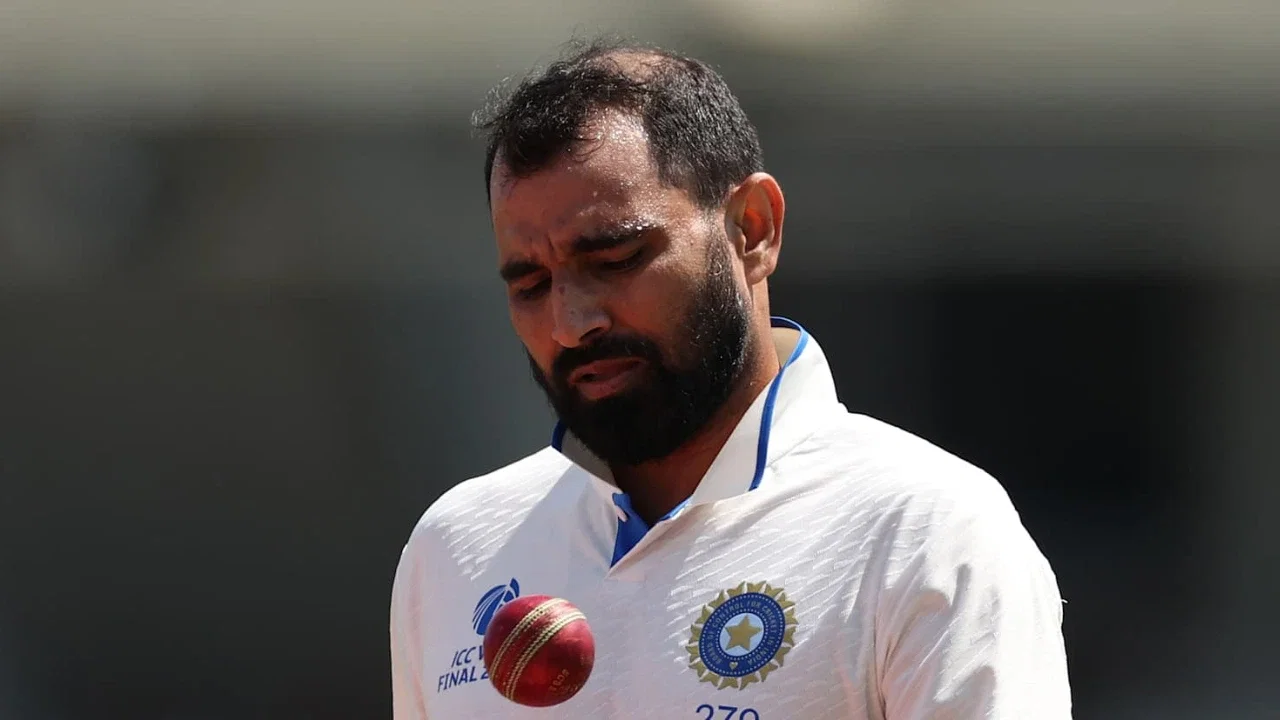
Mohammed Shami back in India comeback conversation as pace concerns grow
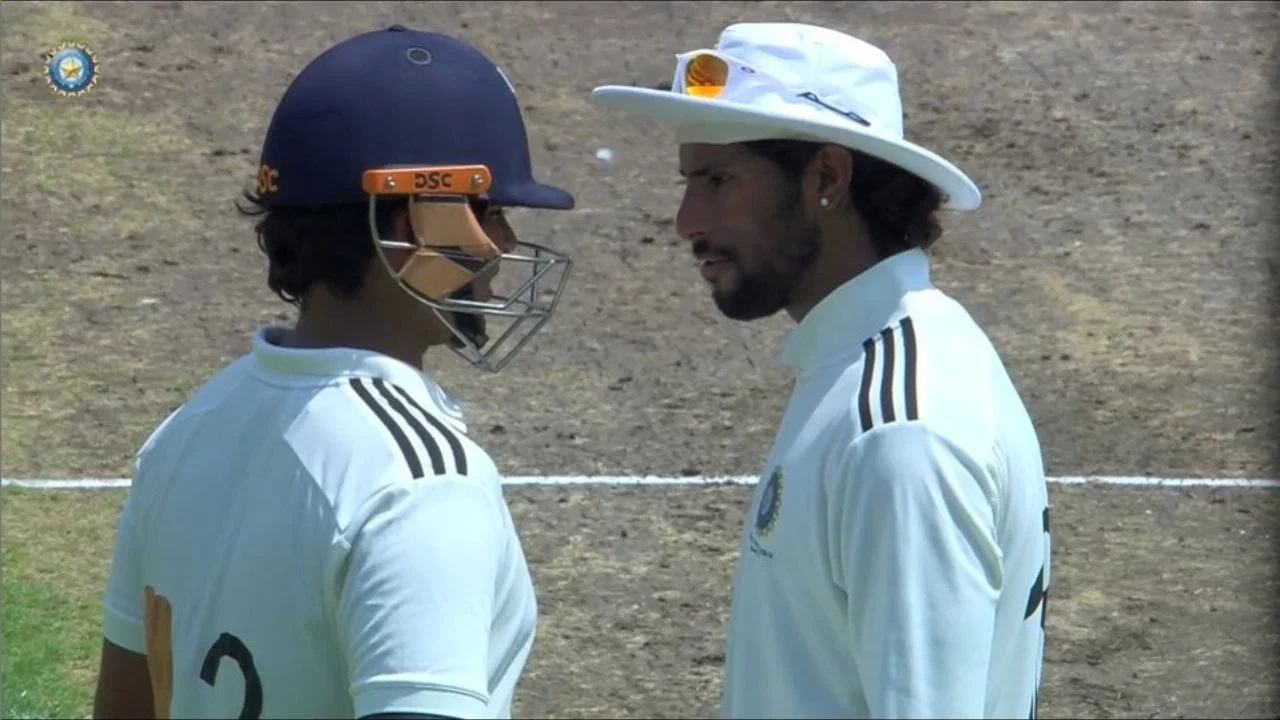
Watch: Tilak Varma sledges Vaibhav Sooryavanshi, exchange turns physical in Duleep Trophy
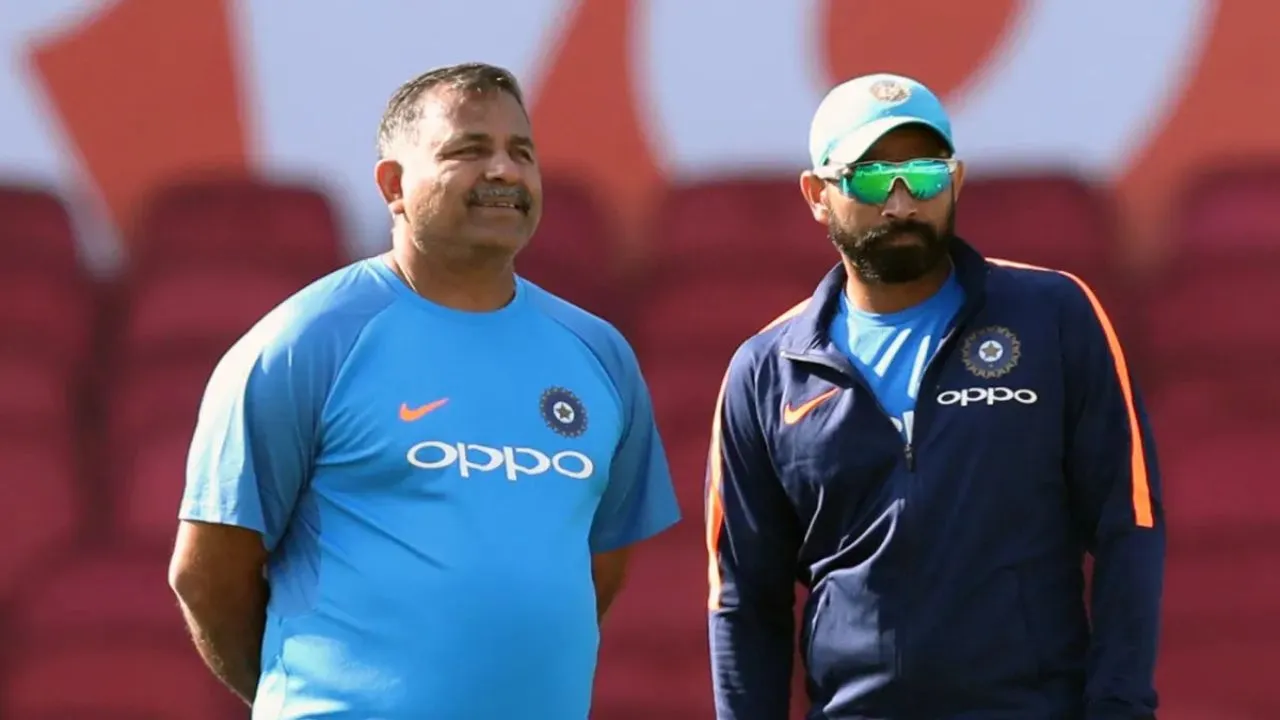
Mohammed Shami gets Bharat Arun’s backing for India comeback after 100th FC game

Vaibhav Sooryavanshi’s knockout record: Full list after Duleep Trophy final

Wahab Riaz hits back at Sana Mir over Pakistan Women’s team shake-up

S Sreesanth’s no-handshake with Sanju Samson at KCL presentation sparks rift speculation
PSL could move to January as PCB and team owners discuss plans

JAM-W vs GUY-W Dream11 Prediction Today Match, My11Circle Prediction, Dream11 Team Today, Fantasy Cricket Tips, Playing XI, Pitch Report, Injury Update- WCPL 2026, Match 2
SL-W vs BAN Dream11 Prediction Today Match, Dream11 Team Today, Fantasy Cricket Tips, Playing XI, Pitch Report, Injury Update- Women’s Asia Cup T20 2026, Match 10

Suresh Raina blames Virat Kohli for his early retirement
ADF vs RTD Dream11 Prediction Today Match, Dream11 Team Today, Fantasy Cricket Tips, Playing XI, Pitch Report, Injury Update- European T20 Cup 2026, Match 17
GLG vs ECR Dream11 Prediction Today Match, Dream11 Team Today, Fantasy Cricket Tips, Playing XI, Pitch Report, Injury Update- European T20 Cup 2026, Match 16