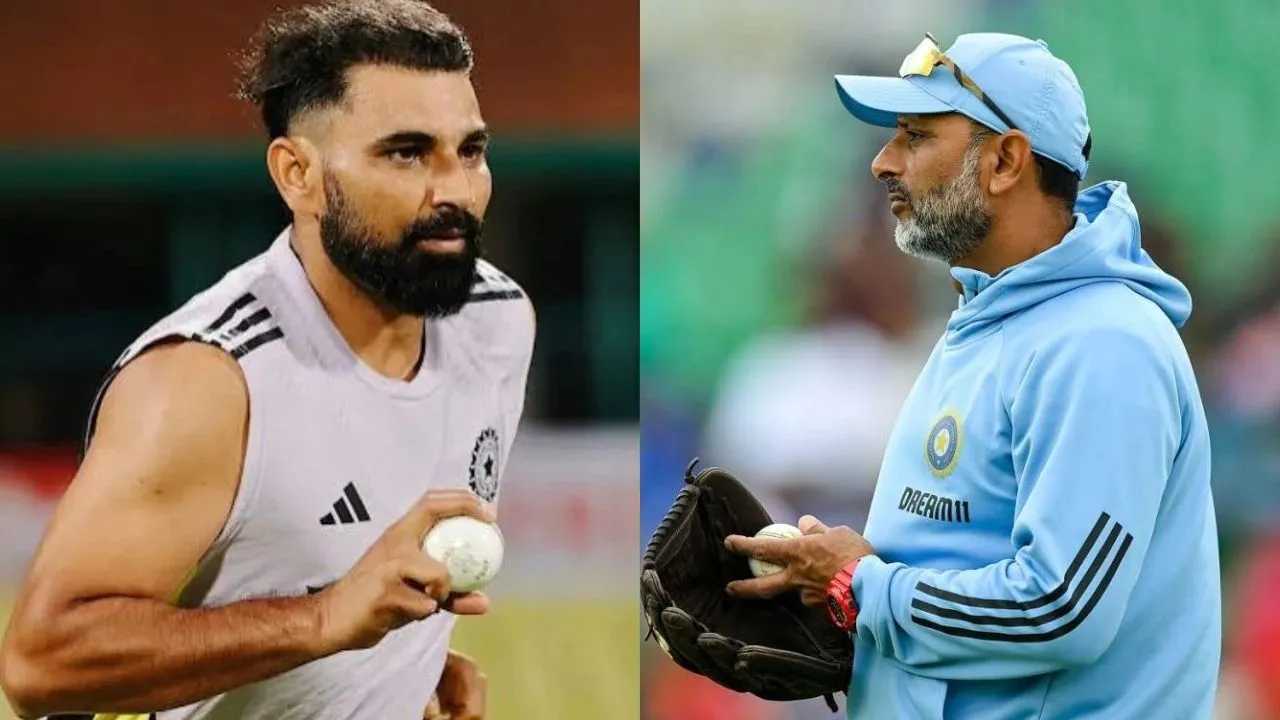
PSL Schedule Changed After Indian Broadcasters’ Exit
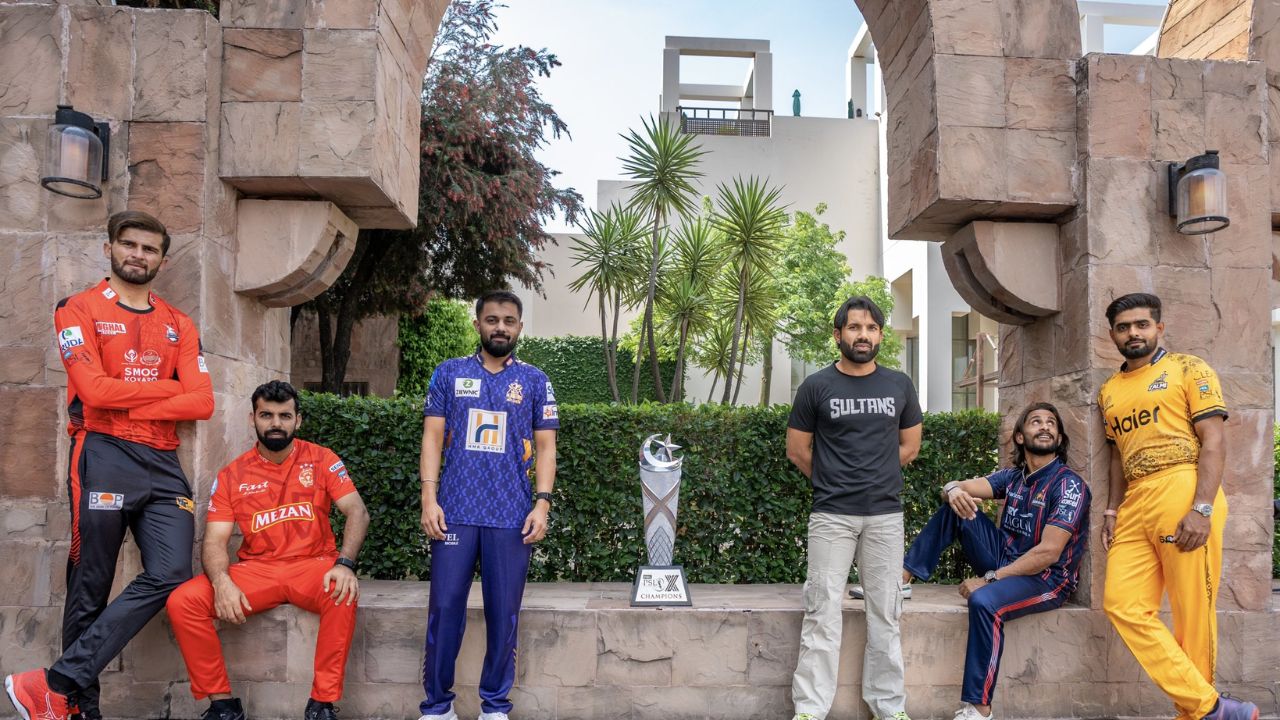
Pakistan Super League 2025 Faces Challenges Amid India-Pakistan Tensions
The ongoing Pakistan Super League 2025 (PSL 2025) is currently caught in the crossfire of escalating tensions between India and Pakistan following the tragic Pahalgam terrorist attack, which resulted in the loss of at least 28 innocent lives. This incident has further strained the already fragile diplomatic relations between the two nations, pushing them to one of their lowest points in recent times.
Changes in PSL 2025 Schedule
After FanCode suspended the live stream of PSL 2025 matches in India, the Pakistan Cricket Board (PCB) has been compelled to make significant changes. Reports suggest that the PCB is now planning to reschedule the PSL 2025 matches to accommodate broadcaster preferences.
According to a journalist from Samaa TV, two matches have had their dates altered, but the venues remain the same. The match between Multan Sultans and Karachi Kings, originally scheduled for May 1 at Multan Stadium, will now take place on May 6 at the Multan Cricket Stadium. Similarly, the day match between Multan Sultans and Quetta Gladiators on May 10 will now be an evening affair on May 11 at the same venue.
While these changes have been reported, the Pakistan Cricket Board and Pakistan Super League have not made any official announcements regarding the altered schedule.
PCB Sends Indian Nationals Back Home
Amid rising tensions between India and Pakistan, the Pakistan Cricket Board took the decision on Sunday, April 27, to send back 23 Indian nationals who were part of the PSL 2025 production and broadcast team in Pakistan. Following the Pahalgam terror attack, the Pakistani government had mandated that all Indian nationals working in the country for the PSL 2025 should leave by April 30.
A PCB official confirmed the safe return of the 23 Indian cameramen and technicians via the Wagah border from Lahore. To ensure the continuity of PSL broadcasts, the company managing production has brought in foreign and local workers as replacements for the Indian staff.
Dream11 Removes PSL 2025 Contests
After the devastating terror attack in Pahalgam, Dream11, India’s leading fantasy sports platform, has silently removed all Pakistan Super League 2025 matches from its contest list. Following FanCode’s removal of PSL-related content, Dream11 also took the step of excluding PSL 2025 matches from its platform as of April 24.
Users can no longer find any upcoming or live PSL games on the Dream11 app or website. This action reflects India’s united sporting response to Pakistan in the wake of the attack. In response, the Indian government has suspended the Indus Waters Treaty of 1960, closed the Attari border, and ordered all Pakistani nationals to leave India within a week, with additional repercussions felt in the sports realm.
As tensions continue to rise between the two nations, the future of sports collaborations and events remains uncertain, with the PSL 2025 caught in the middle of the political and diplomatic turmoil.
The Impact of Political Tensions on Sports
The recent developments surrounding the PSL 2025 highlight the intricate relationship between sports and politics, especially in the context of India and Pakistan. The long-standing political tensions between the two nations have often spilled over into the sporting arena, affecting not only cricket but various other sports as well. The PSL 2025 is just one example of how geopolitical issues can disrupt sporting events, impacting players, fans, and stakeholders alike.
Such instances underscore the need for sports bodies and organizations to navigate diplomatic challenges and maintain the integrity of the game. The decision to alter the PSL 2025 schedule and send back Indian nationals involved in the tournament reflects the complex dynamics at play and the efforts to mitigate potential disruptions caused by political conflicts.
The Role of Technology in Sports Broadcasting
The suspension of live streams and broadcasts of PSL 2025 matches in India by platforms like FanCode has significant implications for the accessibility and reach of the tournament. In an increasingly digital age, where technology plays a crucial role in sports broadcasting and fan engagement, disruptions due to political reasons can impact the overall viewership and commercial aspects of the event.
As sports leagues and organizations rely heavily on broadcasting rights and digital platforms to connect with audiences worldwide, any disruptions in this domain can have far-reaching consequences. The need for contingency plans and alternative strategies to ensure seamless broadcasting and viewership in such challenging circumstances becomes paramount for the sustainability of sporting events like the PSL 2025.
Sports Diplomacy in Times of Crisis
The removal of PSL 2025 contests from platforms like Dream11 exemplifies how sports and diplomacy intersect during times of crisis. Sporting events and collaborations often serve as arenas for cultural exchange and goodwill between nations, fostering a sense of unity and camaraderie among fans and players. However, political tensions can quickly overshadow these positive aspects, leading to disruptions and withdrawals from sports-related activities.
Efforts to manage such situations through sports diplomacy become crucial in maintaining open channels of communication and promoting mutual understanding between conflicting nations. While the PSL 2025 may be facing challenges due to the current geopolitical climate, the potential for sports to act as a bridge for dialogue and reconciliation should not be underestimated.
The Future of Sports Collaboration
As the situation between India and Pakistan remains tense, the future of sports collaborations and events, including the PSL 2025, hangs in the balance. The impact of political decisions on sports extends beyond immediate disruptions to the broader landscape of international sporting relations. The ability of sports bodies and organizations to navigate these challenges while upholding the spirit of fair play and sportsmanship will be crucial in shaping the future of sports collaborations in the region.
Despite the current uncertainties, there is hope that sports can transcend political divides and continue to serve as a platform for unity and shared experiences. The resilience of sports in the face of adversity underscores its potential to bridge gaps, foster connections, and promote peace amid turbulent times.
In conclusion, the challenges faced by the PSL 2025 amidst India-Pakistan tensions underscore the complexities of sports diplomacy and the need for resilience and adaptability in navigating geopolitical obstacles. As the tournament continues to unfold against the backdrop of strained relations, the role of sports in promoting understanding, dialogue, and unity takes on renewed significance.
Latest News
Top 10 highest run-chases in T20 cricket history, ft. West Indies’ Ranchi win vs India
Aaryavir Sehwag and Anvay Dravid set to make headlines at U19 Asia Cup 2026
Longest ducks in Test cricket history ft. Nic Maddinson, Shoaib Akhtar
ECB to offer 39 central contracts to England players after Ben Stokes, Mark Wood’s retirement
Steve Smith surpasses Steve Waugh in all-time Test run-scorers’ list
Shane Watson identifies Gautam Gambhir’s biggest problem as India struggle for consistency
Is Bhuvneshwar Kumar in India’s 2027 World Cup plans? Ajinkya Rahane makes revelation
BCCI’s big ₹127 Crore move after injury crisis raises concerns over Team India
Parthiv Patel reveals RCB ignored his Jasprit Bumrah recommendation in IPL 2014 Auction
“Never spoke ill of any faith”: Irfan Pathan hits back at fake news using his name
Nic Maddinson bags 33-ball duck on Test comeback, disappoints George Bailey
Imran Tahir predicts 2027 ICC ODI World Cup Semi-Finalists, snubs India for title
Australia create unwanted history with first all-30-plus Test XI
Ravindra Jadeja returns to Ranji Trophy as Saurashtra announce squad