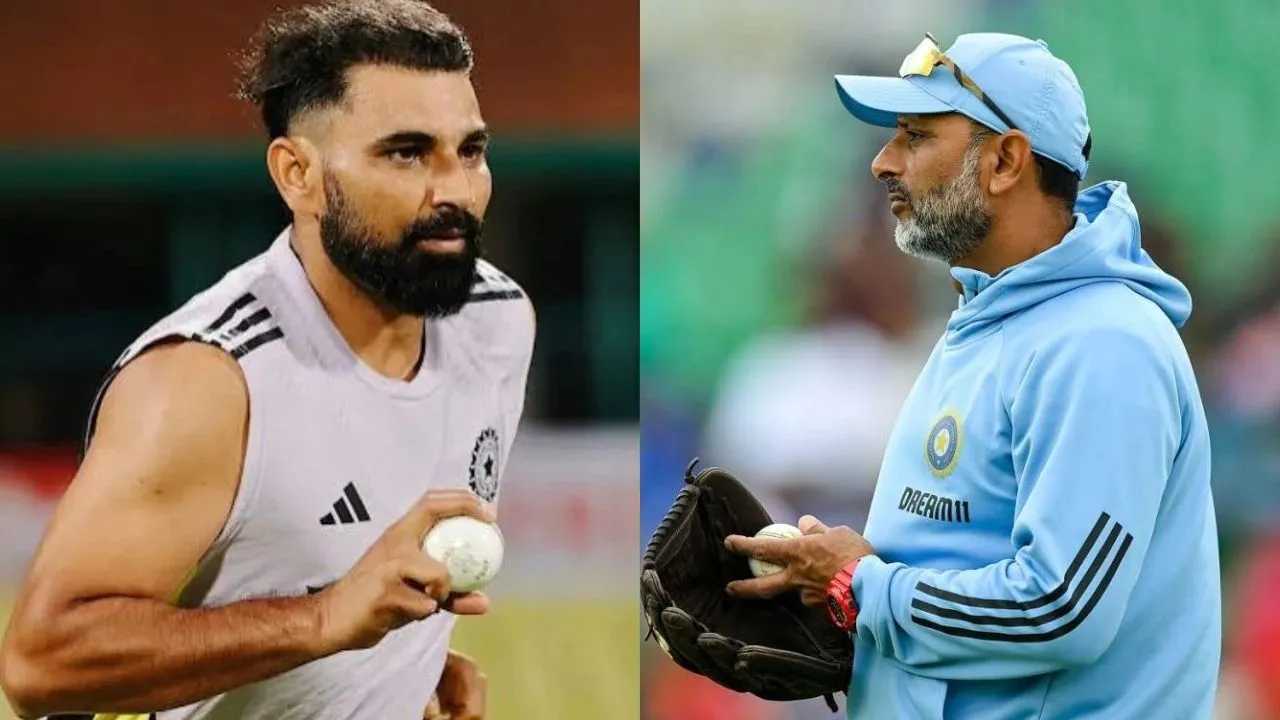
PSL’s future uncertain as team owners clash with PCB right before the season
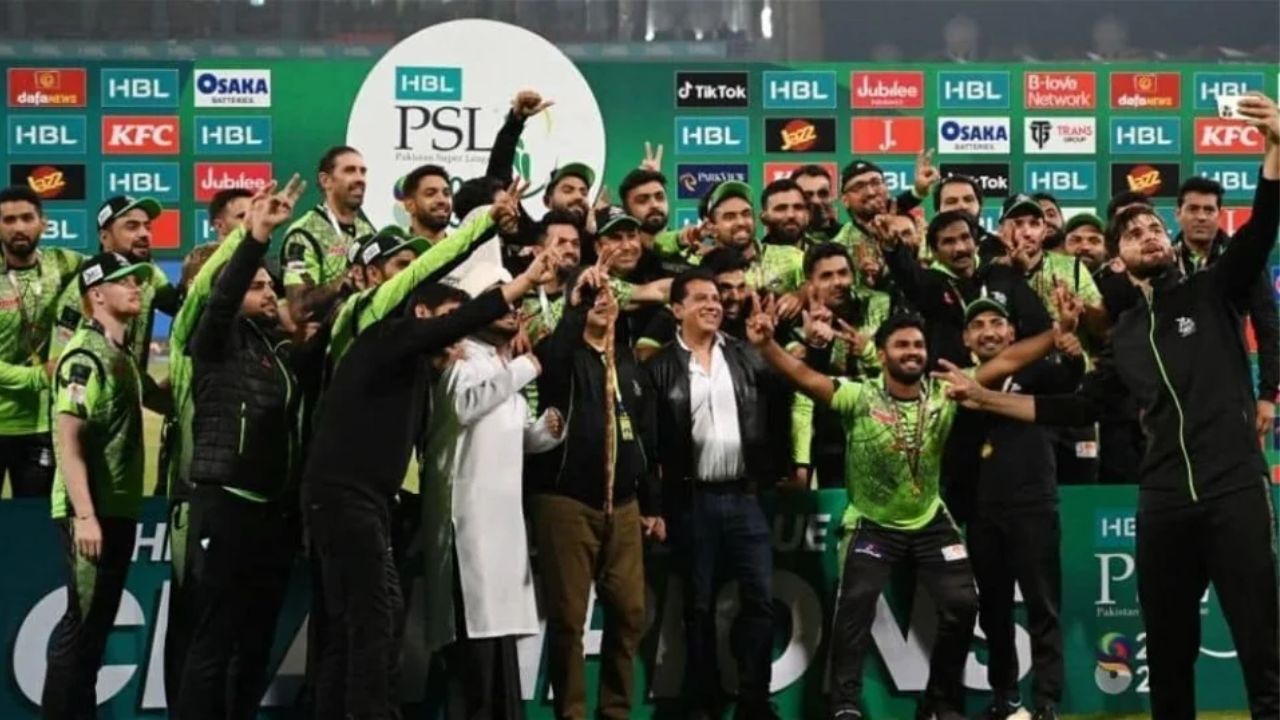
Tensions Rise Between PSL Team Owners and PCB Over Recent Controversies
As the Pakistan Super League (PSL) gears up for its upcoming season, tensions between team owners and the Pakistan Cricket Board (PCB) have reached a boiling point, casting a shadow of uncertainty over the tournament’s future. The latest controversy stems from the appointment of a former Multan Sultans official, Hijab Zahid, as a senior manager in the Pakistan Super League, sparking objections from some franchise owners.
Controversy Surrounding Hijab Zahid’s Appointment
Some team owners have raised concerns about a potential conflict of interest in Zahid’s appointment, as there was no formal advertisement by the PCB for the position. However, the PCB has defended the move, clarifying that Zahid’s role is temporary and does not require a public hiring process. Despite this explanation, the controversy continues to simmer, with questions about transparency and fairness lingering over the decision.
PCB Directors to Join Multan Sultans Amidst Speculation
Adding fuel to the fire, rumors have surfaced that two PCB directors are set to join Multan Sultans, raising further speculation about favoritism within the league. This development has only exacerbated the existing tensions between team owners and the governing body, with concerns about potential conflicts of interest and lack of accountability.
Salman Naseer Takes Over as CEO of Pakistan Super League
Amidst the upheaval, Salman Naseer, who recently assumed the role of CEO of the Pakistan Super League, is tasked with ensuring the smooth execution of the upcoming season. Naseer’s appointment comes on the heels of his removal as PCB’s Chief Operating Officer, signaling a significant shakeup in the league’s leadership.
Corbin Bosch’s PSL Withdrawal for IPL 2025
In another twist, South African all-rounder Corbin Bosch has clarified his decision to withdraw from the PSL 2025 in favor of the Indian Premier League (IPL) 2025. Initially signed to play for Peshawar Zalmi, Bosch’s last-minute switch to represent Mumbai Indians in the IPL has raised eyebrows among fans and cricket enthusiasts.
A Pakistani journalist quoted Bosch as emphasizing that his decision was not meant to disrespect the PSL but to prioritize his future opportunities, as Mumbai Indians offer a platform with teams across various franchise leagues, potentially benefiting his career in the long run.
Overall, the current state of affairs in the Pakistan Super League reflects a landscape fraught with controversies, power struggles, and uncertainties. As the league prepares to kick off its next season, all eyes will be on how these issues are resolved and how they impact the tournament’s integrity and credibility.
Impact of Controversies on PSL’s Image and Future
The ongoing tensions between PSL team owners and the PCB have not only created a sense of distrust within the league but also raised concerns about the overall image and future of the tournament. The lack of transparency surrounding key appointments and potential conflicts of interest could tarnish the league’s reputation and credibility in the eyes of fans, sponsors, and cricket governing bodies worldwide.
With rumors circulating about favoritism and power struggles within the PSL, there is a risk of damaging the integrity of the competition, which could deter top international players from participating in future seasons. The success and sustainability of the league depend on the trust and cooperation between stakeholders, and the current disputes threaten to undermine these crucial relationships.
Need for Strong Governance and Accountability
Amidst the turmoil, there is a growing call for stronger governance and accountability mechanisms within the PSL to ensure fair play, transparency, and ethical conduct. Clear guidelines on appointments, conflict of interest policies, and mechanisms for dispute resolution are essential to prevent similar controversies in the future and uphold the league’s credibility.
Establishing an independent oversight body or committee to oversee key decisions and address concerns raised by team owners could help restore trust and instill confidence in the PSL’s operations. By prioritizing good governance practices and ethical standards, the league can strengthen its position as a reputable and professional cricket competition.
The Role of Leadership in Resolving Conflicts
As Salman Naseer takes the helm as CEO of the Pakistan Super League, he faces the daunting task of navigating through the current conflicts and restoring harmony among stakeholders. Effective leadership, communication, and conflict resolution skills will be crucial in addressing the grievances of team owners, addressing concerns about transparency, and rebuilding trust within the league.
Naseer’s leadership will be tested in how he handles the ongoing controversies, implements fair and transparent processes, and fosters a culture of collaboration and respect among all parties involved. His ability to mediate disputes, listen to stakeholders’ perspectives, and enact meaningful reforms will be instrumental in shaping the PSL’s future and ensuring its long-term success.
International Player Exodus and its Implications
Corbin Bosch’s decision to withdraw from the PSL in favor of the IPL highlights a broader trend of international players prioritizing opportunities in other lucrative T20 leagues. The exodus of top talent from the PSL to leagues like the IPL poses a significant challenge for the tournament, as it may struggle to attract and retain top-tier players in the future.
To compete with other premier T20 leagues and maintain its status as a competitive and sought-after competition, the PSL must offer attractive incentives, competitive salaries, and a robust platform for players to showcase their talents. Building a reputation as a breeding ground for talent and providing opportunities for international exposure will be essential in retaining top players and ensuring the league’s competitiveness in the global cricket landscape.
As the PSL grapples with internal conflicts, external challenges, and the need for reforms, its ability to adapt, evolve, and uphold the highest standards of integrity will be critical in shaping its future trajectory. By addressing governance issues, fostering strong leadership, and prioritizing player retention, the PSL can overcome its current obstacles and emerge as a thriving and respected cricket league on the world stage.
Latest News
Top 10 highest run-chases in T20 cricket history, ft. West Indies’ Ranchi win vs India
Aaryavir Sehwag and Anvay Dravid set to make headlines at U19 Asia Cup 2026
Longest ducks in Test cricket history ft. Nic Maddinson, Shoaib Akhtar

ECB to offer 39 central contracts to England players after Ben Stokes, Mark Wood’s retirement

Steve Smith surpasses Steve Waugh in all-time Test run-scorers’ list

Shane Watson identifies Gautam Gambhir’s biggest problem as India struggle for consistency
Is Bhuvneshwar Kumar in India’s 2027 World Cup plans? Ajinkya Rahane makes revelation
BCCI’s big ₹127 Crore move after injury crisis raises concerns over Team India
Parthiv Patel reveals RCB ignored his Jasprit Bumrah recommendation in IPL 2014 Auction
“Never spoke ill of any faith”: Irfan Pathan hits back at fake news using his name
Nic Maddinson bags 33-ball duck on Test comeback, disappoints George Bailey
Imran Tahir predicts 2027 ICC ODI World Cup Semi-Finalists, snubs India for title
Australia create unwanted history with first all-30-plus Test XI
Ravindra Jadeja returns to Ranji Trophy as Saurashtra announce squad