

R Ashwin admits missing Virat Kohli while playing under Rohit Sharma
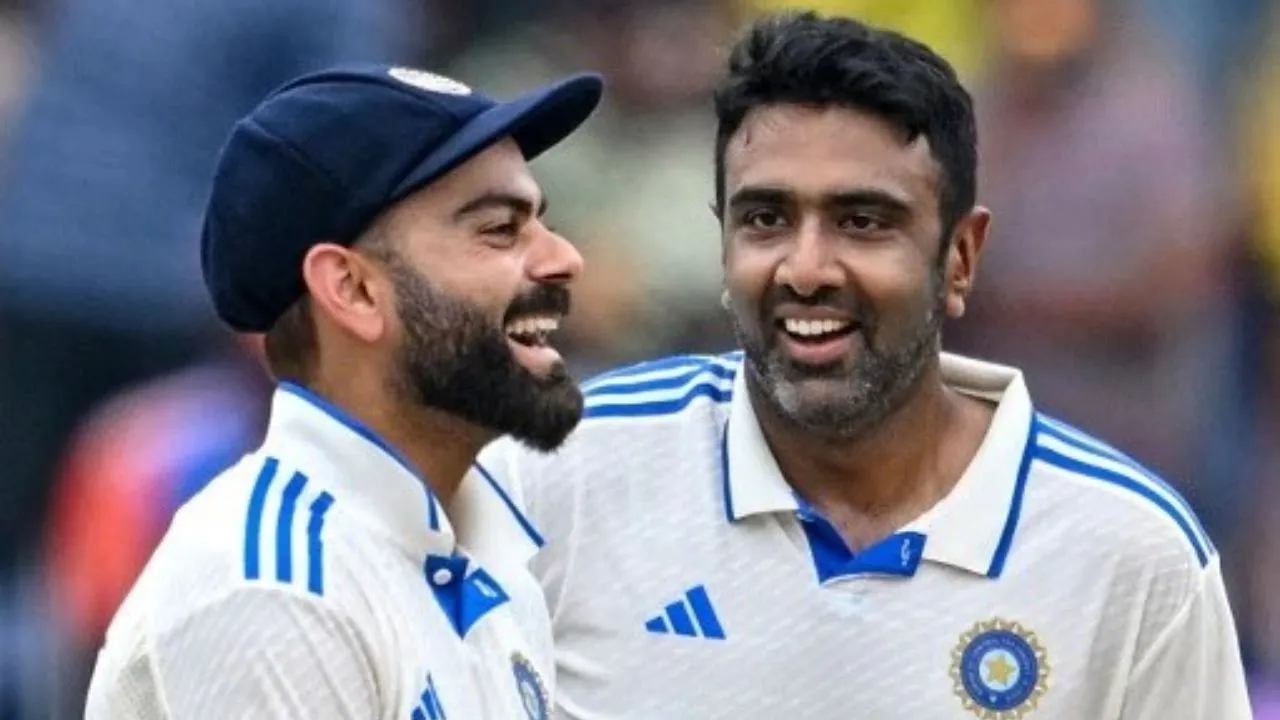
Ravichandran Ashwin Explains Why Virat Kohli’s Test Leadership Left a Lasting Mark
Former India spinner Ravichandran Ashwin has offered a personal perspective on Virat Kohli’s influence in Test cricket, describing the former captain as one of the format’s most influential figures. Speaking on a podcast hosted by former India opener Aakash Chopra, Ashwin said Kohli’s defining contribution was the intensity he brought to the team—an energy that, in Ashwin’s view, was especially noticeable when Kohli was no longer part of the side.
Ashwin’s comments arrive as India and New Zealand prepare for a two-match Test series beginning Thursday, November 19, at Wellington’s Basin Reserve. The contest carries significant importance in the race to reach the ICC World Test Championship (WTC) 2025–27 final. New Zealand are better placed in the qualification picture, while Shubman Gill’s India need a strong result, including at least one win, to keep their final hopes alive.
Ashwin Says Kohli Changed the Feel of Test Cricket
On the podcast, Ashwin called Kohli the “most influential Test cricketer,” pointing to the way his approach could alter the mood and tempo of a match. Kohli’s leadership was built around visible commitment, high standards and a willingness to compete intensely, whether India were defending a total or trying to force a result.
Ashwin acknowledged that Kohli’s intensity could sometimes seem excessive in particular situations. He said there were moments when he believed a more patient approach might have been useful. But Ashwin also came to appreciate the broader effect of Kohli’s style, particularly after the former captain was absent during a subsequent Test series in England.
“When he left captaincy, and we played a series in England, and he was not there, I missed him in that series,” Ashwin said, as quoted by Sportskeeda. He added that Kohli had found a way to push the team forward and maintain a distinctive competitive edge. In Ashwin’s assessment, that influence became clearest when the team no longer had it.
Intensity That Lifted Teammates and Supporters
Kohli’s on-field energy was not limited to his own performance, Ashwin explained. It could also lift teammates and energise spectators, helping create a sense that India were constantly looking to shape the game rather than simply respond to it.
Ashwin said the intensity could look amusing at times, but its impact was real. He recalled asking Kohli how he managed to sustain so much energy, even jokingly wondering what he ate. Kohli, however, never gave him a secret formula.
That relentless presence became an important part of Kohli’s identity as a Test captain. His teams were often associated with aggressive field settings, sharp body language and an emphasis on taking the initiative. While results in Test cricket depend on many factors—including conditions, selection and execution—Ashwin’s remarks highlight how a captain’s temperament can influence the collective mindset of a side.
A Relationship That Grew Stronger After the COVID Break
Ashwin also spoke about his relationship with Kohli, saying it improved after the COVID-19 break. The two senior players were part of India’s Test setup during a period of major transition, and Ashwin described a conversation that showed the personal connection behind their on-field partnership.
The discussion took place during the India-Australia series in which Ashwin decided to retire from international cricket. According to the spinner, he had not initially approached Kohli to discuss retirement. Instead, Kohli was talking about his batting and sharing his thoughts on the direction of the Indian Test team—speaking, Ashwin said, like a leader.
Kohli then asked Ashwin what he thought. Ashwin replied that his opinion would soon be less relevant because he was planning to retire. The news reportedly caught Kohli by surprise. Ashwin recalled that Kohli became emotional and asked how he had reached the decision.
The exchange offers a glimpse of the trust between two players who brought different strengths to India’s Test team. Kohli’s role was often defined by his batting, leadership and emotional drive, while Ashwin became one of India’s most accomplished spin bowlers and a thoughtful student of the game. Their conversation suggests that their relationship extended beyond tactics and selection, particularly as Ashwin considered the end of his international career.
Why Kohli’s Legacy in Tests Still Matters
Ashwin’s reflections add to the discussion around Kohli’s legacy as a Test captain and cricketer. His influence is not measured only through runs, victories or records, but also through the culture he helped promote: a belief that India could compete forcefully in every setting and pursue results away from home.
That legacy remains relevant as India enter another demanding Test assignment. The upcoming series against New Zealand will test the current team’s ability to handle pressure, adapt to conditions and maintain intensity over a sustained contest. With WTC qualification at stake, every session could carry consequences for the standings—and India will need leadership and composure as much as individual brilliance.
For fans looking ahead, any prediction about the series must account for the challenges of playing at the Basin Reserve, where conditions can reward disciplined bowling and patient batting. India’s task is clear: secure the results needed to remain in the WTC final race, while New Zealand will aim to strengthen their own position. Ashwin’s comments provide a timely reminder that, in Test cricket, the emotional tone a team brings to the field can matter almost as much as its plans.
Latest News

SA vs BAN Playing 11 Today, Live Streaming, Pitch & Weather: South Africa tour of Bangladesh 2026, 2nd Test

AUS vs ENG Playing 11 Today, Live Streaming, Pitch & Weather: England tour of Australia 2026, 2nd T20I

Blair Tickner ruled out of 2nd Test vs India, replacement named

Tim Paine and Justin Langer face fresh questions over Australia’s ball-tampering scandal

India tour of Bangladesh gets fresh hope as BCB confirms talks with BCCI

Tom Latham opens up on soft ball problem and saliva ban after draw against India

Ajinkya Rahane slams Tilak Varma for publicly criticising Shahbaz Ahmed after India A’s defeat

ICC to introduce IPL-style bat checks in international cricket

“Smiling Laughing doesn’t happen”: R Ashwin’s dig at India’s approach after draw vs New Zealand

“Not good enough for Test cricket”: Scott Styris, Sunil Gavaskar slam Wellington pitch

Dodda Ganesh declares India ‘out of WTC final race’ after Wellington Test draw

Ajinkya Rahane criticises Shubman Gill for abusing Akash Deep in 1st Test vs New Zealand

‘Why so many boundary riders?’ Dinesh Karthik questions Shubman Gill’s captaincy after Wellington Test

“I just want to enjoy my life”: Yash Dayal reflects on his return to cricket


