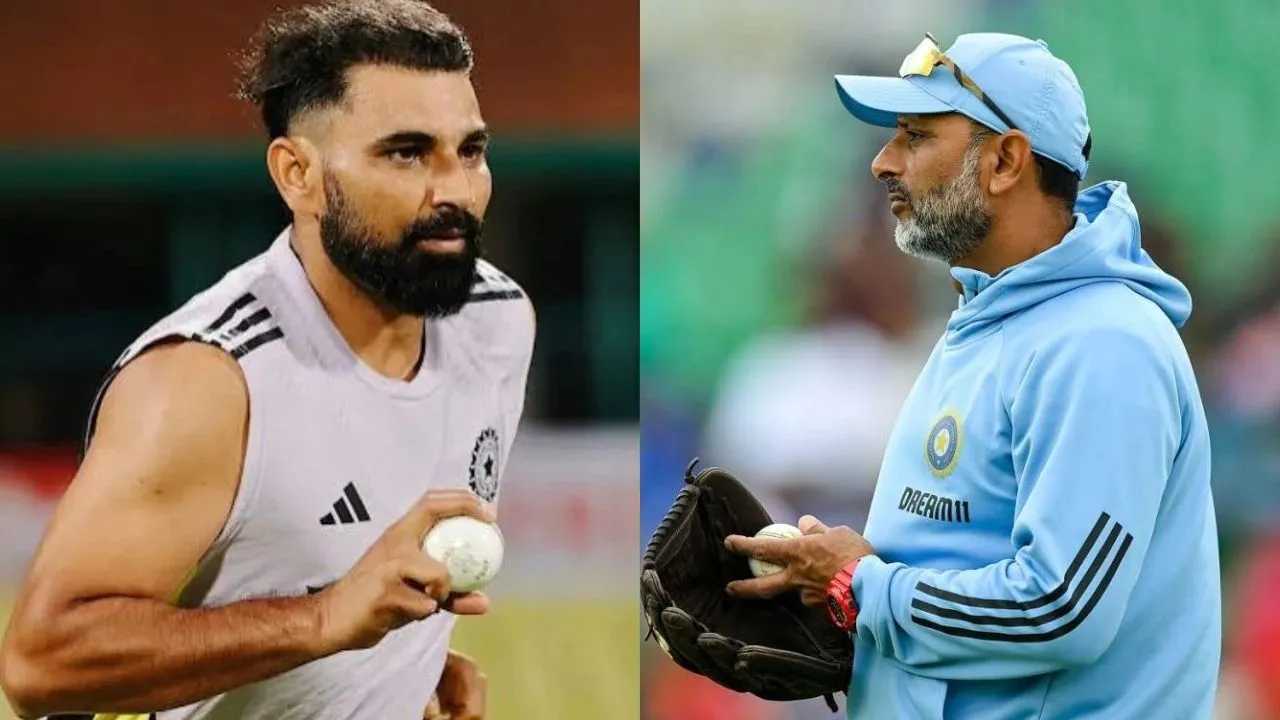
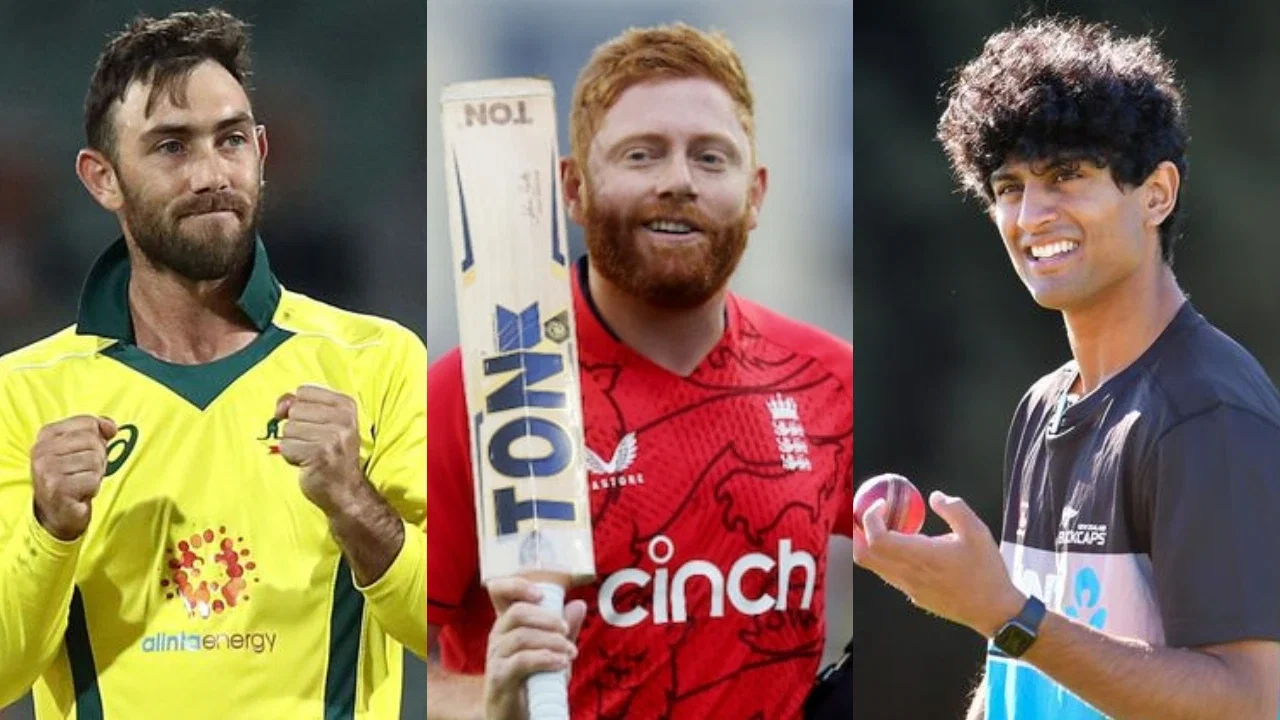
Rachin Ravindra to Glenn Maxwell: 5 bizarre freak injuries suffered by cricketers
Unforeseen Injuries in Cricket: When Routine Activities Turn into Unexpected Setbacks
Cricket, a sport celebrated for its precision, agility, and strategic depth, often witnesses players battling injuries sustained during intense matches or rigorous training sessions. However, sometimes, the most startling injuries occur in the most mundane or unexpected circumstances, reminding fans and analysts alike that even off the field, cricketers are vulnerable to bizarre accidents. These incidents not only disrupt players’ careers but also raise questions about safety, preparedness, and the unpredictability inherent in sports and daily life. In this article, we delve into some of the most astonishing cricket injuries, explore the predictions surrounding such incidents, and analyze what these mishaps reveal about the physical challenges faced by modern cricketers.
Predicting the Unpredictable: The Nature of Strange Cricket Injuries
While injuries during matches are often anticipated, especially given the physical demands of cricket, the prediction of bizarre injuries that happen outside of game situations remains a complex challenge. These incidents serve as stark reminders that accidents can occur anywhere—during promotional shoots, casual walks, or even in dressing rooms. Advances in sports medicine and injury prevention strategies aim to mitigate these risks, yet the unpredictable nature of such injuries continues to surprise even seasoned experts.
Top 5 Bizarre Injuries Suffered by Cricketers: An In-Depth Look
1. Rachin Ravindra’s Shoulder Dislocation During a Promotional Shoot
The New Zealand rising star Rachin Ravindra became the latest cricketer to experience a freak injury when he dislocated his shoulder during a commercial shoot with broadcaster Sky on September 16, 2026. The incident was particularly startling because Ravindra was simply recreating a cricketing moment—performing a diving catch stunt—when he landed awkwardly, leading to the dislocation. This episode underscores how even routine promotional activities can turn perilous, highlighting the importance of safety protocols during non-match activities.
Ravindra’s injury came at a critical juncture, as he was an integral part of New Zealand’s future plans. His recovery is now under close scrutiny, especially with upcoming international fixtures against India, where his performance could be pivotal. This incident prompts a broader prediction: as cricketers increasingly participate in promotional and media engagements, the risk of such bizarre injuries might rise unless strict safety measures are adopted.
2. Glenn Maxwell’s Leg Fracture at a Birthday Celebration
Australian all-rounder Glenn Maxwell experienced a dramatic injury in November 2022, which exemplifies how everyday activities can unexpectedly derail a player’s season. Maxwell was attending a friend’s birthday party in Melbourne, engaged in playful banter and running around in the backyard. Tragically, both Maxwell and his friend slipped on artificial grass; his foot got caught as his friend fell onto his leg, resulting in a fractured left fibula and ligament damage around his ankle.
This injury was a significant setback for Maxwell, who had to undergo surgery and was sidelined for nearly six months. His rehabilitation process was arduous, but it ultimately led to a historic comeback, including a double century at the 2023 ODI World Cup—one of the most memorable moments of his career. The prediction here is that cricketers must remain vigilant even in informal settings, as accidents like Maxwell’s highlight the importance of maintaining awareness and caution beyond the cricket field.
3. Jonny Bairstow’s Golf Accidental Break in His Leg
In 2022, England’s Jonny Bairstow was enjoying a period of stellar form, having scored over 1,000 runs in Test cricket that summer. However, his promising phase was abruptly halted by a freak golf accident at Pannal Golf Club in Yorkshire. While walking towards a tee, Bairstow slipped and fractured his left fibula in three places, dislocating his ankle severely. The injury necessitated major surgery involving a five-inch metal plate and screws to stabilize his lower leg.
The impact of this injury was profound. Bairstow missed the T20 World Cup in Australia and faced a lengthy, arduous rehabilitation process, with fears of permanent mobility issues. Yet, demonstrating resilience, he returned to international cricket by May 2023, proving that even the most bizarre accidents can be overcome with proper medical care and mental toughness. This incident underscores the prediction that players’ off-field activities—like golf—must be approached with caution, especially during busy competitive seasons.
4. Ben Foakes’ Dressing Room Slip and Hamstring Tear
In a truly unusual case, England wicketkeeper Ben Foakes sustained a torn hamstring after slipping inside the Surrey dressing room in May 2021. The incident occurred after a domestic match, and the injury was caused by simply slipping while wearing socks—an everyday activity that unexpectedly turned serious. The injury sidelined Foakes for three to four months, preventing him from participating in crucial series against New Zealand and India.
Foakes’ injury highlights the unpredictability of muscle injuries and the importance of caution even during seemingly harmless activities. Despite the frustration, he made a remarkable comeback, scoring a century against South Africa. The prediction here is that cricketers and support staff should prioritize injury prevention strategies even in routine routines, including proper footwear and awareness during off-field moments.
5. Quinton de Kock’s Knee Injury While Walking His Dogs
The South African wicketkeeper-batsman Quinton de Kock’s injury in January 2016 serves as a reminder of how everyday chores can interfere with professional commitments. While walking his two Jack Russell terrier sisters, de Kock twisted his right knee, resulting in a sprain that kept him out of the subsequent Test against England. Fortunately, scans revealed only a mild sprain, but the incident temporarily disrupted his promising form.
De Kock’s quick recovery and subsequent stellar performances, including a maiden Test century, exemplify the resilience cricketers need to bounce back from unexpected setbacks. The prediction from this episode is that cricketers should remain vigilant in daily activities, emphasizing injury prevention even during casual walks or routine tasks.
Broader Insights and Future Predictions
The analysis of these bizarre injuries reveals a pattern: even routine, non-sporting activities pose risks to cricketers. As the sport continues to evolve—with increased media exposure, promotional events, and off-field commitments—the prediction is that the frequency of such accidents might increase unless proactive safety measures are implemented.
Sports scientists and medical teams are now focusing more on injury prevention programs tailored for off-field activities. These include comprehensive safety protocols during promotional shoots, awareness campaigns for players about everyday hazards, and improved safety gear even in casual settings. The goal is to minimize the risk, enabling players to maintain peak performance levels and avoid career-threatening injuries.
Additionally, advancements in injury prediction models, incorporating data analytics and biomechanics, are expected to enhance the ability to foresee potential injury hotspots. For example, predicting the likelihood of slips, falls, or awkward landings based on activity type and environment can help teams develop targeted preventive strategies.
Conclusion: The Need for Vigilance Beyond the Boundary Line
Injuries in cricket are often viewed through the lens of athletic exertion and match intensity, but the stories of Ravindra, Maxwell, Bairstow, Foakes, and de Kock underscore a broader reality: cricketers are vulnerable in everyday life as well. The prediction for the future is clear—players, coaches, and support staff must adopt a holistic approach to injury prevention that extends beyond the cricket pitch.
As the sport grows in popularity across the globe, with increasing media attention and commercial commitments, maintaining player health remains paramount. Recognizing the potential for bizarre injuries and implementing proactive measures will be critical in safeguarding players’ careers and ensuring the sport’s continued excitement and unpredictability.
Ultimately, these incidents serve as valuable lessons—reminding everyone involved in cricket that safety is a continuous priority, both on and off the field. By understanding the prediction of such injuries and taking preventive steps, the cricketing community can reduce the incidence of unexpected setbacks and keep the game safe, competitive, and thrilling for fans worldwide.
Latest News
Top 10 highest run-chases in T20 cricket history, ft. West Indies’ Ranchi win vs India
Aaryavir Sehwag and Anvay Dravid set to make headlines at U19 Asia Cup 2026
Longest ducks in Test cricket history ft. Nic Maddinson, Shoaib Akhtar
ECB to offer 39 central contracts to England players after Ben Stokes, Mark Wood’s retirement
Steve Smith surpasses Steve Waugh in all-time Test run-scorers’ list
Shane Watson identifies Gautam Gambhir’s biggest problem as India struggle for consistency
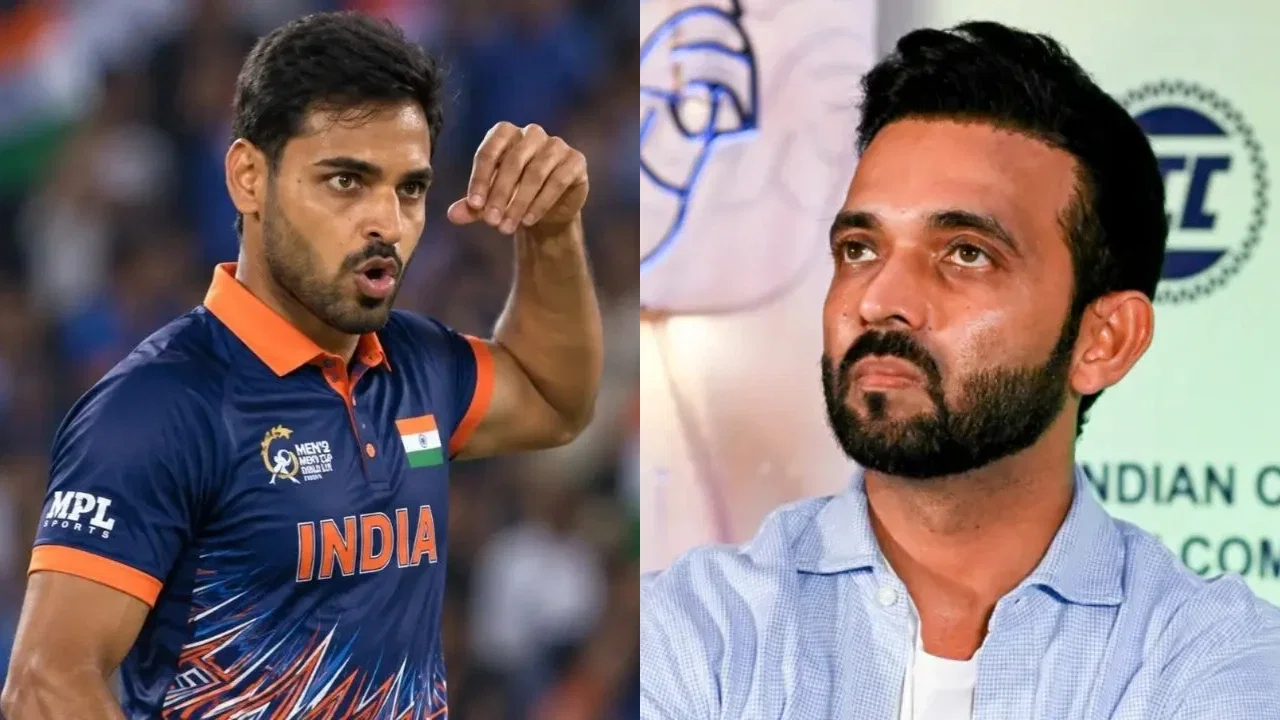
Is Bhuvneshwar Kumar in India’s 2027 World Cup plans? Ajinkya Rahane makes revelation
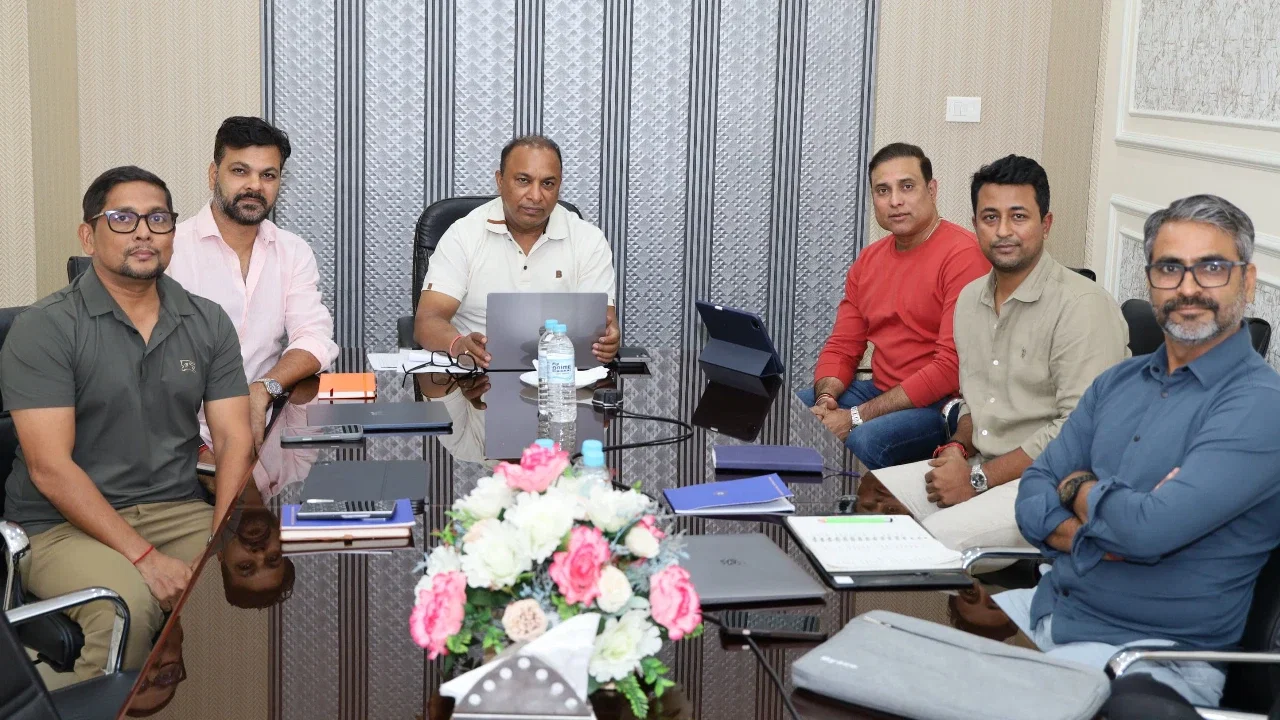
BCCI’s big ₹127 Crore move after injury crisis raises concerns over Team India
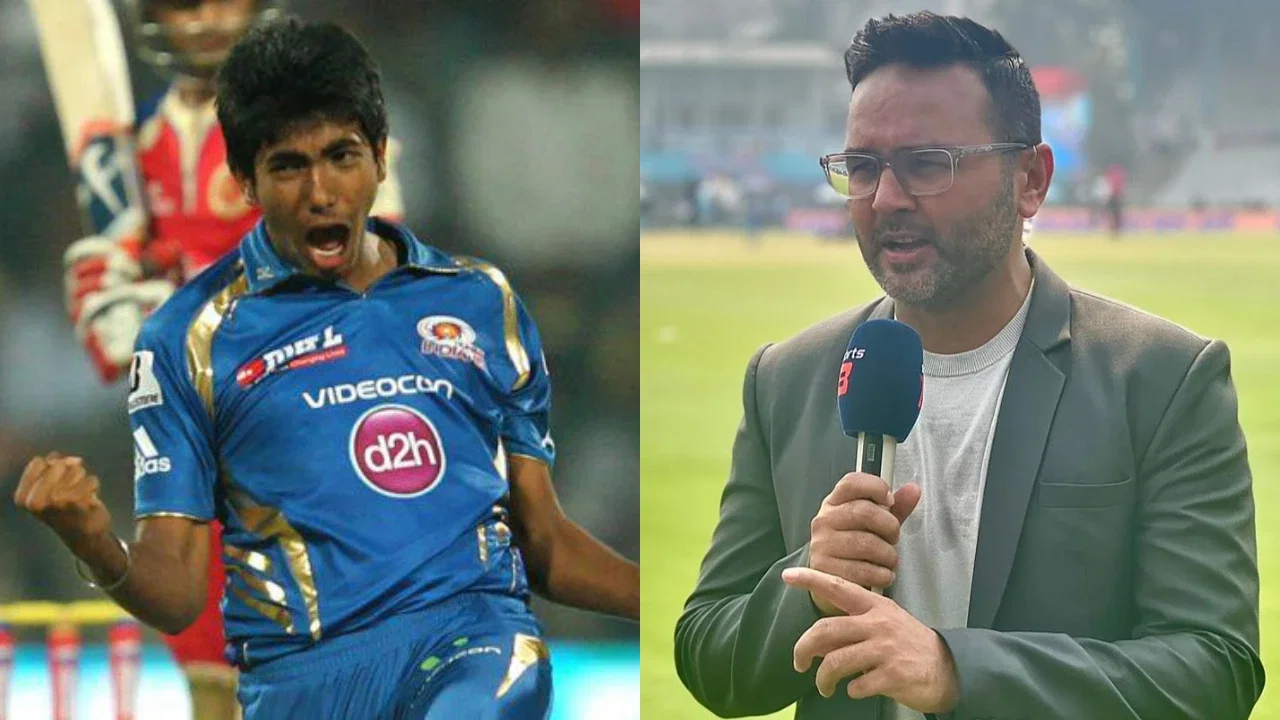
Parthiv Patel reveals RCB ignored his Jasprit Bumrah recommendation in IPL 2014 Auction
“Never spoke ill of any faith”: Irfan Pathan hits back at fake news using his name
Nic Maddinson bags 33-ball duck on Test comeback, disappoints George Bailey
Imran Tahir predicts 2027 ICC ODI World Cup Semi-Finalists, snubs India for title
Australia create unwanted history with first all-30-plus Test XI
Ravindra Jadeja returns to Ranji Trophy as Saurashtra announce squad