

Rahul Dravid gets key role ahead of 2030 Commonwealth Games
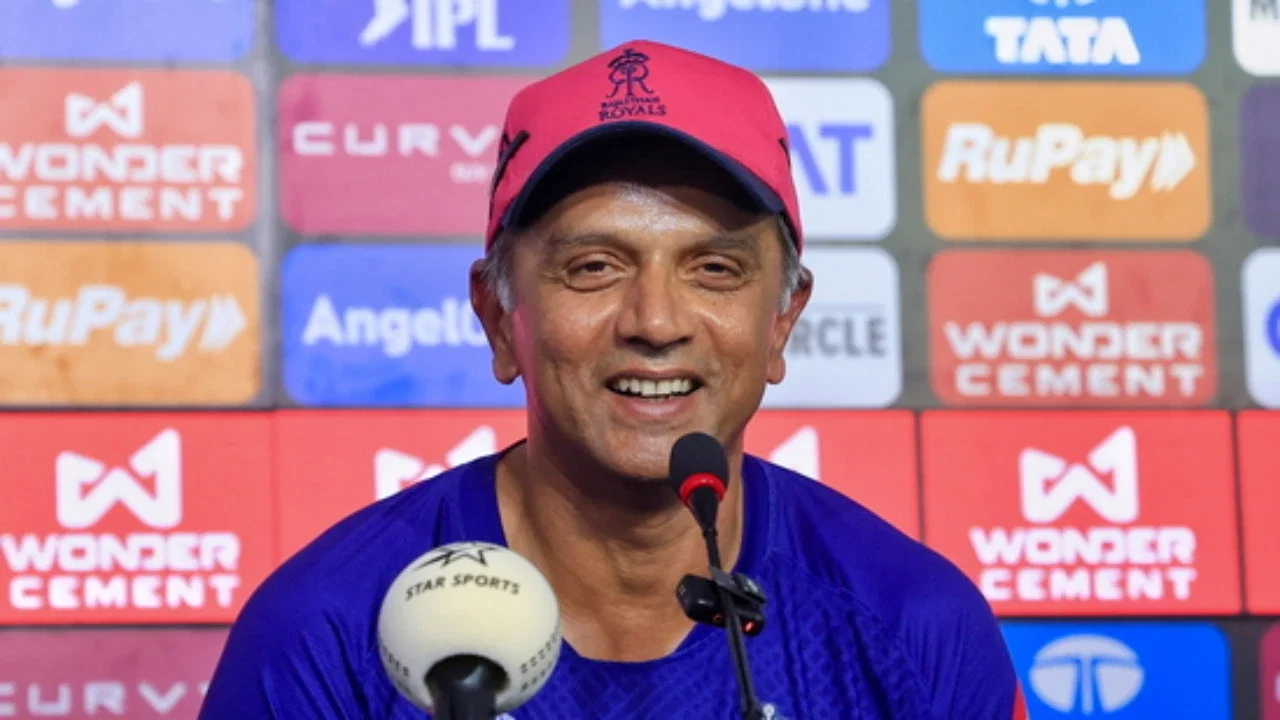
Rahul Dravid and Saina Nehwal Nominated for 2030 Commonwealth Games Organising Board
India has begun laying the groundwork for the 2030 Commonwealth Games, with two of its most respected sporting figures, former India cricket captain Rahul Dravid and badminton star Saina Nehwal, nominated for roles on the event’s organising company board. Their appointments have been reported but are not yet confirmed: neither has publicly said whether they will accept the position.
The nominations are part of a broader effort to bring experience from sport, government and business into the body responsible for planning and delivering the Games. The event is expected to require years of coordination, from venue preparation and athlete services to transport, security and public engagement. Adding athletes and former coaches to the governance structure could help organisers consider competitors’ needs as those plans take shape.
Sports and private-sector representatives join the board plan
According to reporting by The Indian Express, the Union Sports Ministry selected Dravid and Nehwal as representatives from the sporting community. Their proposed roles would place two high-profile figures with different backgrounds—international cricket and Olympic badminton—within the planning framework for the 2030 competition.
Two nominees from the private sector have also been named: Jinal Mehta, associated with the ownership of Indian Premier League franchise Gujarat Titans and managing director of Torrent Power, and entrepreneur Ananya Birla. Their inclusion is intended to bring business and organisational experience to a project that will involve substantial logistics, investment and collaboration across public and private institutions.
Gujarat Deputy Chief Minister Harsh Sanghavi is set to chair the committee. Union Sports Secretary Hari Ranjan Rao and Indian Olympic Association president P. T. Usha are expected to serve as vice-chairpersons. Senior Gujarat government official M. Thennarasan has been appointed chief executive officer, according to the report.
The final structure and the nominees’ participation will be important to watch as preparations move forward. At the time of the reports, Dravid and Nehwal had not responded to requests for comment. Their nomination should therefore not be treated as confirmation that they have formally accepted the positions.
Why athlete representation matters for Games planning
Major sporting events are often judged not only by the quality of competition but also by how well they serve athletes, teams and spectators. Organisers must plan for training facilities, accommodation, medical support, accessibility, competition schedules and reliable transport between venues. Athletes who have competed at the highest level can offer practical insight into how those arrangements work in real conditions.
A source quoted by The Indian Express described the aim as building a credible governance structure, adding that Dravid and Nehwal could help bring athletes’ perspectives into the planning and delivery process. Their experience may prove useful in identifying gaps between administrative plans and the day-to-day realities of competition.
There is also a wider public dimension. Well-known sporting figures can help communicate the purpose of the Games and encourage interest among young people and fans. However, effective governance will depend on more than prominent names: clear responsibilities, transparent decision-making and consistent coordination between the organising body and government agencies will be essential.
Dravid’s experience beyond the cricket field
The proposed appointment would not be Dravid’s first involvement in athlete development or sports administration. In 2014, he joined the Board of Advisors of GoSports Foundation, a non-profit organisation supporting Indian athletes. He also launched the Rahul Dravid Athlete Mentorship Programme, reflecting an interest in helping competitors develop beyond the immediate demands of their sport.
Dravid is not currently coaching a national team. His most recent reported role in the Indian Premier League was with Rajasthan Royals during the 2025 season, after which the franchise parted ways with him. He is also involved in the European T20 Premier League, where he serves as chairman and co-owner of the Dublin Guardians franchise alongside former India spinner Ravichandran Ashwin.
These roles suggest that Dravid’s work in sport has continued outside the national coaching setup. If he accepts the Commonwealth Games nomination, the focus would shift from team performance to governance and event planning—areas where long-term thinking, collaboration and an understanding of athletes’ needs could be particularly valuable.
A look back at Dravid’s record as India head coach
Dravid took charge of India’s men’s team in late 2021 and oversaw a successful period across all three international formats. In T20 internationals, India won 48 of 69 matches during his tenure. The team reached the semi-finals of the 2022 T20 World Cup in Australia before winning the 2024 tournament in the West Indies.
In one-day internationals, India reached the 2023 World Cup final under Dravid and captain Rohit Sharma, eventually finishing as runners-up to Australia. The side won 41 of 56 ODIs during the period, demonstrating strong consistency through a demanding cycle of bilateral series and major tournaments.
India also recorded 14 victories in 24 Test matches under Dravid and qualified for the 2023 World Test Championship final. Although the final results varied across formats, the team remained a leading force in international cricket throughout his coaching tenure.
What to watch next
The key question now is whether Dravid and Nehwal will accept their nominations and what responsibilities they would hold if they join the board. Further announcements should clarify the committee’s scope, its working arrangements and how athlete representatives will contribute to decisions.
For India, the 2030 Commonwealth Games represent a significant organisational challenge as well as an opportunity to showcase its sporting infrastructure and capacity to host a major international event. A strong prediction at this early stage is that the success of the planning effort will depend on turning high-profile appointments into practical oversight, measurable targets and athlete-centred delivery. The board’s composition has attracted attention; its effectiveness will ultimately be judged by how well it prepares the Games for competitors, visitors and the wider public.
Latest News

SA vs BAN Playing 11 Today, Live Streaming, Pitch & Weather: South Africa tour of Bangladesh 2026, 2nd Test

AUS vs ENG Playing 11 Today, Live Streaming, Pitch & Weather: England tour of Australia 2026, 2nd T20I

Blair Tickner ruled out of 2nd Test vs India, replacement named

Tim Paine and Justin Langer face fresh questions over Australia’s ball-tampering scandal

India tour of Bangladesh gets fresh hope as BCB confirms talks with BCCI

Tom Latham opens up on soft ball problem and saliva ban after draw against India

Ajinkya Rahane slams Tilak Varma for publicly criticising Shahbaz Ahmed after India A’s defeat

ICC to introduce IPL-style bat checks in international cricket

“Smiling Laughing doesn’t happen”: R Ashwin’s dig at India’s approach after draw vs New Zealand

“Not good enough for Test cricket”: Scott Styris, Sunil Gavaskar slam Wellington pitch

Dodda Ganesh declares India ‘out of WTC final race’ after Wellington Test draw

Ajinkya Rahane criticises Shubman Gill for abusing Akash Deep in 1st Test vs New Zealand

‘Why so many boundary riders?’ Dinesh Karthik questions Shubman Gill’s captaincy after Wellington Test

“I just want to enjoy my life”: Yash Dayal reflects on his return to cricket


