Ranchi likely to lose BGT Test as BCCI considers three alternative venues: Report

Ranchi Faces Uncertainty as Venue for Fourth Test in Border-Gavaskar Trophy Might Be Replaced
The upcoming five-match Test series between India and Australia, part of the prestigious Border-Gavaskar Trophy, is generating considerable buzz not only for its high-stakes cricket but also for potential venue changes that could reshape the schedule. Originally slated to be hosted across five iconic Indian venues—Nagpur, Chennai, Guwahati, Ranchi, and Ahmedabad—the series now faces an unexpected challenge: the possibility that Ranchi might lose its spot as the host for the crucial fourth Test match.
Why Is Ranchi Under Scrutiny?
The core of the debate revolves around the phenomenon of early sunsets during the winter months in Ranchi, Jharkhand. Scheduled from January 21 to February 27, the series coincides with a period when daylight hours are significantly shorter in eastern India. The Indian team management, along with the Board of Control for Cricket in India (BCCI), has expressed concerns that limited daylight could hinder the smooth conduct of the match, especially given the traditional five-day format of Test cricket.
While the original schedule was carefully planned to include matches in Nagpur, Chennai, Guwahati, Ranchi, and Ahmedabad, recent discussions indicate that Ranchi’s early sunset times—sometimes as early as 5:30 PM—could force the match to end prematurely, thus reducing the window for play and potentially affecting the quality of the contest.
Potential Alternative Venues: Visakhapatnam, Hyderabad, and Rajkot
In response to these concerns, the BCCI is reportedly exploring alternative venues that can better facilitate the match and ensure an uninterrupted five-day Test. The frontrunners being considered are Visakhapatnam, Hyderabad, and Rajkot—cities with more favorable daylight conditions during the winter months.
Visakhapatnam, located on the southeastern coast of India, offers extended daylight hours and a climate conducive to cricket during this time of year. Hyderabad and Rajkot, both in western India, also have suitable weather conditions, making them viable candidates for hosting the crucial fourth Test.
However, it is important to note that no official decision has been announced yet. The BCCI is weighing the logistical and strategic implications of venue changes, including travel arrangements, pitch conditions, and local support for the teams.
Impact of Weather and Winter Conditions on Venue Selection
Beyond daylight concerns, winter weather in Ranchi can also pose challenges for pitch preparation and match conditions. Cold temperatures can affect the pitch’s behavior, making it difficult for groundsmen to prepare surfaces that remain consistent over five days of play. The Indian team management has expressed a preference for venues where the winter climate is milder, ensuring optimal playing conditions and reducing the risk of pitch deterioration.
Guwahati’s Role and the Question of Venue Change
The third Test of this series is set to be hosted at the Dr. Bhupen Hazarika Cricket Stadium in Guwahati, Assam. Given its eastern location, Guwahati faces similar issues with early sunsets, which could also impact the match schedule. Despite initial speculation about moving this fixture, sources suggest that the BCCI is unlikely to shift the venue at this stage.
To mitigate daylight constraints, organizers are considering adjusting the start time of the match—potentially beginning about 30 minutes earlier than the traditional start time. Such a change aims to maximize playing hours while maintaining the integrity of the game. This approach underscores the BCCI’s commitment to ensuring that the series proceeds smoothly without compromising the quality of cricket.
Interestingly, the decision to retain Guwahati as the venue appears to be unaffected by the fact that Dwijit Saikia, the BCCI secretary, hails from Assam. The focus remains on logistical and environmental factors rather than regional influences.
Prediction and the Stakes: India’s Quest for WTC Qualification
As venue discussions unfold, the importance of this series extends beyond mere schedule logistics. India’s ongoing pursuit of a place in the 2027 World Test Championship (WTC) final adds a layer of urgency and prediction to the upcoming matches. Currently ranked fifth in the WTC standings, India is vying to improve its points percentage and secure a top-two finish to qualify for the coveted final.
India holds 68 points with a points percentage of 51.52%, trailing behind Australia, which leads with 96 points and an 80% points percentage. The recent series against Sri Lanka highlighted India’s potential, with a commanding 165-run victory in Galle, but also underscored the need for consistency across the remaining matches.
With five Tests remaining in the cycle, each match becomes critical in dictating India’s prediction for qualification. The team’s performance in venues like Ranchi or its alternatives will significantly influence its chances of making it to the final at The Oval in London, scheduled for June 2027.
Implications of Venue Changes on Indian Cricket and Future Planning
The possibility of venue shifts underscores a broader aspect of modern cricket: the importance of strategic planning that accounts for environmental factors, player comfort, and broadcast logistics. As the BCCI evaluates its options, it also considers the potential impact on team preparations, fan engagement, and the overall integrity of the series.
Cricket fans and analysts are keenly watching these developments, making predictions about how venue changes might affect team performance. Some experts suggest that switching venues to locations with longer daylight hours could give India a slight advantage, especially if the team manages to adapt quickly to new pitch and weather conditions.
Conclusion: A Series of Predictions and Uncertainties
The upcoming Border-Gavaskar Trophy promises to be a landmark series, not just for its competitive spirit but also for the logistical and environmental challenges it presents. The potential venue change for Ranchi’s fourth Test exemplifies the unpredictable nature of cricket scheduling in a country as vast and diverse as India.
While the BCCI has yet to make an official announcement, the ongoing discussions reveal a keen awareness of the importance of maximizing playing conditions and ensuring a fair, competitive environment for both teams. The decision will undoubtedly influence India’s prediction of success in the WTC cycle and could set a precedent for future cricket scheduling in India.
As fans and teams await the final call, one thing remains clear: cricket in India continues to adapt and evolve, with venue considerations playing a critical role in shaping the destiny of the game’s most prestigious tournaments.
Latest News
Ranchi likely to lose BGT Test as BCCI considers three alternative venues: Report
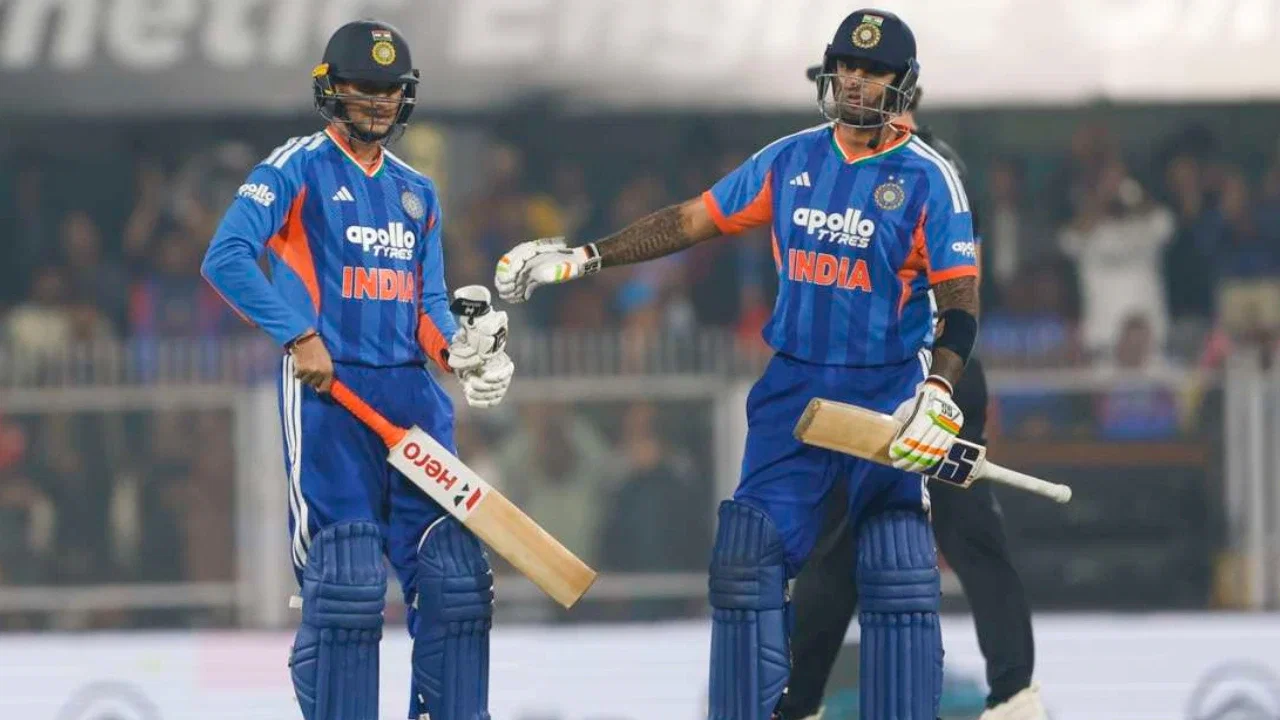
Suryakumar Yadav hails Abhishek Sharma after record-breaking century in 3rd T20I vs Afghanistan
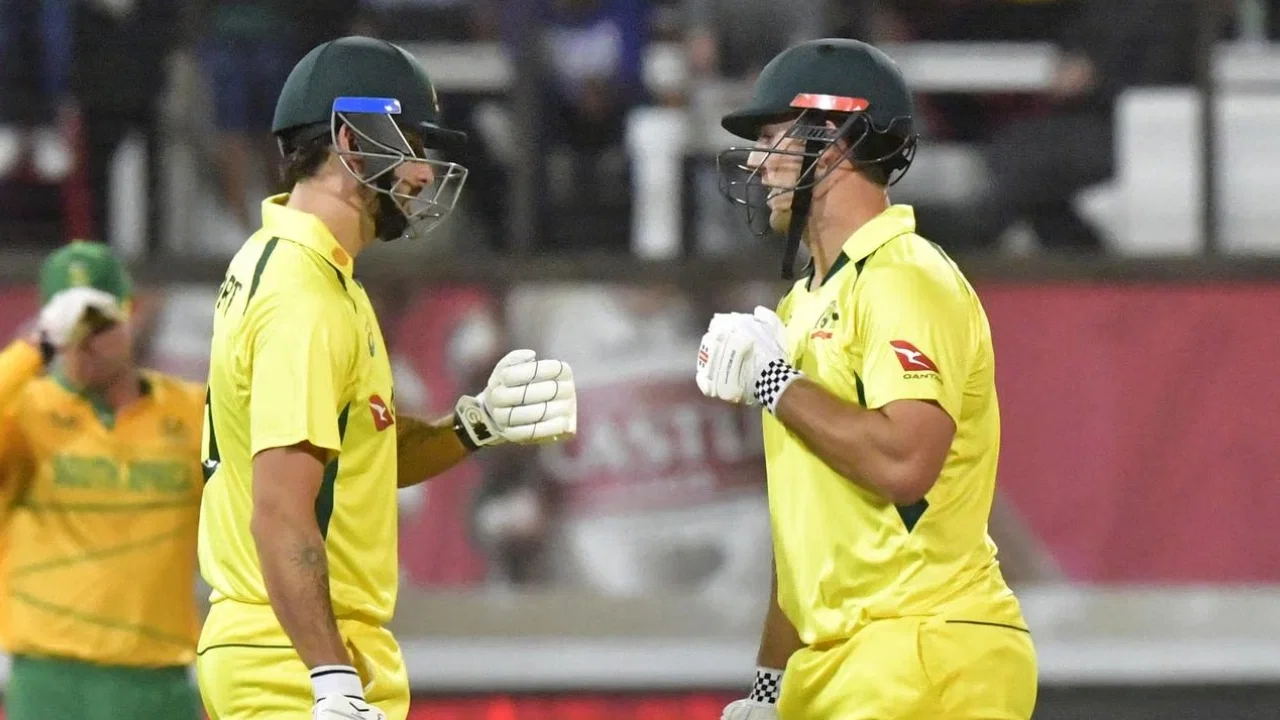
ZIM vs AUS Dream11 Prediction Today Match, Dream11 Team Today, Fantasy Cricket Tips, Playing XI, Pitch Report, Injury Update- Australia Tour of Zimbabwe 2026, 2nd ODI

“Pleasing to the eye”: Shreyas Iyer hails Abhishek Sharma after India complete 3-0 sweep against Afghanistan

“I don’t want to restrict any area”: Abhishek Sharma reveals secret behind fearless batting
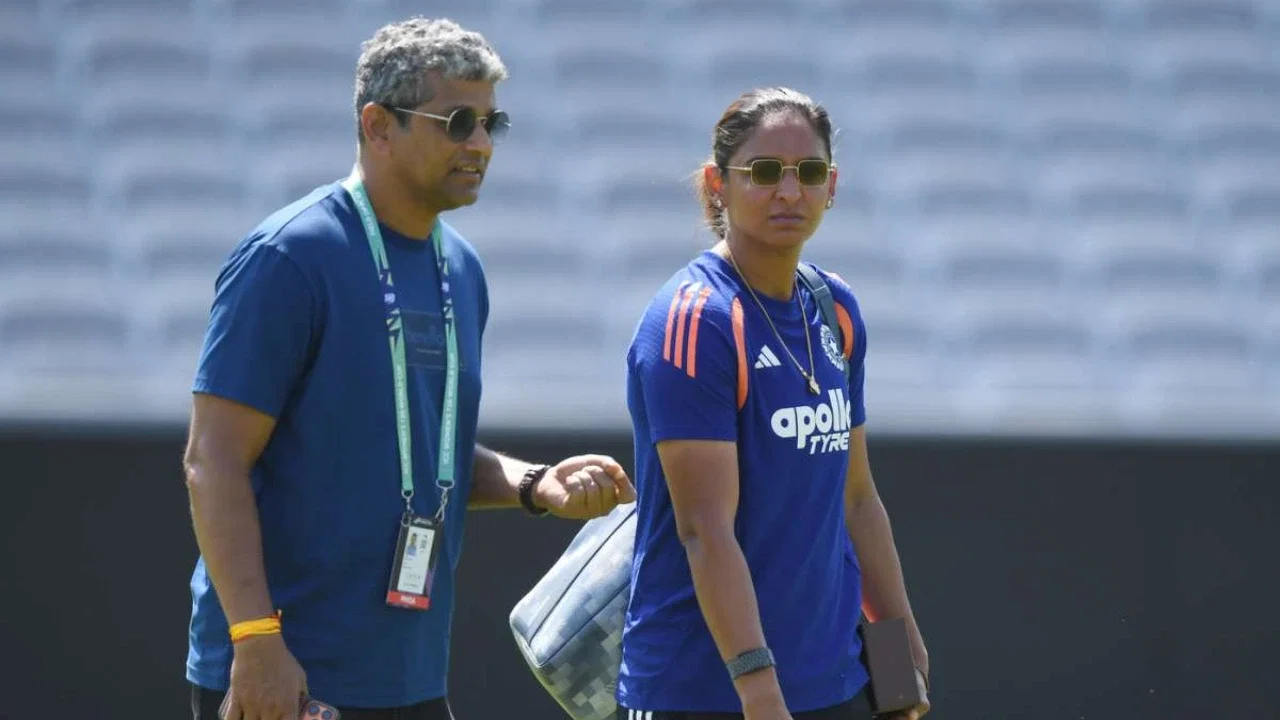
Amol Muzumdar and Harmanpreet Kaur clear air over India Women’s accommodation in Japan

“It’s all about execution”: Ravi Bishnoi reveals his plan on flat pitches

6,6,4,4! Abhishek Sharma smashes 23 runs off Fazalhaq Farooqi in 3rd T20I

Sanju Samson completes 9000 T20 runs: Full list of Indians with 9K

Abhishek Sharma creates history, breaks Rohit Sharma’s record with fastest T20I century

WATCH: Jasprit Bumrah bowls a peach, sends Darwish Rasooli packing for a golden duck

BBL lands in India as Cricket Australia reveals why Chennai was chosen for historic clash
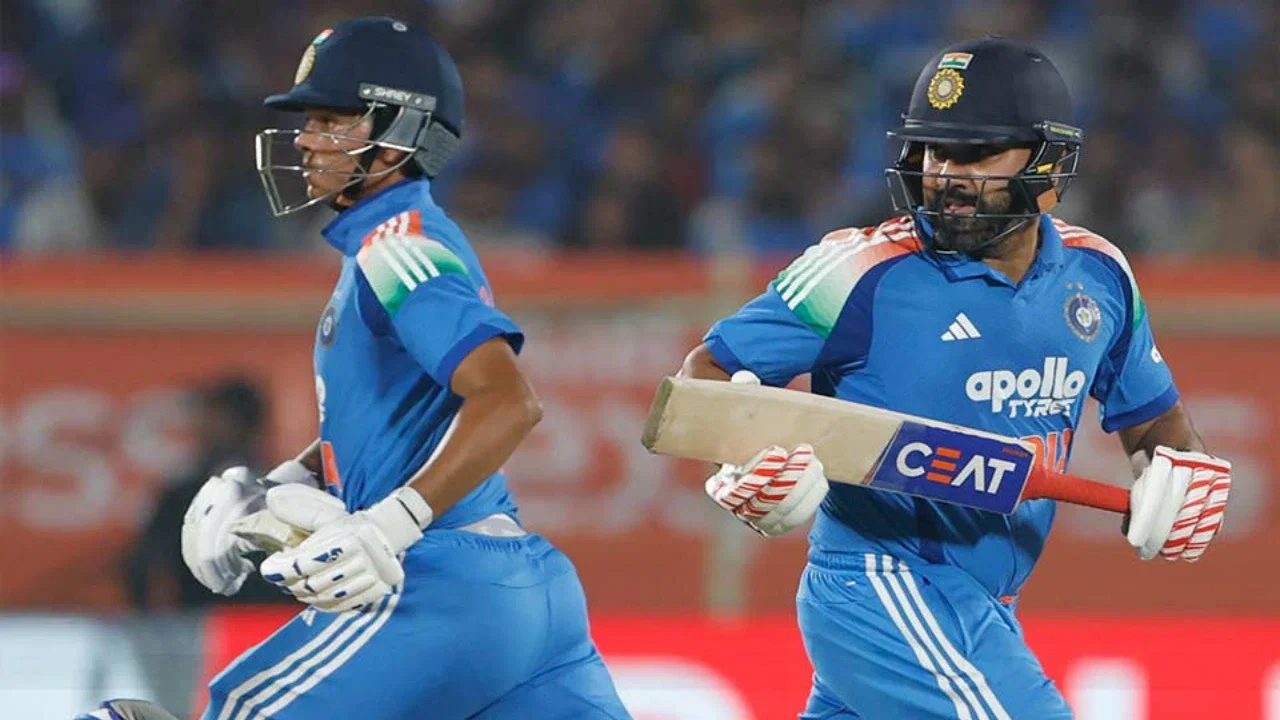
Yashasvi Jaiswal likely to replace Rohit Sharma as opener in New Zealand ODIs

Finn Allen picks Ishan Kishan over Abhishek Sharma as world’s best T20 batter