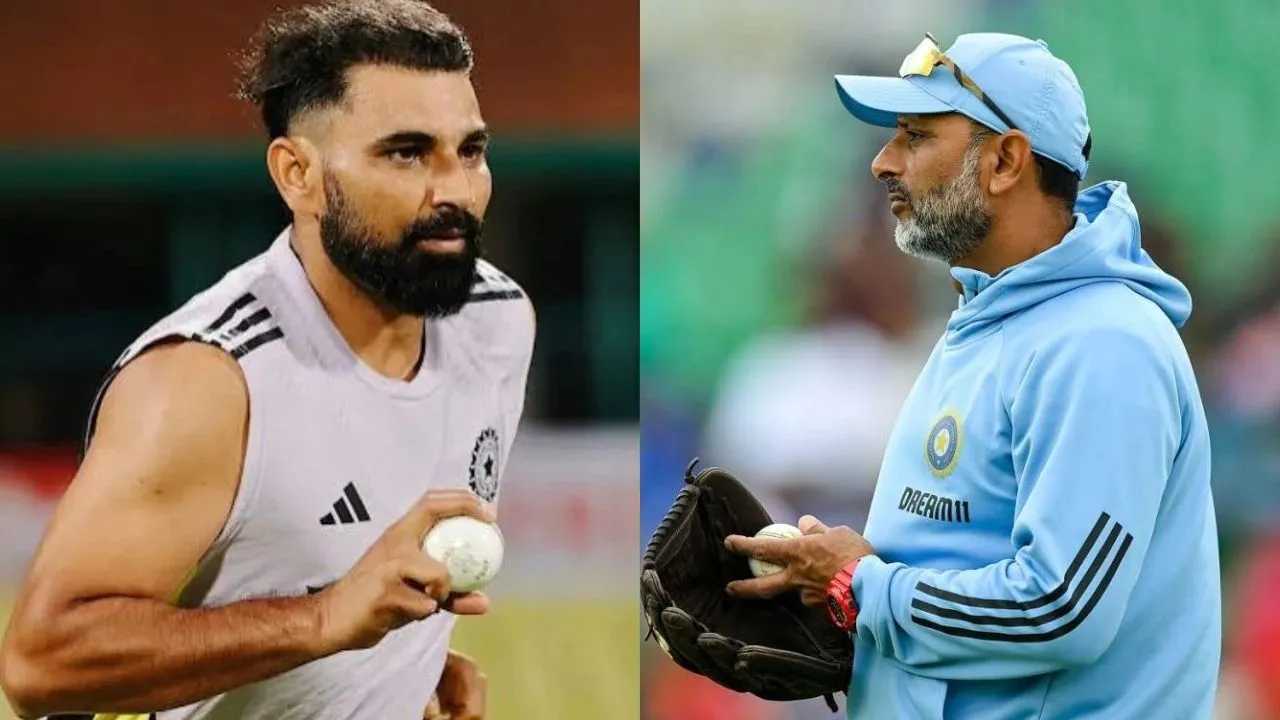
Rashid Latif takes fresh aim at Mike Hesson, raises concerns over IPL connection
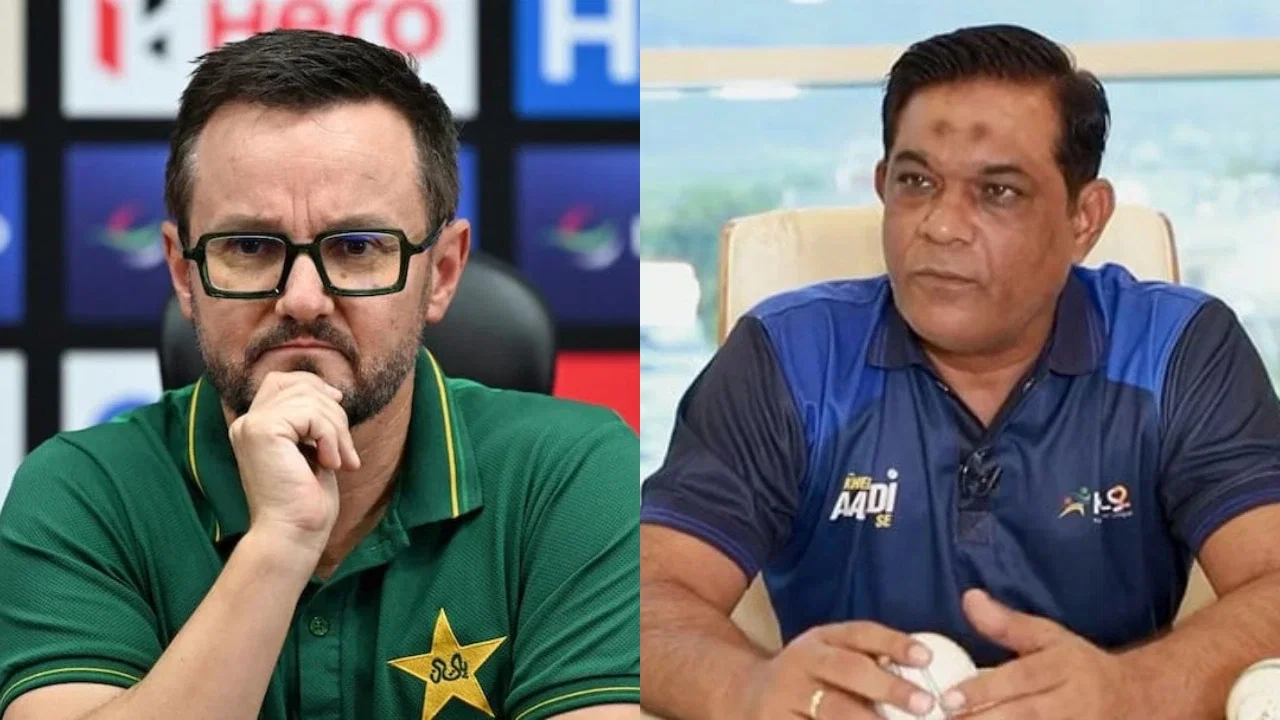
Pakistan Cricket Faces New Controversy Over Foreign Coaches and IPL Connections
The Pakistan National Cricket Team is once again embroiled in a heated debate, this time centered around the influence and loyalty of foreign coaches, particularly those with strong ties to the Indian Premier League (IPL). The recent poor performances and coaching controversies have raised questions about the efficacy and trustworthiness of foreign coaching staff, with veteran cricket analyst Rashid Latif leading the charge in questioning the loyalty and motives of coaches with IPL links.
Recent Performance Sparks Criticism and Calls for Reflection
Pakistan’s recent test series against England, notably the third and final Test at Headingley, further intensified scrutiny on the team’s coaching setup. Pakistan were dismissed for a mere 133 runs in their first innings, with top scorer Saud Shakeel managing only 43. The dismal performance, coupled with the inability to reach 200 runs in the Test format, underscored the need for introspection within Pakistan cricket’s management and coaching staff.
Adding to the controversy, Pakistani players Mohammad Rizwan and Imam-ul-Haq were reportedly summoned by the National Crime and Criminal Investigation Authority (NCCIA) over their mobile phone data, hinting at deeper issues within the cricketing setup. While these incidents are separate from coaching concerns, they contribute to an overall atmosphere of uncertainty and unrest within the team’s ranks.
Rashid Latif’s Criticism of Foreign Coaches and IPL Ties
Rashid Latif, a revered former Pakistan captain and cricket analyst, has been a vocal critic of the current coaching regime, especially targeting Mike Hesson, Pakistan’s white-ball coach since May 2025. Latif’s criticism is not new; he previously accused Hesson of influencing the team’s captaincy decisions and suggested that political and religious motives might be behind such decisions.
Most recently, during a candid conversation on a popular Pakistani YouTube channel, Latif questioned whether foreign coaches with IPL experience can truly be trusted to serve Pakistan’s national team with loyalty and dedication. He emphasized that loyalty is a critical factor in coaching, especially for a cricketing nation like Pakistan that has historically valued coaches who demonstrate genuine commitment.
Historical Examples of Loyal Foreign Coaches
Latif pointed to former Pakistani coaches like Bob Woolmer and Geoff Lawson as exemplars of foreign professionals who displayed unwavering loyalty and dedication to Pakistan cricket. Woolmer, who famously led Pakistan to the 2007 World T20 final, was known for his deep commitment, while Lawson’s tenure was marked by professionalism and a strong connection to the team.
In contrast, Latif expressed skepticism about coaches linked to the IPL, insinuating that their professional connections abroad could compromise their allegiance to Pakistan. He stated:
“The loyalty factor is very important, and it remains doubtful. I am not saying someone is not loyal; he might be, of course, he might, but it’s better if these things are checked. Check the history. The connection would be there.”
Accusations and Allegations: Is Mike Hesson an Indian Agent?
One of the most sensational claims made by Latif involves Mike Hesson, who has been involved with Pakistan cricket since 2025. Latif suggested that Hesson’s links to the IPL and his time spent in India could imply a hidden agenda. In a provocative statement, he said:
“Mike Hesson has been involved with the IPL and has spent time in India; it is possible he is an Indian agent someone might have sent him.”
This accusation, though unproven, has stirred considerable debate among cricket fans and analysts. Critics argue that such claims are rooted in suspicion rather than evidence, but they nonetheless highlight the mistrust many Pakistan cricket supporters feel toward foreign coaches with Indian connections.
Impact of IPL Connections on Coaching Loyalty
The IPL, as the world’s premier T20 league, attracts top cricketing talent and coaching staff from around the globe. However, its influence has become a double-edged sword for Pakistan cricket. While the league offers lucrative opportunities for coaches and players, critics like Latif argue that the professional ties formed in India could lead to divided loyalties.
Latif’s concern is that coaches who have been involved in the IPL might prioritize their connections or interests in India over the national interests of Pakistan. He warns that such loyalties could potentially undermine team unity, strategic decisions, and overall performance.
Calls for Due Diligence and Background Checks
Latif advocates for the Pakistan Cricket Board (PCB) to implement rigorous background checks on foreign coaches, especially those linked to the IPL or with extensive ties to Indian cricket circles. He emphasizes that understanding a coach’s history and associations is crucial to safeguarding Pakistan’s cricket integrity.
He further elaborated that while not all IPL-connected coaches are disloyal, the potential for conflicts of interest exists, and it’s better to be cautious. He said:
“Check the history. The connection would be there. So, the damage that we couldn’t do, maybe someone will who can damage you, no matter which coach comes from abroad. But one who is directly linked with IPL, from people there, who might want to use him—that’s how agents are formed.”
The Broader Context: Pakistan’s Coaching Philosophy and Future Predictions
As Pakistan cricket navigates these turbulent waters, experts predict that the future of coaching in the country will hinge on transparency, loyalty, and a clear understanding of professional backgrounds. While foreign coaches can bring valuable expertise and international experience, their loyalty must be beyond question to foster team cohesion and national pride.
Looking ahead, the prediction is that the PCB will need to strike a balance—leveraging the benefits of international coaching talent while ensuring that national interests remain paramount. This might involve more stringent vetting processes, increased accountability, and a focus on coaches who demonstrate unwavering commitment to Pakistan cricket.
Conclusion: A Call for Unity and Trust in Pakistan Cricket
The controversy surrounding foreign coaches, especially those with IPL links, underscores the complex dynamics of modern cricket where loyalties, professionalism, and national pride intersect. While accusations and skepticism can be damaging, they also serve as a reminder of the importance of transparency and integrity in sports administration.
As Pakistan cricket looks to rebuild and regain confidence, the prediction remains that fostering a coaching environment rooted in loyalty, dedication, and clear professional standards will be crucial. Whether this involves continued foreign help or a renewed focus on homegrown talent, the ultimate goal is to restore Pakistan’s cricketing stature on the world stage.
In the end, the hope is that these debates lead to stronger governance, better selection processes, and a united cricketing community committed to Pakistan’s success.
Latest News
Top 10 highest run-chases in T20 cricket history, ft. West Indies’ Ranchi win vs India
Aaryavir Sehwag and Anvay Dravid set to make headlines at U19 Asia Cup 2026

Longest ducks in Test cricket history ft. Nic Maddinson, Shoaib Akhtar
ECB to offer 39 central contracts to England players after Ben Stokes, Mark Wood’s retirement
Steve Smith surpasses Steve Waugh in all-time Test run-scorers’ list

Shane Watson identifies Gautam Gambhir’s biggest problem as India struggle for consistency
Is Bhuvneshwar Kumar in India’s 2027 World Cup plans? Ajinkya Rahane makes revelation
BCCI’s big ₹127 Crore move after injury crisis raises concerns over Team India

Parthiv Patel reveals RCB ignored his Jasprit Bumrah recommendation in IPL 2014 Auction
“Never spoke ill of any faith”: Irfan Pathan hits back at fake news using his name
Nic Maddinson bags 33-ball duck on Test comeback, disappoints George Bailey
Imran Tahir predicts 2027 ICC ODI World Cup Semi-Finalists, snubs India for title
Australia create unwanted history with first all-30-plus Test XI
Ravindra Jadeja returns to Ranji Trophy as Saurashtra announce squad