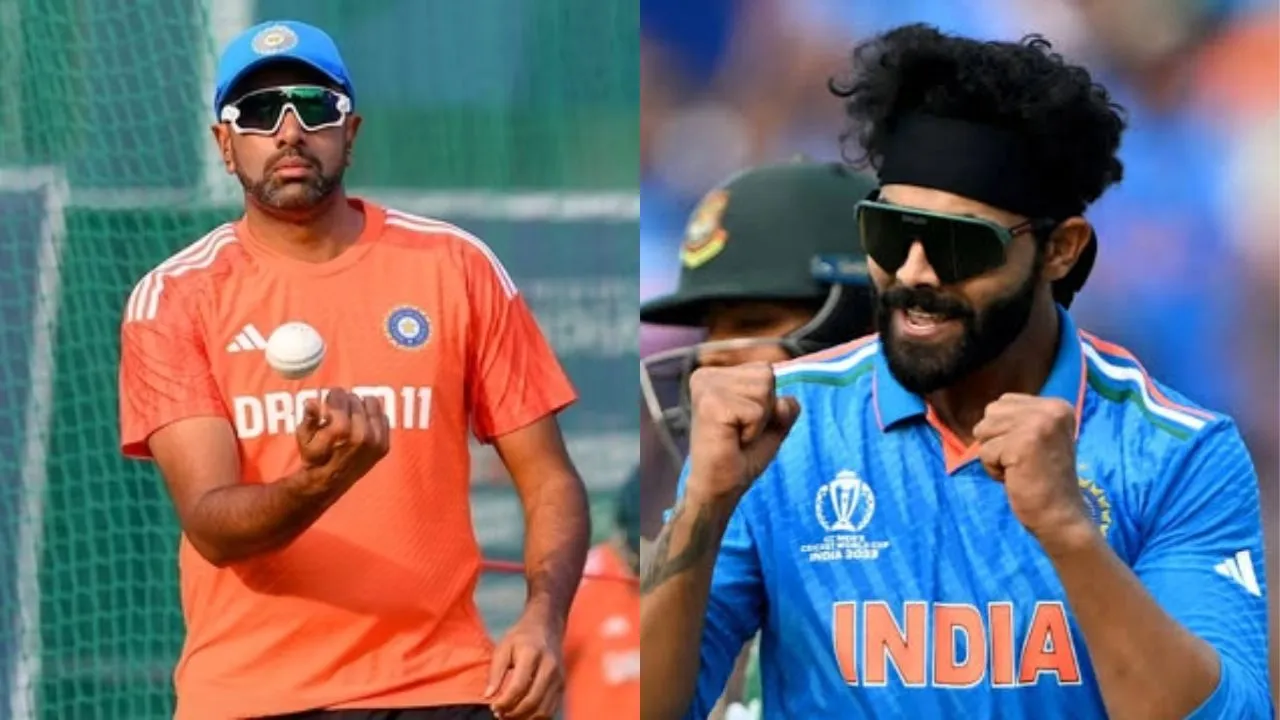
Ravi Shastri reopens old wound, reveals why 2016 India coach job snub still hurts
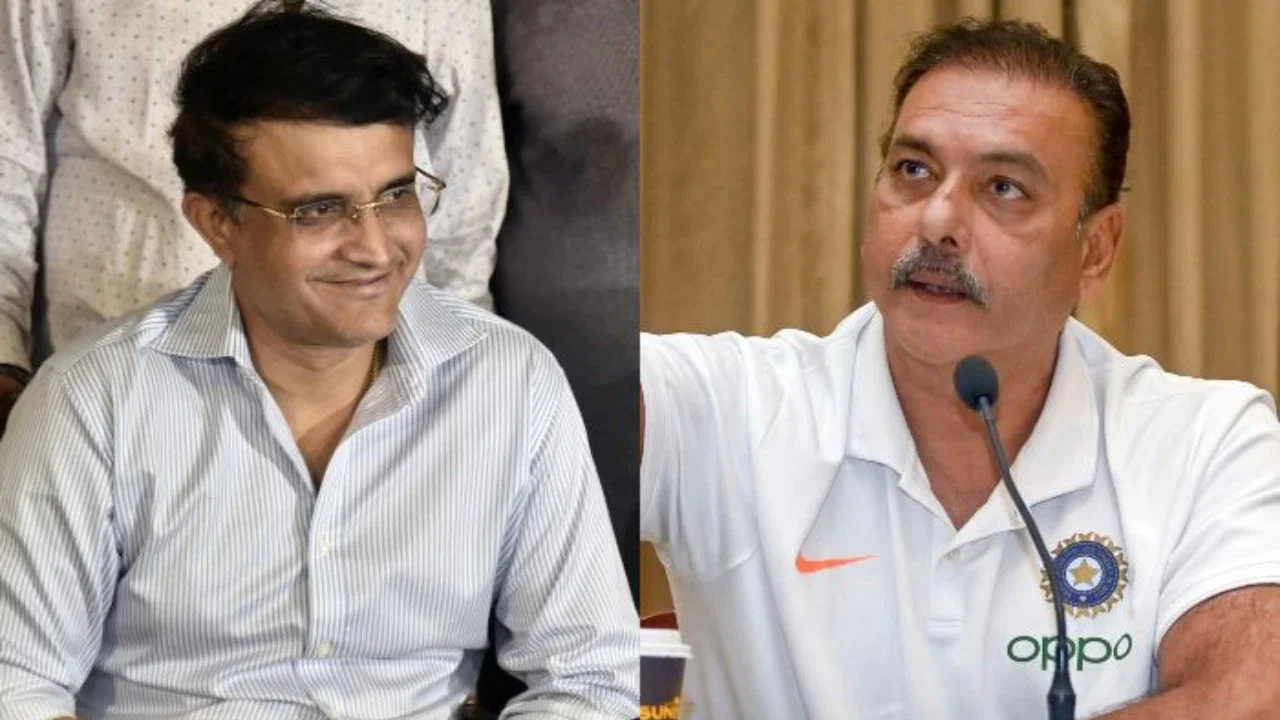
Ravi Shastri’s Reflection on the 2016 India Head Coach Snub: Prediction, Controversy, and Unanswered Questions
The cricketing world is no stranger to drama, rivalry, and unexpected turns, and one of the most talked-about episodes in recent Indian cricket history is the 2016 snub of Ravi Shastri for the head coach position of the Indian national team. As the former Indian cricket team director and head coach, Ravi Shastri’s recent revelations about that controversial episode have reignited debates, speculation, and predictions about the inner workings of cricket administration. In this article, we delve into his account, the broader implications for Indian cricket, and what this means for future coaching appointments.
The Backstory: From Director to Head Coach—The Road to 2016
Ravi Shastri’s journey with Indian cricket has been marked by significant milestones. He first took charge of the Indian national cricket team as director in 2014, a role that saw him shaping the team’s strategies, mentoring players, and overseeing preparations for major tournaments. Under his leadership, India achieved notable successes, including historic Test series victories abroad and maintaining a prolonged period at the top of the ICC Test rankings.
In 2016, following the BCCI’s decision to replace the director system with a more traditional coaching setup, the search for India’s next head coach began. Shastri, who believed his tenure and achievements had demonstrated his capability, applied for the top role. However, the Cricket Advisory Committee (CAC)—comprising cricketing luminaries Sourav Ganguly, Sachin Tendulkar, and VVS Laxman—chose former Indian captain Anil Kumble as the new head coach. This decision shocked many, especially given Shastri’s track record and familiarity with the team’s core group.
Unpacking Ravi Shastri’s Prediction and the Motive Behind the Snub
Recently, Ravi Shastri has openly expressed that he still harbors feelings of injustice concerning the 2016 decision. Speaking candidly, he suggested that there was more than just merit involved in the selection process. According to Shastri, the decision to overlook him was likely driven by hidden motives—possibly political or personal biases—that had little to do with cricketing competence.
He emphasized, “There should have been no reason why I did not carry on with sheer merit. So, there was obviously some other reason, some motive behind why I was shafted out, and that hurt me.” This statement not only raises questions about the transparency and fairness of the selection process but also prompts cricket fans and analysts to revisit the prediction that Shastri’s experience and previous accomplishments made him a natural choice for the role.
Implications for Future Predictions in Indian Cricket
The revelation about the 2016 snub has significant implications for future predictions about coaching appointments and administrative decisions in Indian cricket. It underscores the importance of transparency and meritocracy in such high-stakes decisions, which invariably influence team performance and morale. For aspiring coaches, players, and cricket administrators, Shastri’s account serves as a reminder that behind-the-scenes politics can often sway the outcome, regardless of on-field success.
Furthermore, Ravi Shastri’s candidness fuels speculation about the possible shifts in power dynamics within Indian cricket’s administrative hierarchy. It prompts the question: Will future predictions about coaching appointments be more scrutinized? Will there be reforms to ensure fairness? These are critical considerations as Indian cricket continues its quest for excellence on the world stage.
The 2016 Selection Controversy: Public Fallout and Unfolding Drama
The selection process in 2016 not only sparked internal debates but also led to a public spat between Ravi Shastri and Sourav Ganguly, who was part of the CAC. Shastri, who attended his interview via video link from Bangkok, criticized Ganguly’s absence during the process. He believed that his interview should have been conducted in Ganguly’s presence to ensure transparency and fairness. The absence, coupled with the decision to appoint Kumble, who had a limited coaching record, fueled speculation that external factors influenced the decision.
Ganguly, on his part, dismissed these claims, asserting that his absence was due to logistical reasons and not a reflection of bias. The fallout became a hot topic in cricketing circles, with many pundits analyzing the implications of such disagreements for team unity and future coaching selections. This controversy underlined how politics and personal relationships can sometimes overshadow cricketing merit, impacting prediction models for future appointments.
Ravi Shastri’s Coaching Legacy: Achievements and Challenges
Despite the setbacks in 2016, Ravi Shastri’s tenure as India’s head coach from 2017 to 2021 is widely regarded as one of the most successful periods in Indian cricket history. During his leadership, India achieved several historic milestones, including:
- Winning two Test series in Australia—an achievement that was considered a pinnacle of Indian cricketing prowess.
- Maintaining the No. 1 ICC Test ranking for over 42 months, demonstrating consistent excellence across formats.
- Reaching the final of the inaugural ICC World Test Championship in 2021.
- Securing the 2018 Asia Cup title and reaching the semi-finals of the 2019 ICC Cricket World Cup.
These accomplishments have fueled predictions about his potential return to coaching or administrative roles, especially as Indian cricket continues to evolve and seek leadership that can sustain its competitive edge. His tenure highlighted how strong leadership and strategic vision can transform a team, making him a key figure in future predictions for coaching leadership.
Looking Ahead: What the Future Holds for Indian Cricket Prediction Models
Shastri’s recent comments about the 2016 snub cast a spotlight on the complex interplay of merit, politics, and personal biases in cricket administration. As Indian cricket’s governing bodies evolve, the emphasis on transparent, merit-based prediction models for coaching and selection processes is more critical than ever.
For cricket fans, analysts, and stakeholders, this episode underscores the need for reforms that prioritize fairness, transparency, and performance-based decisions. Such reforms will not only restore trust but also improve prediction accuracy regarding who is best suited to lead India’s cricketing future. Moreover, it prompts ongoing debate about the role of senior players, former captains, and administrative figures in shaping team leadership and strategy.
Conclusion: The Legacy of Controversy and the Path Forward
Ravi Shastri’s candid reflections on the 2016 India head coach snub serve as a reminder that behind the glitz of cricketing victories lie complex human and administrative dynamics. While his achievements as a coach speak volumes, the controversy surrounding his missed opportunity highlights the importance of transparent decision-making processes in cricket governance.
As Indian cricket continues to grow on the global stage, prediction models and administrative frameworks must adapt to ensure fairness and meritocracy. Shastri’s story is a testament to the fact that sometimes, the most impactful lessons come from understanding the past—learning from controversies to shape a more equitable future for Indian cricket.
Ultimately, the questions raised by Ravi Shastri’s revelations will influence how future prediction models are constructed, emphasizing the need for integrity, transparency, and performance-based decisions in the game’s administration. The hope remains that Indian cricket’s leadership will learn from these episodes, fostering an environment where talent and merit truly determine the destiny of the team.
Latest News
Bhuvneshwar Kumar set to make India comeback for New Zealand series: Report
“We will win today’s match”: Rajeev Shukla backs India against West Indies in T20I opener
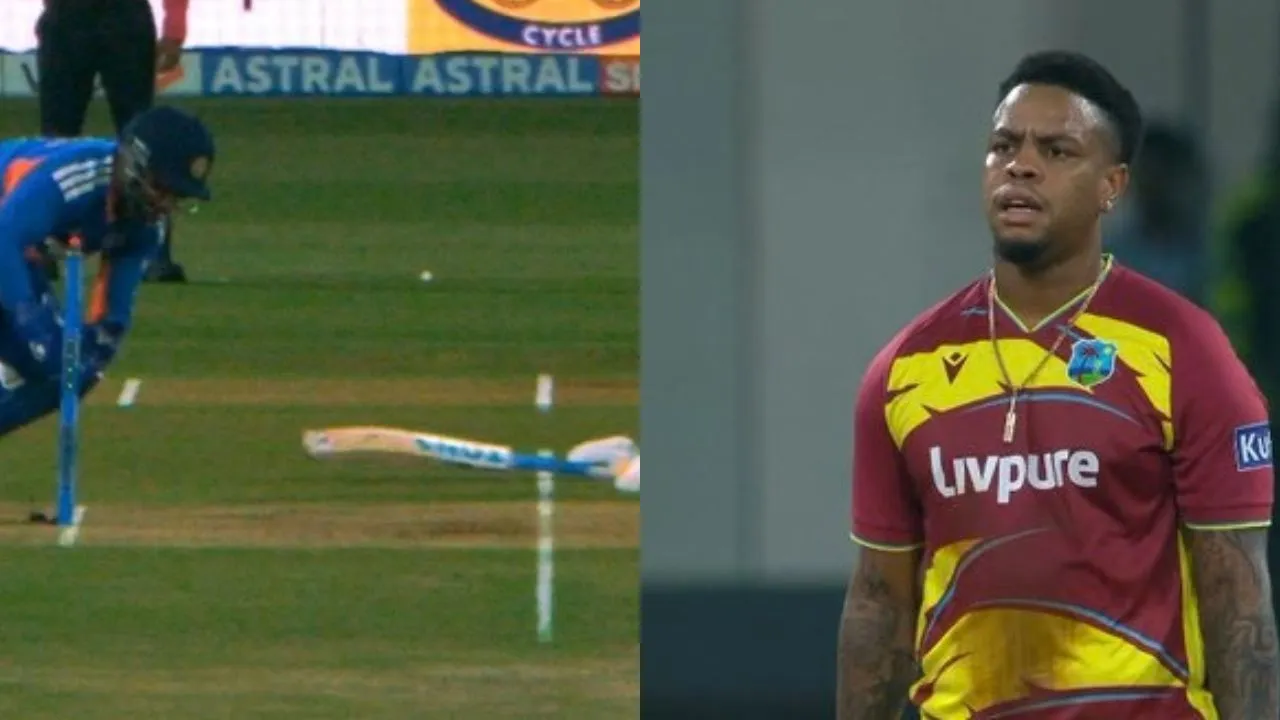
WATCH: Shimron Hetmyer furious after getting run-out in India vs West Indies 1st T20I
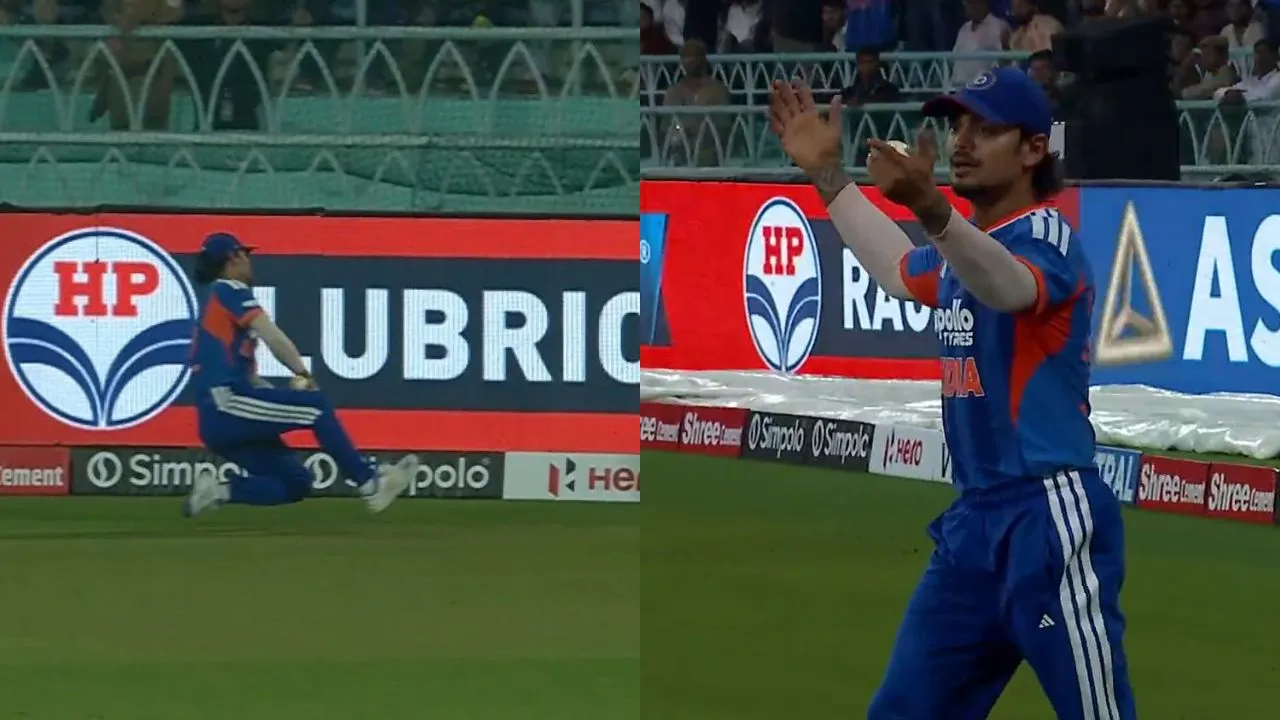
Watch: Ishan Kishan pulls off sensational catch in India vs West Indies 1st T20I
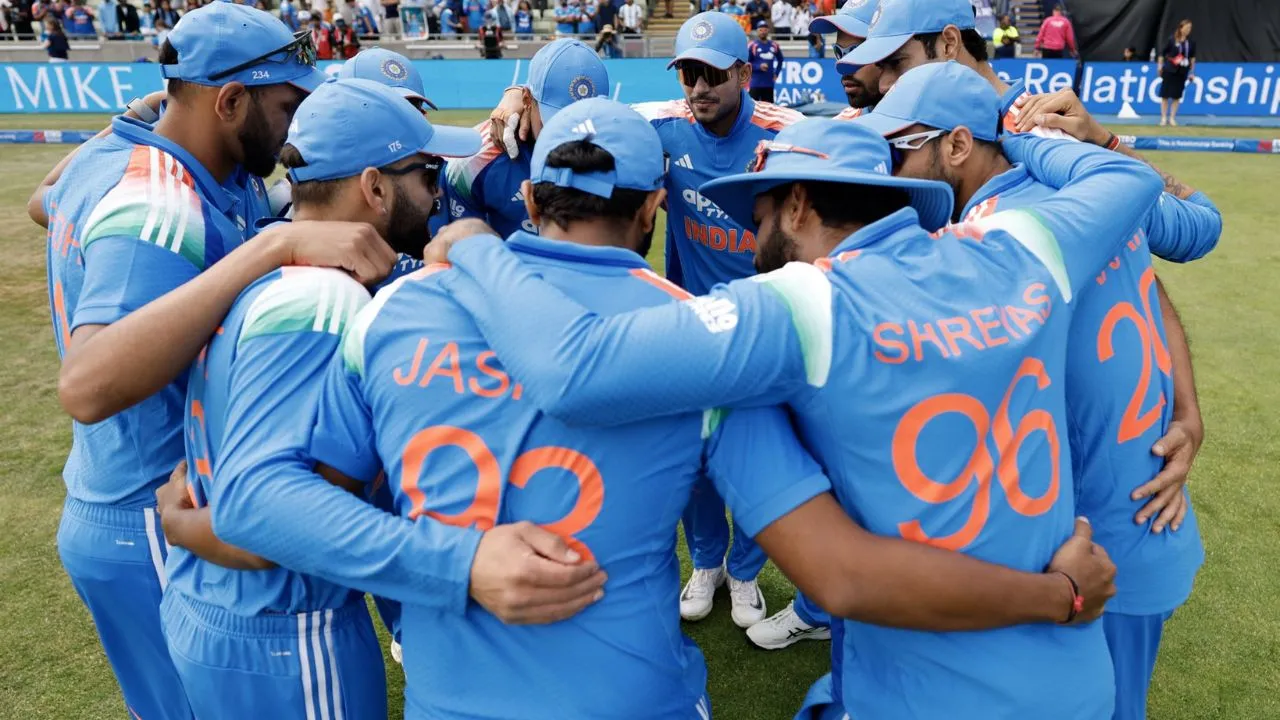
India T20I squad for New Zealand tour announced, Bhuvneshwar Kumar returns
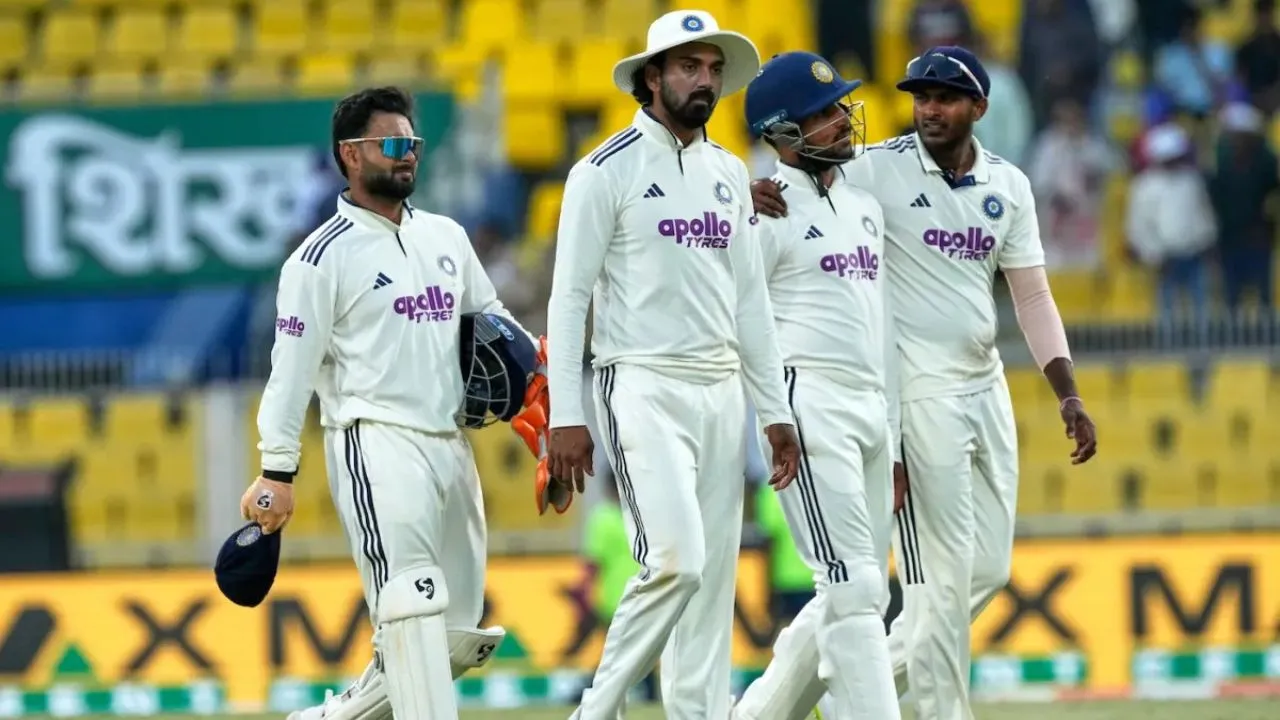
Not KL Rahul! Dhruv Jurel named captain as India A squad for New Zealand tour announced
“Very special honour”: Smriti Mandhana delighted after being named as India captain
Kagiso Rabada returns to bowling, South Africa wait on final fitness call ahead of 1st Test vs Australia
Suryakumar Yadav in line for Mumbai white-ball captaincy after Ranji snub
Stuart Broad, Jos Buttler name Top 10 Test batters of 21st century, Virat Kohli gets no.10 spot
Naman Dhir earns maiden T20I cap after making ODI debut last month against West Indies
Ravi Shastri reopens old wound, reveals why 2016 India coach job snub still hurts
Sourav Ganguly named Delhi Capitals head coach ahead of IPL 2027
India fans face travel problems ahead of 1st T20I due to waterlogging in Lucknow