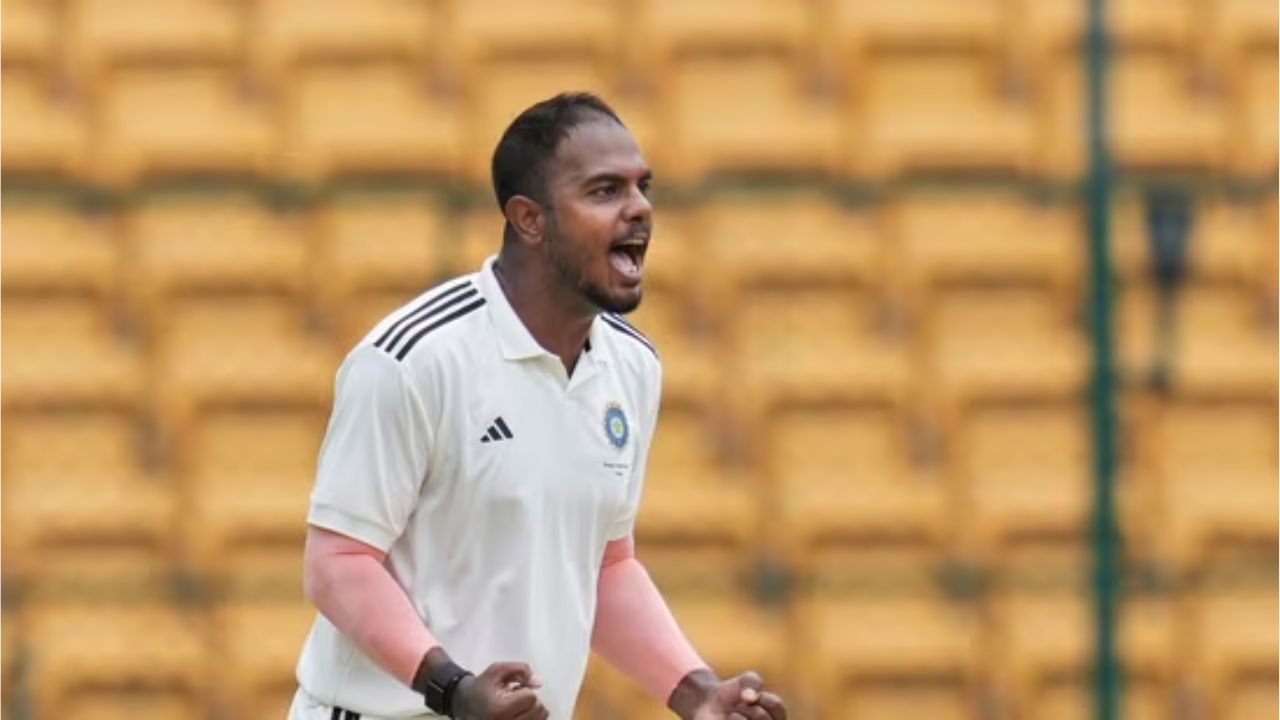
Ravichandran Ashwin issues ‘Slow-Pitch’ warning to India after Japan T20I scare
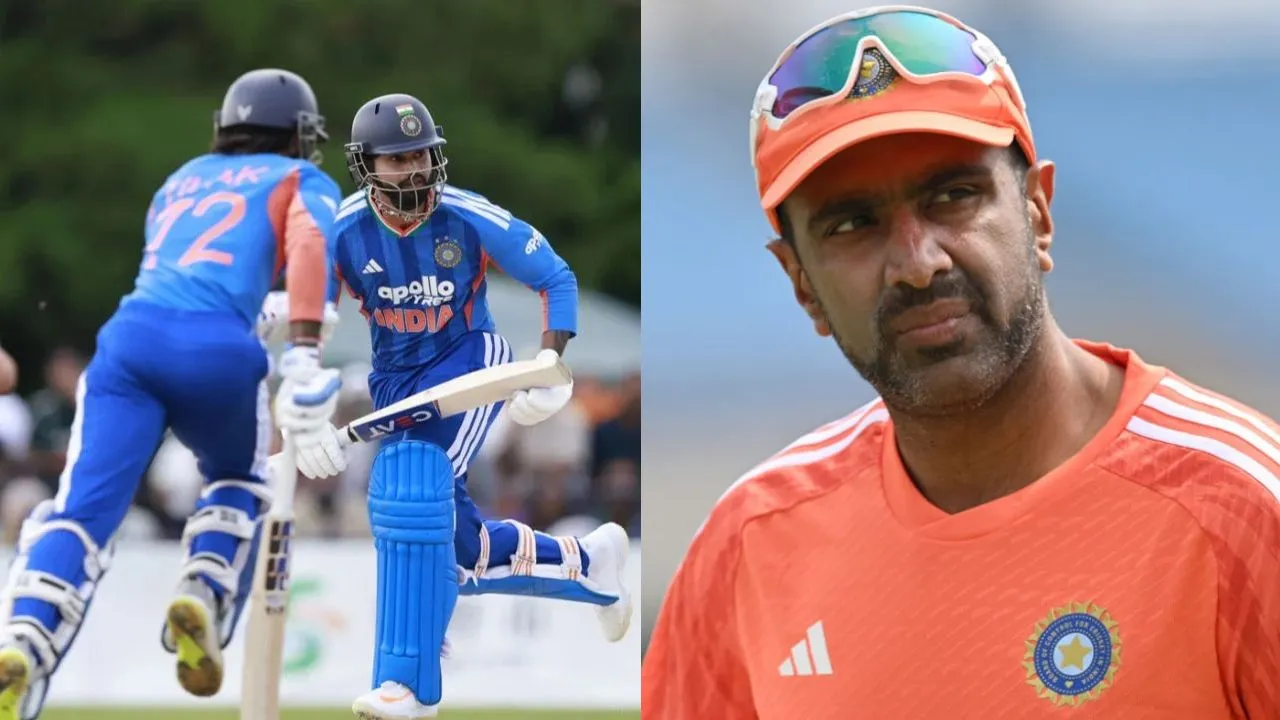
Ravichandran Ashwin’s Prediction: India Must Prepare for Challenging Pitches on Future Tours
As India continues to refine its cricketing strategies on the international stage, former star spinner Ravichandran Ashwin has issued a crucial warning. His insights highlight a potential vulnerability for the Indian cricket team: their struggle on slow, turning pitches. With upcoming tours to countries like New Zealand and strategic preparations by opposition teams, Ashwin’s prediction underscores the importance of adapting to different pitch conditions to maintain India’s competitive edge.
Understanding India’s Struggles on Slow and Turning Pitches
In recent months, India’s performance in overseas conditions has raised eyebrows, especially in matches played in Ireland and England. These venues often feature pitches that favor seam movement or offer some assistance to spin bowlers, contrasting sharply with the flat, high-scoring surfaces typical of Indian Premier League (IPL) matches. Ashwin, renowned for his mastery on spin-friendly pitches, pointed out that Indian batters, accustomed to the placid tracks of Indian grounds, often find themselves in trouble when conditions turn against them.
During a recent match at the Sano International Cricket Ground—a historic one-off T20I held on September 22—the weather played a role in shaping the contest. Reduced to just five overs per side due to rain, the damp surface posed a challenge for India’s top order. Despite the difficult conditions, Shreyas Iyer’s team managed a narrow victory by two runs. However, Ashwin emphasized that such performances are indicative of a broader issue: if opposition teams prepare pitches that favor spin and lateral movement, India’s batting lineup could struggle significantly.
Ashwin’s Analysis: The Prediction of Future Challenges
Speaking openly on his popular YouTube channel, Ashwin explained that India’s batters are often caught off guard when they do not get the flat pitches they are used to, especially in international fixtures outside the subcontinent. “If I follow Indian cricket, I see a recurring pattern. Opposing teams are increasingly aware of India’s dependence on flat pitches, and they are deliberately preparing surfaces that assist spinners and generate turn,” Ashwin said.
He further elaborated, “I thought India would make 50 or 60 runs in that match, but the pitch’s nature drastically changed the dynamics. If the pitches are prepared to favor spin, India’s batting unit could be in real trouble.” This prediction underscores a crucial point: adaptability is key to success in international cricket, and teams need to proactively prepare for diverse conditions.
Historically, India’s recent performances against Ireland and England have reflected these challenges. While they dominated Afghanistan in a 3-0 T20I series at the Arun Jaitley Stadium in Delhi, their efforts in Ireland and England revealed vulnerabilities. Notably, in matches where the pitch offered assistance to spinners, Indian batters struggled to build momentum, often losing early wickets and failing to capitalize on scoring opportunities.
Impact on Batting Lineup and the Need for Flexibility
In matches against Japan, a team representing an emerging cricketing nation, the difficulties were even more apparent. Indian players like Sanju Samson, Abhishek Sharma, and Ishan Kishan couldn’t adapt quickly to the slow, damp conditions, ending their innings at 32/4 in five overs. Despite this, India managed to restrict Japan to 30/3, ultimately winning by two runs—a narrow margin that highlights how even minor pitch variations can influence outcomes.
Such performances serve as a wake-up call for Indian cricket authorities to diversify pitch preparation strategies and enhance players’ adaptability. The ability to thrive on a variety of surfaces could be the difference between winning and losing crucial international matches, especially in knockout scenarios and high-pressure tournaments.
Advocating Shorter Formats for Associate Nations
Beyond the challenges for India, Ashwin also expressed admiration for Japan’s cricketing efforts, praising the team’s skill on the spin-friendly pitch. He suggested that shorter formats, like five or six overs, could be instrumental in leveling the playing field for Associate nations. “A shorter game format allows smaller teams to challenge Full Member nations,” Ashwin explained. “This format could be a game-changer, especially for events like the Olympics or regional competitions, where the element of unpredictability adds excitement and opportunities for emerging cricketing nations.”
Such a prediction aligns with broader discussions in cricketing circles about evolving the game to promote inclusivity and competitiveness. Shorter formats not only make matches more thrilling but also encourage innovative strategies and faster-paced cricket that appeal to a global audience.
Future Tours and Pitch Preparation: Will India Face Spin Challenges in New Zealand?
Looking ahead, Ashwin was asked whether his remarks might influence pitch preparation in upcoming tours, particularly in New Zealand. He dismissed the idea that opposition teams would deliberately target India’s perceived weakness, asserting that teams like New Zealand are already well aware of India’s vulnerabilities to turn and spin. “Aussie teams, English teams, and even New Zealanders are experts at preparing pitches that challenge visiting batsmen. They are quite capable of making surfaces that favor movement and spin,” Ashwin said confidently.
He added, “In fact, it’s not far-fetched to expect pitches in New Zealand or other SENA countries to feature more spin and lateral movement. Teams are smart—they observe, analyze, and adapt. So, India must prepare mentally and technically for these conditions to succeed.”
Upcoming Challenges: India’s Tour to New Zealand and Beyond
India’s cricket calendar includes a significant tour to New Zealand scheduled after the Asian Games 2026. The series will begin with a five-match T20I series in Christchurch starting October 22, followed by Tests and ODIs. Facing pitches that may favor spin and movement, India’s players will have to adjust quickly, emphasizing the importance of versatile batting techniques and strategic planning.
Furthermore, India will also face the West Indies in a home series, providing ample opportunities for players to hone their skills against different pitch conditions. Coaches and players are now acutely aware of the prediction and the need to diversify their preparations, aiming to mitigate the risks posed by unpredictable pitches.
Conclusion: Adapting to a Changing Cricketing Landscape
Ravichandran Ashwin’s prediction serves as a vital reminder that cricket is an evolving game, shaped by pitch conditions, strategic preparations, and innovative formats. As India aims to maintain its dominance on the international stage, embracing adaptability and preparing for diverse pitch conditions will be crucial. The ability to perform consistently, regardless of the surface, could determine India’s success in upcoming tours and tournaments.
Overall, the prediction underscores a broader truth: in cricket, as in many sports, the team that adapts best to changing conditions often holds the advantage. India’s challenge moving forward will be to develop strategies that turn potential vulnerabilities—like slow, turning pitches—into opportunities for victory, ensuring they remain a formidable force in world cricket for years to come.
Latest News
CSK to review match-fixing allegations at AGM, action likely

New Zealand reunite Finn Allen, Tim Seifert for India T20Is, Rachin Ravindra OUT
David Miller gives update on South Africa future after contract snub

ILT20 Auction 2026: Date, venue, purse, rules and full details

ICC ‘Kills’ bilateral ODIs? New 2027-31 plan explained

Not Vansh Bedi! Ritik Vats sidelined as DPL, UP T20 League match-fixing claims rock Indian cricket

Ashish Nehra was in the frame for CSK head coach job, reveals Ravichandran Ashwin

Pat Cummins, Mitchell Starc and Josh Hazlewood unlikely to play all 3 ODIs vs South Africa
“You’ve gone all the way to Japan to do this?” – Sanjana Ganesan trolls Jasprit Bumrah
Virat Kohli and Rohit Sharma get strong 2027 World Cup backing before West Indies ODIs
Ravichandran Ashwin issues ‘Slow-Pitch’ warning to India after Japan T20I scare

NGR vs SLE Dream11 Prediction Today Match, My11Circle Prediction, Dream11 Team Today, Fantasy Cricket Tips, Playing XI, Pitch Report, Injury Update- Quadrangular T20I Series 2026, Match 3

Kagiso Rabada injury: South Africa head coach provides latest updates

“Ajit Agarkar has been a very good chairman of selectors,” says R Ashwin