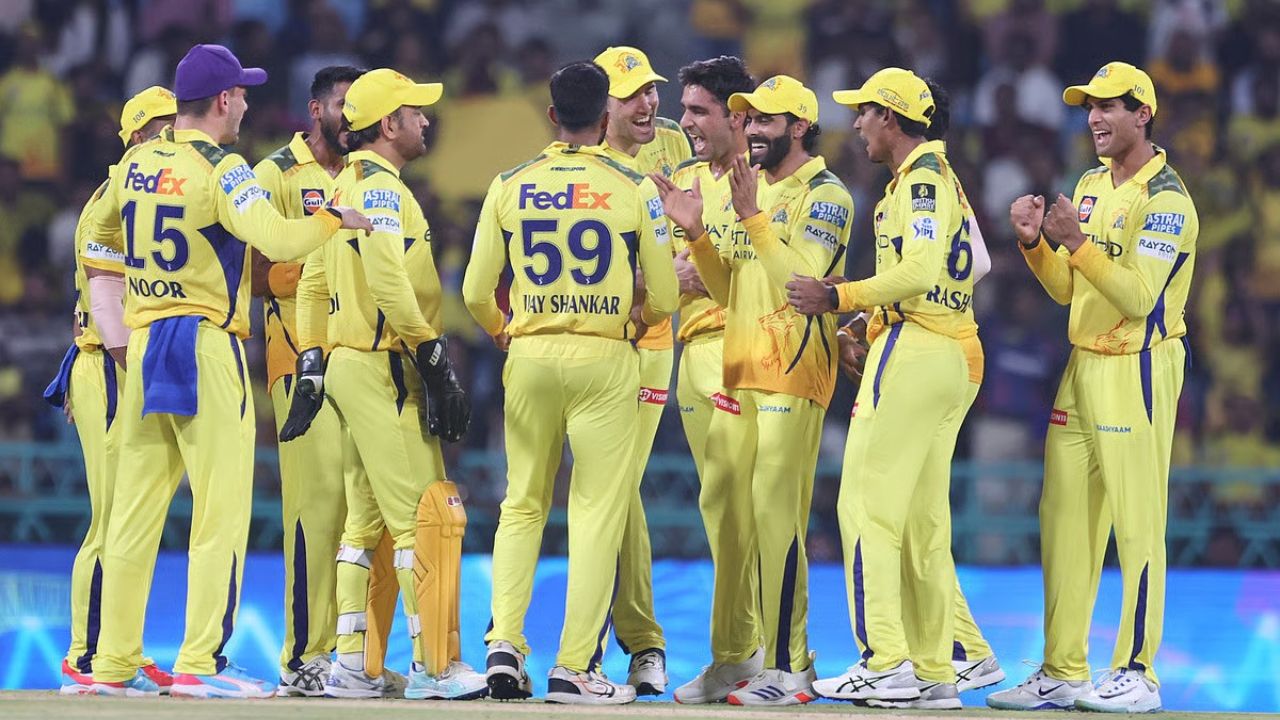
Ravichandran Ashwin reveals retirement conversation with Ajit Agarkar
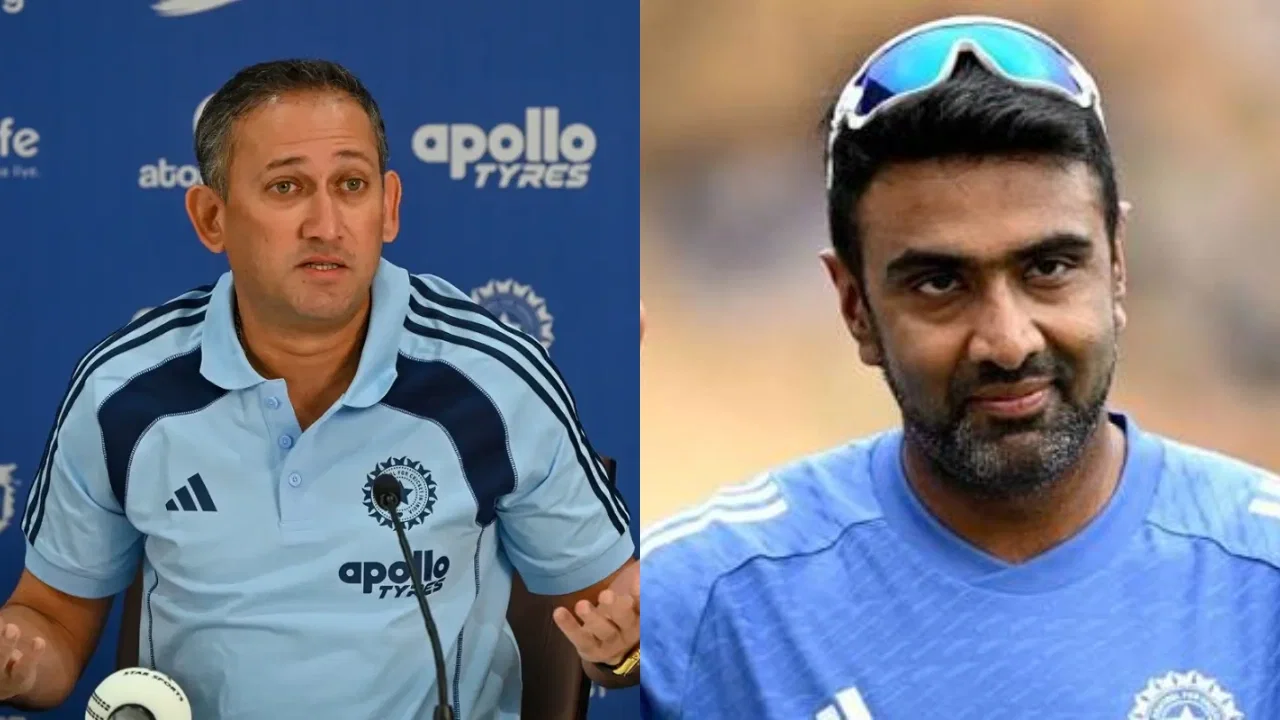
Ravichandran Ashwin Opens Up About His Conversation with Outgoing India Chief Selector Ajit Agarkar Amid Transition in Indian Cricket
In a candid and insightful revelation, Indian cricket star Ravichandran Ashwin has shared details about his recent conversation with Ajit Agarkar, the former Indian all-rounder who recently stepped down as the chairman of selectors for the Board of Control for Cricket in India (BCCI). This disclosure offers a nuanced perspective on the challenges faced by Agarkar during a pivotal period of transition in Indian cricket, as well as Ashwin’s own experiences with the changing landscape of the sport.
Understanding the Context: A Period of Transition in Indian Cricket
The period during which Ajit Agarkar served as the head of the Indian selection committee was marked by significant upheaval and transformation. The retirement of iconic Indian cricketers like Rohit Sharma and Virat Kohli from Test cricket signified the end of an era, paving the way for a new generation of players to take on leadership roles across all formats. This transition, while necessary for the evolution of the team, posed complex challenges for selectors tasked with balancing experience and youth, continuity and innovation.
Amidst this backdrop, Agarkar’s tenure was characterized by difficult decisions — including the phased retirement of senior players and the integration of promising talents. Such decisions are often scrutinized, especially when they involve beloved athletes whose presence has been integral to the team’s success. Nonetheless, Agarkar’s leadership amidst these turbulent times has garnered both praise and criticism from various quarters.
Ravichandran Ashwin’s Personal Reflection and Conversation with Agarkar
Ravichandran Ashwin, one of India’s most accomplished off-spinners and a senior figure within the team, recently shared his personal insights into Agarkar’s role as chief selector. In a detailed video posted on his YouTube channel, Ashwin revealed that he personally reached out to Agarkar upon deciding to retire from international cricket, which he did midway through the 2024-25 Border-Gavaskar Trophy after the third Test against Australia at Brisbane’s Gabba Stadium.
“Honestly, I know Ajit Agarkar quite well, and we also talked during the time of my retirement,” Ashwin explained. “I called him and told him I was going to retire, and he responded by saying that he felt it was a personal decision.”
This open dialogue underscores the camaraderie and mutual respect shared between the players and the selectors, even amid difficult decisions involving team composition and player futures. Ashwin’s candidness offers fans and cricket enthusiasts a rare glimpse into the human side of cricket administration, highlighting the emotional and strategic complexities behind such pivotal choices.
Evaluating Agarkar’s Leadership During a Challenging Phase
Despite being phased out of the team himself, Ashwin praised Agarkar’s handling of a particularly tumultuous era in Indian cricket. “The fact is that Ajit Agarkar had the responsibility to take a lot of big decisions during his tenure,” Ashwin noted. “He had to oversee the gradual phasing out of senior players and bring in a new generation of cricketers. That’s never an easy task.”
He emphasized that making decisions involving seasoned players can often be deeply personal, with emotions and loyalties influencing judgments. Yet, Ashwin commended Agarkar for maintaining professionalism and focus, navigating the transition with integrity and dedication. “He’s done an excellent job as chairman of selectors,” Ashwin asserted, acknowledging the immense pressure and responsibilities that come with such a role.
Achievements and Criticisms: Agarkar’s Impact on Indian Cricket
Ajit Agarkar assumed the role of BCCI chief selector in 2023, succeeding Chetan Sharma. His tenure coincided with a period of remarkable success for India on the international stage. Under his leadership, India secured two ICC T20 World Cups and clinched the ICC Champions Trophy in 2025, cementing his reputation as a key architect of the team’s achievements.
However, the journey was not without controversy or criticism. The process of selecting and retiring players is often scrutinized by fans, pundits, and former cricketers alike. Ashwin’s perspective underscores the importance of understanding the immense pressure and difficult calls faced by selectors, who must balance the long-term vision of the team with immediate results and player sentiments.
Prediction and Future Outlook: What Lies Ahead for Indian Cricket?
Looking forward, the prediction for Indian cricket under the current leadership and emerging talents remains optimistic. The strategic decisions taken during Agarkar’s tenure — including the grooming of young players and managing transitions — are likely to shape the team’s trajectory in upcoming ICC tournaments and bilateral series.
Expert analysts suggest that the foundation laid during this transition period will facilitate India’s continued dominance in global cricket. The focus on nurturing young talent, combined with experienced veterans like Ashwin, is expected to yield a balanced and competitive team in the years ahead.
Moreover, the evolving dynamics of cricket administration, with a greater emphasis on player welfare and strategic foresight, hint at a promising future. The prediction is that Indian cricket will not only maintain its competitive edge but also innovate in areas such as fitness, technology integration, and mental conditioning—elements crucial for sustained success.
Final Thoughts: Recognizing the Human Side of Cricket Decisions
Ravichandran Ashwin’s candid reflections serve as a reminder that behind every decision in cricket, whether it involves selecting a player or announcing retirement, lies a complex web of emotions, strategic considerations, and responsibilities. Agarkar’s tenure as chief selector, marked by significant achievements and tough choices, exemplifies the challenging nature of cricket administration.
As Indian cricket continues to evolve, the prediction remains that future leaders will draw lessons from this transitional phase, emphasizing empathy, strategic planning, and resilience. Ashwin’s words encourage fans and stakeholders to appreciate the human element behind the sport’s triumphs and tribulations, fostering a more nuanced understanding of cricket’s inner workings.
Conclusion
In sum, Ravichandran Ashwin’s openness about his conversation with Ajit Agarkar offers a valuable perspective on leadership, transition, and the human side of cricket. Despite the inevitable challenges and personal sacrifices involved, Agarkar’s tenure as selector has contributed significantly to India’s cricketing successes, and his efforts are likely to influence the team’s future trajectory positively. The prediction is that Indian cricket will continue to thrive, driven by strategic decisions, emerging talent, and the resilience of its players and administrators alike.
Latest News
The Pindiz deny M. Ahsan Tahir’s ‘Ultimatum’ over Mohammad Rizwan-NCCIA case
Ravichandran Ashwin reveals retirement conversation with Ajit Agarkar
Rinku Singh urges selectors to pick Rohit Sharma, Virat Kohli for 2027 World Cup
Gautam Gambhir reveals why Shubman Gill is lucky to have Rohit Sharma and Virat Kohli around
Mike Hesson identifies India as Pakistan’s benchmark before Asian Games
Mohammad Kaif predicts Tilak Varma or Shivam Dube will make way for Vaibhav Sooryavanshi
Ashley Noffke leaves Pakistan role to become Netherlands head coach
Ashley Noffke leaves Pakistan role to become Netherlands head coach
Ravichandran Ashwin hails Gautam Gambhir over Sanju Samson Selection controversy
Abrar Ahmed becomes No.1 T20I bowler, Harry Brook to create history in ICC Rankings
Dharamshala deemed unfit for India A Women vs Australia A Women match, venue changed

Imran Tahir opens up on retirement plans
Ravichandran Ashwin slams BCCI CoE after Varun Chakravarthy’s fresh injury setback
South Africa suffer another injury blow! Kwena Maphaka ruled out of Australia ODI series