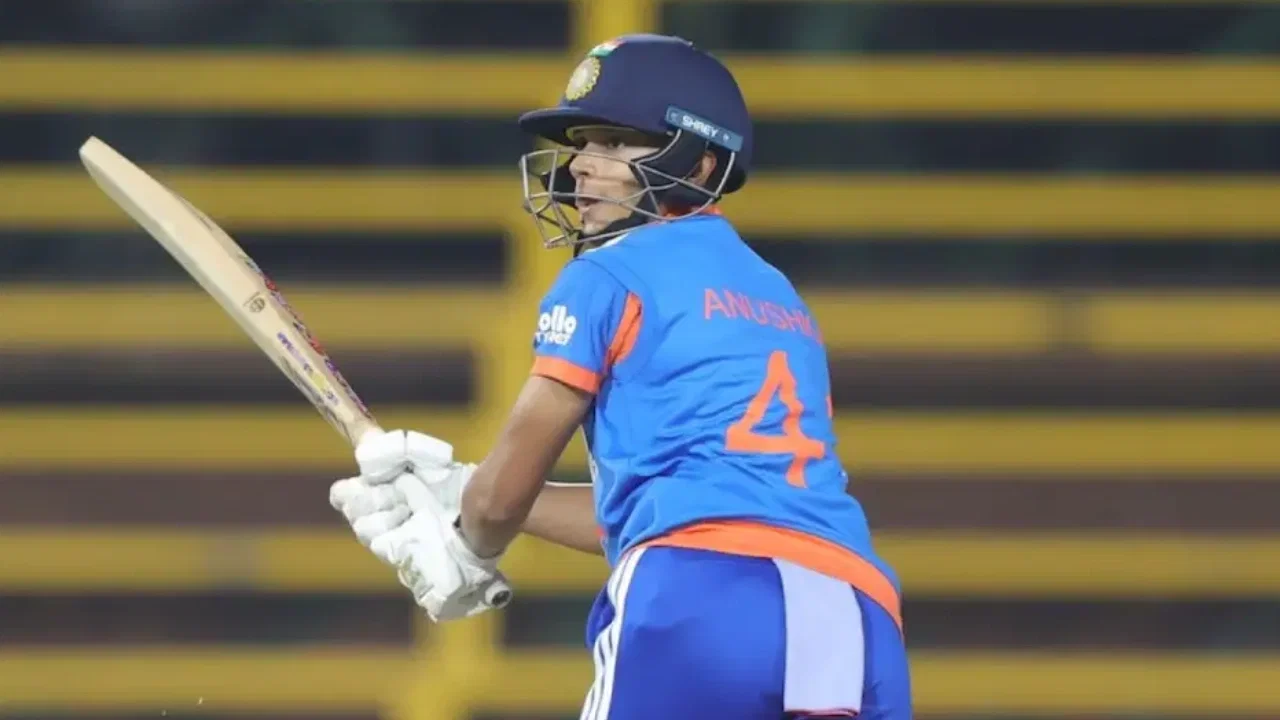
Ravichandran Ashwin says Shubman Gill & Co. took Sri Lanka lightly
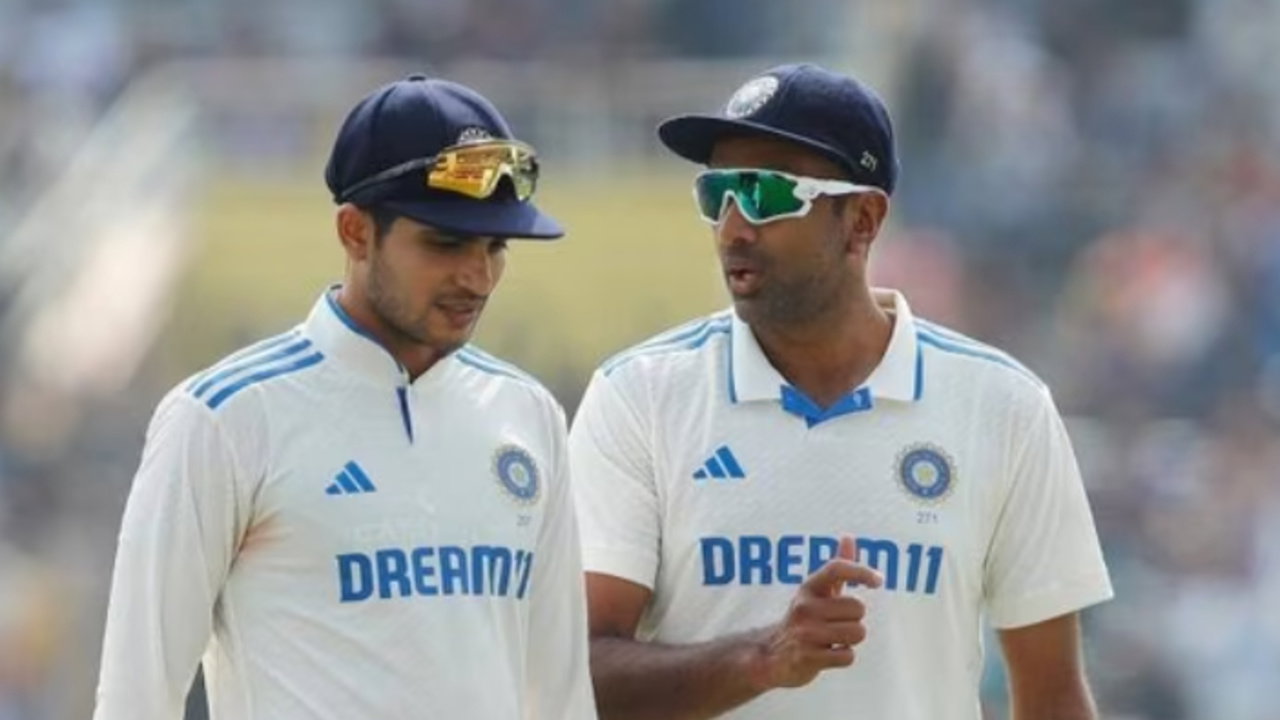
Ravichandran Ashwin Questions India’s Strategy in Second Test Against Sri Lanka: Prediction of Underestimating the Hosts
The recent second Test match between India and Sri Lanka at the Sinhalese Sports Club in Colombo has sparked significant debate within cricket circles, especially regarding India’s tactical decisions on the final day. Veteran Indian spinner Ravichandran Ashwin has voiced strong opinions, suggesting that India’s team management may have underestimated the resilience and fighting spirit of the Sri Lankan side, particularly after they enforced the follow-on. His insights raise important questions about the decision-making process and the psychological mindset that influenced India’s approach to this crucial match.
Match Overview: A Battle of Willpower and Strategy
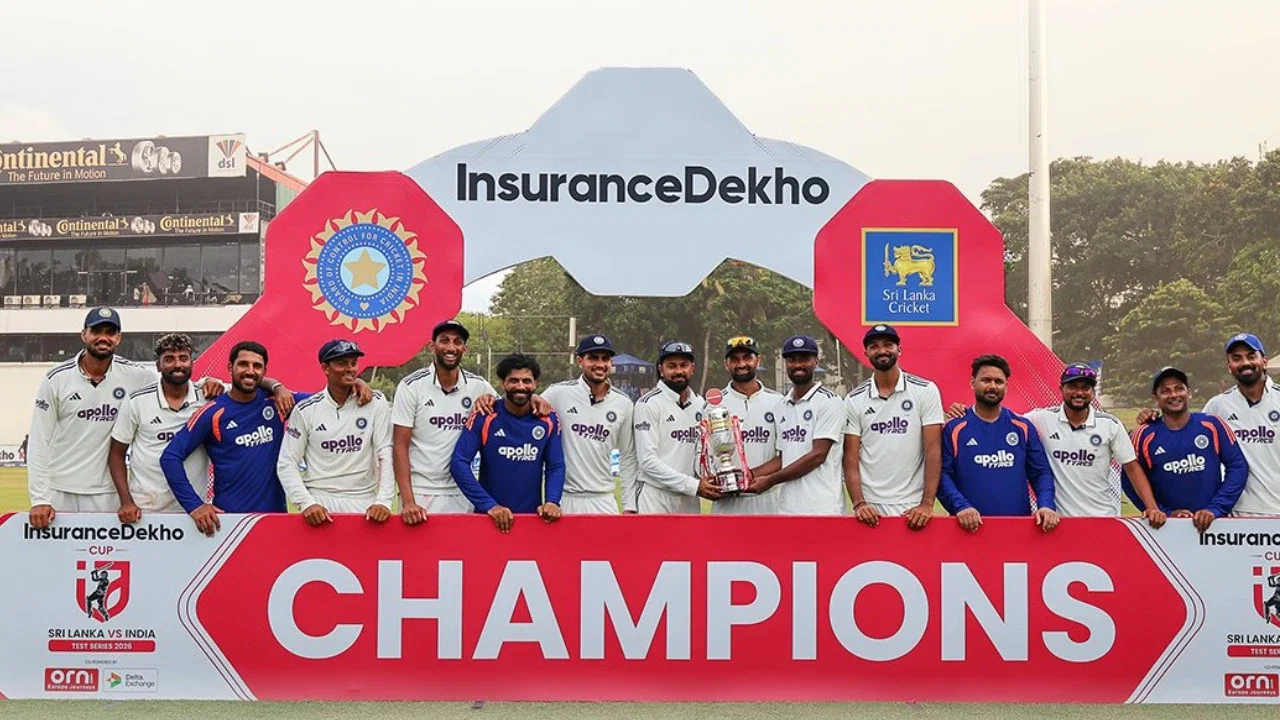
The series had initially set the tone for an exciting contest, with India emerging victorious in the first Test in Galle by a commanding 165-run margin, giving them an early 1-0 lead in the two-match series. Buoyed by this success, India appeared poised to seal the series with a comprehensive victory in Colombo as well. After declaring at a formidable 503/9 in their first innings, India put Sri Lanka on the back foot, bowling them out for 290, thereby establishing a substantial 213-run lead.
With the match seemingly in their control, India opted to enforce the follow-on, a decision that traditionally signals confidence in the bowling attack’s ability to dismiss the opposition quickly. At this juncture, India needed only four wickets to clinch the victory and complete a series sweep. The strategy initially seemed to be paying dividends as Sri Lanka stumbled to 229/6, yet the hosts’ lower-order resilience began to shine through, setting the stage for a tense and prolonged final day.
Sri Lanka’s Epic Fightback: A Test of Endurance and Skill
Day 5 unfolded as a gripping display of determination from the Sri Lankan lower order. Sonal Dinusha, in particular, showcased remarkable grit, remaining unbeaten on 133 off 264 balls. His steadfastness, along with contributions from Keshara Nuwantha and Lahiru Kumara, extended Sri Lanka’s resistance, consuming precious time and frustrating Indian bowlers. Despite relentless efforts with spin and seam, India could not break through in the final stages of the game.
Ultimately, Sri Lanka reached 429/9 in 154 overs, earning a hard-fought draw that denied India the chance for a series sweep. The drawn match resulted in a 1-0 series victory for India, but it also cast a spotlight on the questions surrounding India’s tactical choices, especially the decision to enforce the follow-on.
Ravichandran Ashwin’s Perspective: Prediction and Underestimated Resistance
India’s captain and coaching staff appeared confident that the match would conclude swiftly in their favor, a sentiment that Ashwin suggests may have been misplaced. Speaking candidly on his YouTube channel, Ashwin expressed his belief that India may have taken a somewhat complacent approach, underestimating Sri Lanka’s fighting spirit and durability.
“I had a feeling that they took it slightly easier,” Ashwin stated, referring to India’s decision to enforce the follow-on after bowling nearly 90 overs in the first innings. “There was a certain mentality that, ‘Let’s get this game over quickly,’ as if the Sri Lankan batsmen would collapse under pressure. Enforcing the follow-on has become somewhat of an outlier in modern cricket, especially when bowlers are fatigued.”
Questioning the Decision: Was It the Right Move?
Ashwin’s prediction centers around the notion that India’s team might have underestimated the hosts’ ability to resist and prolong the game. He pointed out that while the threat of rain and weather conditions are always factors to consider, the actual execution and body language of the Indian team suggested overconfidence.
“You could see from their body language that they believed Sri Lanka would be bowled out easily,” Ashwin explained. “Even after bowling close to 90 overs in the first innings, the Indian bowlers looked tired but still eager to finish the match. Perhaps a more strategic approach, such as batting again to push Sri Lanka further back, could have made a difference.”
Insights into the Psychology of Test Cricket Prediction
India’s decision to enforce the follow-on was rooted in a strategic prediction—that Sri Lanka’s lower order would crumble under pressure. However, cricket history is replete with instances where such predictions have been challenged by resilience and tactical resistance. Ashwin’s comments highlight an essential aspect of Test cricket: the importance of reading the opposition’s mental toughness and adjusting strategies accordingly.
In this context, prediction plays a vital role. Teams that accurately gauge the psychological state of their opponents and adapt their approach tend to succeed. In this match, India’s apparent overconfidence—reflected in their body language and tactical choices—may have been a miscalculation, allowing Sri Lanka to seize the opportunity for a memorable fightback.
The Broader Implications: Strategy, Confidence, and Future Predictions
The Sri Lankan resistance not only prevented a clean sweep but also serves as a valuable case study for future Test match predictions. It underscores the need for teams to maintain humility and flexibility, especially when in commanding positions. The decision to enforce the follow-on, while historically sound, must be backed by a thorough assessment of the opposition’s resilience and current form.
For Indian cricket, this match offers a lesson in prediction accuracy and psychological readiness. As Ashwin suggests, a more cautious or aggressive approach—such as batting again to extend the lead—could have altered the outcome. Future predictions in Test cricket must therefore incorporate an understanding of the mental and physical stamina of the opposition, along with weather and pitch conditions.
Conclusion: Reflecting on the Lessons Learned
The second Test between India and Sri Lanka in Colombo has become a defining moment for strategic prediction in cricket. Ravichandran Ashwin’s candid critique highlights the importance of not underestimating opponents and the risks of overconfidence. As cricket fans and teams analyze this match, it becomes clear that successful predictions in Test cricket depend on a blend of tactical acumen, psychological insight, and adaptability.
While India’s series victory remains intact, the lessons from this match will resonate in future strategic planning. Enforcing the follow-on requires not just statistical advantage but also a keen understanding of the opposition’s mental toughness—an area where prediction and intuition must go hand in hand. As cricket continues to evolve, so too must the approach to decision-making, ensuring that teams remain vigilant and adaptable in the face of unpredictable resilience from their opponents.
Additional Context: The Future of Indian Cricket and Prediction Strategies
This match serves as a reminder that cricket, especially Test cricket, remains as much a mental battle as it is a physical contest. The prediction of how opponents will respond under pressure is central to crafting winning strategies. For Indian cricket, embracing a more nuanced and psychologically aware approach could unlock further success in future series.
Moreover, experts and former players like Ashwin emphasize the importance of analyzing body language, stamina, and morale—factors that influence prediction accuracy. As teams continue to adapt and evolve, the art of prediction will become increasingly sophisticated, integrating data analytics, psychological profiling, and real-time assessment.
Final Thoughts
The Colombo Test has reinforced that cricket remains an unpredictable sport, where even the most confident predictions can be challenged by resilience and strategic resistance. Ravichandran Ashwin’s insights invite teams worldwide to rethink their assumptions, emphasizing that in cricket, humility and adaptability are key to making accurate predictions and securing victory.
Latest News
India-Bangladesh series likely in January 2027: Report
Imran Khan’s sons’ interview: PCB threatened to withdraw team from Lord’s Test
Glenn Maxwell punished for audible obscenity during ETPL match
Ravichandran Ashwin explains why Rishabh Pant is not an all-format player
Ravichandran Ashwin says Shubman Gill & Co. took Sri Lanka lightly
Harmanpreet Kaur adds fresh remark on India-Pakistan handshake row
Ajay Jadeja says Shubman Gill is a “biased” captain
BCCI still without India Title Sponsor weeks after deadline, brands in talks
Shubman Gill creates history, joins Anil Kumble in rare Test record in Colombo
“Doing everything I can”: Suryakumar Yadav breaks silence on possible India comeback
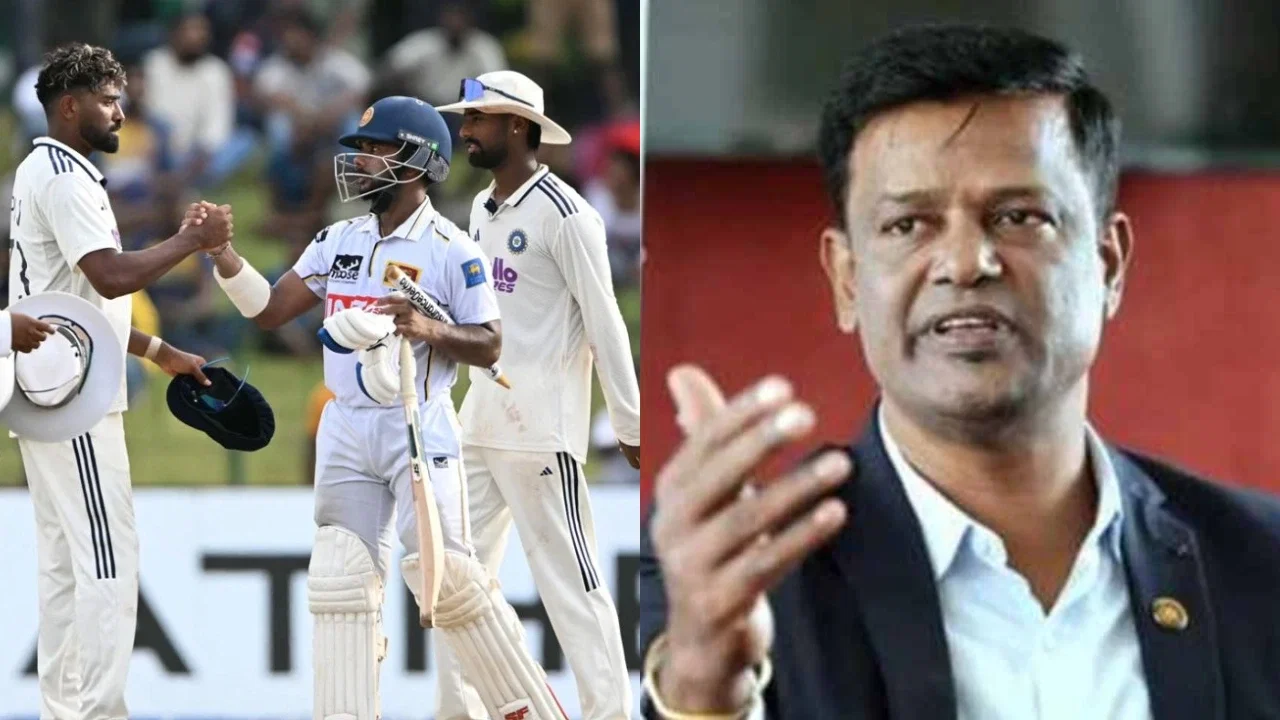
“No Excuse”: Dodda Ganesh slams India for squandering winning position in Colombo
Joe Root surpasses former England pacer, equals Ricky Ponting’s record in Lord’s Test
‘Babar Azam’s game hasn’t developed’: Mickey Arthur on Pakistan captain
Shubman Gill needs to learn lot as India captain: Cheteshwar Pujara