

Ravichandran Ashwin snubs Ravindra Jadeja, names India’s best spin-bowling all-rounder
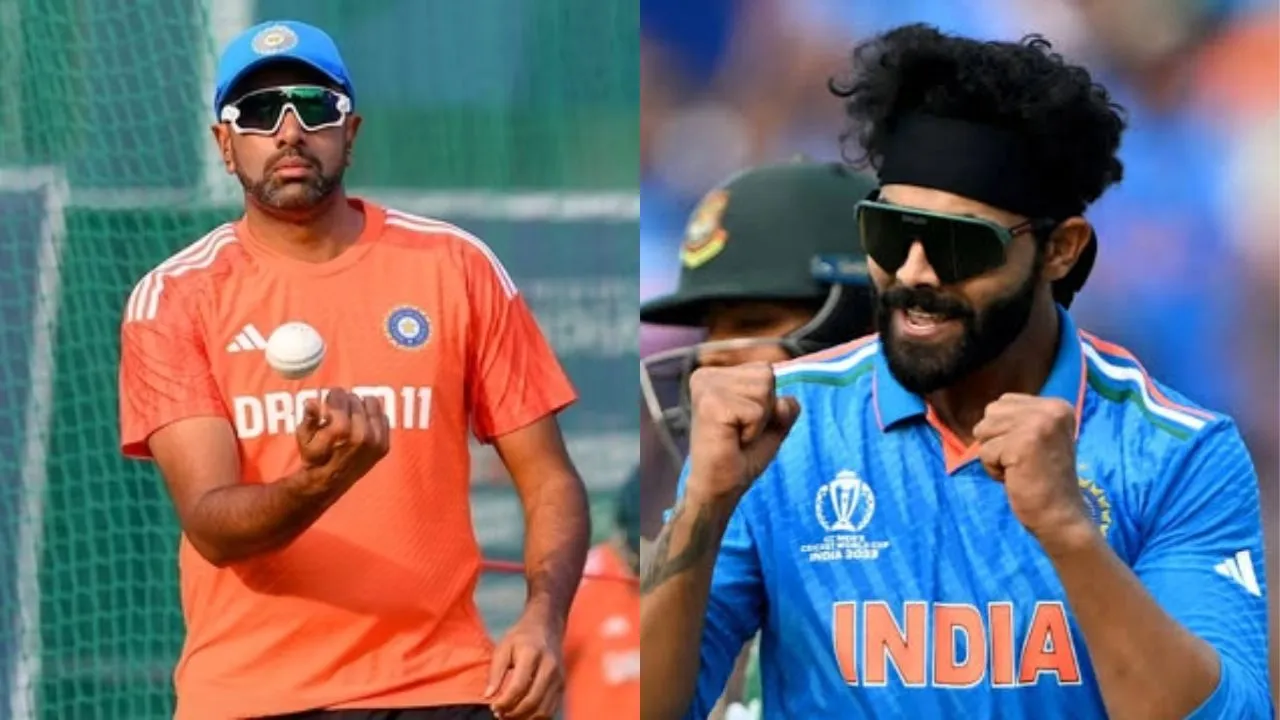
Ravichandran Ashwin’s Prediction: Axar Patel Currently Outshines Ravindra Jadeja in India’s White-Ball Setup
In a recent revelation that has stirred conversations among cricket enthusiasts and experts alike, former Indian cricket star Ravichandran Ashwin has voiced a clear prediction regarding the ongoing competition between two of India’s most talented all-rounders—Axar Patel and Ravindra Jadeja. Ashwin’s prediction underscores a significant shift in the team dynamics, emphasizing Axar Patel’s rising prominence over Jadeja in the current white-ball cricket landscape.
Understanding the Context: The Competition Between Axar Patel and Ravindra Jadeja
As India gears up for the highly anticipated 2027 ODI World Cup, the selection and form of key players like Axar Patel and Ravindra Jadeja have become hot topics. Both players bring unique skills to the table—Jadeja with his aggressive batting and all-round capabilities, and Axar with his precision as a finger spinner. However, recent performances and strategic assessments suggest that Axar is currently ahead in the race for a regular spot in India’s white-ball squads.
Jadeja’s return to the Indian ODI setup after an eight-month hiatus added a layer of intrigue. While Jadeja’s experience and all-round prowess are undeniable, his recent performances have been scrutinized, especially when compared to Axar’s consistent contributions. Meanwhile, Washington Sundar remains an integral part of the mix, pushing for more opportunities to showcase his skills across limited-overs formats.
Ravichandran Ashwin’s Insights: Why Axar Patel is Leading the Race
During a detailed discussion on his popular YouTube channel, Ravichandran Ashwin offered an in-depth prediction that surprised many: he currently rates Axar Patel higher than Ravindra Jadeja in white-ball cricket. Ashwin highlighted that, despite the challenges faced by finger spinners in modern cricket—where variations, grip, and subtlety are critical—Axar has demonstrated remarkable effectiveness and adaptability.
“Because of the subtleties, Axar is ahead of Jadeja at this point,” Ashwin remarked. “Axar the white-ball bowler is right up there. It will always be a rollercoaster for a finger spinner, and you may not always get wickets, but consistency and strategic bowling matter more.”
Supporting his prediction, Ashwin pointed out Axar’s recent impressive performances, including his standout spell in the Asian Games 2026 final against Pakistan, where he claimed 2 wickets for 29 runs in four overs. Over the course of the tournament, Axar finished with four wickets from two matches, boasting an impressive average of 9.25 and an economy rate of 5.28—highlighting his ability to contain runs and strike at crucial moments.
Performance Analysis: Comparing Axar Patel and Ravindra Jadeja
In contrast, Ravindra Jadeja’s recent outings have been less impactful. During India’s recent ODI series against the West Indies, Jadeja managed only two wickets at a concerning average of 64.50 and an economy rate of 6.45. Such figures reflect a dip in form, leading to his exclusion from the playing XI for the series finale.
While Jadeja remains a vital part of India’s cricketing fabric, Ashwin’s prediction hints at a subtle shift in selectors’ and coaches’ priorities—favoring players who maintain consistent performance in white-ball cricket, especially as India prepares for the next World Cup cycle.
Washington Sundar: The Need for More Opportunities
Beyond the debate between Axar and Jadeja, Ashwin also shed light on Washington Sundar’s potential. He expressed a desire to see Sundar bowling more regularly, emphasizing that the talented all-rounder possesses the skills necessary to develop into a more formidable player. Unfortunately, Sundar has been somewhat underutilized lately, which might hinder his growth at this crucial juncture.
“I would love to see Washi bowling more,” Ashwin stated. “He has the subtleties and skills, but he’s not getting enough opportunities to showcase his true potential. If given consistent chances, he can elevate his game significantly.”
In the Asian Games 2026 final against Pakistan, Sundar made a notable contribution, finishing with figures of 2/29 from four overs and dismissing key batsmen Sahibzada Farhan and Abdul Samad. Such performances underline his potential and the importance of nurturing his growth within the Indian setup.
Addressing the IPL and T20I Performance Disparity
Another crucial aspect Ashwin touched upon is the common misconception linking IPL form with international T20 success. He cautioned against using IPL performances as a sole predictor of a player’s abilities in T20 Internationals, especially for bowlers like Axar Patel.
“We need to understand that IPL and international T20 cricket are fundamentally different,” Ashwin explained. “In the IPL, conditions, pitches, and team strategies are different, which can influence a player’s form. Axar’s performances in the IPL last year dipped slightly, but that doesn’t define his capability in T20Is.”
This prediction is significant because it underscores the importance of context and environment in assessing player form. Axar Patel’s stats in T20Is—109 wickets in 107 matches at an average of 22.04 and an economy rate of 7.44—highlight his consistency and adaptability. His best figures of 3/9 demonstrate his capacity to influence matches regardless of the format or surface.
Looking Ahead: What the Future Holds for Indian Cricket
As India prepares for the next big international tournaments, the prediction from Ravichandran Ashwin offers valuable insights for selectors, coaches, and fans. The emphasis on form, consistency, and adaptability suggests that Axar Patel might be the preferred choice for upcoming white-ball assignments, especially as the team seeks stability and strategic depth.
Moreover, the ongoing competition between Axar, Jadeja, and Sundar highlights the depth of India’s all-rounder pool—a crucial factor in modern cricket, where versatility and multi-dimensional skills are prized. The ability of these players to adapt to different roles—whether opening the bowling in the powerplay or bowling in the death overs—will be pivotal in shaping India’s fortunes in future tournaments.
Expert Opinions and Strategic Implications
Cricket experts believe that this prediction aligns with the broader trend of India emphasizing consistent white-ball performers who can deliver under pressure. The team management’s focus appears to be on players who excel in limited-overs cricket, where strategic bowling and tactical versatility often outweigh raw wicket-taking ability.
Furthermore, Ashwin’s insights serve as a reminder that players’ performances should be evaluated within the context of the specific format and conditions. His prediction also raises questions about the future role of Jadeja in limited-overs cricket, especially as younger talents like Axar continue to rise and prove their worth.
Conclusion: The Prediction Sets the Tone for India’s White-Ball Strategy
In summary, Ravichandran Ashwin’s prediction that Axar Patel currently outperforms Ravindra Jadeja in white-ball cricket carries significant weight. It reflects a nuanced understanding of the game and highlights the importance of form, consistency, and situational adaptability. As India looks ahead to upcoming international challenges and the quest for World Cup glory, the rise of Axar Patel might well be a key storyline to watch.
Cricket fans and analysts will be keenly observing how these predictions influence team selection, strategy, and player development in the months to come. Ultimately, this prediction not only sheds light on individual performances but also offers a broader perspective on India’s evolving cricketing landscape.
Latest News
Bhuvneshwar Kumar set to make India comeback for New Zealand series: Report
“We will win today’s match”: Rajeev Shukla backs India against West Indies in T20I opener
WATCH: Shimron Hetmyer furious after getting run-out in India vs West Indies 1st T20I
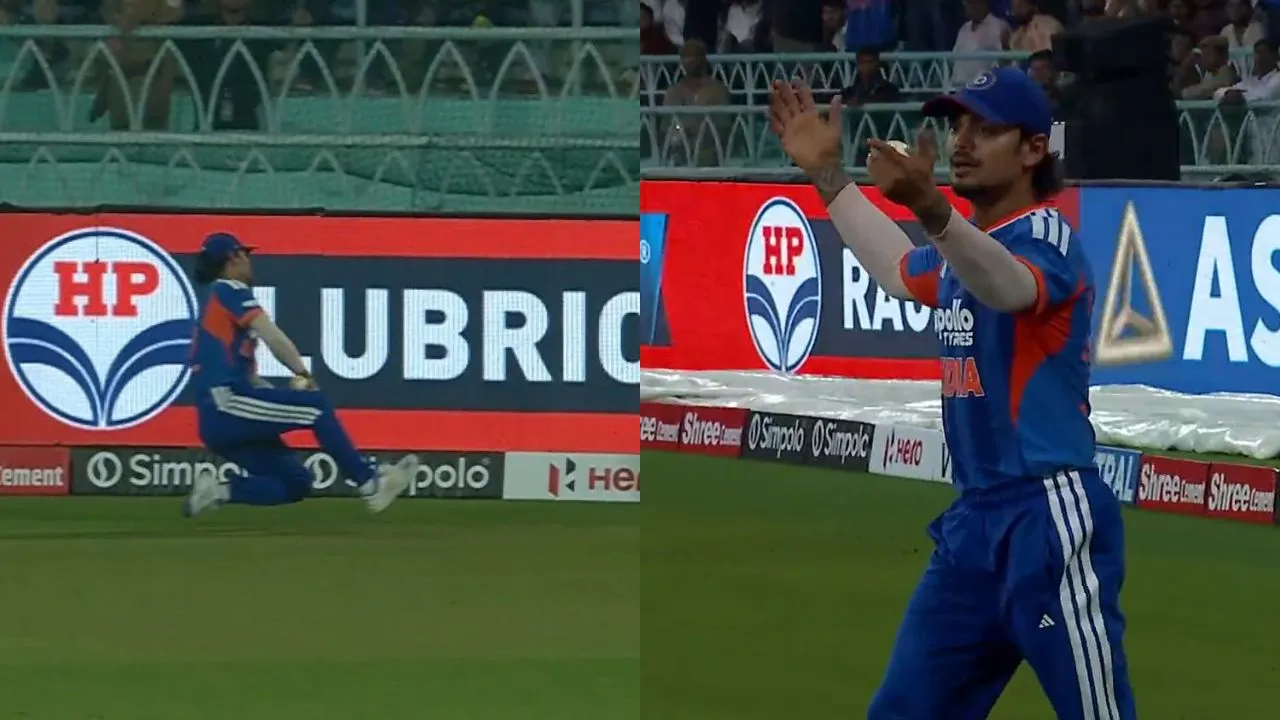
Watch: Ishan Kishan pulls off sensational catch in India vs West Indies 1st T20I
India T20I squad for New Zealand tour announced, Bhuvneshwar Kumar returns
Not KL Rahul! Dhruv Jurel named captain as India A squad for New Zealand tour announced
“Very special honour”: Smriti Mandhana delighted after being named as India captain
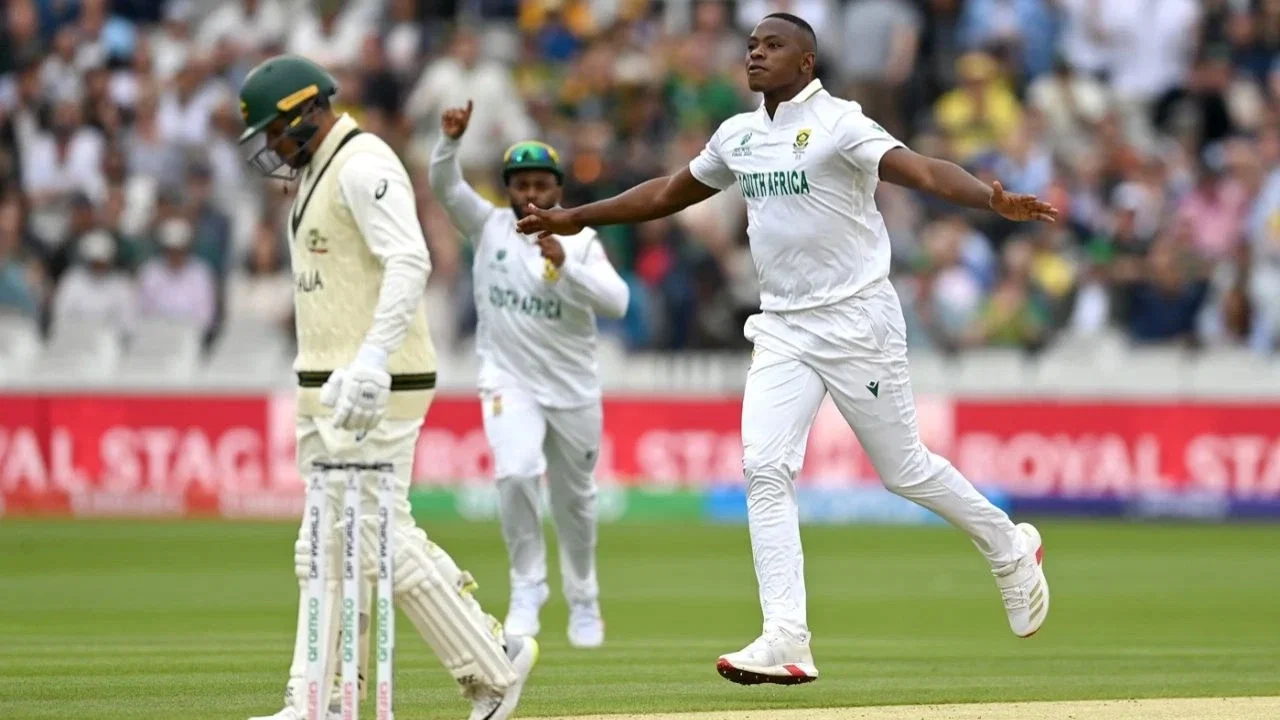
Kagiso Rabada returns to bowling, South Africa wait on final fitness call ahead of 1st Test vs Australia
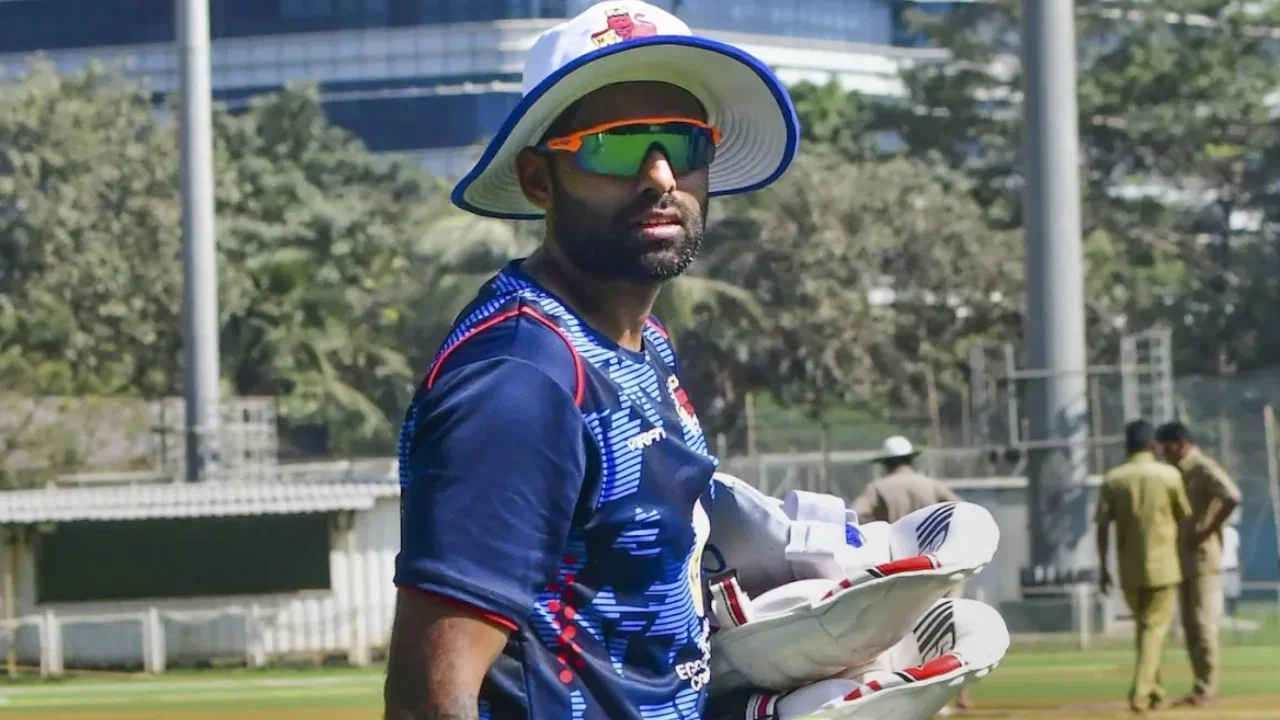
Suryakumar Yadav in line for Mumbai white-ball captaincy after Ranji snub
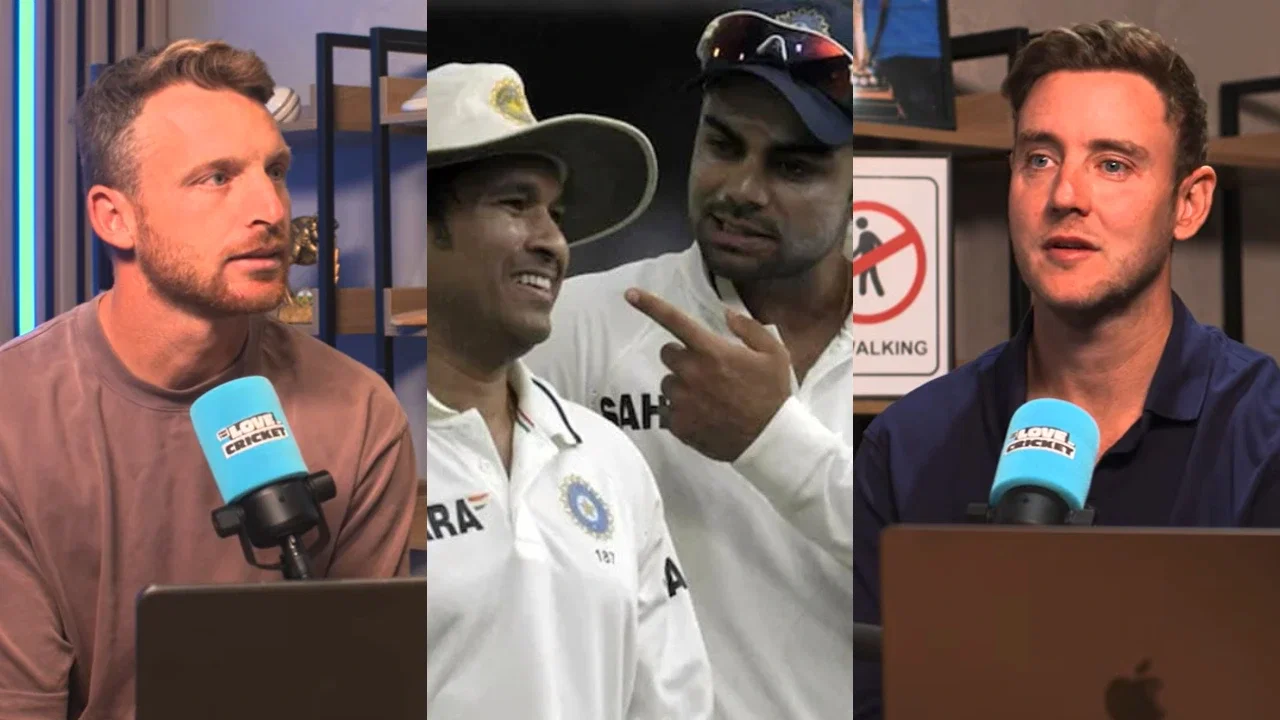
Stuart Broad, Jos Buttler name Top 10 Test batters of 21st century, Virat Kohli gets no.10 spot
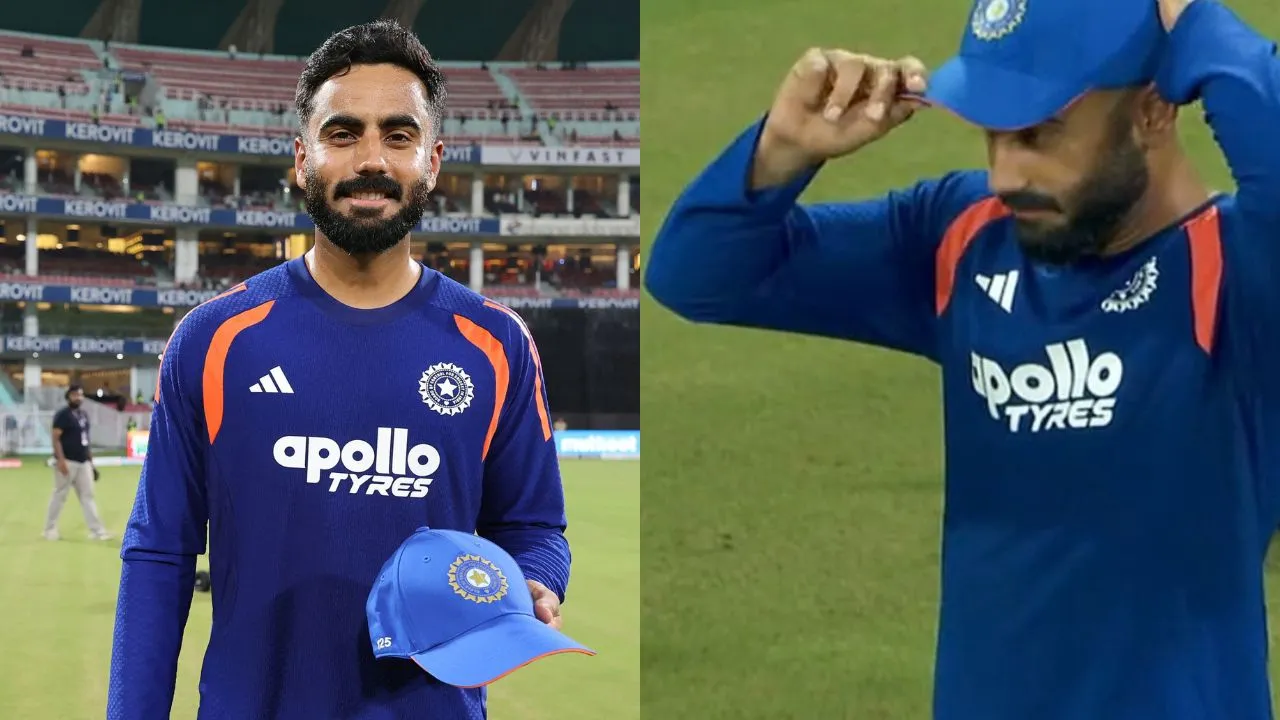
Naman Dhir earns maiden T20I cap after making ODI debut last month against West Indies
Ravi Shastri reopens old wound, reveals why 2016 India coach job snub still hurts
Sourav Ganguly named Delhi Capitals head coach ahead of IPL 2027
India fans face travel problems ahead of 1st T20I due to waterlogging in Lucknow

