

Rohit Sharma ends 205-innings streak with first golden duck as India opener
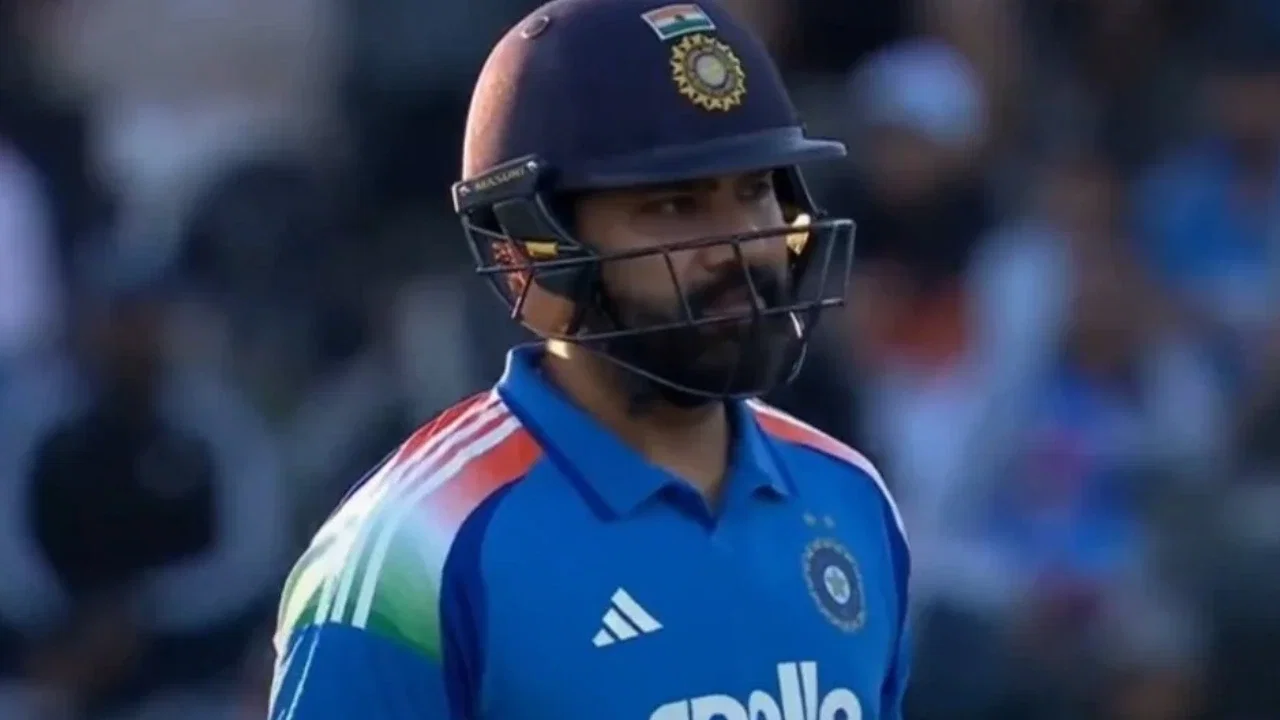
Rohit Sharma’s Golden Duck Overshadows Will Young’s Century in Fourth ODI
India captain Rohit Sharma endured a rare setback in the fourth ODI against New Zealand, falling for a golden duck on the very first ball of the chase at Bay Oval on Friday, November 13. Matt Henry, returning to the New Zealand side, found movement and extra bounce to dismiss the veteran opener and end a remarkable run: Sharma had gone 205 ODI innings as an opener without being dismissed for zero from the first delivery he faced.
The early breakthrough added a dramatic twist to a match shaped by missed chances, a commanding century from Will Young and a strong New Zealand total. The hosts were eventually bowled out for 333, leaving India with a demanding target. Sharma’s dismissal also marked his second duck in three innings against New Zealand in the five-match series.
Matt Henry Strikes on His Return
Henry’s first ball to Sharma was short of a good length and moved away from the right-hander after rising sharply. Sharma stayed in his crease and attempted to defend, but the ball took a thick outside edge. Finn Allen reacted quickly at first slip, diving to his left to complete the catch.
It was a significant moment for Henry, who made an immediate impact on his return to the side. For Sharma, the dismissal brought an end to a long-standing personal record. A golden duck is uncommon for a batter of his experience, particularly one who has opened in so many ODI innings, and the timing was especially difficult with India beginning a substantial chase.
Sharma had scored 23 from 28 balls in the second ODI, but his latest outing lasted only one delivery. The dismissal also followed a golden duck for Shubman Gill earlier in the series, adding to the pressure on India’s top order as the contest continued.
Will Young Turns Early Reprieves into a Match-Defining Innings
New Zealand’s innings was built around Young, who scored 125 from 108 balls in his fifth ODI century. His knock included 14 fours and four sixes, and it became the highest score of his ODI career. It was also his first hundred against India and his first century in 24 innings, making it a timely response to a challenging period for the batter.
Young’s innings might have ended before it gathered momentum. He was dropped twice early in his stay, both times off the bowling of Auqib Nabi, with the first chance coming when he had made only five. Sharma and wicketkeeper Ishan Kishan were unable to hold on to the opportunities, giving the New Zealand batter a valuable second chance.
Rather than allowing the missed chances to unsettle him, Young adjusted his approach. He later explained that he noticed himself becoming too static at the crease after the drops. To regain control, he began moving forward and transferring his weight into his shots. The change helped him find his rhythm and put India’s bowlers under sustained pressure.
Partnerships Keep New Zealand Moving
Young first combined with Tim Seifert, who scored a maiden ODI half-century during a 72-run partnership in the opening Powerplay. Seifert’s attacking approach gave New Zealand a brisk start before Gurnoor Brar broke the stand.
Young then joined Finn Allen for another important partnership, adding 90 runs as New Zealand continued to build. Allen’s dismissal came when Sharma took a sharp catch at cover, but by then Young had established himself as the innings’ central figure. His century provided the platform for the lower order to push the total beyond 300.
Mitchell Santner added 24, Kristian Clarke made 22, and Kyle Jamieson remained unbeaten on 19. Their contributions helped New Zealand recover from the loss of wickets and finish with a challenging total of 333 before being bowled out.
India Recover After Fielding Errors
India had won the toss for the fourth consecutive time in the series and elected to bowl, but their fielding made the decision harder to capitalise on. The two missed opportunities against Young were particularly costly, as the batter went on to score a century and anchor the innings.
India did, however, find a way to slow New Zealand after the early partnerships. Axar Patel removed Nick Kelly, while Nabi dismissed Dean Foxcroft. Nabi, Brar and Axar finished with two wickets apiece, and Arshdeep Singh and Naman Dhir took one each. Their efforts prevented the hosts from turning a strong start into an even larger total.
The innings underlined how quickly the balance of an ODI can shift. A dropped catch can extend a batter’s stay, while a breakthrough at the right moment can halt a partnership. Young’s performance was a clear example of the value of making opponents pay for missed chances.
Young Reflects on the Missed Chances
After his innings, Young said he felt both disappointment and relief when the first catch went down. The second, he recalled, was a moment he had to move on from quickly. He also shared a light exchange with Virat Kohli, asking whether Kohli had ever been dropped twice in one over. Kohli laughed and said he had not, Young said, before the batter focused on the next delivery.
Young’s comments offered insight into the mental side of batting. Rather than dwelling on the errors, he treated the reprieves as a reminder to reset and make better use of his opportunity. His decision to move forward more decisively proved effective, helping him convert an uncertain start into a career-best ODI score.
What the Fourth ODI Means for India’s Chase
India’s chase began under immediate pressure after Sharma’s first-ball dismissal. Losing a captain and established opener without scoring can disrupt a team’s plans, particularly when the target is above 300. The remaining batters must balance caution with the need to maintain a competitive scoring rate, while New Zealand can attack with confidence after Henry’s early strike.
Any prediction about the outcome of a chase of this size depends on how India’s top order responds, how effectively the middle order builds partnerships and whether New Zealand can keep taking wickets. The hosts’ total is substantial, but the match remains open in ODI cricket, where one extended partnership can quickly change the equation.
For New Zealand, Young’s century and Henry’s immediate impact on his return provided two major boosts. For India, the match offered a reminder that fielding opportunities can be decisive and that a successful chase requires composure after an early setback. Sharma’s rare golden duck may have dominated the opening headlines, but Young’s ability to turn two dropped catches into a match-defining innings was equally central to the story.
Latest News

SA vs BAN Playing 11 Today, Live Streaming, Pitch & Weather: South Africa tour of Bangladesh 2026, 2nd Test

AUS vs ENG Playing 11 Today, Live Streaming, Pitch & Weather: England tour of Australia 2026, 2nd T20I

Blair Tickner ruled out of 2nd Test vs India, replacement named

Tim Paine and Justin Langer face fresh questions over Australia’s ball-tampering scandal

India tour of Bangladesh gets fresh hope as BCB confirms talks with BCCI

Tom Latham opens up on soft ball problem and saliva ban after draw against India

Ajinkya Rahane slams Tilak Varma for publicly criticising Shahbaz Ahmed after India A’s defeat

ICC to introduce IPL-style bat checks in international cricket

“Smiling Laughing doesn’t happen”: R Ashwin’s dig at India’s approach after draw vs New Zealand

“Not good enough for Test cricket”: Scott Styris, Sunil Gavaskar slam Wellington pitch

Dodda Ganesh declares India ‘out of WTC final race’ after Wellington Test draw

Ajinkya Rahane criticises Shubman Gill for abusing Akash Deep in 1st Test vs New Zealand

‘Why so many boundary riders?’ Dinesh Karthik questions Shubman Gill’s captaincy after Wellington Test

“I just want to enjoy my life”: Yash Dayal reflects on his return to cricket


