

Rohit Sharma, Virat Kohli’s 2027 World Cup spots confirmed, Gautam Gambhir scared to challenge selection
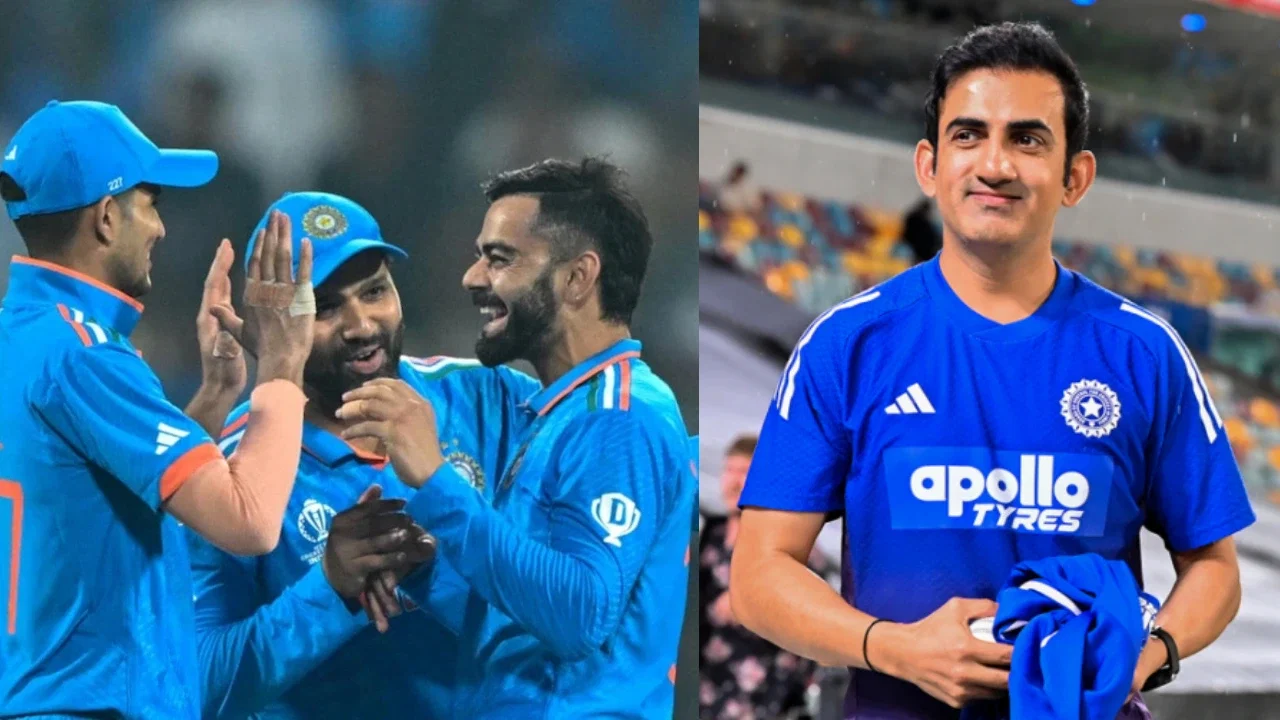
Rohit Sharma and Virat Kohli Reportedly Remain in India’s 2027 ODI World Cup Plans
India’s plans for the 2027 ODI World Cup may still include two of its most experienced batters. Despite disappointing returns during the recent series against New Zealand, Rohit Sharma and Virat Kohli are reportedly viewed by senior figures in Indian cricket as important options for the tournament in South Africa.
Their participation is not guaranteed. Both players will need to remain fit and decide that they want to continue playing international cricket. But a report by Dainik Jagran suggests the authorities’ earlier wait-and-see approach has shifted: rather than treating the pair’s futures as an immediate selection question, the emphasis is now on their experience and their own intentions.
The 2027 World Cup is scheduled to take place in South Africa from October 2 to November 21. With challenging conditions expected, supporters and former players are already debating how much value India could gain from retaining two batters who have performed on the biggest stages.
New Zealand Series Statistics Tell Only Part of the Story
Rohit’s recent numbers were modest. He scored 30 runs across four innings, averaging 7.50, and registered two ducks. He failed to reach double figures in his other two appearances, a run of results that naturally renewed scrutiny of his form and long-term place in the ODI side.
Kohli finished the series as India’s leading run-scorer, but his overall return was also limited. He made 86 runs at an average of 21.50, with 74 coming in the opening match. A duck in the fourth ODI further underlined the inconsistency of his campaign.
Those figures provide a snapshot, not a complete prediction of either player’s World Cup prospects. A short series can expose technical or form concerns, but it cannot by itself determine how a batter will perform a year later. Fitness, workload, match practice and the team’s needs will all influence the eventual decision.
Why India Could Value Their Experience in South Africa
According to the report, a senior cricket official believes India will need Rohit and Kohli in South Africa, arguing that their experience could prove decisive on demanding pitches. South African conditions can reward disciplined batting, strong decision-making and the ability to manage periods when scoring is difficult. Familiarity with high-pressure international cricket may therefore matter as much as recent statistics.
Rohit has extensive experience as an ODI opener and captain, while Kohli has built a reputation as one of the format’s most accomplished run-chasers. Their presence could also provide guidance to younger players navigating a major tournament. That does not mean either veteran would be guaranteed a place: selection would still depend on performance, fitness and how the squad is balanced.
The official’s reported comments also place the decision partly in the players’ hands. Both have had long careers at the highest level, and the source suggested they would decide how long they wished to continue. For India, the central question is not simply whether the pair are available, but whether they can contribute effectively in the roles the team requires.
Selectors and Team Management Reportedly Avoiding the Debate
The same report says the team management and selectors are reluctant to become publicly involved in the discussion. A source described the matter as no longer being solely in their hands, adding that their views had already been communicated to the Board of Control for Cricket in India (BCCI).
The reported caution follows claims of tension involving former chief selector Ajit Agarkar. The disagreement is said to have grown after Rohit’s future was discussed in the context of the 2027 World Cup. According to the account, selectors had previously considered moving towards a younger team and informed Rohit that the Lord’s ODI against England could be his last, while also giving him the option of announcing his retirement. These claims have not, in the material provided, been confirmed through an official BCCI statement.
The report further says the issue reached senior board officials and that Agarkar’s position on planning for the future contributed to friction. A review meeting in Mumbai on September 3 reportedly examined India’s results in England and Ireland and discussed the team’s direction. Shubman Gill, Shreyas Iyer, head coach Gautam Gambhir and Centre of Excellence head VVS Laxman were among those said to have attended. Agarkar was reportedly invited but could not attend because of a prior personal commitment.
These accounts point to a complicated decision-making environment, but they should be treated as reported developments rather than a confirmed public dispute. The BCCI, selectors and team management may hold differing views on how to balance continuity with succession planning.
A Short ODI Calendar Could Shape the Selection Picture
India’s limited ODI schedule before the World Cup may also affect the competition for places. The reported fixtures include three home ODIs against Sri Lanka in December 2026 and three against Zimbabwe in January 2027. The team is then expected to play at least six matches in the Asia Cup during June and July, followed by six ODIs against South Africa before the tournament.
Fewer matches mean fewer opportunities for new players to establish themselves in the 50-over side. That could make it harder for a challenger—particularly an opener—to build a substantial case through repeated international performances. On the other hand, a compact calendar places greater importance on domestic form, fitness assessments and the quality of performances in the matches that are available.
India will need to plan for both the immediate tournament and the years beyond it. Keeping experienced players can offer stability, while developing younger batters remains essential if the team is to avoid a sudden transition after the World Cup. The most practical approach may be to assess each player on form and fitness while giving emerging candidates meaningful opportunities.
What to Watch as India’s 2027 World Cup Plans Develop
For now, reports suggest Rohit Sharma and Virat Kohli remain part of the conversation, but no final selection decision has been announced. Their willingness to continue, their performances in upcoming matches and the team’s broader strategy will all shape the outcome.
The prediction that both could feature in South Africa rests largely on the value of their experience, not on their New Zealand numbers. As the tournament approaches, India’s challenge will be to combine that experience with a reliable next generation. Until the BCCI and selectors make their plans clear, the debate over India’s senior stars—and the balance of its 2027 World Cup squad—is likely to continue.
Latest News

SA vs BAN Playing 11 Today, Live Streaming, Pitch & Weather: South Africa tour of Bangladesh 2026, 2nd Test

AUS vs ENG Playing 11 Today, Live Streaming, Pitch & Weather: England tour of Australia 2026, 2nd T20I

Blair Tickner ruled out of 2nd Test vs India, replacement named

Tim Paine and Justin Langer face fresh questions over Australia’s ball-tampering scandal

India tour of Bangladesh gets fresh hope as BCB confirms talks with BCCI

Tom Latham opens up on soft ball problem and saliva ban after draw against India

Ajinkya Rahane slams Tilak Varma for publicly criticising Shahbaz Ahmed after India A’s defeat

ICC to introduce IPL-style bat checks in international cricket

“Smiling Laughing doesn’t happen”: R Ashwin’s dig at India’s approach after draw vs New Zealand

“Not good enough for Test cricket”: Scott Styris, Sunil Gavaskar slam Wellington pitch

Dodda Ganesh declares India ‘out of WTC final race’ after Wellington Test draw

Ajinkya Rahane criticises Shubman Gill for abusing Akash Deep in 1st Test vs New Zealand

‘Why so many boundary riders?’ Dinesh Karthik questions Shubman Gill’s captaincy after Wellington Test

“I just want to enjoy my life”: Yash Dayal reflects on his return to cricket


