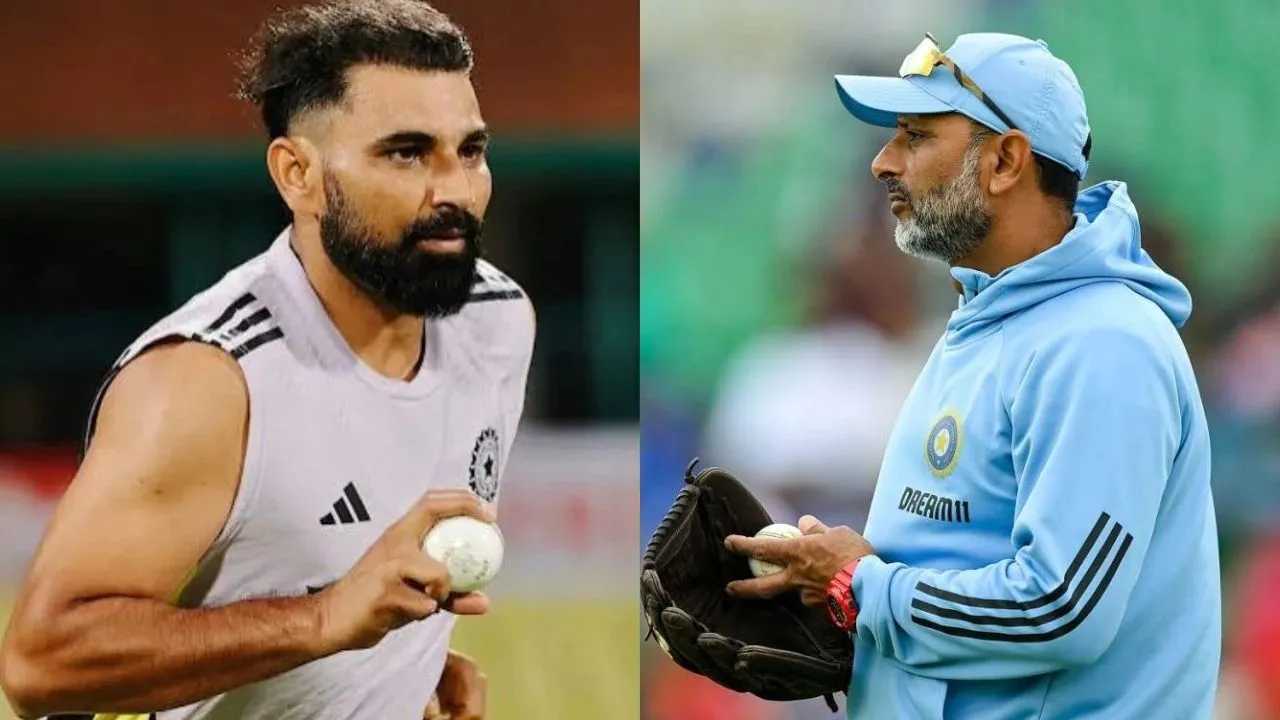
Rohit Sharma’s close ally opposes Mohammed Shami’s 2027 World Cup selection
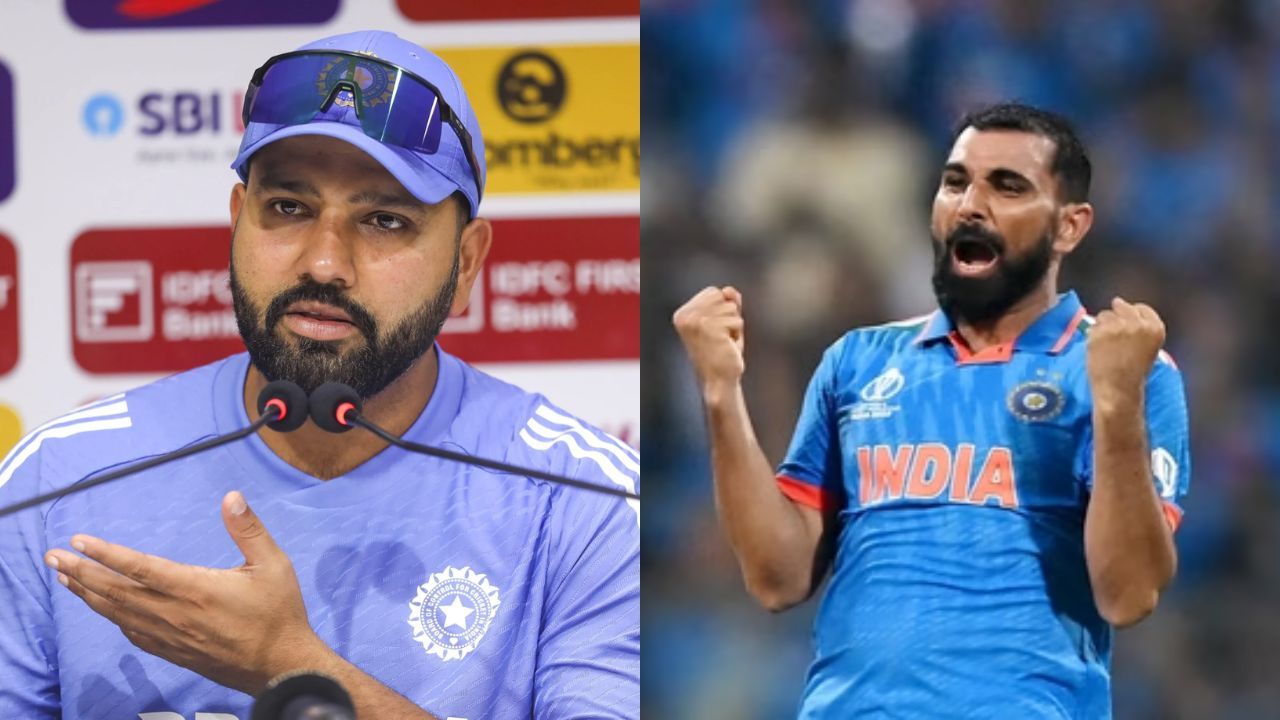
India’s Pace Bowling Future: Dinesh Karthik Predicts the Path Ahead for Mohammed Shami and the 2027 ODI World Cup
As India gears up for another challenging journey toward the 2027 ODI Cricket World Cup, debates surrounding team composition and player selection remain at the forefront of cricket discussions. Among the most prominent voices contributing to these debates is former Indian wicketkeeper-batsman Dinesh Karthik, who recently shared his expert prediction regarding the future of veteran pacer Mohammed Shami in India’s World Cup plans. His insights not only shed light on the current state of India’s fast bowling department but also reflect broader themes about team strategy, talent development, and the importance of planning for the long-term success of Indian cricket.
Shami’s Journey and Current Status in Indian Cricket
Mohammed Shami has long been regarded as one of India’s most formidable fast bowlers, renowned for his skill, consistency, and ability to deliver under pressure. Since making his international debut in 2013, Shami has been a pivotal part of India’s pace attack, especially in white-ball cricket, where his ability to swing the ball and generate pace has troubled many top-order batsmen. His performance at the ICC Champions Trophy 2025 was particularly noteworthy, where he led the Indian pace attack with distinction, showcasing his experience and skill on the big stage.
Despite his impressive contributions, Shami has been absent from the international scene since the 2025 Champions Trophy, primarily due to fitness concerns and strategic team selections. His absence highlights a broader issue facing Indian cricket: the ongoing search for a stable and reliable fast-bowling unit capable of competing at the highest levels consistently. While Shami continues to impress in domestic cricket—playing for Bengal and maintaining high standards—his return to the Indian team remains uncertain, especially with the looming 2027 World Cup horizon.
The Challenge of Building a Resilient Pace Attack
India’s pace bowling department has faced a period of transition and experimentation. Jasprit Bumrah, India’s premier fast bowler, has been the cornerstone of the attack, especially in ODIs and T20Is. However, beyond Bumrah, the team has struggled to find consistent performers who can match his level of impact. Several emerging fast bowlers, including Prasidh Krishna, Mohammed Siraj, Gurnoor Brar, Anshul Kamboj, and Auqib Nabi, are being groomed to fill the void. Yet, their performances have yet to instill the same confidence that Bumrah has garnered over the years.
This situation has led to ongoing speculation about whether experienced players like Shami should be recalled for the next World Cup cycle. The prediction among cricket analysts and former players is that India will likely prioritize developing a young, versatile fast-bowling squad that can evolve with the demands of international cricket, rather than relying heavily on veterans nearing the end of their careers.
Dinesh Karthik’s Prediction: Why Shami Might Not Make the Cut for 2027
During a recent episode of Cricbuzz’s ‘Hot Takes,’ Dinesh Karthik articulated a clear prediction about Mohammed Shami’s prospects for the 2027 ODI World Cup. Despite acknowledging Shami’s continued excellence in domestic cricket and his ability to bowl effectively, Karthik expressed the view that the Indian selectors are already looking beyond him for their long-term planning.
“No, I wouldn’t be considering him for the 2027 World Cup,” Karthik stated. “India has moved past him in their planning, and it makes little sense to go back now. Even though he’s bowling well, the team needs to look ahead and build a squad that can sustain success over multiple World Cups.”
This prediction aligns with the broader trend in modern cricket, where teams increasingly focus on nurturing young talent and building depth for future tournaments. The emphasis is on adaptability, fitness, and evolving skillsets that can adapt to changing game scenarios. Karthik’s stance underscores a strategic shift towards long-term squad development, favoring emerging pacers who might have less international experience but possess the potential to develop into world-class bowlers.
Implications for India’s Selection Strategy
The prediction about Shami’s non-inclusion in the 2027 World Cup raises important questions about the future of Indian fast bowling. Will the selectors prioritize consistency and youth over experience? And how will this impact the team’s chances in future tournaments?
India’s selectors are likely to adopt a holistic approach that balances experience with emerging talent. While Shami’s performances in domestic cricket and his experience remain valuable, the emphasis on building a cohesive, adaptable squad suggests that younger bowlers will receive more opportunities to prove themselves on the international stage. This strategy aligns with recent trends in international cricket, where teams like England and Australia have successfully transitioned to younger, dynamic fast bowlers capable of delivering in all formats.
Beyond Shami: The Evolving Landscape of Indian Fast Bowling
Shami’s potential exclusion from the 2027 squad also reflects the broader evolution of India’s fast-bowling landscape. The team management is keen on developing a versatile bowling unit that can adapt to different conditions, including subcontinental pitches, overseas venues, and the high-pressure environment of World Cups.
Young bowlers like Gurnoor Brar and Anshul Kamboj are being given opportunities to develop their skills, with performances that, while promising, are still in the growth phase. The selectors are likely to prioritize talent that can contribute in multiple conditions, emphasizing pace, accuracy, and the ability to swing the ball—traits that have become crucial in modern ODIs.
Insights into Indian Cricket’s Long-term Vision
What does this prediction tell us about the broader vision of Indian cricket? It suggests a focus on strategic planning, talent development, and a willingness to evolve. While seasoned players like Shami have played a vital role in India’s cricketing success, the team’s future hinges on identifying and nurturing the next generation of fast bowlers who can carry the burden at major tournaments.
This approach is not without risks; relying on emerging players requires patience and confidence in their ability to perform under pressure. However, the prediction by Karthik indicates a clear direction: India is looking to build a sustainable, adaptable, and resilient pace bowling unit capable of competing at the highest level for years to come.
Conclusion: Prediction as a Guide to Future Strategies
As the cricketing world continues to anticipate the next major tournaments, the prediction that Mohammed Shami may not feature in India’s 2027 World Cup squad underscores the importance of long-term planning. While the veteran pacer remains a significant asset, team selectors are likely to prioritize youth and versatility to ensure India’s continued success in international cricket.
Ultimately, the prediction reflects a broader trend in cricket: the game is evolving rapidly, and teams must adapt by balancing experience with emerging talent. As India charts its path toward the 2027 ODI World Cup, the focus will remain on building a dynamic, resilient squad—one that can meet the challenges of modern cricket head-on and secure India’s place at the pinnacle of world cricket for years to come.
Additional Context: The Future of Indian Cricket and the Role of Predictions
Expert predictions like those from Dinesh Karthik serve as valuable insights into the strategic thinking behind team selection. While they are not definitive, they reflect current trends, talent assessments, and the evolving landscape of international cricket. As India continues to develop its pipeline of fast bowlers, fans and analysts alike will watch closely to see how these predictions unfold and how the team adapts to the new challenges ahead.
In conclusion, the prediction that Mohammed Shami might not be part of India’s 2027 World Cup journey encapsulates a broader narrative about cricket’s future—one that emphasizes foresight, adaptability, and the relentless pursuit of excellence through strategic talent development.
Latest News
Top 10 highest run-chases in T20 cricket history, ft. West Indies’ Ranchi win vs India
Aaryavir Sehwag and Anvay Dravid set to make headlines at U19 Asia Cup 2026
Longest ducks in Test cricket history ft. Nic Maddinson, Shoaib Akhtar
ECB to offer 39 central contracts to England players after Ben Stokes, Mark Wood’s retirement
Steve Smith surpasses Steve Waugh in all-time Test run-scorers’ list
Shane Watson identifies Gautam Gambhir’s biggest problem as India struggle for consistency
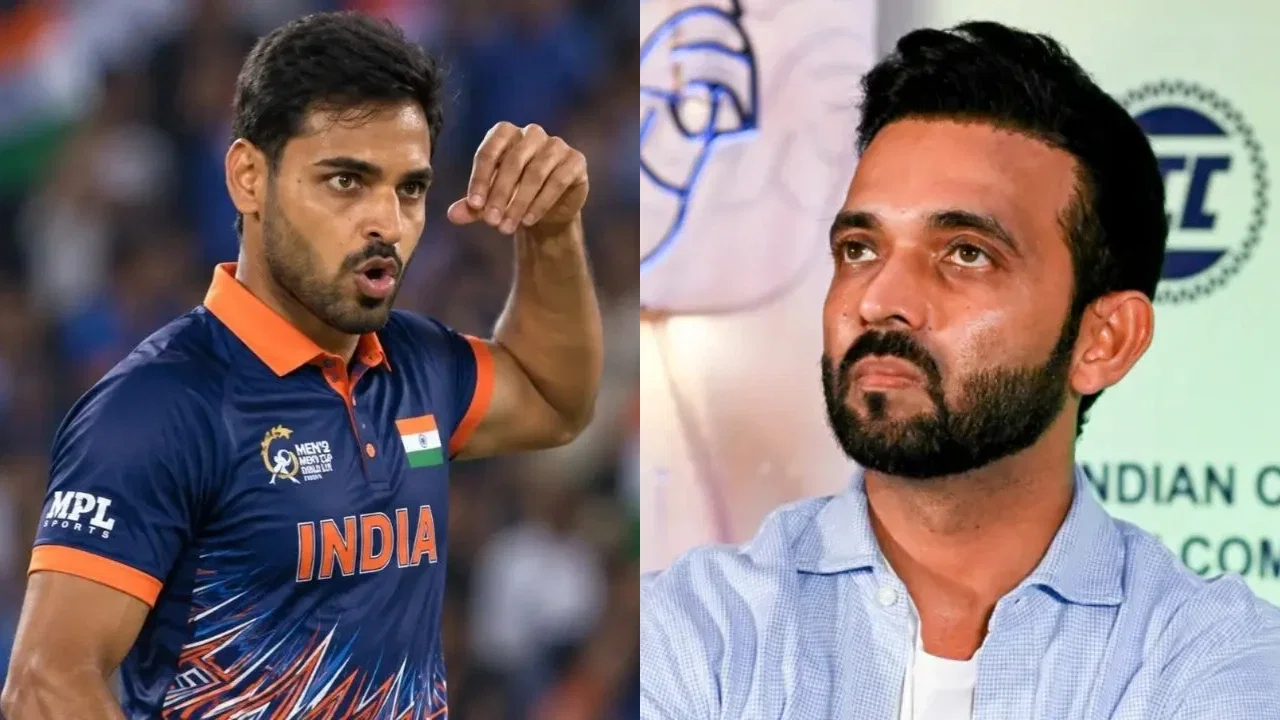
Is Bhuvneshwar Kumar in India’s 2027 World Cup plans? Ajinkya Rahane makes revelation
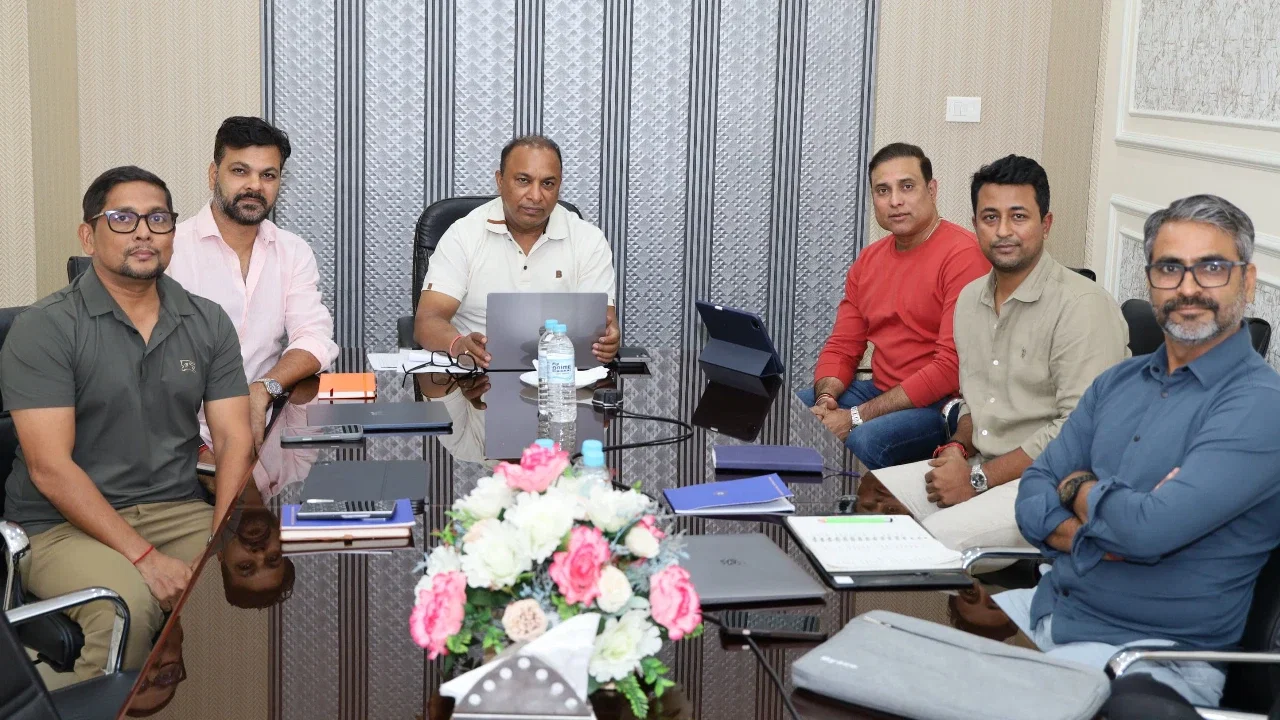
BCCI’s big ₹127 Crore move after injury crisis raises concerns over Team India
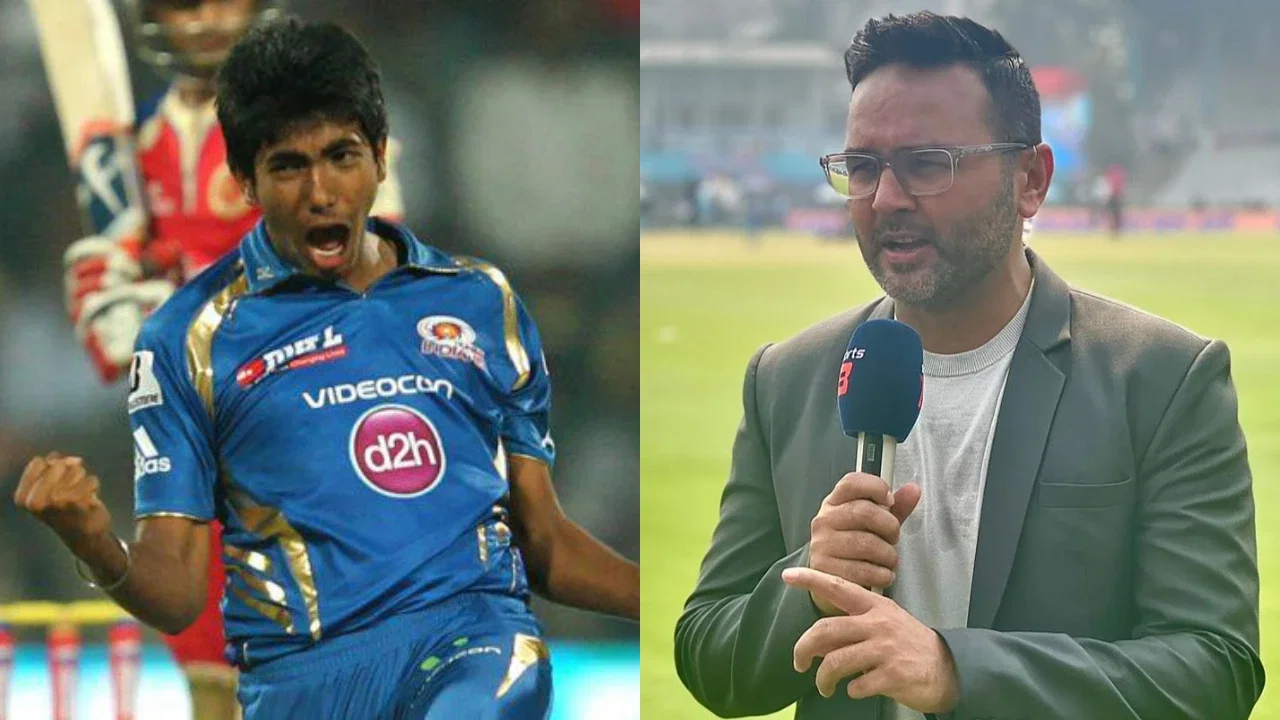
Parthiv Patel reveals RCB ignored his Jasprit Bumrah recommendation in IPL 2014 Auction
“Never spoke ill of any faith”: Irfan Pathan hits back at fake news using his name
Nic Maddinson bags 33-ball duck on Test comeback, disappoints George Bailey
Imran Tahir predicts 2027 ICC ODI World Cup Semi-Finalists, snubs India for title
Australia create unwanted history with first all-30-plus Test XI
Ravindra Jadeja returns to Ranji Trophy as Saurashtra announce squad