

Ruturaj Gaikwad likely to open with Rohit Sharma in NZ ODIs, Gurnoor Brar set to be released
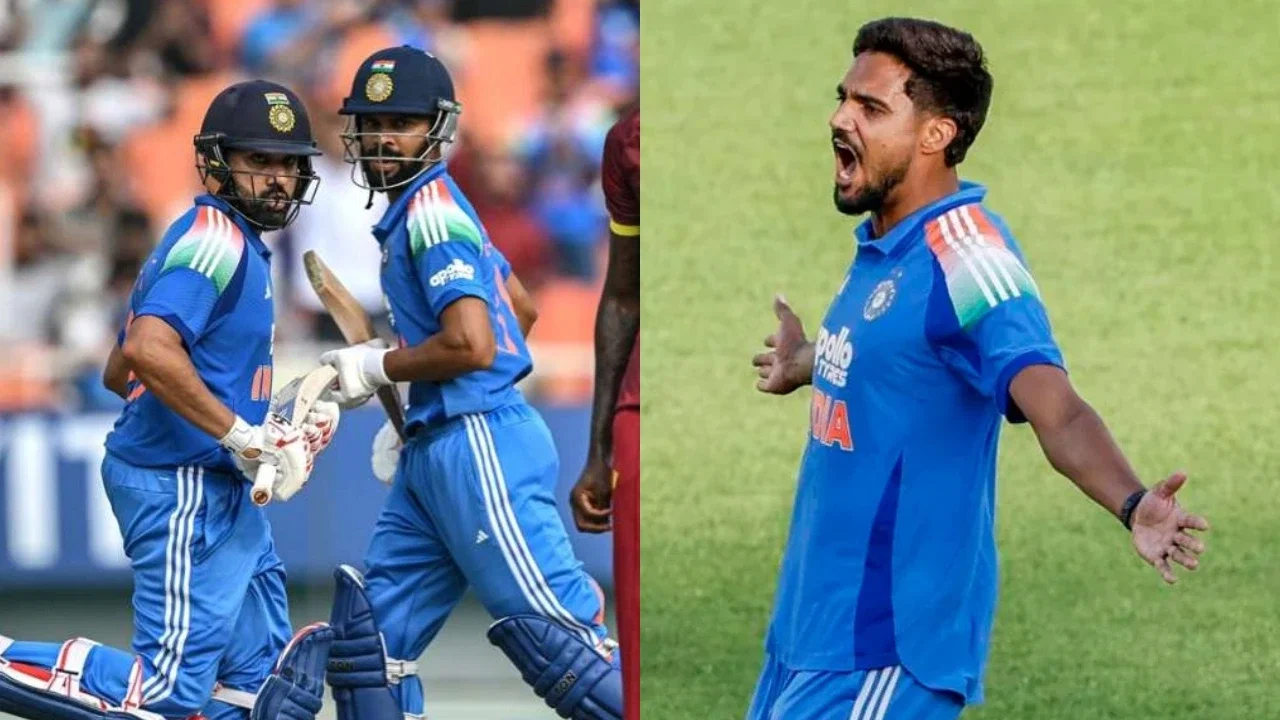
India Weigh Ruturaj Gaikwad-Rohit Sharma Opening Partnership as New Zealand ODI Series Heats Up
India may use the remaining matches of their ODI series against New Zealand to test a fresh opening combination, with Ruturaj Gaikwad in contention to join Rohit Sharma at the top of the order. Shubman Gill’s departure for the upcoming Test assignment has created an opening, giving Gaikwad a timely chance to make an impression in the 50-over format.
The potential change comes as India manage their squad across two formats and New Zealand fight to protect a notable home record. With the Test series approaching, selection decisions will involve more than the immediate ODI result: the team must balance match preparation, player workloads and opportunities for those on the fringes.
Gaikwad in Line for an ODI Opportunity
According to a report by The Times of India, Gaikwad is likely to be considered as Rohit’s opening partner for the fourth ODI. The right-handed batter has built a reputation for composure and consistency in domestic cricket and has experience at the top of the order. A place in the XI would give him a valuable chance to show how his game translates to the demands of international one-day cricket.
Gill’s absence is the immediate reason for the opening, but the decision could also help India assess their batting depth. With a busy international calendar ahead, giving another player meaningful time in the middle may provide the selectors with useful information about their options should injuries, workload management or future availability affect the first-choice lineup.
India are also understood to be considering Ishan Kishan for a middle-order role rather than asking him to open. That possibility would allow the team to keep a left-handed option in the lineup while giving Gaikwad a chance at the top. The final combination, however, could depend on conditions, the balance of the XI and how the players perform in the lead-up to the match.
Training Offers Clues, but Selection Is Not Confirmed
India’s batters reportedly spent extended periods in the nets before the match. Gaikwad looked comfortable during his session, while Tilak Varma also had time to work through his batting options. Such preparations can offer hints about the team’s thinking, but they do not guarantee a place in the playing XI. The management is expected to weigh form and match conditions before making a final call.
If Gaikwad does open with Rohit, the pairing would bring together a seasoned captain and a batter seeking to establish himself at international level. Rohit’s experience could also help guide a new partner through the early overs, when New Zealand’s seamers may look to exploit movement and bounce.
New Zealand Aim to Keep Their Home Record Intact
The series carries added significance for New Zealand, whose long run without a home ODI series defeat is now under pressure. The Black Caps had gone 11 consecutive home ODI series without losing before this campaign, but India’s results have put that streak at risk.
New Zealand need to win both remaining matches to draw the series. That leaves little room for error and makes the next game especially important: a strong performance could restore momentum, while another India victory would place the visitors in an even stronger position to finish the contest on top.
For the hosts, the challenge will be to turn home conditions into an advantage. Their bowlers will look to make the most of any movement with the new ball, while the batting group must build partnerships and avoid allowing India to control the middle overs. The series also provides a test of how effectively New Zealand can respond when a familiar home advantage is challenged.
Conditions Could Give Batters More Room to Settle
The earlier matches were played on seam-friendly surfaces in Auckland and Hamilton, where conditions offered encouragement to the fast bowlers. The forecast for the remaining fixtures is more favourable, raising the possibility of uninterrupted games and a better opportunity for batters to build substantial innings.
More settled weather and less demanding conditions could change the tactical picture. Batters may have greater scope to play through the line, while captains could need to rely on changes of pace, spin and disciplined field placements as the innings develops. Even so, conditions can vary from venue to venue, and both sides will need to assess the pitch carefully before deciding on their final combinations.
India Consider Releasing Gurnoor Brar for Test Preparation
India are also reviewing the composition of their pace-bowling group, with Gurnoor Brar potentially set to leave the ODI squad after the fourth match. A final decision is expected once the game is complete, as the management considers how best to prepare players for the upcoming Test series.
Brar is not part of India’s Test squad, but he has been asked to remain with the group. His height and pace could make him a useful training option as India prepare to face New Zealand’s tall fast bowlers in Wellington. Keeping him around the Test camp may help the batters practise against a different angle and trajectory, even if he is not included in the official playing group.
Releasing Brar after the fourth ODI would also give India a clearer picture of their bowling resources for the final two one-day matches. The decision reflects the logistical challenge of managing overlapping tours: players and support staff must be positioned where they can contribute most effectively, without losing sight of the series still in progress.
Coaching Staff to Split Between the Two Formats
India’s coaching staff will also divide as attention shifts toward the Tests. Batting coach Sitanshu Kotak confirmed that Gautam Gambhir and spin-bowling coach Sairaj Bahutule will remain with the ODI group. Kotak, pace-bowling coach Morne Morkel and fielding coach Subhadeep Ghosh will join the Test squad.
The split allows each group to focus on the specific demands of its format. The ODI staff can concentrate on the immediate task of completing the series, while the Test coaches begin preparing for the longer contest in Wellington. Coordinating the transition will be important, particularly as players move between squads and adapt to different match plans.
What to Watch in the Remaining ODIs
The main selection question is whether India give Gaikwad the opportunity to open alongside Rohit, and how they arrange the middle order around that decision. New Zealand, meanwhile, must find a way to win both remaining games if they are to draw the series and preserve their home record.
For India, the final matches offer a chance to test depth while maintaining control of the contest. For New Zealand, they are an opportunity to respond under pressure. The prediction will depend on how well each side adapts to the conditions, but the combination of a possible new opening partnership, squad changes and a historic streak at stake makes the closing games an intriguing finish to the ODI series.
Latest News

SA vs BAN Playing 11 Today, Live Streaming, Pitch & Weather: South Africa tour of Bangladesh 2026, 2nd Test

AUS vs ENG Playing 11 Today, Live Streaming, Pitch & Weather: England tour of Australia 2026, 2nd T20I

Blair Tickner ruled out of 2nd Test vs India, replacement named

Tim Paine and Justin Langer face fresh questions over Australia’s ball-tampering scandal

India tour of Bangladesh gets fresh hope as BCB confirms talks with BCCI

Tom Latham opens up on soft ball problem and saliva ban after draw against India

Ajinkya Rahane slams Tilak Varma for publicly criticising Shahbaz Ahmed after India A’s defeat

ICC to introduce IPL-style bat checks in international cricket

“Smiling Laughing doesn’t happen”: R Ashwin’s dig at India’s approach after draw vs New Zealand

“Not good enough for Test cricket”: Scott Styris, Sunil Gavaskar slam Wellington pitch

Dodda Ganesh declares India ‘out of WTC final race’ after Wellington Test draw

Ajinkya Rahane criticises Shubman Gill for abusing Akash Deep in 1st Test vs New Zealand

‘Why so many boundary riders?’ Dinesh Karthik questions Shubman Gill’s captaincy after Wellington Test

“I just want to enjoy my life”: Yash Dayal reflects on his return to cricket


