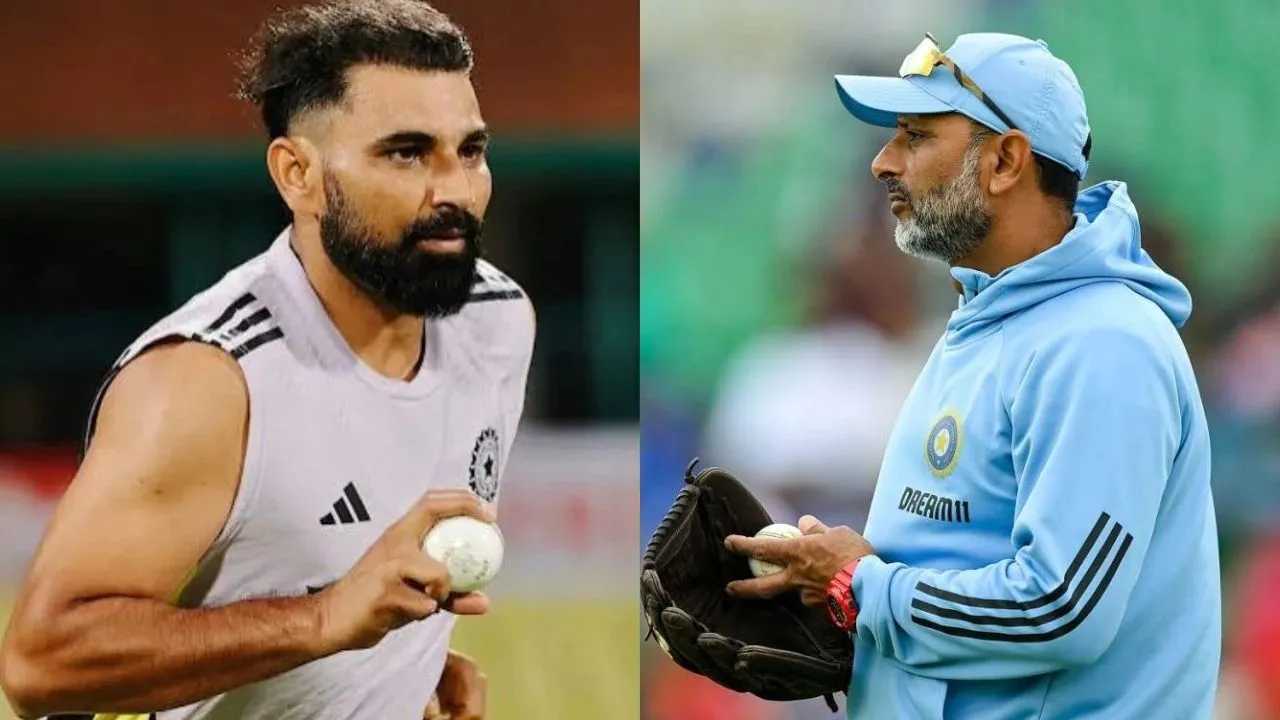
S Badrinath takes dig at Gautam Gambhir over all-rounder obsession
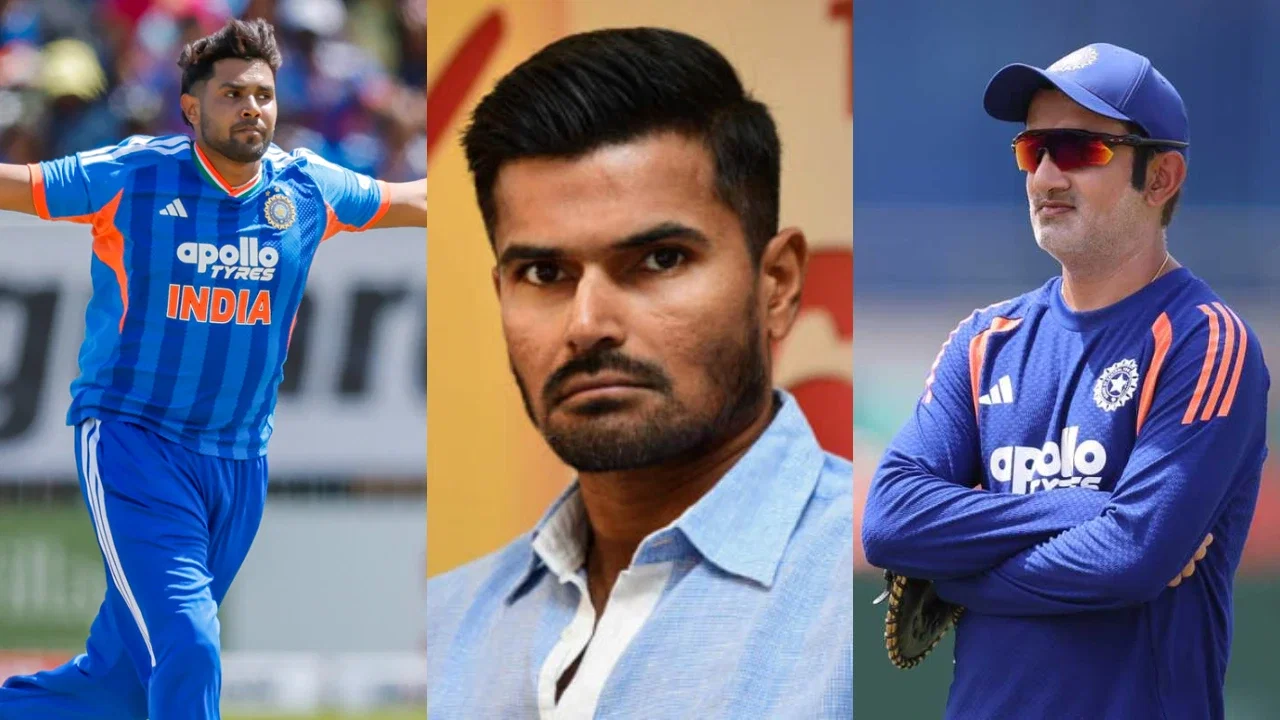
Prediction and Controversy: S Badrinath Criticizes Gautam Gambhir’s All-Rounder Strategy in Indian Cricket
The Indian cricket fraternity is buzzing with discussions and debates as the upcoming three-match T20 International (T20I) series against Afghanistan draws near. Central to this controversy is the ongoing debate over the selection of all-rounders in the Indian squad, with former Chennai Super Kings (CSK) batter S Badrinath raising pointed concerns about the strategy employed by the Indian head coach, Gautam Gambhir.
Background: The Rise of the All-Rounder Debate in Indian Cricket
India has historically been known for its strong batting line-up and potent bowling attack. However, in recent years, the importance of all-rounders—players capable of contributing significantly with both bat and ball—has gained prominence. The team’s management, under Gambhir’s guidance, has shown a keen interest in building a squad filled with multi-skilled players, aiming to enhance flexibility and adaptability in various match situations.
This approach is aligned with modern cricket trends, where all-rounders often serve as match-winners and strategic assets. Yet, as the selection process intensifies, questions have emerged regarding the fitness levels and form of some of these players, especially when multiple candidates are being groomed for the same role.
S Badrinath’s Perspective: The Warning Against Over-Selection
In a recent video posted on his YouTube channel, S Badrinath expressed his concern about the current all-rounder experiment, especially in light of recent selections and fitness issues. He emphasized that while Washington Sundar and Nitish Reddy are indeed genuine all-rounders, Harshit Rana is still a work-in-progress, being developed for that role rather than fully established in it.
Badrinath commented, “All three come into the all-rounder category. In this, Sundar and Nitish are definite all-rounders. But with Harshit Rana, they are trying very hard to make him an all-rounder. Gautam Gambhir seems hell-bent on creating all-rounders and multi-dimensional cricketers. Because of that desperation, these three are constantly getting picked even when they are dealing with injury issues.”
This statement underscores the perception that the Indian team management, under Gambhir’s influence, is pushing for a strategic overhaul that may be compromising player fitness and long-term stability for short-term flexibility.
Fitness Concerns: The Crux of the Selection Dilemma
The recent failure of Harshit Rana’s fitness test has added fuel to the fire. Despite being part of India’s initial squad for the upcoming series, Rana was ruled out after failing to meet the stringent fitness standards required for international cricket. His absence not only creates a setback for the player himself but also raises questions about the team’s overall fitness assessment process.
Rana’s situation is particularly significant given that the Indian team has been incorporating players returning from injuries, emphasizing the importance of fitness in maintaining a competitive edge. The failure of Rana to clear fitness benchmarks has prompted critics to question whether the overall emphasis on multi-skilling is leading to compromised standards in player health and readiness.
Prediction: Future of India’s All-Rounder Strategy
Looking ahead, cricket experts and fans alike are pondering the future trajectory of India’s strategy to develop all-rounders. The core issue remains: who will be the next proven all-rounder after Hardik Pandya? Pandya has been the mainstay in this role for India, displaying consistency with both bat and ball, but the search for his successor continues.
Many analysts predict that unless a player emerges with a reliable combination of fitness, technique, and temperament, the current approach might backfire. The risk of over-reliance on players who are still developing their all-round capabilities could lead to instability, especially in high-stakes tournaments like the T20 World Cup.
Moreover, the emphasis on creating all-rounders from scratch might hinder the development of specialists who could offer more consistency and impact in their primary skills. Therefore, the prediction is that India might need to strike a balance—between nurturing multi-skilled players and trusting proven specialists—to ensure long-term success.
Upcoming Series and Key Matches
The upcoming T20I series against Afghanistan promises to be a critical test for India’s evolving squad. All three matches will be played at the Arun Jaitley Stadium in Delhi, with the first game scheduled for Sunday, September 13, followed by matches on September 15 and 17. Historically, India has dominated Afghanistan in T20Is, winning eight of their nine encounters, with one match ending in no result.
In their last meeting during the 2024 T20 World Cup, India secured a comprehensive victory, winning by 47 runs in Bridgetown. This record adds an element of confidence but also anticipation, as Afghanistan has been steadily improving and could pose a different challenge this time around.
Impact of Fitness and Selection on Team Dynamics
The fitness-related setbacks, such as Harshit Rana’s exclusion, raise questions about the overall selection strategy ahead of the series. With players returning from injury and fitness concerns looming over several squad members, the management’s ability to balance skill, fitness, and long-term planning will be under scrutiny.
Moreover, the selection controversy underscores the need for clear prediction models and strategic planning in Indian cricket. While the pursuit of all-rounders aligns with modern cricket trends, maintaining a focus on fitness and form remains paramount for sustained success.
Expert Opinions and Final Thoughts
Cricket pundits believe that the current debate reflects a broader dilemma faced by Indian cricket: how to develop versatile players without compromising quality and fitness. Some suggest that India should prioritize proven specialists while gradually developing multi-skilled players who are fully fit and ready to perform under pressure.
As the series unfolds, all eyes will be on the performance of the squad, especially the all-rounders, and how well they adapt to the demands of international cricket. The prediction remains that a balanced approach—combining specialization with versatility—will be essential for India’s future success in T20 cricket and beyond.
Conclusion
The ongoing debate over India’s all-rounder strategy highlights the complexities of modern cricket team management. With Gautam Gambhir’s emphasis on building a multi-dimensional squad and the concerns raised by former players like S Badrinath, the upcoming T20I series against Afghanistan serves as a crucial testing ground. How India navigates these selection challenges, fitness issues, and strategic predictions will shape the team’s prospects in upcoming international tournaments.
As cricket fans and analysts await the series, one thing is clear: the future of Indian cricket hinges on striking the right balance between prediction, skill development, and player fitness. Only time will tell if the current approach will lead to success or require recalibration in the quest for cricketing excellence.
Latest News
Top 10 highest run-chases in T20 cricket history, ft. West Indies’ Ranchi win vs India
Aaryavir Sehwag and Anvay Dravid set to make headlines at U19 Asia Cup 2026
Longest ducks in Test cricket history ft. Nic Maddinson, Shoaib Akhtar
ECB to offer 39 central contracts to England players after Ben Stokes, Mark Wood’s retirement
Steve Smith surpasses Steve Waugh in all-time Test run-scorers’ list
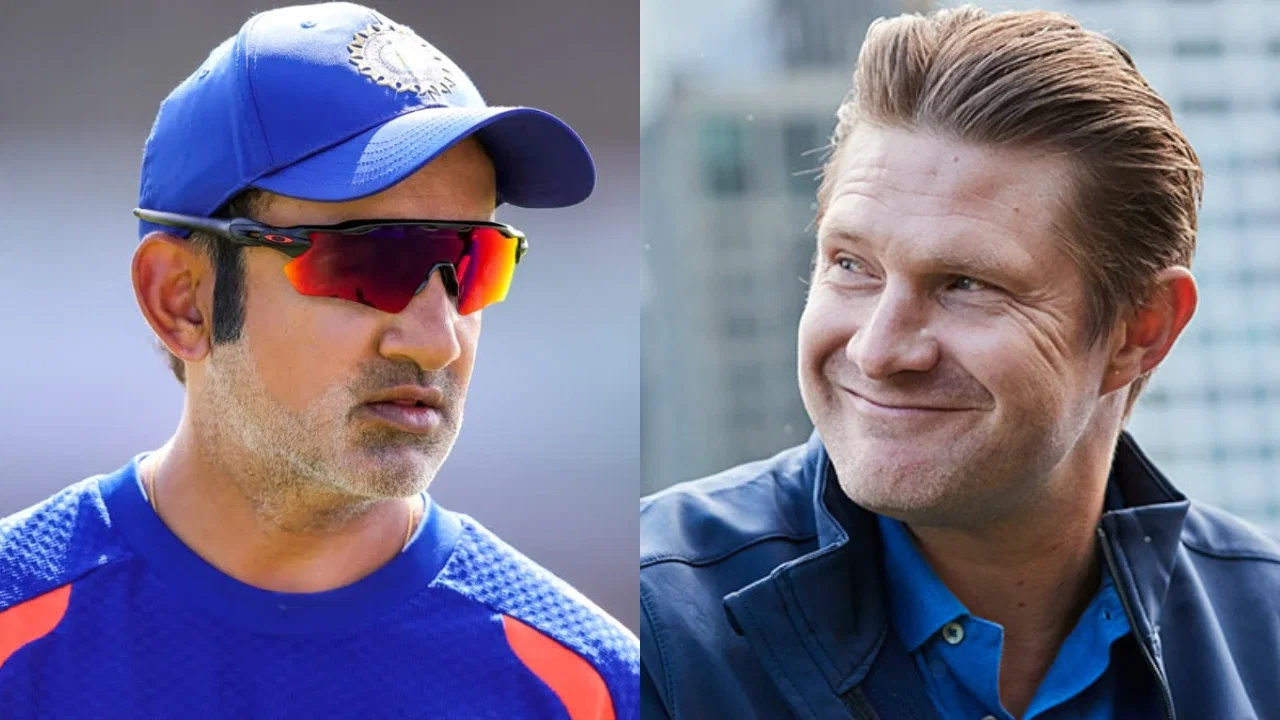
Shane Watson identifies Gautam Gambhir’s biggest problem as India struggle for consistency
Is Bhuvneshwar Kumar in India’s 2027 World Cup plans? Ajinkya Rahane makes revelation
BCCI’s big ₹127 Crore move after injury crisis raises concerns over Team India
Parthiv Patel reveals RCB ignored his Jasprit Bumrah recommendation in IPL 2014 Auction
“Never spoke ill of any faith”: Irfan Pathan hits back at fake news using his name
Nic Maddinson bags 33-ball duck on Test comeback, disappoints George Bailey
Imran Tahir predicts 2027 ICC ODI World Cup Semi-Finalists, snubs India for title
Australia create unwanted history with first all-30-plus Test XI
Ravindra Jadeja returns to Ranji Trophy as Saurashtra announce squad