Sachin Tendulkar, Kapil Dev named in Iceland Cricket’s least successful Test captains XI
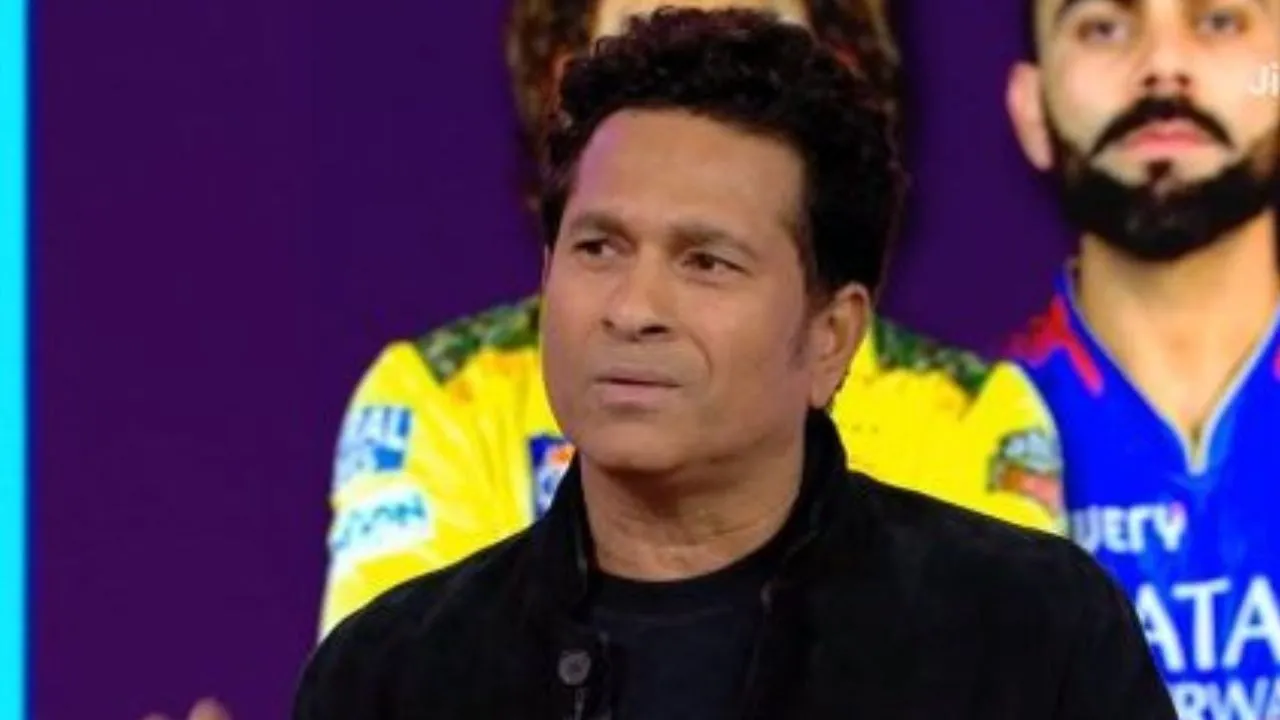
Iceland Cricket Unveils a Satirical ‘Least Successful Test Captain XI’: An Amusing Prediction of Cricket’s Leadership Flops
Cricket fans and enthusiasts worldwide are no strangers to the drama, triumphs, and sometimes, the humorous side of the game. Recently, Iceland Cricket—a popular satire-driven social media account—shook the cricketing community with their tongue-in-cheek prediction of the “least successful” Test captains in cricket history. Through their imaginative XI lineup, they highlighted a mix of legendary names and lesser-known figures, sparking conversations about leadership, record-breaking performances, and the unpredictable nature of cricket leadership. This article delves into Iceland Cricket’s playful yet insightful prediction, offering a comprehensive analysis of the players included, their leadership records, and how they compare to the sport’s most successful captains such as Virat Kohli.
The Concept Behind the Satirical XI: A Lighthearted Take on Leadership Failures
In the world of cricket, captaincy is often associated with glory, strategic brilliance, and inspiring leadership. However, Iceland Cricket’s recent tweet took a humorous approach by assembling a hypothetical “Least Successful Test Captains XI”—a line-up of players whose leadership records, when viewed through the lens of win percentages and overall impact, did not match their individual cricketing stature. This playful prediction offers a unique perspective, emphasizing that even icons can have their leadership shortcomings, and that sometimes, the burden of captaincy doesn’t align with personal talent or reputation.
Their tweet, which has since gone viral, read: “Today we give you our least successful Test captains XI of all time,” and featured a roster of cricketers from various nations, each with notable leadership challenges. This approach not only entertains but also prompts cricket followers to reflect on what makes a successful captain—beyond individual brilliance, including consistency, tactical acumen, and the ability to inspire teams in challenging situations.
Breaking Down the Lineup: Who Made the Cut?
The lineup curated by Iceland Cricket includes some of the most intriguing names in cricket history, offering a mix of well-known legends and surprising choices. Here’s a detailed look at the players featured in their satirical XI:
1. Ian Botham (England) – The Notorious ‘Bad Captain of Captains’
Known primarily for his all-round prowess, Ian Botham captained England during a turbulent period between 1980 and 1981. Despite leading in 12 Tests, he famously did not manage to secure a single victory, suffering four losses and eight draws. Iceland Cricket’s playful label of him as a “bad captain of captains” underscores the unpredictable and sometimes less successful facets of leadership—highlighting that even the legendary Botham struggled to translate his on-field brilliance into leadership success.
2. Sachin Tendulkar (India)
One of cricket’s most revered icons, Sachin Tendulkar’s record as a captain was surprisingly underwhelming. He led India in 25 Tests, securing just four wins, with nine losses and 12 draws—culminating in a modest 16% win rate. Despite his unparalleled batting records, Tendulkar’s captaincy is often viewed as a period of transition rather than dominance, illustrating the prediction that individual greatness doesn’t always equate to tactical mastery or leadership success.
3. Brian Lara (West Indies)
Legendary West Indies batsman Brian Lara led the Caribbean team in 47 Tests. However, his leadership tenure was marked by inconsistency, with only 10 wins against 26 losses. His record reflects the challenges the West Indies faced during that era, including team struggles and internal issues—which Iceland Cricket humorously suggests limited his effectiveness as a captain despite his batting genius.
4. Kapil Dev (India)
One of India’s greatest all-rounders and captain of the 1983 World Cup-winning team, Kapil Dev’s Test leadership record was modest at best. Over 34 Tests, he managed only four wins, with a high number of draws—22—and seven losses. His win percentage of approximately 12% underscores how even cricketing icons can face difficulties in leadership roles at the Test level.
5. Shah Masood (Pakistan)
Pakistan’s Shan Masood is included as a symbol of leadership challenges, having won only four of his 16 Tests as captain—a 25% success rate. Recently replaced by Babar Azam, Masood’s inclusion emphasizes the prediction that not all talented players excel in captaincy, especially under the immense pressure of leading a cricketing nation.
6. John Reid (New Zealand)
New Zealand’s all-rounder John Reid, a key figure in the 1950s, captained the team in a handful of Tests. His leadership record, marked by limited success, reflects the early days of New Zealand cricket when the team was still developing its identity on the world stage. Iceland Cricket’s prediction humorously suggests that his leadership did not match his contributions as a player.
7. Daryl Vettori (New Zealand)
Daniel Vettori, one of New Zealand’s most accomplished spin bowlers and captains, had a leadership record that, in this satirical lineup, is portrayed as underwhelming relative to his individual talent. While Vettori led New Zealand for several years, his win rate was moderate, illustrating the unpredictable nature of captaincy success.
8. Bishan Singh Bedi (India)
Part of India’s famous spin quartet, Bishan Bedi captained India during a transitional period. His leadership was often criticized for tactical indecisiveness, and his record reflects a series of challenges. His inclusion underscores the nuanced view that even accomplished cricketers can struggle with captaincy under pressure.
9. Sarfaraz Ahmed (Pakistan) – The Wicketkeeper Captain
Recent Pakistan captain Sarfaraz Ahmed’s leadership tenure saw moments of brilliance, but also inconsistency. His inclusion symbolizes the difficulty of maintaining winning records in a highly competitive environment, and the prediction that leadership at the international level can be fraught with challenges despite individual talent.
10. Intikhab Alam (Pakistan)
Another Pakistani legend, Intikhab Alam, captained during the 1970s and early 1980s. His leadership record, as highlighted by Iceland Cricket, reflects a period of team building amidst various challenges—highlighting that even experienced captains can face difficulties translating talent into sustained success.
Comparison with the Most Successful Indian Test Captains: A Glimpse into Leadership Excellence
While Iceland Cricket’s prediction playfully critiques the less successful captains, it also invites a comparison with leaders who have defined Indian cricket’s golden eras. Notably, Virat Kohli stands out as India’s most successful Test captain in terms of win percentage, leadership consistency, and team impact.
Virat Kohli: The Epitome of Leadership Prediction
Leading India in 68 Tests, Kohli boasts an impressive record of 40 wins, 17 losses, and 11 draws. His win rate of approximately 58.82% places him among the most successful Indian Test captains in history. Kohli’s aggressive style, tactical acumen, and ability to inspire young talent have been pivotal in India’s dominance across home and away series.
His leadership journey exemplifies how strategic prediction and effective management can elevate a team to new heights, contrasting sharply with the satirical predictions of leadership failures. Kohli’s example underscores the importance of resilience, vision, and adaptability—traits that are often the hallmark of successful cricket captains.
Other Notable Indian Captains and Their Records
- MS Dhoni: Led India in 60 Tests, securing 27 wins and maintaining a 45% win rate. His calm demeanor and sharp tactical decisions earned him respect worldwide.
- Sourav Ganguly: Captained India in 49 Tests, achieving 21 wins, 13 losses, and 15 draws, laying the groundwork for India’s modern cricketing success.
- Shubman Gill: The current emerging leader, with 6 wins out of 11 Tests as captain, showcasing promising leadership potential.
Final Thoughts: Prediction as a Reflection of Cricket’s Complex Leadership Dynamics
Iceland Cricket’s humorous prediction of the least successful Test captains serves as a playful reminder that leadership in cricket remains a complex and unpredictable endeavor. While individual talent can shine brightly, translating that into consistent team success requires tactical insight, mental resilience, and sometimes, a touch of luck.
Furthermore, the contrast between such predictions and the achievements of captains like Virat Kohli highlights the importance of leadership development, strategic planning, and team cohesion. Cricket’s prediction landscape—whether serious or satirical—continues to evolve, offering fans new perspectives on what truly makes a great captain.
As the sport progresses, one thing remains certain: leadership in cricket is a blend of skill, temperament, and vision—a prediction that every aspiring captain should keep in mind.
Stay Tuned for More Cricket Insights and Predictions
For cricket enthusiasts eager to explore more about leadership records, emerging talents, and insightful predictions, stay connected with our updates. The game of cricket continues to surprise, inspire, and entertain—both through historic achievements and humorous predictions like those from Iceland Cricket.
Latest News
Top 10 highest run-chases in T20 cricket history, ft. West Indies’ Ranchi win vs India
Aaryavir Sehwag and Anvay Dravid set to make headlines at U19 Asia Cup 2026
Longest ducks in Test cricket history ft. Nic Maddinson, Shoaib Akhtar
ECB to offer 39 central contracts to England players after Ben Stokes, Mark Wood’s retirement
Steve Smith surpasses Steve Waugh in all-time Test run-scorers’ list
Shane Watson identifies Gautam Gambhir’s biggest problem as India struggle for consistency
Is Bhuvneshwar Kumar in India’s 2027 World Cup plans? Ajinkya Rahane makes revelation
BCCI’s big ₹127 Crore move after injury crisis raises concerns over Team India
Parthiv Patel reveals RCB ignored his Jasprit Bumrah recommendation in IPL 2014 Auction
“Never spoke ill of any faith”: Irfan Pathan hits back at fake news using his name
Nic Maddinson bags 33-ball duck on Test comeback, disappoints George Bailey
Imran Tahir predicts 2027 ICC ODI World Cup Semi-Finalists, snubs India for title
Australia create unwanted history with first all-30-plus Test XI
Ravindra Jadeja returns to Ranji Trophy as Saurashtra announce squad