Salman Ali Agha dropped from Pakistan Test squad after England series loss
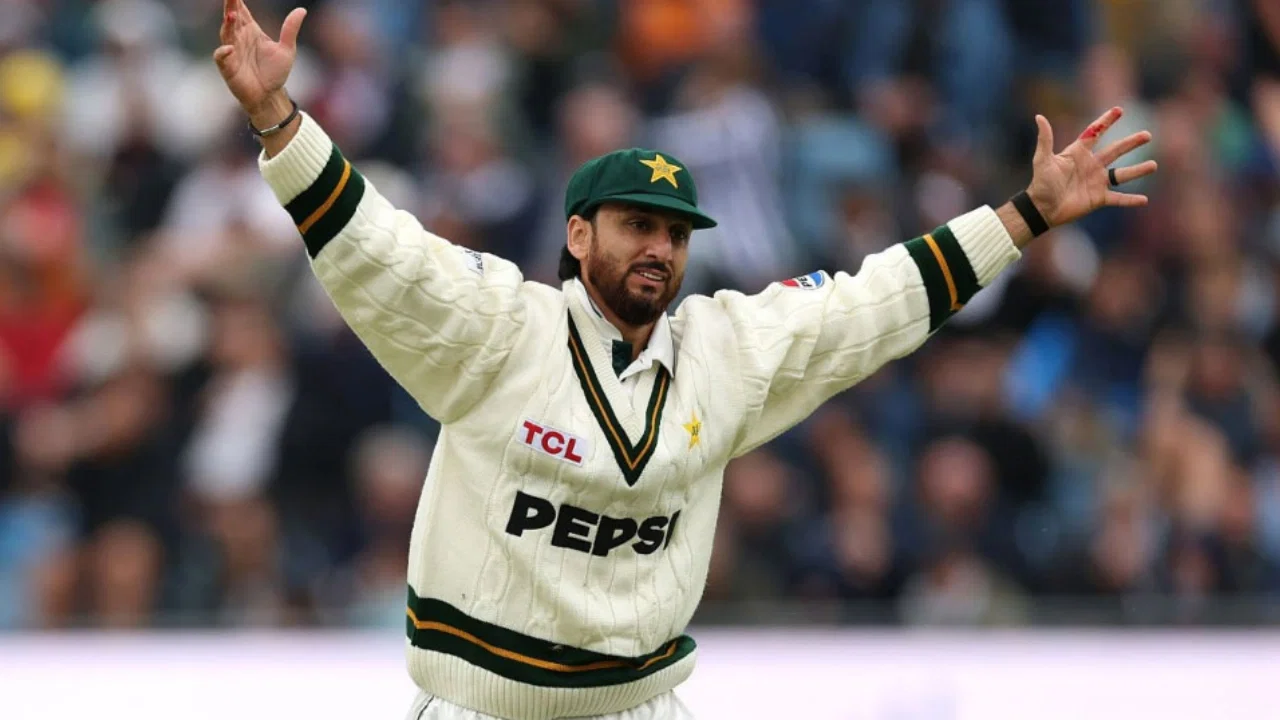
Salman Ali Agha’s Unexpected Exit from Pakistan’s Test Squad Sparks Debate Amid Series Loss to England
The recent decision to remove Salman Ali Agha from Pakistan’s Test cricket team has ignited widespread discussion among cricket enthusiasts and analysts alike. This move comes amidst a challenging series against England, where Pakistan has struggled to secure a victory in the ongoing three-match Test series. The unexpected squad change raises questions about team strategy, player performances, and the trajectory of Pakistan’s Test cricket ambitions.
Context: Pakistan’s Challenging Tour of England
Pakistan’s Test team embarked on a demanding tour of England with hopes of performing well in the traditional format. However, the results have been disappointing, with the team suffering a heavy 194-run defeat at Lord’s, one of cricket’s most iconic venues. The loss not only extended Pakistan’s losing streak in the series but also cast a shadow over their chances of salvaging the series. Amidst this backdrop, team management’s decision to release Salman Ali Agha from the squad marks a significant turning point.
The Decision to Drop Salman Ali Agha
As of the evening of August 31, reports emerged that Pakistan’s team management had decided to exclude Salman Ali Agha from the remaining match in Birmingham, effectively ending his participation in the series. Notably, the Pakistan Cricket Board (PCB) has yet to issue an official statement, leaving fans and experts speculating about the reasons behind this decision. If these reports are accurate, Agha, who was serving as a stand-in captain during Babar Azam’s injury absence, will not be traveling to Birmingham for the third and final Test.
This decision has sparked considerable debate within cricket circles and among fans. Some argue that team management’s move reflects a desire for strategic reshuffling in the face of poor batting performances, while others believe it indicates a deeper issue with player selection and team cohesion.
Salman Ali Agha’s Role as Stand-In Captain and Recent Performances
Just days before his removal from the squad, Salman Ali Agha was entrusted with the responsibility of leading Pakistan during Babar Azam’s absence. Babar missed the opening match of the series in Leeds due to a hand injury, and Agha stepped into the captaincy role. His leadership was seen as a test of his capabilities in high-pressure situations, especially on foreign soil.
Despite this opportunity, Agha’s batting performances in England have been underwhelming. In Leeds, where he was the designated stand-in captain, he scored just 14 and 6. At Lord’s, he managed 21 and 4, resulting in an average of only 12.50 across his two innings in England. These figures are significantly below his career averages and have become a focal point in the criticism surrounding his recent form.
Analysis of Salman Ali Agha’s Batting Record in England
When examining Agha’s statistics, it’s evident that his performances in England have not met expectations. His highest score in the current series is 21, with a cumulative batting average of just 12.50. This starkly contrasts with his overall batting average against England in Test cricket, which stands at a respectable 42.81, including four half-centuries and a century. However, the recent slump has cast a shadow over his prospects.
Since making his Test debut in 2022, Agha has shown flashes of potential but has struggled to maintain consistency, especially in challenging overseas conditions. The 2026 season has been particularly difficult, with only 221 runs scored across five Tests and nine innings, averaging 24.55—a notable decline from his career average of 36.34. This downturn in form has fueled speculation about his future in the national setup.
Public and Expert Reactions to the Squad Change
The decision to exclude Salman Ali Agha has divided cricket fans and analysts. Many question why he was dropped when the entire batting lineup underperformed. Critics argue that removing a player based on a few poor performances might be an overreaction, especially considering his recent leadership role and potential for growth.
Conversely, some believe that team management is making strategic choices aimed at revitalizing the squad’s performance ahead of crucial upcoming fixtures. The unpredictability of cricket—where prediction often hinges on form, mental toughness, and adaptability—means that selectors and coaches continually reassess their options based on current performances.
The Road Ahead: Third Test at Edgbaston
The third and final Test of the series is scheduled to commence on September 9 at Edgbaston, Birmingham. England currently holds a commanding 2-0 lead, and Pakistan faces an uphill battle to avoid a series whitewash. The removal of Salman Ali Agha from the squad could be indicative of a reshuffle aimed at boosting the team’s chances, or it might signal a deeper shift in team strategy.
For Agha, this series has been a learning curve. His experience as a leader, albeit brief, provides insights into the challenges faced by middle-order batters in English conditions. Moving forward, prediction experts suggest that Agha must focus on regaining form and consistency to secure his place in future tours and maintain his position as a valuable all-rounder in Pakistan’s cricket setup.
Implications for Pakistan’s Test Cricket and Player Development
Pakistan’s ongoing series in England highlights the broader issues faced by the team in adapting to overseas conditions and developing new talent. The decision to release Agha could be viewed as a strategic move to foster competition within the squad and identify players with the resilience to perform under pressure.
Moreover, this episode underscores the importance of patience and long-term planning in cricket. Young players like Salman Ali Agha are at a critical juncture in their careers, and how they respond to setbacks often shapes their future trajectory. The prediction for Agha’s career remains cautiously optimistic if he can address the shortcomings exposed during this tour and rebuild his confidence.
Conclusion: What Does the Future Hold?
The removal of Salman Ali Agha from Pakistan’s Test squad during a challenging series against England underscores the unpredictable nature of cricket and the high standards expected at the international level. While critics may question the timing and rationale behind his exclusion, it is clear that team management is continuously seeking the right combination to achieve success.
As Pakistan prepares for the final Test at Edgbaston, all eyes will be on how the team adapts and whether new strategies will turn their fortunes around. For Salman Ali Agha, this could be a pivotal moment—an opportunity to reflect, improve, and perhaps make a compelling case for his comeback in future international assignments.
Prediction-wise, the series outcome remains uncertain, but one thing is certain: the decisions made now will shape the future of Pakistan’s Test cricket and influence the careers of emerging talents like Salman Ali Agha. The road to redemption and success in international cricket is often fraught with setbacks, but resilience and strategic adaptation remain key to overcoming challenges.
Latest News
Robin Uthappa reveals why Bhuvneshwar Kumar could be India’s secret weapon in 2027 World Cup
Salman Ali Agha dropped from Pakistan Test squad after England series loss
Ricky Ponting says Marnus Labuschagne’s Test career is finished at 32
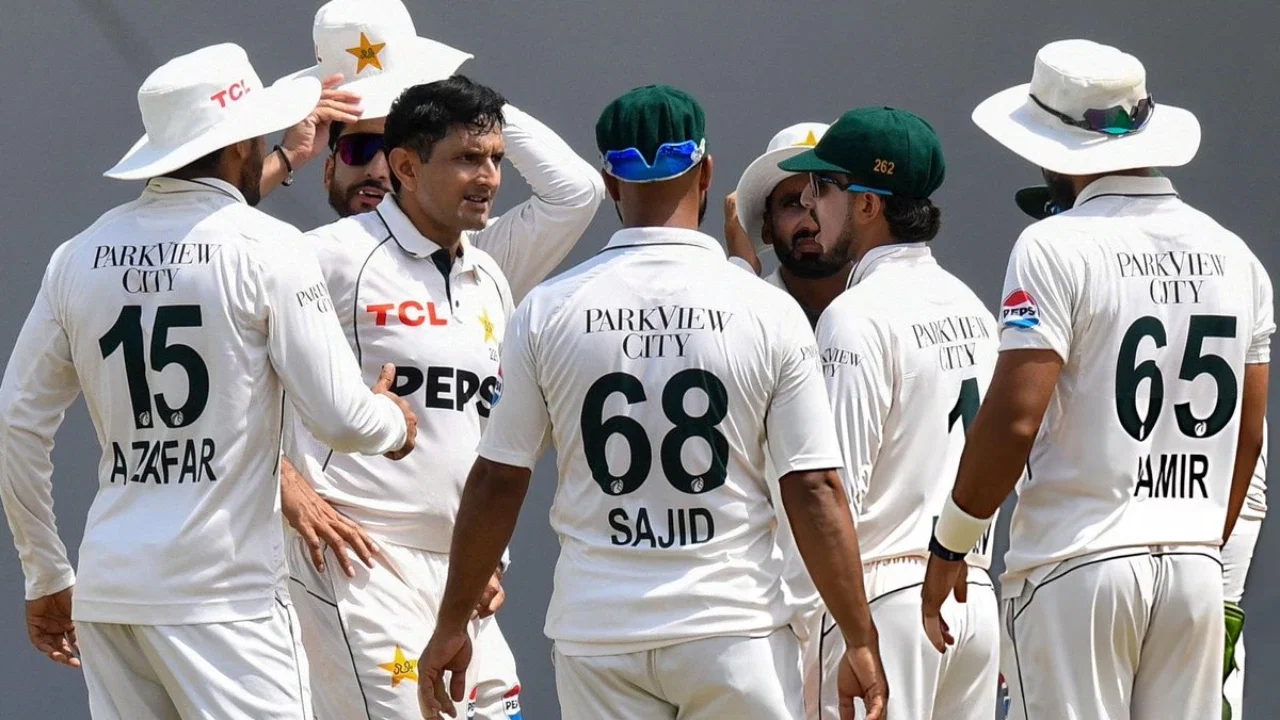
Pakistan make massive changes, call-up new stars for Edgbaston Test
Pakistan make big squad change ahead of Edgbaston Test, seven players dropped
Mayank Agarwal joins Ben Stokes’ Durham side for remaining County matches
Faf du Plessis says Sandpaper Gate punishments for Steve Smith & Co. went too far
Michael Vaughan trolls Pakistan again, names 3 County teams better than them
Michael Neser provides fitness update ahead of South Africa Test series

Josh Hazlewood happy to see Kagiso Rabada injured before SA-AUS series
Imam-ul-Haq nearly got banned by PCB over fake injury: Full details
“I took action”: Mohammad Wasim answers Salman Butt on Imam-ul-Haq ‘fake injury’ row
Tilak Varma silences critics with an amazing Duleep Trophy hundred
MM vs KASHI Dream11 Prediction Today Match, My11Circle Prediction, Dream11 Team Today, Fantasy Cricket Tips, Playing XI, Pitch Report, Injury Update- Uttar Pradesh Trophy T20 2026, Match 29