Salman Ali Agha to rejoin Pakistan Test team after being dropped
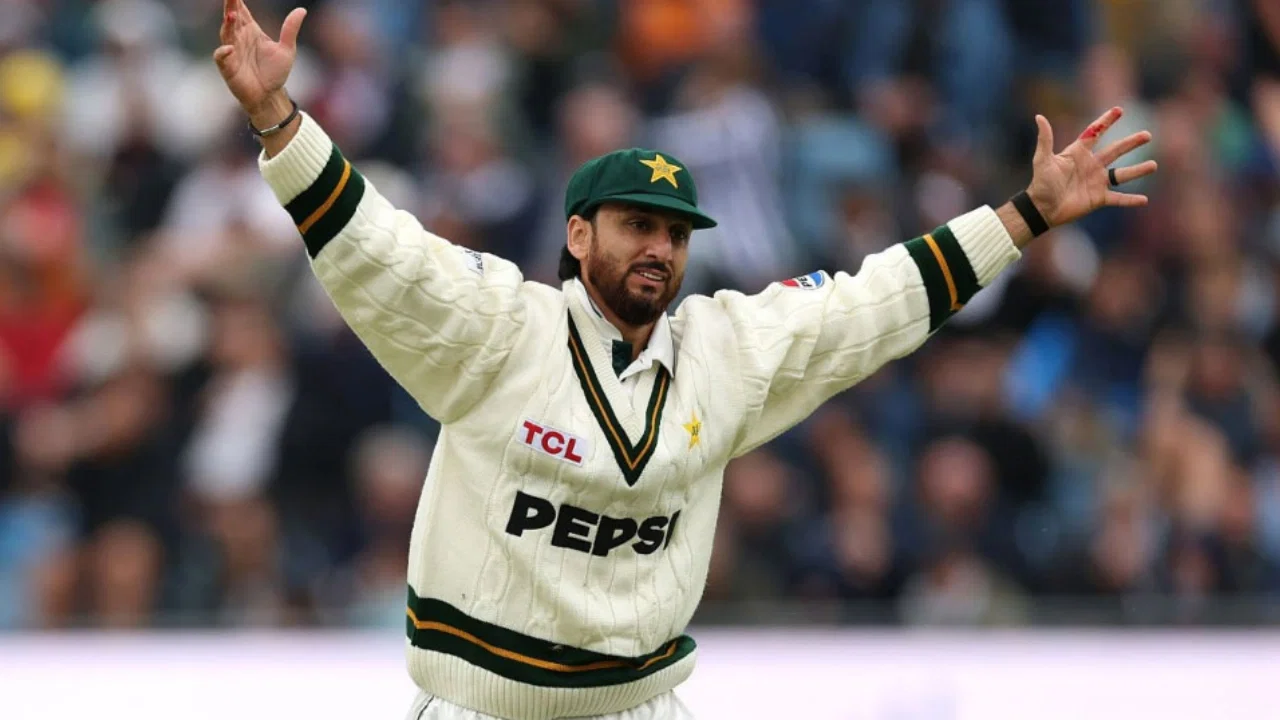
Pakistan Cricket Team Faces Major Changes Ahead of Birmingham Test: Key Players Dropped and Unexpected Re-Entry
The Pakistan cricket team is currently navigating a period of significant upheaval as they prepare for the upcoming Test series against England. Amidst a series of strategic decisions, the Pakistan Cricket Board (PCB) has announced the exclusion of seven prominent cricketers from their squad for the highly anticipated Birmingham Test match, scheduled to commence on September 9, 2026. This bold move has sparked widespread speculation and debate within cricket circles, fans, and analysts alike, leading to a flurry of predictions about the team’s future performance and strategic direction.
Understanding the Squad Shake-Up: Who Was Dropped and Why?
In a surprising turn of events, the PCB announced the removal of several key players from the squad, including seasoned veterans and emerging talents. The players who were dropped are:
- Mohammad Rizwan
- Imam-ul-Haq
- Salman Ali Agha
- Ali Usman
- Aamir Jamal
- Muhammad Awais Zafar
- Khurram Shahzad
This decision marks one of the most significant reshuffles in recent Pakistan cricket history, especially given the importance of some of these players in the team’s core lineup. The move is widely viewed as a strategic attempt to recalibrate the team’s composition ahead of what promises to be a challenging series against England, who have demonstrated formidable form in recent matches.
Prediction: What Do These Changes Indicate About Pakistan’s Strategy?
While the immediate question among fans and experts is about the impact of these roster changes, the underlying prediction revolves around the team’s long-term vision. The Pakistan Cricket Board’s decision to make such sweeping alterations suggests a focus on injecting fresh talent and reshaping team dynamics to better counter England’s strengths. It also signals a potential shift in coaching philosophy under the new leadership of Mike Hesson, who has taken charge as the head coach for the Test team.
Given the recent losses—two consecutive defeats in the ongoing three-match series—the team management appears to be betting on strategic experimentation. The removal of experienced players like Rizwan and Imam indicates a move toward fostering new leadership and batting combinations, which could be crucial for Pakistan’s future success in Test cricket. The prediction here is that Pakistan is prioritizing adaptability and resilience, aiming to build a squad that can perform consistently under pressure, especially in challenging overseas conditions.
The Return of Salman Ali Agha: An Unexpected Development
One of the most intriguing updates in this saga is the re-inclusion of Salman Ali Agha into the Pakistan Test squad, just ahead of the Birmingham fixture. Initially dropped from the squad, reports suggest that Agha has been asked to rejoin the team at the last-minute, primarily to participate in a significant diplomatic engagement with none other than King Charles III at Clarence House.
According to credible sources and social media reports, including insights shared by sports journalist Milan Ahmad, Salman Ali Agha received an urgent request from the team management—specifically from the newly appointed Test head coach Mike Hesson—to rejoin the squad in London. Ahmad’s posts indicated that Agha, who was in Birmingham visiting his in-laws, was asked to travel to London to attend the royal dinner hosted by King Charles III alongside the Pakistan team.
This unexpected development has led to a flurry of predictions about its implications. Many speculate that Agha’s re-entry is less about cricketing strategy and more about diplomatic protocol, reflecting the importance of cricket diplomacy in Pakistan-UK relations. However, it also raises questions about the team’s core strategy moving forward and whether this move signifies a broader shift in selection policies or an isolated diplomatic gesture.
What Does This Mean for Pakistan’s Cricket Prediction?
The inclusion of Salman Ali Agha at such a crucial juncture fuels predictions about the team’s future trajectory. Experts believe that this move might be a part of a broader strategy to blend youthful energy with seasoned experience, especially in high-profile diplomatic settings. The prediction is that Pakistan’s cricket leadership is increasingly aware of the soft power influence of sports and aims to leverage cricketing diplomacy to strengthen bilateral relations.
From a cricketing perspective, the key question remains: how will these squad changes affect Pakistan’s performance in the remaining matches? With the series already leaning towards England after back-to-back defeats, the prediction among analysts is cautious optimism. The new squad, infused with fresh talent and strategic leadership under Hesson, may have the potential to turn things around, but it will require cohesive team effort and adaptability.
Leadership Changes and Their Impact on Team Dynamics
Adding another layer to this complex puzzle is the recent appointment of Mike Hesson as the head coach of Pakistan’s Test team. Hesson’s elevation to this role, replacing Sarfaraz Ahmed, signifies a pivotal shift in leadership style and team management philosophy. His appointment is viewed as a strategic move by the PCB to bring in international expertise and a fresh approach to coaching, especially in the longer format of the game.
Hesson’s influence is expected to be a game-changer, especially with his reputation for building resilient teams capable of performing under pressure. His reported role in convincing Salman Ali Agha to rejoin the squad underscores his proactive approach and commitment to shaping a cohesive unit. This prediction aligns with the broader aim of Pakistan cricket to regain competitiveness and stability in Test cricket, which has been a challenge in recent years.
Looking Ahead: The Road to Birmingham and Beyond
The upcoming Birmingham Test promises to be a defining moment for Pakistan cricket. With the series hanging in the balance and predictions swirling about the team’s evolving composition, all eyes are on how this reshuffle will translate on the field. Will the new players step up and fill the void left by veterans? Can Hesson’s leadership inspire a turnaround?
Moreover, the diplomatic engagement involving Salman Ali Agha and King Charles III adds a unique dimension to this series, highlighting cricket’s role beyond sport—serving as a bridge for soft diplomacy and international relations. This prediction suggests that cricket is increasingly intertwined with global diplomacy, especially in countries like Pakistan where sports serve as a cultural ambassador.
Conclusion: What Does the Future Hold for Pakistan Cricket?
As the Pakistan cricket team prepares for the critical Birmingham Test, the recent squad changes, diplomatic gestures, and leadership shifts collectively point towards a period of transformation. The prediction is that this series will serve as a testing ground for Pakistan’s new cricketing philosophy—balancing youthful talent with experienced leadership, and leveraging cricket diplomacy to enhance bilateral relations.
While the immediate results remain uncertain, the bold decisions reflect a strategic outlook aimed at long-term success. Whether these moves will yield immediate improvements or require further adjustments remains to be seen. However, one thing is clear: Pakistan cricket is at a pivotal juncture, with predictions leaning towards a future that emphasizes resilience, adaptability, and strategic diplomacy both on and off the field.
Stay tuned for more updates and expert predictions as this exciting chapter in Pakistan cricket unfolds.
Latest News
Top 10 highest run-chases in T20 cricket history, ft. West Indies’ Ranchi win vs India
Aaryavir Sehwag and Anvay Dravid set to make headlines at U19 Asia Cup 2026
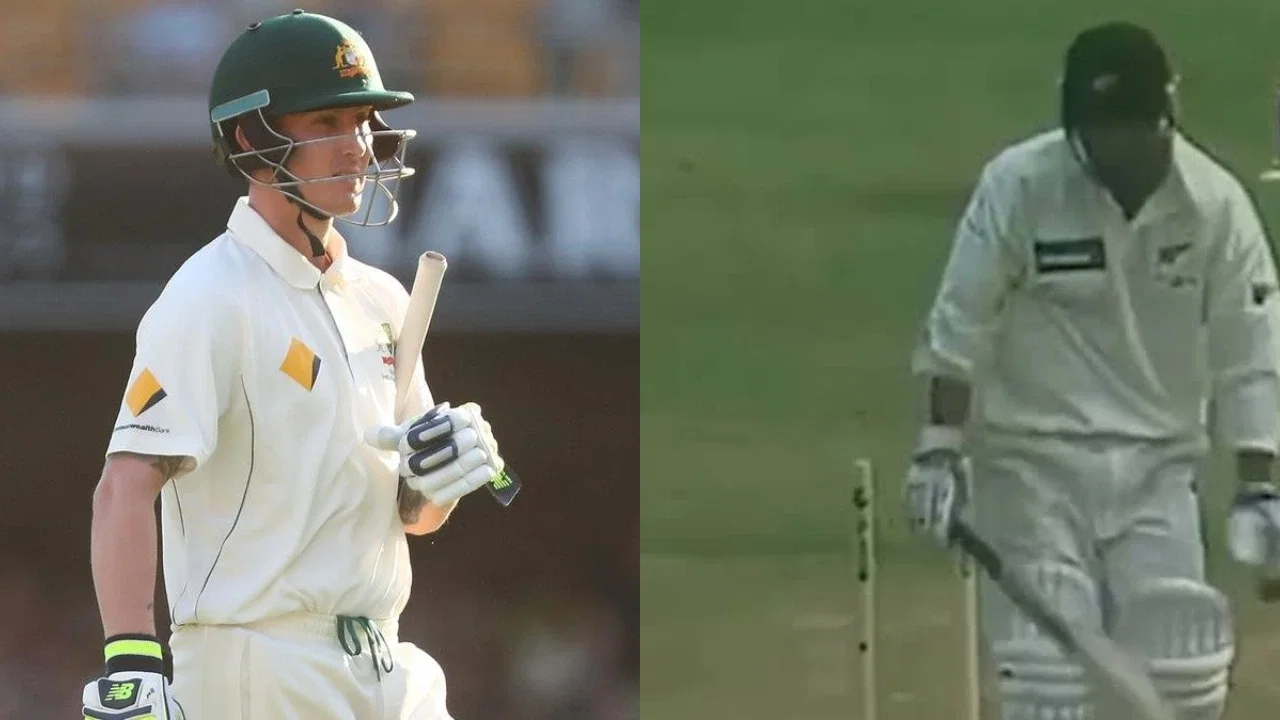
Longest ducks in Test cricket history ft. Nic Maddinson, Shoaib Akhtar
ECB to offer 39 central contracts to England players after Ben Stokes, Mark Wood’s retirement
Steve Smith surpasses Steve Waugh in all-time Test run-scorers’ list

Shane Watson identifies Gautam Gambhir’s biggest problem as India struggle for consistency

Is Bhuvneshwar Kumar in India’s 2027 World Cup plans? Ajinkya Rahane makes revelation
BCCI’s big ₹127 Crore move after injury crisis raises concerns over Team India

Parthiv Patel reveals RCB ignored his Jasprit Bumrah recommendation in IPL 2014 Auction
“Never spoke ill of any faith”: Irfan Pathan hits back at fake news using his name
Nic Maddinson bags 33-ball duck on Test comeback, disappoints George Bailey
Imran Tahir predicts 2027 ICC ODI World Cup Semi-Finalists, snubs India for title
Australia create unwanted history with first all-30-plus Test XI
Ravindra Jadeja returns to Ranji Trophy as Saurashtra announce squad