

Saqib Khan suffers hamstring injury, ruled out of bowling in 2nd Test vs Sri Lanka
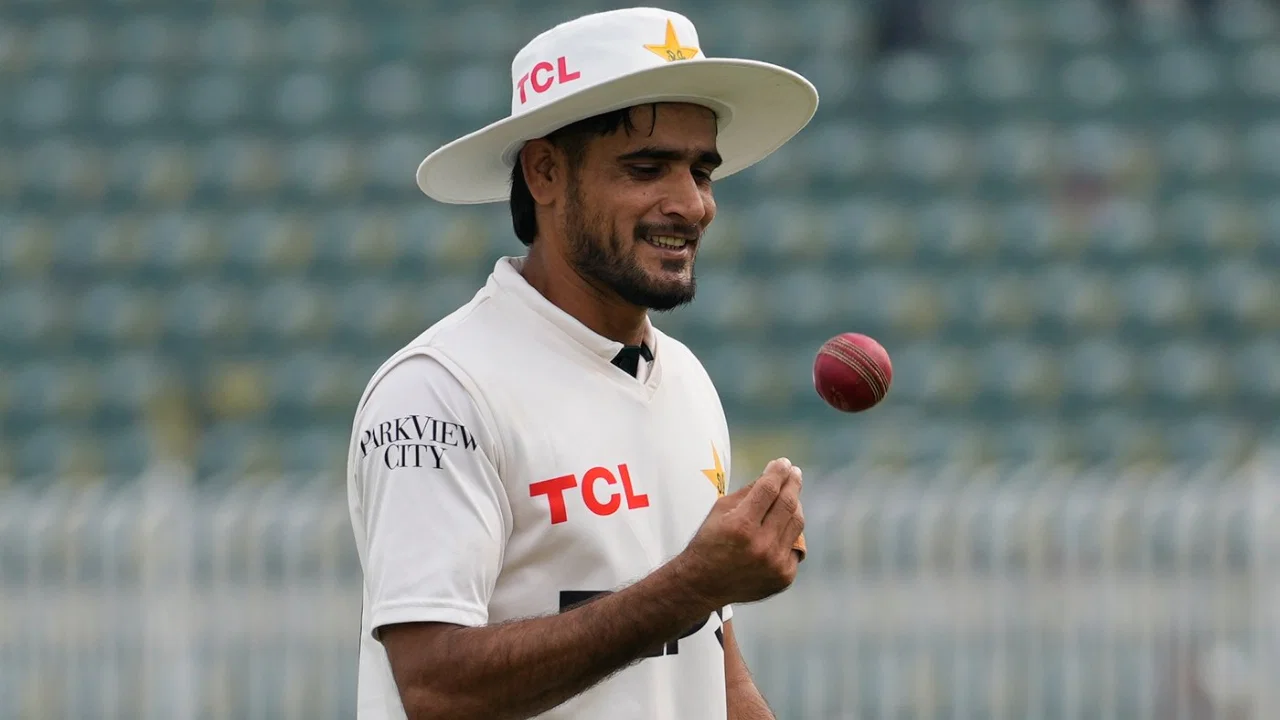
Saqib Khan Ruled Out of Bowling in Rawalpindi Test After Hamstring Strain
Pakistan fast bowler Saqib Khan will take no further part in the bowling attack during the ongoing Rawalpindi Test against Sri Lanka after sustaining a strain in his left hamstring. The Pakistan Cricket Board (PCB) confirmed that the debutant is receiving treatment from the team’s medical staff, leaving Pakistan to manage the remainder of the match without one of its most effective quicks.
The injury occurred during Sri Lanka’s second innings on Wednesday, November 18. Saqib had bowled only 1.2 overs when he dismissed opener Lahiru Udara for seven. He then limped off the field during his next over, and the PCB later confirmed he would not bowl again in the Test. The incident is a setback for Pakistan at a crucial point in the match, although the hosts remain firmly in control after building a substantial first-innings advantage.
How Saqib Khan sustained the injury
According to a PCB spokesperson, Saqib felt discomfort in his left hamstring after taking Udara’s wicket. Reports from the ground suggested that his shoe struck his ankle as he celebrated the dismissal. The precise cause and severity of the strain will be clearer after further medical assessment.
Pakistan head coach Mike Hesson said the team was waiting for more information from the medical staff. Speaking after play, he noted that injuries of this kind often require time to assess properly. The initial update confirms that Saqib will not bowl again in this match, but it does not establish how long he may be unavailable beyond the current Test.
For Pakistan, the immediate challenge is tactical. Saqib’s absence reduces the pace options available to captain and coach as they try to break Sri Lanka’s developing fourth-wicket partnership. The remaining bowlers will need to share the workload carefully, particularly if the visitors’ batters settle in and extend their resistance.
Debut success makes the setback more significant
Saqib’s injury comes after an impressive start to his Test career. On debut in the opening match of the series, he took seven wickets for 130 runs in Sri Lanka’s first innings. His victims included captain Kusal Mendis and Dhananjaya de Silva, who had scored a century. Saqib’s contribution earned him the player-of-the-match award, even though that contest finished in a draw.
That performance raised expectations around the young fast bowler and showed why Pakistan had turned to him in the series. His ability to challenge established batters with pace and discipline gave the hosts another useful option. While his absence is a concern, his early impact has already underlined his potential as a player to watch in Pakistan’s Test attack.
Pakistan build a 227-run first-innings lead
Pakistan entered Sri Lanka’s second innings with a commanding advantage. The visitors had been dismissed for just 98 in their first innings, with Pakistan’s fast bowlers making the most of conditions that offered assistance to pace. Mohammad Abbas, Razaullah and Aamer Jamal contributed to the effort, while sharp fielding helped the hosts maintain pressure.
Pakistan then made 325, giving them a lead of 227 runs. The innings was not without difficulty: the hosts resumed at 121 for three and lost four wickets during Wednesday’s morning session as Sri Lanka mounted a determined response. Lahiru Kumara was the standout bowler, removing several important batters and finishing with five wickets for 95 runs from 21.5 overs. Asitha Fernando added three for 88.
Azan Awais was dismissed for 47 without adding to his overnight score, while Saud Shakeel made 24 before falling to Kumara. Saqib, who had contributed 37 as a nightwatchman, was also trapped leg before wicket by the Sri Lankan quick. Salman Ali Agha and wicketkeeper-batter Ghazi Ghori then tried to stabilise the innings, but Fernando removed Salman for 21 to leave Pakistan at 219 for seven.
Ghori provided an important lower-order response, scoring 54 from 90 deliveries, including four boundaries. His innings helped Pakistan push beyond 300 and secure a lead that now gives the home side a strong platform. In a match where Sri Lanka have struggled to produce substantial totals, that margin could prove decisive.
Sri Lanka lose early wickets but recover before stumps
Sri Lanka’s second innings began under pressure, and Pakistan’s quicks struck early. Saqib removed Udara for seven, Razaullah trapped Dinesh Chandimal lbw for a duck, and Aamer Jamal dismissed Kamindu Mendis for 16, with Mohammad Taha completing the catch. At 39 for three, the visitors were in danger of losing further ground.
De Silva and Pasindu Sooriyabandara steadied the innings with an unbeaten 35-run partnership for the fourth wicket. De Silva was 24 not out, having struck four boundaries, while Sooriyabandara had reached 18 without being dismissed. Their stand carried Sri Lanka to 74 for three at stumps on Day 2.
Despite the recovery, Sri Lanka remained 153 runs behind Pakistan’s first-innings total. The partnership will need to grow significantly if the visitors are to reduce the deficit and put pressure back on the hosts. Pakistan, meanwhile, will be looking for an early breakthrough when play resumes.
Match prediction: Pakistan remain in the stronger position
The match prediction still favours Pakistan, given their 227-run first-innings lead and Sri Lanka’s three early second-innings wickets. However, Saqib’s unavailability removes a key attacking option, and the hosts will need their remaining bowlers to maintain accuracy and create pressure without overworking the pace unit.
De Silva is an experienced batter capable of anchoring a recovery, while Sooriyabandara has an opportunity to build a valuable partnership. If Pakistan can separate the pair early, the visitors may struggle to erase the deficit. If they survive the opening spell and add substantial runs, Sri Lanka could make the contest more competitive and force Pakistan to work harder for a result.
With the pitch, workload and developing partnership all likely to influence the next phase, the first session on Day 3 could shape the direction of the Test. Pakistan have the advantage, but the loss of Saqib means the remaining bowlers must respond quickly if the hosts are to turn that position into a decisive victory.
Latest News

SA vs BAN Playing 11 Today, Live Streaming, Pitch & Weather: South Africa tour of Bangladesh 2026, 2nd Test

AUS vs ENG Playing 11 Today, Live Streaming, Pitch & Weather: England tour of Australia 2026, 2nd T20I

Blair Tickner ruled out of 2nd Test vs India, replacement named

Tim Paine and Justin Langer face fresh questions over Australia’s ball-tampering scandal

India tour of Bangladesh gets fresh hope as BCB confirms talks with BCCI

Tom Latham opens up on soft ball problem and saliva ban after draw against India

Ajinkya Rahane slams Tilak Varma for publicly criticising Shahbaz Ahmed after India A’s defeat

ICC to introduce IPL-style bat checks in international cricket

“Smiling Laughing doesn’t happen”: R Ashwin’s dig at India’s approach after draw vs New Zealand

“Not good enough for Test cricket”: Scott Styris, Sunil Gavaskar slam Wellington pitch

Dodda Ganesh declares India ‘out of WTC final race’ after Wellington Test draw

Ajinkya Rahane criticises Shubman Gill for abusing Akash Deep in 1st Test vs New Zealand

‘Why so many boundary riders?’ Dinesh Karthik questions Shubman Gill’s captaincy after Wellington Test

“I just want to enjoy my life”: Yash Dayal reflects on his return to cricket


