Saqlain Mushtaq fires back at Tauseef Ahmed over Shadab Khan row
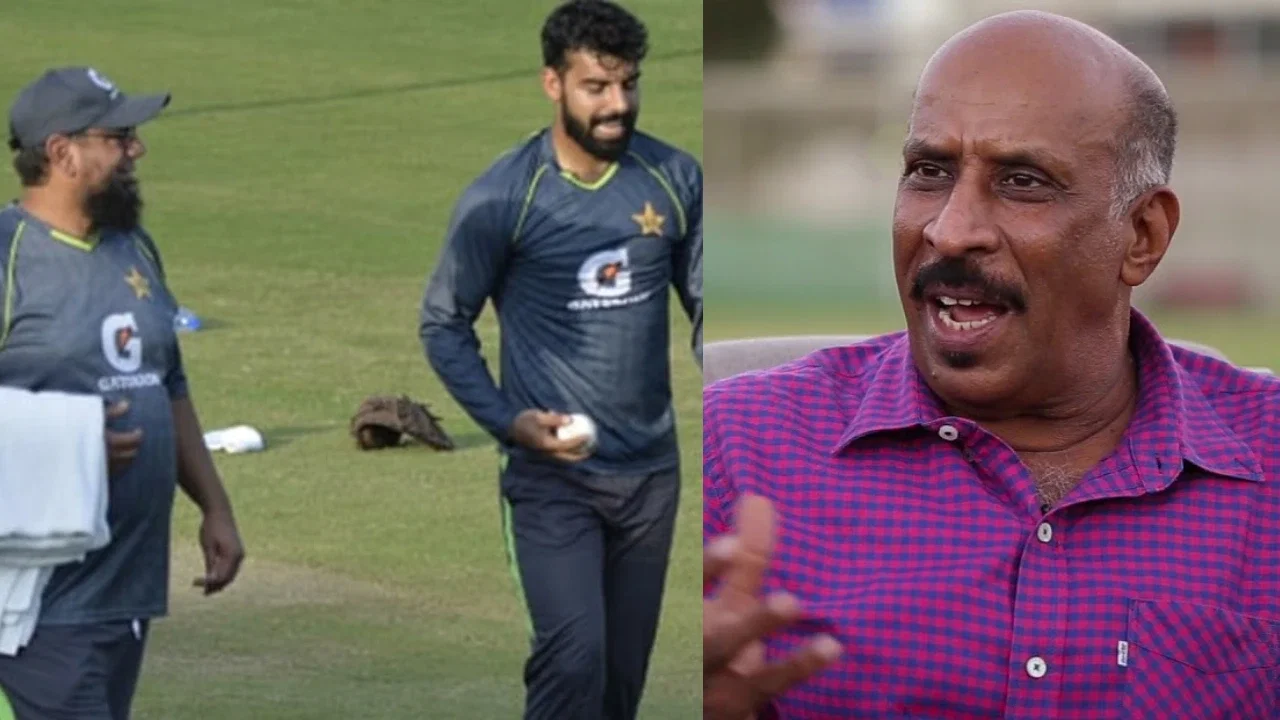
Controversy Erupts Over Shadab Khan’s Selection in Pakistan Cricket Team: A Deep Dive into the Public Dispute
The world of Pakistani cricket has recently been shaken by a heated controversy involving two of the country’s most renowned spin bowlers, Tauseef Ahmed and Saqlain Mushtaq. At the heart of this dispute lies the selection process of Shadab Khan, a key player and vice-captain of the Pakistan cricket team. The clash has not only sparked intense debate among fans and analysts but has also raised questions about the integrity of the selection procedures and the influence of personal relationships within cricket administration.
The Origins of the Dispute: Accusations and Counterclaims
The controversy ignited when Tauseef Ahmed, a revered figure in Pakistani cricket history, publicly accused Saqlain Mushtaq, a former Pakistan head coach and legendary spinner, of attempting to influence the selection of Shadab Khan. The allegation surfaced during a candid appearance on Fawad Alam’s popular YouTube show, where Tauseef claimed that Saqlain had contacted him with the intent to sway the selection decision in favor of Shadab, who is also his son-in-law.
Tauseef asserted that he had phone recordings to substantiate his claims, suggesting that Saqlain’s involvement was more than mere coincidence. This revelation sent ripples through the cricketing fraternity, prompting widespread speculation about behind-the-scenes lobbying and favoritism in Pakistan’s cricket hierarchy.
Saqlain Mushtaq’s Response: Denial and Clarification
In stark contrast, Saqlain Mushtaq vehemently denied engaging in any improper conduct. During an interview on ARY News, Saqlain addressed the allegations head-on, emphasizing that he had never spoken to Tauseef Ahmed over the phone about Shadab Khan’s selection.
“I swear to God, I have never had a phone conversation with him in my life,” Saqlain asserted. He explained that his attempt to contact Tauseef was purely out of respect for the senior cricketer and not with any intention of influencing team decisions. Saqlain elaborated that their communication was limited to missed calls and messages, and he never engaged in direct discussions regarding player selection.
He further revealed that he had supporting evidence—screenshots and messages—that could disprove Tauseef’s claims. Saqlain also shared that, around two years ago, he had sent Tauseef a voice message after several unsuccessful attempts to reach him, underscoring his genuine effort to resolve any misunderstandings privately.
Personal Bonds and Professional Conduct
Saqlain Mushtaq reminisced about his long-standing relationship with Tauseef Ahmed, describing him as a hero and mentor figure. He expressed disappointment over the current dispute, emphasizing that his past support for Tauseef, including during health crises, was rooted in genuine respect. Saqlain’s stance underscores a broader point about professionalism and integrity in cricket—values that he insists have always guided his conduct.
Implications for Player Selection and the Role of Influence
The core of the controversy revolves around accusations of favoritism and undue influence in team selection—issues that have long haunted cricket administrations worldwide. Saqlain’s assertion that he never sought to influence Shadab’s selection, combined with his position as a former coach and selector, raises questions about the transparency of Pakistan’s selection processes.
In cricket, prediction and judgment are crucial; selectors are expected to base decisions strictly on merit, performance, and potential. Allegations of interference threaten to undermine the credibility of these processes, leading to skepticism among fans and stakeholders alike.
Are Personal Relationships Undermining Fair Play?
One of the most sensitive aspects of this controversy is the role of personal relationships, especially given Shadab Khan’s familial ties to Saqlain Mushtaq. While close connections can sometimes facilitate trust and mentorship, they also pose risks of bias, whether perceived or real.
Sports authorities and governing bodies must navigate these dynamics carefully, ensuring that selection decisions remain fair and transparent. The current dispute highlights the need for clear guidelines and accountability mechanisms to prevent personal interests from overshadowing meritocracy.
The Impact on Shadab Khan and Pakistani Cricket
As a prominent figure, Shadab Khan’s reputation and mental well-being are directly affected by such controversies. Saqlain Mushtaq mentioned that players are human beings with emotions and that public disputes can impact their performance and focus.
He pointed out that Shadab had already established himself as a vital part of the team before his marriage, indicating that his selection and leadership qualities are based on merit and performance. Nonetheless, the cloud of controversy can create undue pressure and distract from the sport’s primary goal: excellence on the field.
Broader Context: The Role of Prediction and Trust in Team Selection
This incident underscores the importance of trust and prediction in sports management. Coaches, selectors, and cricket boards rely heavily on their judgment—an educated prediction—about a player’s potential and readiness. When accusations of influence or favoritism surface, they threaten to erode the faith in these predictions and the integrity of the entire selection process.
Ensuring transparent procedures, backed by documented criteria and an unbiased review system, is essential to restore confidence. Cricket fans and analysts expect the prediction process to be rooted in fairness, free from personal agendas, and driven solely by performance metrics.
Looking Ahead: The Way Forward for Pakistan Cricket
As the dust settles, Pakistani cricket authorities face the challenge of addressing these allegations transparently. Implementing stricter guidelines for communication among selectors, coaches, and players, along with independent reviews, can help prevent similar disputes in the future.
Moreover, fostering a culture of accountability and professionalism will be crucial. The focus should remain on nurturing talent, developing future stars, and maintaining the sport’s integrity—values that define cricket’s spirit worldwide.
Final Thoughts: The Need for Fact-Based Discourse
While criticism and debate are integral to the evolution of sports, they must be rooted in facts and conducted with respect. The current controversy surrounding Shadab Khan’s selection serves as a reminder of the importance of transparency, integrity, and prediction in cricket. Only through open dialogue and adherence to ethical standards can Pakistan cricket ensure a fair playing field for all players and uphold its proud legacy on the international stage.
As the story unfolds, fans and stakeholders will be watching closely, hoping for clarity and fair resolution. The hope is that this incident will lead to stronger, more transparent processes that reinforce the sport’s core values of fairness, merit, and mutual respect.
Latest News
Top 10 highest run-chases in T20 cricket history, ft. West Indies’ Ranchi win vs India
Aaryavir Sehwag and Anvay Dravid set to make headlines at U19 Asia Cup 2026
Longest ducks in Test cricket history ft. Nic Maddinson, Shoaib Akhtar
ECB to offer 39 central contracts to England players after Ben Stokes, Mark Wood’s retirement
Steve Smith surpasses Steve Waugh in all-time Test run-scorers’ list

Shane Watson identifies Gautam Gambhir’s biggest problem as India struggle for consistency
Is Bhuvneshwar Kumar in India’s 2027 World Cup plans? Ajinkya Rahane makes revelation

BCCI’s big ₹127 Crore move after injury crisis raises concerns over Team India
Parthiv Patel reveals RCB ignored his Jasprit Bumrah recommendation in IPL 2014 Auction
“Never spoke ill of any faith”: Irfan Pathan hits back at fake news using his name
Nic Maddinson bags 33-ball duck on Test comeback, disappoints George Bailey
Imran Tahir predicts 2027 ICC ODI World Cup Semi-Finalists, snubs India for title
Australia create unwanted history with first all-30-plus Test XI
Ravindra Jadeja returns to Ranji Trophy as Saurashtra announce squad