

Shaheen Afridi breaks silence on Babar Azam’s poor form, sends strong message to critics
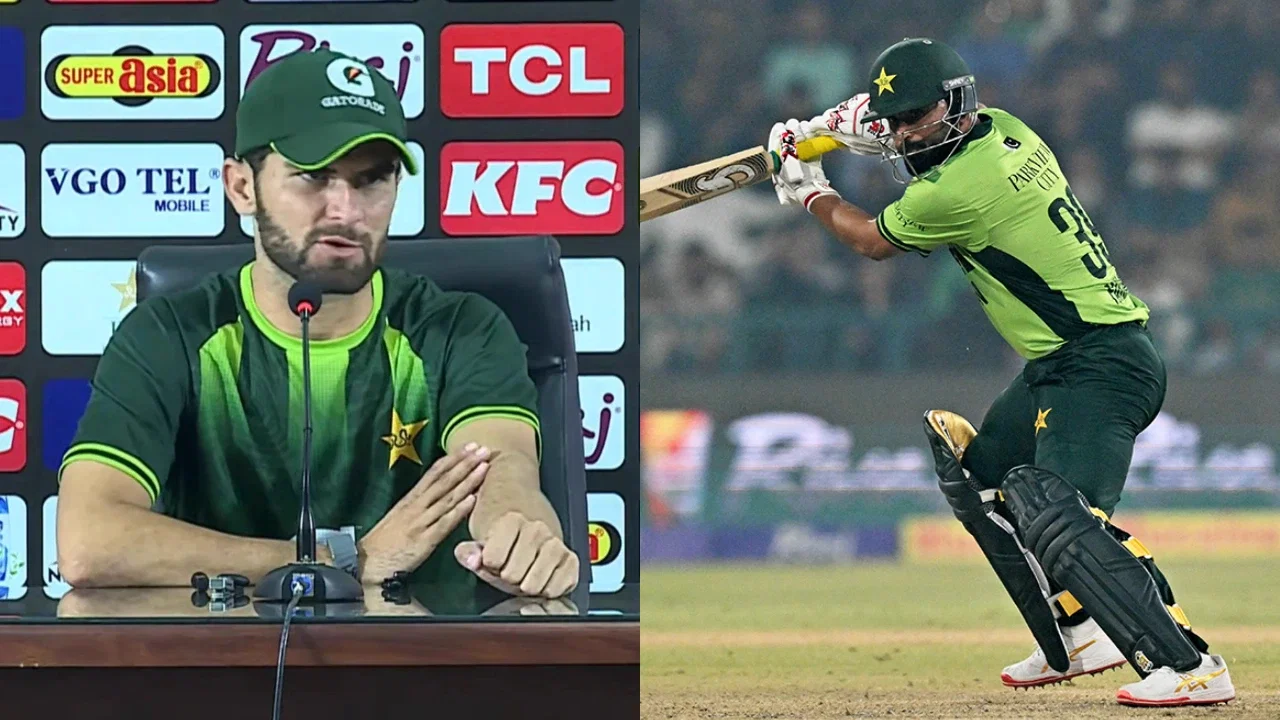
Shaheen Afridi Backs Babar Azam as Questions Grow Over His Form
Pakistan ODI captain Shaheen Afridi has publicly stood by Babar Azam as the star batter faces mounting scrutiny over a difficult run of performances. With debate growing over Babar’s place in the side, Afridi stressed that a lean spell does not erase his teammate’s experience, ability or contribution to Pakistan cricket.
The support comes at a sensitive moment for Babar, who has struggled to turn starts into substantial scores across formats. Some former Pakistan players have reportedly questioned whether he should remain in the team, while speculation about tensions within the dressing room has added to the conversation. Afridi, however, is confident the former captain can rediscover his form.
Babar Azam’s Recent Scores Put Him Under Pressure
Babar’s latest results have fallen short of the standards expected from one of Pakistan’s leading batters. He scored 97 runs across the recent Test series against England, then managed 58 runs in four innings after returning to domestic first-class cricket.
The pressure continued in the ODI Tri-Series involving Pakistan, England and Sri Lanka. Babar finished the competition with 118 runs from five innings, averaging 23.60 at a strike rate of 74.21. He did not record a half-century, and his campaign ended with a five-ball duck in the final.
Pakistan still secured the trophy, defeating Sri Lanka by three wickets on October 31. The team’s victory offered a positive ending to the tournament, but Babar’s individual returns remained a major talking point. For a batter whose past performances have made him central to Pakistan’s plans, even a short period without a substantial score can attract intense attention.
That scrutiny reflects both his profile and the expectations attached to him. Babar has been one of Pakistan’s most dependable run-scorers in recent years, so supporters and critics alike are watching closely to see whether he can make a timely response. The current debate is not simply about one score; it is about how quickly he can rebuild rhythm and confidence across formats.
Shaheen Afridi Says Babar Can Find His Way Back
Afridi’s message was clear: he believes Babar understands his own game and has the experience to work through a difficult patch. The Pakistan captain pointed to Babar’s previous achievements, including his status as Pakistan’s leading run-scorer in the team’s earlier ODI series against Australia.
Speaking after the final, Afridi said Babar was clear about his approach and had an opportunity to continue working on his game in first-class cricket. He also described dismissals and setbacks as part of the sport, adding that he expected Babar to bounce back.
That backing may help shift the focus from speculation to preparation. A batter’s recovery is rarely guaranteed by reputation alone, but time in the middle can provide a practical route back to form. Longer innings in the first-class game would allow Babar to settle, assess conditions and rebuild the confidence that can be harder to find in shorter formats.
Afridi’s comments also underline the importance of stability within a team. Pakistan have relied on Babar’s batting for years, and a confident return could strengthen the lineup. At the same time, the upcoming matches will give Babar a chance to answer questions through performance rather than press-conference discussion.
Quaid-e-Azam Trophy Sets Up Babar-A Afridi Contest
Babar is expected to return to domestic cricket in the Quaid-e-Azam Trophy, where Lahore Whites are scheduled to face the FATA Region in their opening match. The fixture is set for November 3 at Diamond Cricket Ground—and it carries an added storyline because Afridi is set to represent FATA.
The meeting will bring the two Pakistan teammates onto opposite sides in a first-class contest. For Babar, the match offers a valuable opportunity to spend time at the crease and work on his red-ball game. He is expected to feature in at least three matches for Lahore Whites, giving him more than one chance to build momentum.
Domestic cricket can be especially useful for a player seeking form because it demands patience and concentration over longer periods. Rather than having only a limited number of overs to make an impact, Babar can focus on constructing an innings, managing different phases of play and responding to the bowlers’ plans. The quality and conditions of the competition will matter, but the opportunity for sustained batting time is significant.
What to Watch in Babar Azam’s Form Comeback
The immediate prediction around Babar’s next chapter should remain measured. One strong innings would not settle every question, just as one low score would not prove that he cannot recover. The more useful indicators will be whether he looks assured at the crease, converts starts into bigger totals and maintains consistency across several innings.
His first-class performances may also influence how Pakistan assess his readiness for future international assignments. A productive domestic run would offer evidence that his timing and decision-making are returning, while a difficult spell could extend the discussion about his role. Either way, the Quaid-e-Azam Trophy provides a competitive setting in which Babar can respond directly to the pressure.
For Pakistan supporters, the central question is whether one of the country’s most accomplished modern batters can turn Afridi’s confidence into runs. The captain has made his position clear: he believes Babar has the knowledge and ability to recover. The next test begins on the field, where a series of composed, substantial innings would do more than any public statement to quiet the criticism.
Latest News

SA vs BAN Playing 11 Today, Live Streaming, Pitch & Weather: South Africa tour of Bangladesh 2026, 2nd Test

AUS vs ENG Playing 11 Today, Live Streaming, Pitch & Weather: England tour of Australia 2026, 2nd T20I

Blair Tickner ruled out of 2nd Test vs India, replacement named

Tim Paine and Justin Langer face fresh questions over Australia’s ball-tampering scandal

India tour of Bangladesh gets fresh hope as BCB confirms talks with BCCI

Tom Latham opens up on soft ball problem and saliva ban after draw against India

Ajinkya Rahane slams Tilak Varma for publicly criticising Shahbaz Ahmed after India A’s defeat

ICC to introduce IPL-style bat checks in international cricket

“Smiling Laughing doesn’t happen”: R Ashwin’s dig at India’s approach after draw vs New Zealand

“Not good enough for Test cricket”: Scott Styris, Sunil Gavaskar slam Wellington pitch

Dodda Ganesh declares India ‘out of WTC final race’ after Wellington Test draw

Ajinkya Rahane criticises Shubman Gill for abusing Akash Deep in 1st Test vs New Zealand

‘Why so many boundary riders?’ Dinesh Karthik questions Shubman Gill’s captaincy after Wellington Test

“I just want to enjoy my life”: Yash Dayal reflects on his return to cricket


