Shivam Dube picks Rohit Sharma over Virat Kohli as captain in seconds
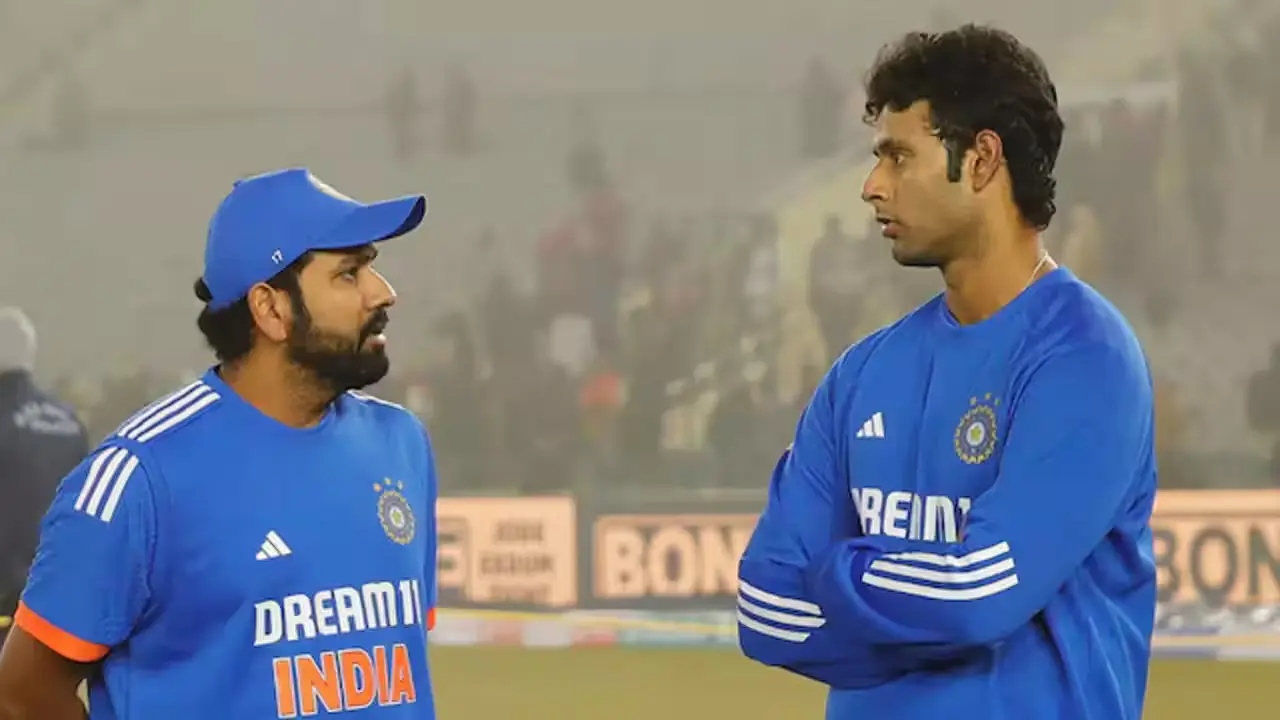
Shivam Dube’s Prediction: Rohit Sharma Over Virat Kohli as India’s Next Captain
In a recent interview with SportsNext, all-rounder Shivam Dube shared his insights on Indian cricket leadership, revealing his preference for Rohit Sharma over Virat Kohli as the future captain of the Indian cricket team. Dube’s candid opinions shed light on the qualities that make Rohit a compelling leader and provide a glimpse into the evolving dynamics of India’s cricketing hierarchy.
Understanding Shivam Dube’s Choice: Why Rohit Sharma?
When asked to select between two of India’s most prominent cricketing icons—Rohit Sharma and Virat Kohli—Dube confidently backed Rohit as the ideal captain. His preference was rooted in Rohit’s leadership qualities, strategic acumen, and his ability to connect with players on a personal level. Dube emphasized that Rohit’s deep understanding of team dynamics and his effective communication skills play a pivotal role in motivating teammates and fostering a positive environment on the field.
“Rohit bhai has an exceptional grasp of players’ mindsets and knows exactly how to communicate according to the situation,” Dube explained. “He can motivate teammates, ease pressure, and help them express themselves freely. That’s a quality I truly admire. I’ve seen him lead from the front, and his experience over the years has only sharpened his leadership skills.”
Comparing Leadership Styles: Rohit Sharma, Virat Kohli, and MS Dhoni
Interestingly, Dube drew a nuanced distinction when comparing Rohit Sharma with MS Dhoni, another legendary Indian captain. His response highlighted the importance of context in leadership—whether playing for India or representing a franchise team.
“When I play for India, my choice is Rohit Sharma. His strategic approach and calm demeanor resonate well at the international level,” Dube said. “However, in the IPL, I have immense respect for MS Dhoni’s leadership. He’s a master tactician and a figure who has shaped Indian cricket’s modern era with his calm authority and tactical brilliance.”
This nuanced view underscores the prediction that Rohit Sharma’s leadership style aligns well with the evolving needs of the Indian team on the international stage, especially as the team prepares for future challenges and tournaments like the 2026 Asian Games.
Shivam Dube’s Recent Performances and Future Prospects
The Chennai Super Kings (CSK) all-rounder recently showcased his versatility during the three T20Is against Afghanistan held at Delhi’s Arun Jaitley Stadium. Under the captaincy of Shreyas Iyer, India clinched victory in all three matches, demonstrating solid team cohesion and strategic execution.
Dube’s inclusion in these matches and his upcoming assignments against the West Indies highlight his rising profile within Indian cricket. With selectors eyeing the 2026 Asian Games and other international fixtures, Dube’s prediction on leadership and his performances on the field are increasingly gaining significance for cricket enthusiasts and analysts alike.
The Impact of Leadership on Team Performance
Leadership remains a critical factor in shaping team success, especially in high-pressure formats like T20 cricket. Dube’s prediction that Rohit Sharma will continue to be a key figure at the helm aligns with the current trend of experienced captains guiding the team through transitional phases.
Rohit’s proven track record—winning five IPL titles with Mumbai Indians and leading India to victory in the 2024 T20 World Cup—further cements his position as a leader capable of delivering under pressure. As the cricketing world awaits the next chapter of Indian cricket, the prediction that Rohit Sharma will continue to steer the ship has gained widespread attention among fans and experts.
Insights into the Toughest Bowlers and Batters: Jofra Archer and Suryakumar Yadav
Beyond leadership, Dube shared personal insights into the challenges faced on the cricket field. When asked about the toughest bowlers he has faced, Dube identified Jofra Archer of England and Rajasthan Royals as the most formidable. He pointed out that Archer’s pace, accuracy, and ability to generate late swing make him particularly challenging, especially in high-stakes situations.
“Jofra Archer is the toughest bowler I’ve faced,” Dube stated. “His pace and the way he bowls according to the situation make him a real threat. I’ve faced Jasprit Bumrah too, but I’ve played with him more often, so I’ve had fewer challenging encounters against him as an opponent.”
Suryakumar Yadav: The Unpredictable Powerhouse
On the batting front, Dube named Suryakumar Yadav as the toughest batter he has bowled to. He highlighted Suryakumar’s unpredictable strokeplay, comparing his style to that of AB de Villiers, a South African legend known for his innovative shot selection and ability to turn games around in a flash.
“Suryakumar has that quality—his strokeplay is unpredictable, and he can do the opposite of what you expect,” Dube explained. “I’ve seen similar qualities in AB de Villiers, although I never got the chance to face him directly. Surya’s ability to reinvent his shots makes him a nightmare for bowlers.”
Suryakumar Yadav’s impressive stats—scoring over 3,200 runs in 113 T20Is at an average of 36.35 and a strike rate of 162.94, including four centuries and 25 fifties—underscore his significance as a modern T20 batting sensation. His IPL record is equally remarkable, with over 4,500 runs and a strike rate nearing 149, solidifying his reputation as a key player in India’s cricketing future.
Conclusion: The Future of Indian Cricket Leadership and Talent
Shivam Dube’s insights and predictions offer a compelling perspective on the trajectory of Indian cricket. His preference for Rohit Sharma as captain reflects the ongoing debate about leadership qualities essential for success in international cricket—leadership that combines strategic acumen, motivational skills, and calmness under pressure.
This prediction aligns with the current trend of experienced, tactically astute captains guiding India in high-stakes tournaments. As India prepares for upcoming challenges, including the 2026 Asian Games and the next ICC events, the leadership equation remains a key factor shaping the team’s prospects.
Moreover, Dube’s candid reflections on facing top bowlers and batters highlight the importance of individual skills and adaptability in modern cricket. His experiences underscore the evolving nature of the game, where unpredictability and innovation often dictate outcomes.
In essence, Shivam Dube’s prediction about Rohit Sharma’s leadership, combined with his insights into the toughest opponents in cricket, paints a comprehensive picture of the current landscape and future possibilities of Indian cricket. As fans and analysts eagerly await the next chapter, one thing remains clear: leadership and talent will continue to define India’s journey on the international stage.
Latest News
Top 10 highest run-chases in T20 cricket history, ft. West Indies’ Ranchi win vs India
Aaryavir Sehwag and Anvay Dravid set to make headlines at U19 Asia Cup 2026
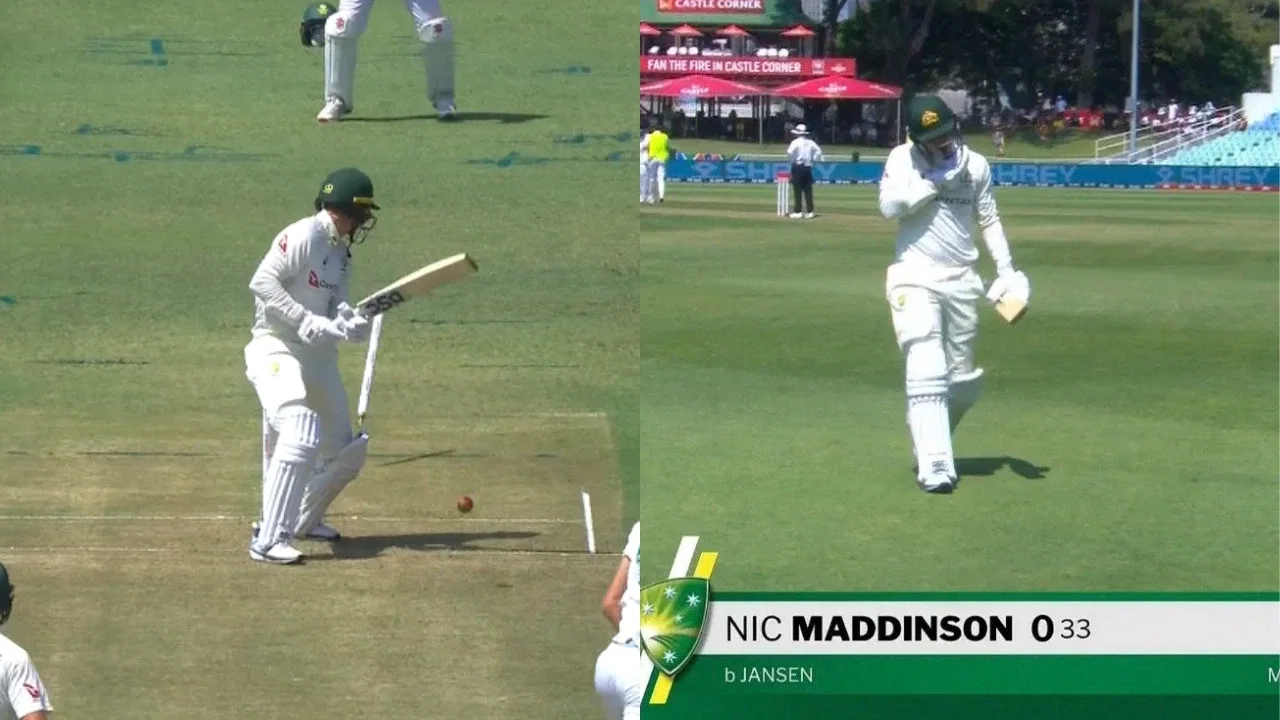
Longest ducks in Test cricket history ft. Nic Maddinson, Shoaib Akhtar
ECB to offer 39 central contracts to England players after Ben Stokes, Mark Wood’s retirement
Steve Smith surpasses Steve Waugh in all-time Test run-scorers’ list
Shane Watson identifies Gautam Gambhir’s biggest problem as India struggle for consistency
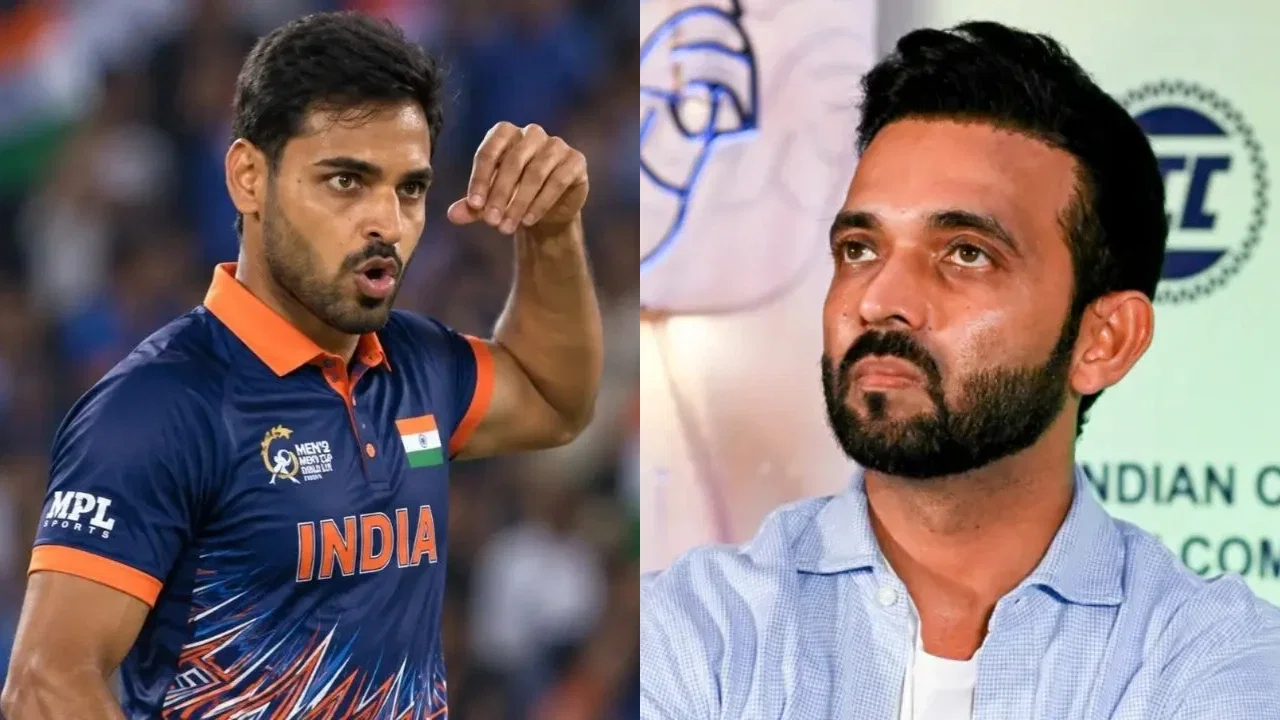
Is Bhuvneshwar Kumar in India’s 2027 World Cup plans? Ajinkya Rahane makes revelation
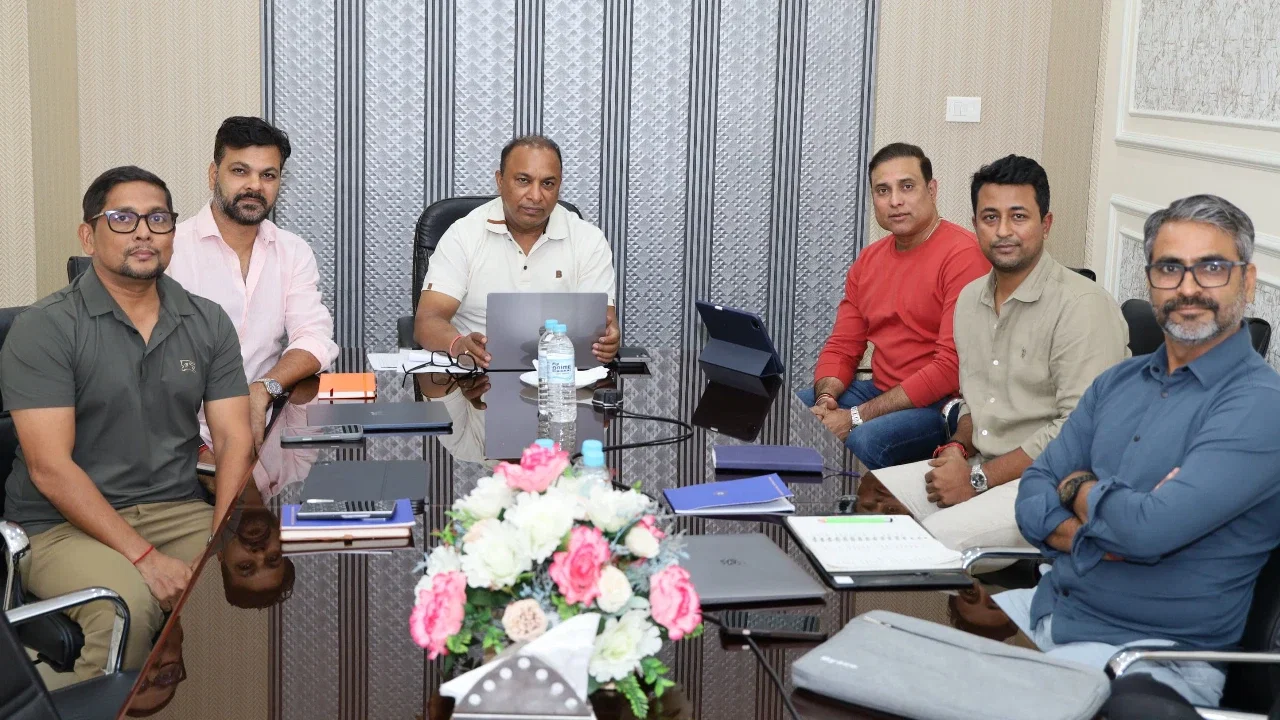
BCCI’s big ₹127 Crore move after injury crisis raises concerns over Team India
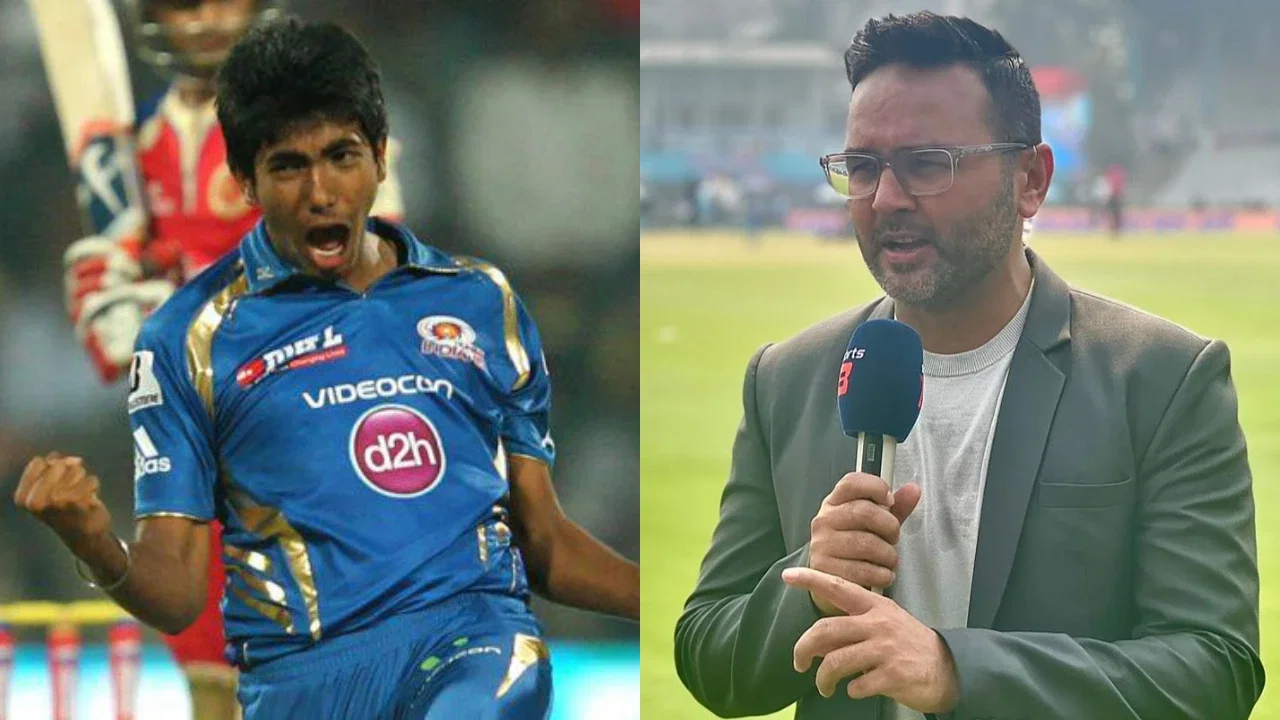
Parthiv Patel reveals RCB ignored his Jasprit Bumrah recommendation in IPL 2014 Auction
“Never spoke ill of any faith”: Irfan Pathan hits back at fake news using his name
Nic Maddinson bags 33-ball duck on Test comeback, disappoints George Bailey
Imran Tahir predicts 2027 ICC ODI World Cup Semi-Finalists, snubs India for title
Australia create unwanted history with first all-30-plus Test XI
Ravindra Jadeja returns to Ranji Trophy as Saurashtra announce squad