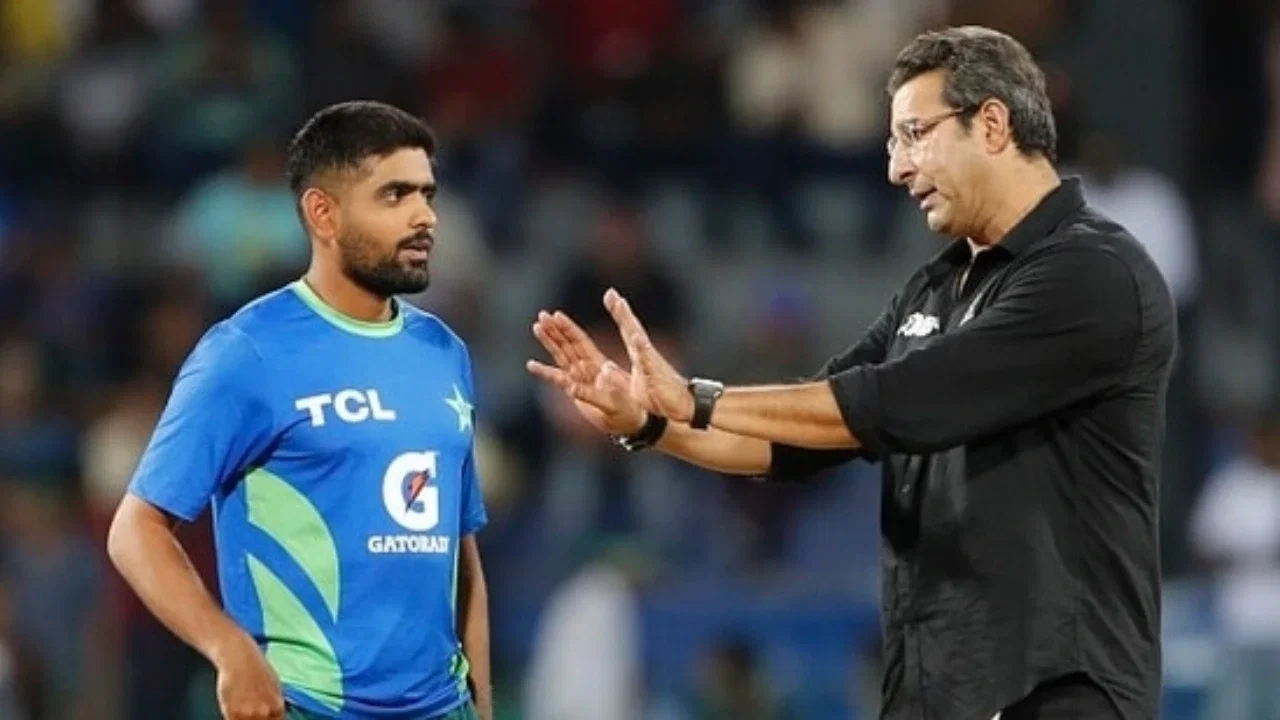
“Should not have taken the captaincy”: Wasim Akram slams Babar Azam after England debacle
Pakistan Cricket Faces Turmoil: A Deep Dive into Recent Failures and Predictions for the Future
Pakistan cricket, long celebrated for its rich history and passionate fan base, currently finds itself navigating turbulent waters across all formats. The national team’s recent performances have sparked widespread concern, criticism, and intense debate about the future direction of the sport in the country. From dismal Test results to leadership controversies, the current state of Pakistan cricket poses critical questions about management, strategy, and the ability to reclaim their former glory.
Recent Series Losses and the State of Pakistan Cricket
In a sobering series against England, Pakistan’s Test team suffered a humiliating 3-0 defeat, exposing significant vulnerabilities in both batting and bowling departments. The series was characterized by a lack of resilience and tactical discipline, culminating in a performance that left fans and critics alike questioning the team’s readiness at the highest level.
During the first Test, Pakistan’s batting line-up struggled to sustain momentum, failing to bat through 100 overs in both innings—a clear indicator of their fragility under pressure. Although the team showed resilience in the third match, ultimately losing, the series highlighted persistent issues that have plagued Pakistan cricket for some time: inconsistent performances, tactical errors, and leadership uncertainties.
Leadership Controversy: Wasim Akram’s Criticism of Babar Azam
Adding fuel to the fire was the outspoken criticism from former Pakistan captain and legendary fast bowler Wasim Akram. At a recent event, Akram expressed his strong disapproval of current Test captain Babar Azam’s reappointment to the leadership role, asserting that it was a mistake that could have lasting repercussions for the team’s morale and performance.
Akram’s prediction was stark: “Babar should not have taken the captaincy,” he stated passionately. He argued that after the second Test loss, Babar should have stepped down from the leadership position and focused solely on his batting. “If your captain doesn’t have your back, how can you give 100% on the field?” he questioned, emphasizing the importance of leadership stability in cricket’s highest levels.
Wasim Akram’s Perspective: The Impact of Leadership on Team Performance
Akram further elaborated on the critical role of captaincy in shaping team dynamics. He pointed out that the recent upheaval—where seven players were sent back home mid-series and the coaching staff was sacked—highlighted a broader crisis of confidence within the squad. During a pre-match press conference, Babar Azam claimed to be unaware of the reasons behind these sudden changes, leading Akram to question his leadership and communication skills.
“If the captain says he doesn’t know what’s happening, then what exactly is his role?” Akram asked. “Are you here just to sell chickpeas? Leadership is about understanding and guiding your team through turbulent times, not being in the dark.”
The Question of Backing and Player Morale
Akram’s critique also centered on Babar’s failure to support his players during difficult moments. He stressed that a captain must stand by his team, especially in adverse situations, to foster unity and resilience. “If a leader doesn’t back his players, how can they perform at their best?” Akram questioned. He suggested that Babar should have stepped down from the captaincy after the second Test and continued solely as a player, allowing fresh leadership to guide Pakistan through its current crisis.
Current Form and Future Predictions for Pakistan Cricket
Looking ahead, Pakistan’s recent form paints a bleak picture for their prospects in the global cricket landscape. The Men in Green currently sit at the bottom of the World Test Championship (WTC) 2025-2027 standings, occupying the 9th spot with a dismal Points Percentage (PCT) of just 4.63%. Their record over the past three years is hardly encouraging: having lost 16 of their last 21 Test matches, with only a single away victory during this period.
This poor performance has already resulted in Pakistan’s elimination from the ongoing WTC cycle, and experts predict that they are likely to finish at the bottom of the table for the second consecutive cycle. Such a downward slide underscores the urgent need for strategic overhaul, better leadership, and a focus on nurturing young talent.
Key Challenges and Expectations Moving Forward
Pakistan cricket’s future hinges on multiple factors. First, the leadership vacuum must be addressed. Whether through re-evaluating captaincy choices or fostering a more transparent and communicative coaching setup, Pakistan needs stability at the top. Second, talent development programs should be prioritized to rebuild a competitive squad capable of challenging top-tier nations.
Moreover, prediction models suggest that unless significant reforms are implemented, Pakistan’s performance in upcoming series and tournaments might continue to decline. The team’s current trajectory indicates a need for fresh strategies, including a possible shift towards more aggressive batting approaches and innovative bowling tactics to adapt to modern cricket’s demands.
Expert Opinions and the Road Ahead
Cricket analysts and former players agree that Pakistan must undergo a period of introspection and transformation. The prediction for the next few years is cautiously optimistic if the management can address core issues like leadership instability, player morale, and tactical discipline. A renewed focus on youth development, coupled with strategic planning, could serve as the foundation for a cricketing resurgence.
Additionally, the importance of leadership in shaping team culture cannot be overstated. As Wasim Akram rightly pointed out, a captain’s backing and clear communication are vital. The upcoming domestic seasons and talent scouting initiatives will play a crucial role in identifying future leaders capable of steering Pakistan cricket back to its winning ways.
Conclusion: A Critical Juncture for Pakistan Cricket
Pakistan cricket stands at a pivotal crossroads. The combination of poor recent performances, leadership controversies, and internal upheavals necessitates bold decisions and strategic reforms. While the prediction remains that the road ahead will be challenging, history shows that Pakistan has the resilience and talent to rise from setbacks.
In the coming months, all eyes will be on the Pakistan Cricket Board, team management, and emerging players to see how they navigate this difficult phase. The hope is that constructive changes and inspired leadership will pave the way for a brighter future, restoring Pakistan’s reputation as a formidable force in international cricket.
Ultimately, the prediction for Pakistan cricket hinges on their ability to learn from recent failures and implement comprehensive reforms. Only then can they hope to reclaim their status and inspire a new generation of cricket lovers across the nation.
Latest News
Top 10 highest run-chases in T20 cricket history, ft. West Indies’ Ranchi win vs India
Aaryavir Sehwag and Anvay Dravid set to make headlines at U19 Asia Cup 2026

Longest ducks in Test cricket history ft. Nic Maddinson, Shoaib Akhtar
ECB to offer 39 central contracts to England players after Ben Stokes, Mark Wood’s retirement
Steve Smith surpasses Steve Waugh in all-time Test run-scorers’ list

Shane Watson identifies Gautam Gambhir’s biggest problem as India struggle for consistency

Is Bhuvneshwar Kumar in India’s 2027 World Cup plans? Ajinkya Rahane makes revelation

BCCI’s big ₹127 Crore move after injury crisis raises concerns over Team India

Parthiv Patel reveals RCB ignored his Jasprit Bumrah recommendation in IPL 2014 Auction
“Never spoke ill of any faith”: Irfan Pathan hits back at fake news using his name
Nic Maddinson bags 33-ball duck on Test comeback, disappoints George Bailey

Imran Tahir predicts 2027 ICC ODI World Cup Semi-Finalists, snubs India for title
Australia create unwanted history with first all-30-plus Test XI
Ravindra Jadeja returns to Ranji Trophy as Saurashtra announce squad