Shreyas Iyer, Ravindra Jadeja and Rishabh Pant among stars spotted during BCCI Fitness Tests
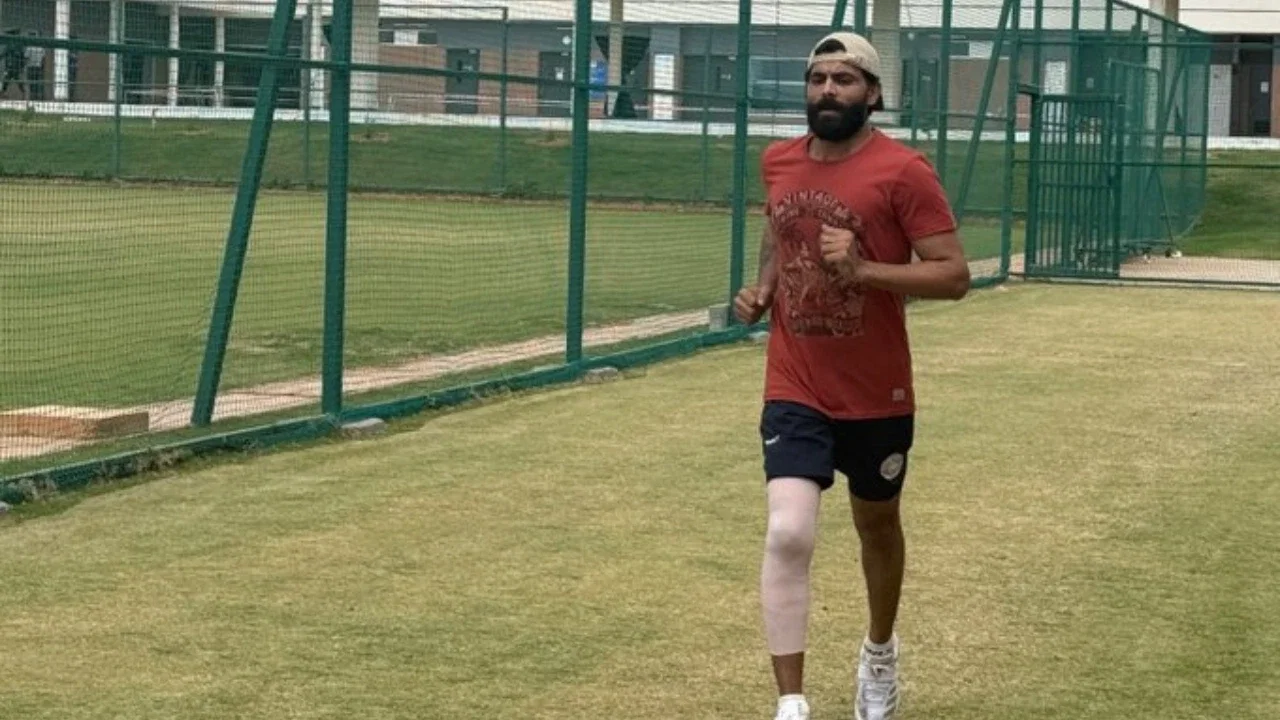
India’s Cricket Future: BCCI Implements Stringent Pre-Season Fitness Prediction and Testing Protocols
In a decisive move aimed at bolstering the health, resilience, and performance of its cricketing stars, the Board of Control for Cricket in India (BCCI) has unveiled a comprehensive, strict pre-season fitness programme for its centrally contracted players. This initiative, which comes in response to growing concerns about player injuries and overall fitness levels, signals a significant shift towards rigorous physical preparation and injury prevention strategies. As Indian cricket continues its pursuit of excellence on the international stage, these new measures are set to redefine the standards of athlete readiness and set a benchmark for other cricket boards worldwide.
Background: Rising Injury Concerns Prompt a Fitness Overhaul
Over the past year, Indian cricket has faced a series of setbacks due to injuries sustained by key players during crucial tournaments and series. From fast bowlers like Jasprit Bumrah and Mohammed Shami to all-rounders like Hardik Pandya, the injury list has disrupted team balance and hampered strategic planning. Recognizing the urgent need to address these vulnerabilities, the BCCI’s leadership has prioritized implementing a robust, science-backed fitness assessment protocol designed to predict and prevent injuries before they occur.
The goal: create a reliable baseline of each player’s physical condition, monitor progress, and tailor training regimens accordingly. This proactive approach emphasizes the importance of prediction—using advanced technology and systematic testing to forecast injury risks and optimize fitness levels for the rigors of international cricket.
State-of-the-Art Fitness Testing at the BCCI Centre of Excellence
The mandatory fitness evaluations have been conducted at the renowned BCCI Centre of Excellence (CoE) in Bengaluru, formerly known as the National Cricket Academy (NCA). The facility has been upgraded with cutting-edge technology and dedicated sports science experts to carry out comprehensive assessments. These tests are designed not only to measure current fitness levels but also to establish a predictive model for future performance and injury risk management.
Participation and Scheduling
Indian cricketers report to the CoE in staggered batches throughout the week, ensuring personalized attention and minimizing fatigue-related inconsistencies. The latest batch, confirmed by the BCCI on August 29, included some of the biggest names in Indian cricket, such as T20I captain Shreyas Iyer, Yashasvi Jaiswal, Ravindra Jadeja, Rishabh Pant, Sanju Samson, Rinku Singh, and Ruturaj Gaikwad. The purpose of this phased approach is to integrate extensive testing into the players’ pre-season routines seamlessly, ensuring they are physically primed for the demanding international schedule ahead.
Advanced Technology and Comprehensive Fitness Metrics
The BCCI has incorporated advanced technological tools to enhance the accuracy and predictive capacity of these fitness assessments. Among these innovations are:
- DXA Scans (Dual-Energy X-ray Absorptiometry): These scans provide detailed insights into bone density, body composition, and fat distribution. Such data help identify vulnerabilities and tailor individual training programs to mitigate injury risks.
- Yo-Yo Intermittent Recovery Test: A high-intensity endurance test that measures a player’s ability to repeatedly perform high-intensity efforts, reflecting game-like stamina levels.
- 2K Running Test: Assesses cardiovascular fitness, stamina, and aerobic capacity by timing players over a 2-kilometer distance.
- Bronco Test: A newly introduced agility and power test that evaluates a player’s ability to quickly change direction and maintain speed under fatigue.
- High-Intensity Shuttle Runs: Players complete a 1,200-meter shuttle run comprising multiple sprints, designed to gauge endurance, speed, and recovery capacity.
These tests collectively contribute to a comprehensive profile, enabling the BCCI to make informed predictions about each player’s injury susceptibility, workload management, and long-term fitness trajectory.
Why Prediction Matters: Building Resilience for the 2026-27 Season
The upcoming 2026-27 season promises to be a landmark period for Indian cricket, with major international tournaments, bilateral series, and World Cup commitments. Ensuring that players are physically prepared and injury-free is crucial for sustained success. The BCCI’s prediction-driven approach aims to forecast potential injury patterns and adapt training loads accordingly. This strategic foresight is expected to help prevent setbacks that have previously hampered team performance.
By establishing a detailed baseline, coaches and sports scientists can predict how players will respond to the intense demands of international cricket, allowing for tailored conditioning programs. This proactive stance not only enhances individual player longevity but also strengthens the overall team’s resilience, ensuring India remains competitive at the highest levels.
The Impact of a Tougher Fitness Regime
The fitness tests have become more demanding, reflecting the BCCI’s commitment to raising standards. For example, players are required to complete a 1,200-meter shuttle run in under approximately 5 minutes and 15 seconds—a rigorous test of endurance, speed, and agility. The 2-kilometer run must be completed within 9 to 10 minutes, testing aerobic capacity and stamina. These benchmarks are set to push players beyond previous standards, fostering a culture of excellence and accountability.
Addressing Concerns Over Fairness and Transparency
While these measures are widely praised, reports have surfaced suggesting some senior players might have been given more lenient targets. Critics argue that such discrepancies could undermine the credibility of the fitness assessment process. The BCCI, however, maintains that the protocols are standardized and scientifically validated, with individual benchmarks tailored to each player’s age, role, and injury history. Moving forward, transparency and consistency will be key to ensuring the programme’s integrity and effectiveness.
Lessons from Recent Injury Crises and the Way Forward
The injury crisis during recent white-ball tours to Ireland and England exposed vulnerabilities in India’s player management strategies. Key players missing action not only affected team performance but also highlighted the importance of prediction in injury prevention. The BCCI’s new fitness programme is a direct response, emphasizing data-driven decision-making rooted in predictive analytics.
By leveraging technology and scientific testing, Indian cricket aims to shift from reactive injury management to a predictive model—anticipating injuries before they happen and implementing preemptive measures. This approach aligns with global best practices in athlete management and reflects a mature understanding of sports science’s role in modern cricket.
Conclusion: A New Era of Predictive Fitness in Indian Cricket
The BCCI’s rigorous pre-season fitness prediction and testing initiative marks a new chapter in Indian cricket’s quest for excellence. By integrating advanced technology, scientific assessments, and predictive analytics, the board is setting a benchmark for athlete health and performance management. The ultimate goal is to build a resilient, injury-free team capable of competing at the highest levels for years to come.
As the season approaches, cricket fans and stakeholders alike are watching eagerly to see how these innovations translate into on-field success. With a focus on prediction—anticipating and preventing injuries—India’s cricketing future looks brighter, stronger, and more prepared than ever before.
Latest News

Geoffrey Boycott warns Harry Brook despite calling him a rare talent

Test cricket in trouble? Michael Atherton warns over rise in 3-Day finishes
Shreyas Iyer, Ravindra Jadeja and Rishabh Pant among stars spotted during BCCI Fitness Tests
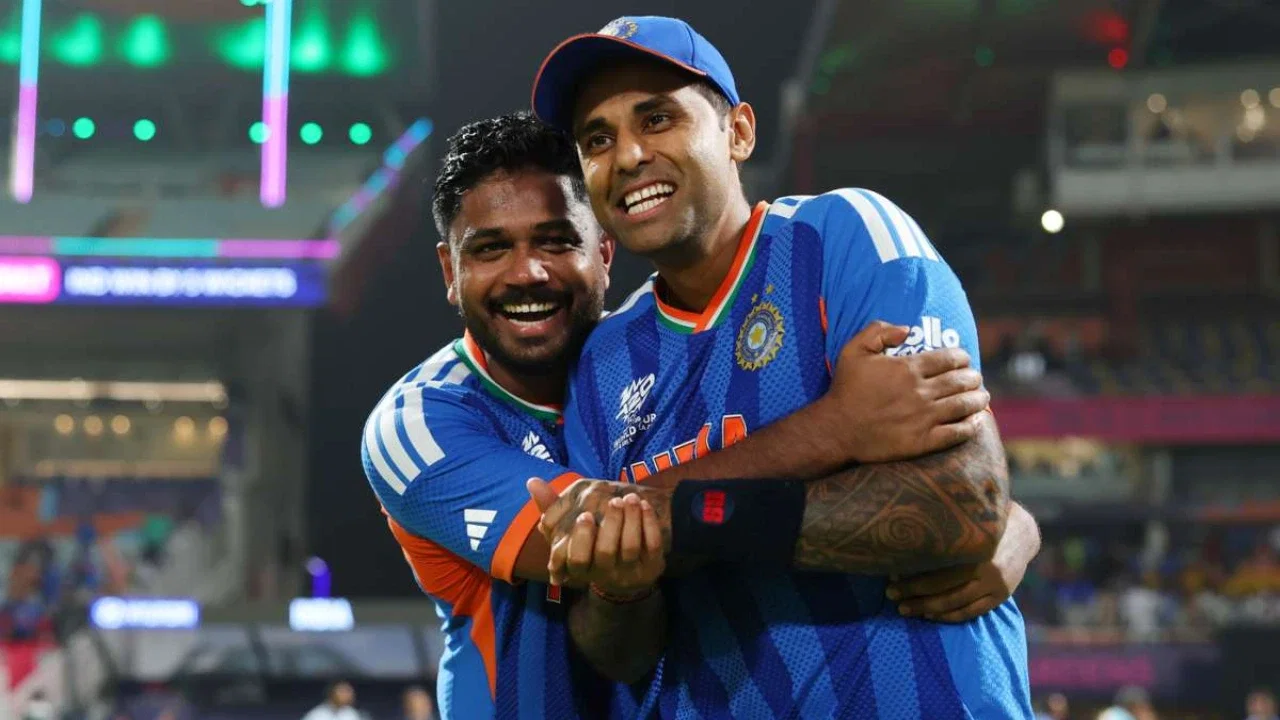
When Sanju Samson won Suryakumar Yadav’s trust and heart with one special gesture
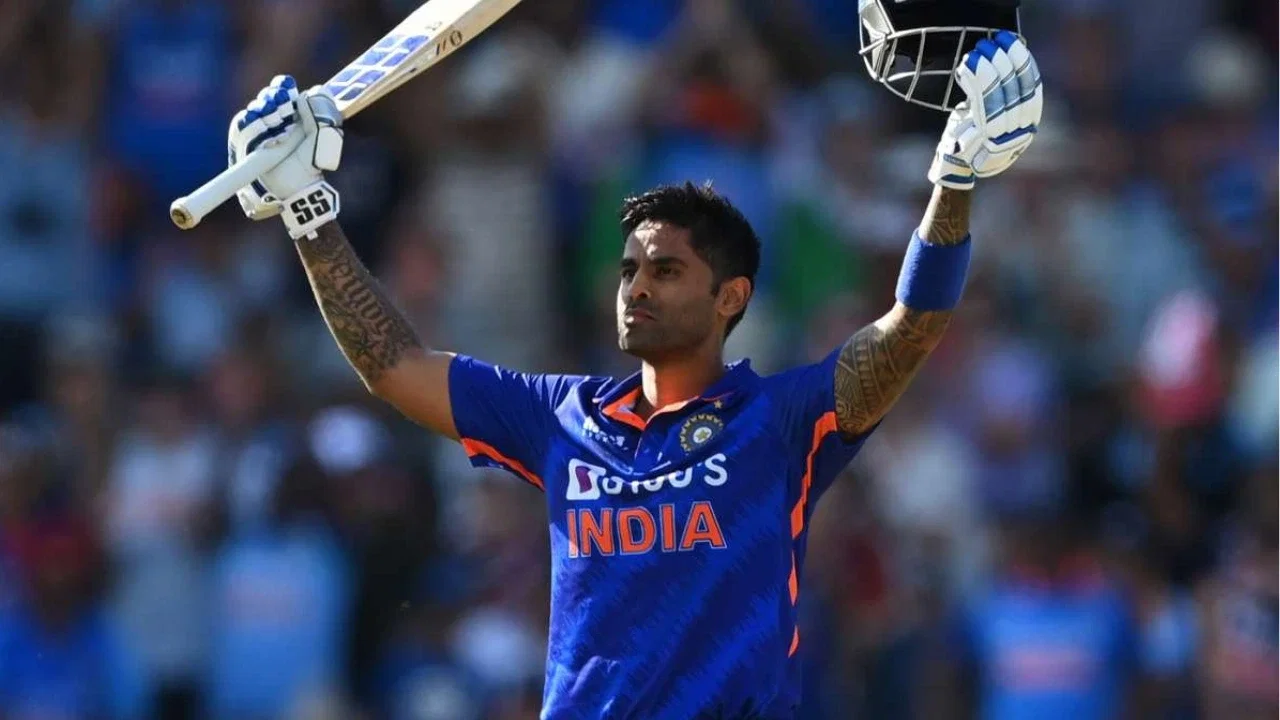
Suryakumar Yadav opens up on losing India captaincy as he questions decision
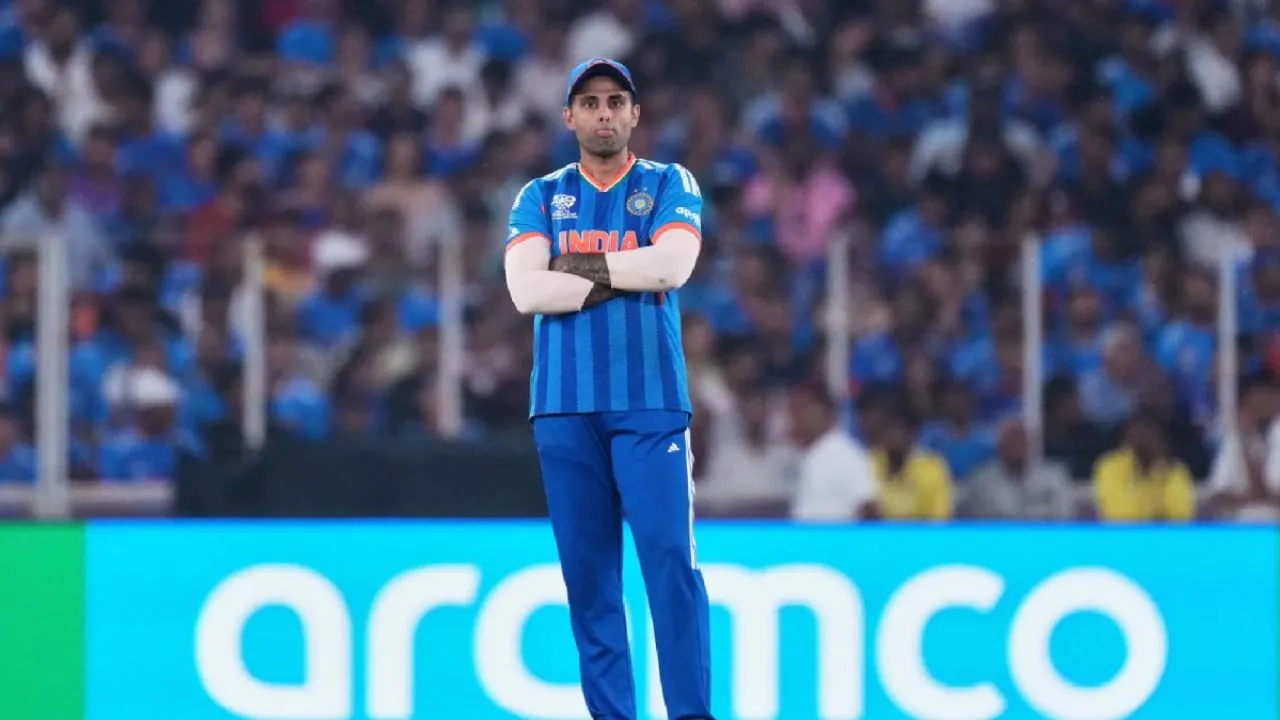
Suryakumar Yadav makes honest admission about his ODI career

Hardik Pandya, Jasprit Bumrah injury update: No comeback timeline
Hardik Pandya, Jasprit Bumrah injury update: No comeback timeline
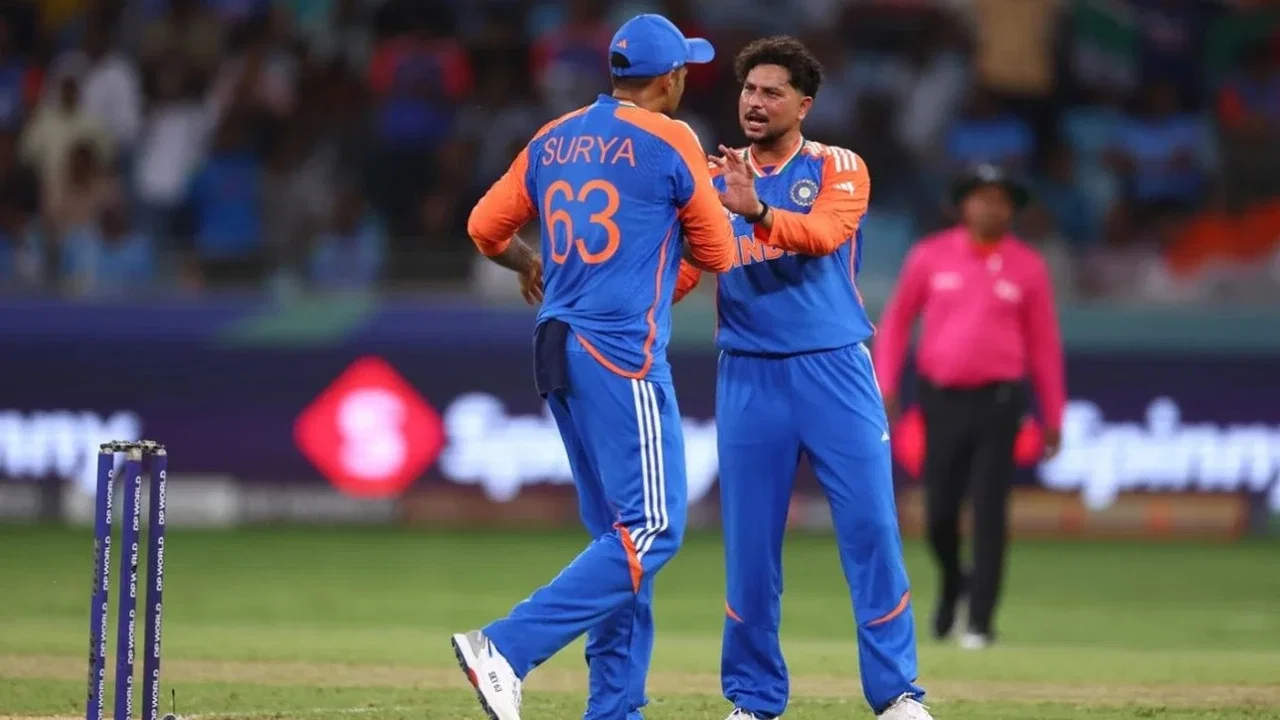
Suryakumar Yadav reveals why he got angry at Kuldeep Yadav during Pakistan clash
Imam-ul-Haq accused of faking injuries by ex-Pakistan selector
Dinesh Karthik advised to reject CSK head coach role
Prince Yadav clears fitness test ahead of Afghanistan series
MS Dhoni to join CSK as coach or mentor! Franchise puts pre-season plans on hold

Javed Miandad breaks down in tears while speaking about Imran Khan