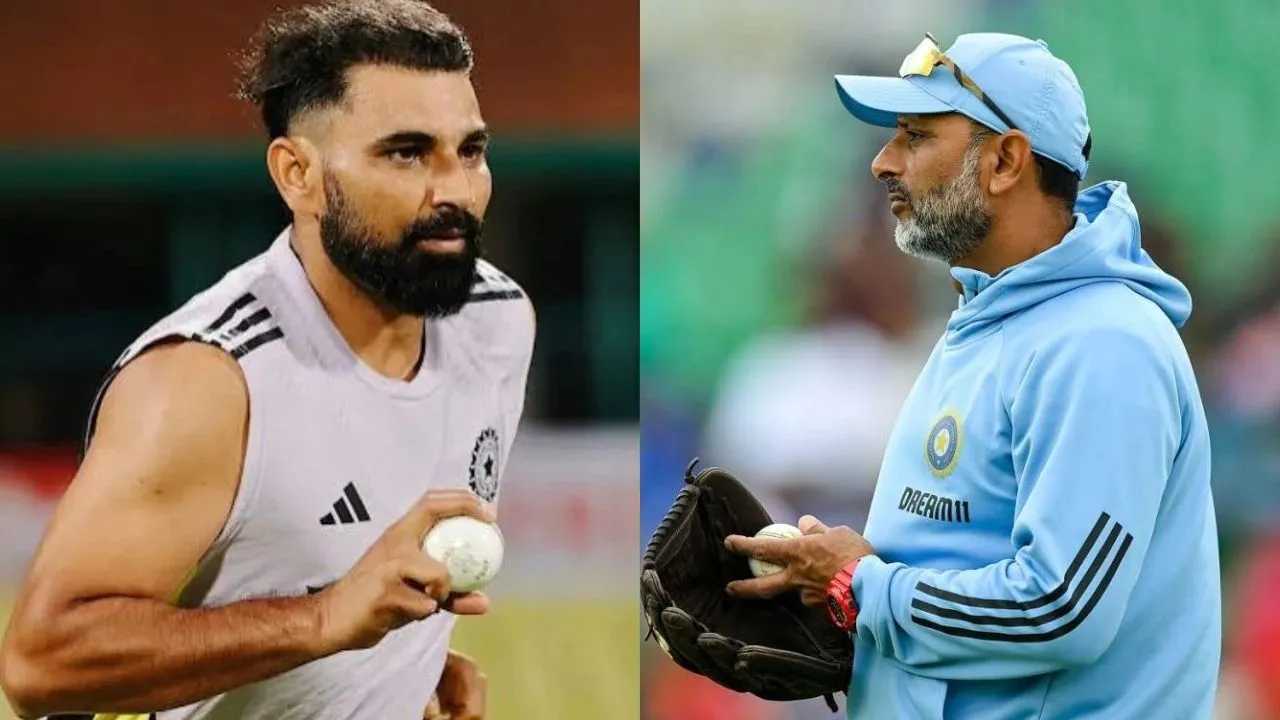
Shubman Gill and others to skip 2 NZ ODIs for Test preparation, Shreyas Iyer to lead
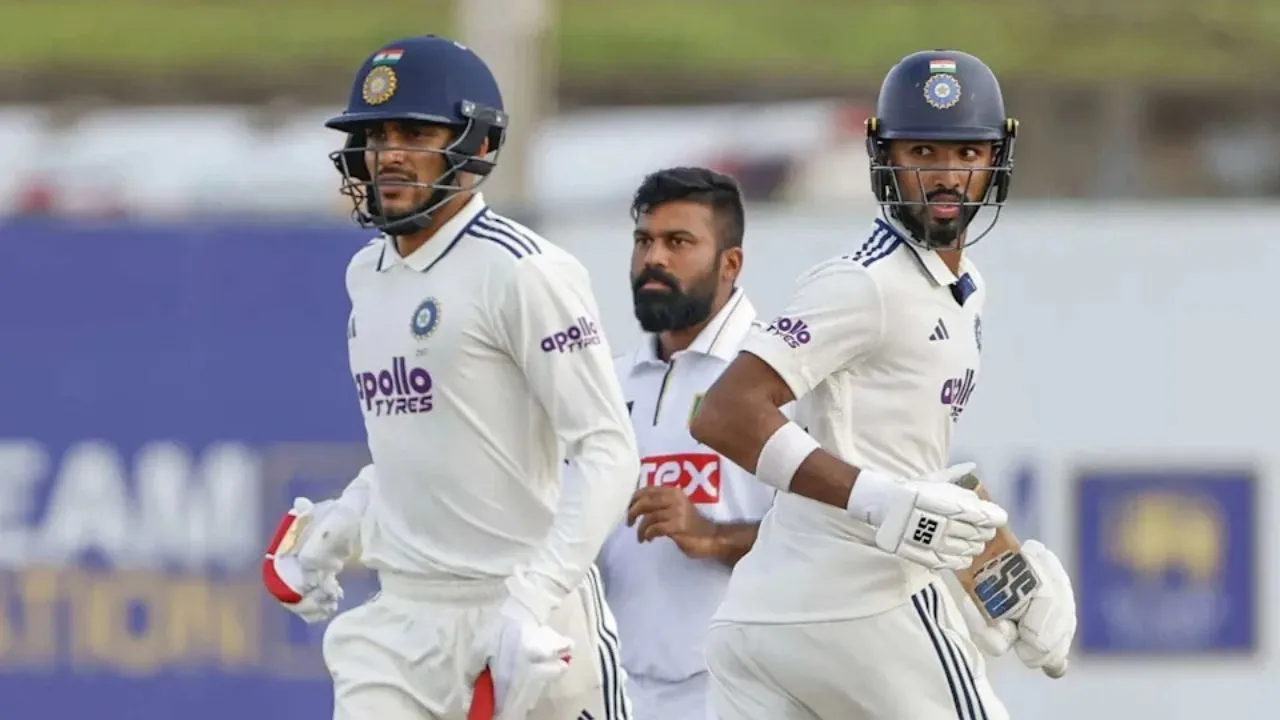
India’s Upcoming New Zealand Tour: Prediction Challenges and Preparation Concerns
The Indian cricket team’s highly anticipated tour of New Zealand is shaping up to be a formidable test of strategic planning and adaptability. With a packed schedule that compresses multiple formats into a short timeframe, team management faces pressing concerns about player readiness, especially for key performers like Shubman Gill. This upcoming series not only carries implications for India’s World Test Championship (WTC) ambitions but also underscores the complexities of balancing multi-format commitments in a congested international calendar.
Tour Schedule Overview: Tight Timeline Raises Red Flags
The itinerary for India’s New Zealand tour is notably condensed, raising prediction-based questions about the team’s preparedness and tactical flexibility. The series kicks off with five T20 Internationals starting October 22, followed by five ODIs from November 4. The two-match Test series commences in Wellington on November 19, which means there is a mere four-day gap between the conclusion of the ODIs and the start of the Tests. Notably, no warm-up matches are scheduled before the Test series, which could further challenge players’ transition from limited-overs formats to the longer format of red-ball cricket.
This compressed timeline has sparked concerns within the cricketing community and among analysts about the prediction of India’s performance in the Test series. The limited window for red-ball practice could impact players’ ability to acclimate to New Zealand’s pitches, weather conditions, and tactical demands—factors crucial for success in Test cricket. The absence of dedicated warm-up matches leaves players with minimal preparation to adapt to the nuances of Test match conditions, complicating predictions about how well India can perform in this challenging environment.
Key Players Face Limited Red-Ball Preparation: The Gill Dilemma
Among the Indian squad, Shubman Gill’s situation epitomizes the broader challenge of balancing multi-format duties and preparation. As a rising star and a vital component of India’s batting line-up, Gill’s ability to transition seamlessly from white-ball cricket to the demands of Test cricket will be critical. However, due to the tight schedule, it is reported that Gill, along with other key players like KL Rahul, Nitish Kumar Reddy, Prasidh Krishna, Jasprit Bumrah, Kuldeep Yadav, and Mohammed Siraj, might skip the final two ODIs against New Zealand.
This strategic decision, aimed at prioritizing red-ball preparations, raises the prediction of how India’s Test prospects might be affected. If Gill and other players are to arrive early in New Zealand for additional practice, it will create a split in the support staff and may impact the team’s overall cohesion. The team management is reportedly considering dividing the support staff—some coaches will stay with the ODI squad, while others will begin preparing the Test team early, with some players, including Gill, arriving ahead of the main contingent.
Such a split strategy could be a double-edged sword. While it offers players extra time to adapt to Test conditions, it also risks disrupting team dynamics and continuity. Predictions about India’s Test performance will likely hinge on how effectively these players can acclimate quickly without the usual warm-up matches or extended practice sessions.
Implications of the Schedule on Team Strategy and Player Performance
The prediction of India’s success in New Zealand hinges heavily on how well players can adapt to the rapid transition between formats. The absence of warm-up matches means players like Gill, who are expected to feature prominently in both ODIs and Tests, will need to adjust swiftly from the high-intensity environment of limited-overs cricket to the prolonged, tactical nature of Test matches.
The schedule’s design has also prompted speculation about potential changes in the Indian squad composition. If key players leave the ODI squad early to focus on red-ball training, the team might have to field a less experienced or reshuffled ODI side, possibly impacting their performance in the final two ODIs. This scenario could influence India’s overall prediction for the series, especially considering the importance of maintaining momentum in the WTC standings.
Strategic Planning: The Role of Support Staff and Training Modules
In response to these scheduling challenges, reports suggest that the Indian team management is exploring innovative solutions to optimize player preparation. One such strategy involves splitting the support staff—some coaches and trainers will remain with the ODI squad, while others will travel early to Wellington to focus exclusively on red-ball preparations.
This targeted approach aims to maximize training efficiency, allowing players like Gill and others to receive tailored coaching on longer-format skills, pitch conditions, and mental conditioning specific to Test cricket. The absence of warm-up matches underscores the necessity of such proactive training measures, as players will need to rely heavily on simulation and coaching sessions to bridge the preparation gap.
Expert Predictions and Expectations for the Series
Cricket experts and analysts have begun weighing in on the potential outcomes of this challenging schedule. Many predict that India’s success in the Test series will depend largely on the team’s ability to adapt quickly and the effectiveness of their strategic planning. The prediction that the schedule could hinder some players’ performance is coupled with optimism that experienced players and well-organized support staff can mitigate these challenges.
Furthermore, the prediction of India’s performance in New Zealand must consider the impact of the congested schedule on mental and physical stamina. The limited rest and intense back-to-back format could lead to fatigue, affecting execution and decision-making during crucial moments of the series.
Looking Ahead: The Significance of the Series for India’s WTC Ambitions
This series holds significant weight for India’s prediction of reaching the WTC final in 2025-27. With India currently ranked fifth in the points table, every match becomes critical for accumulating valuable points and climbing the standings. The outcome of this series could either bolster or hinder their campaign, making preparation and prediction even more vital for the team’s strategic outlook.
In conclusion, India’s upcoming tour of New Zealand exemplifies the complexities of modern cricket scheduling and the importance of strategic foresight. The predictions for team performance hinge on how well players and support staff can navigate the tight schedule, limited practice opportunities, and the transition between formats. While challenges abound, the series also presents an opportunity for India to demonstrate resilience, adaptability, and tactical brilliance on foreign soil.
Final Thoughts: Prediction and Preparation as the Key to Success
As the cricketing world watches closely, the prediction of India’s success in New Zealand will likely be shaped by their ability to optimize preparation within a constrained timeline. The innovative support strategies, player adaptability, and mental toughness will be under scrutiny, making this series a true test of India’s cricketing prowess. With everything on the line for WTC qualification and international reputation, the coming weeks are set to be a defining chapter in India’s cricketing journey.
Latest News
Top 10 highest run-chases in T20 cricket history, ft. West Indies’ Ranchi win vs India
Aaryavir Sehwag and Anvay Dravid set to make headlines at U19 Asia Cup 2026
Longest ducks in Test cricket history ft. Nic Maddinson, Shoaib Akhtar
ECB to offer 39 central contracts to England players after Ben Stokes, Mark Wood’s retirement
Steve Smith surpasses Steve Waugh in all-time Test run-scorers’ list

Shane Watson identifies Gautam Gambhir’s biggest problem as India struggle for consistency

Is Bhuvneshwar Kumar in India’s 2027 World Cup plans? Ajinkya Rahane makes revelation
BCCI’s big ₹127 Crore move after injury crisis raises concerns over Team India

Parthiv Patel reveals RCB ignored his Jasprit Bumrah recommendation in IPL 2014 Auction
“Never spoke ill of any faith”: Irfan Pathan hits back at fake news using his name
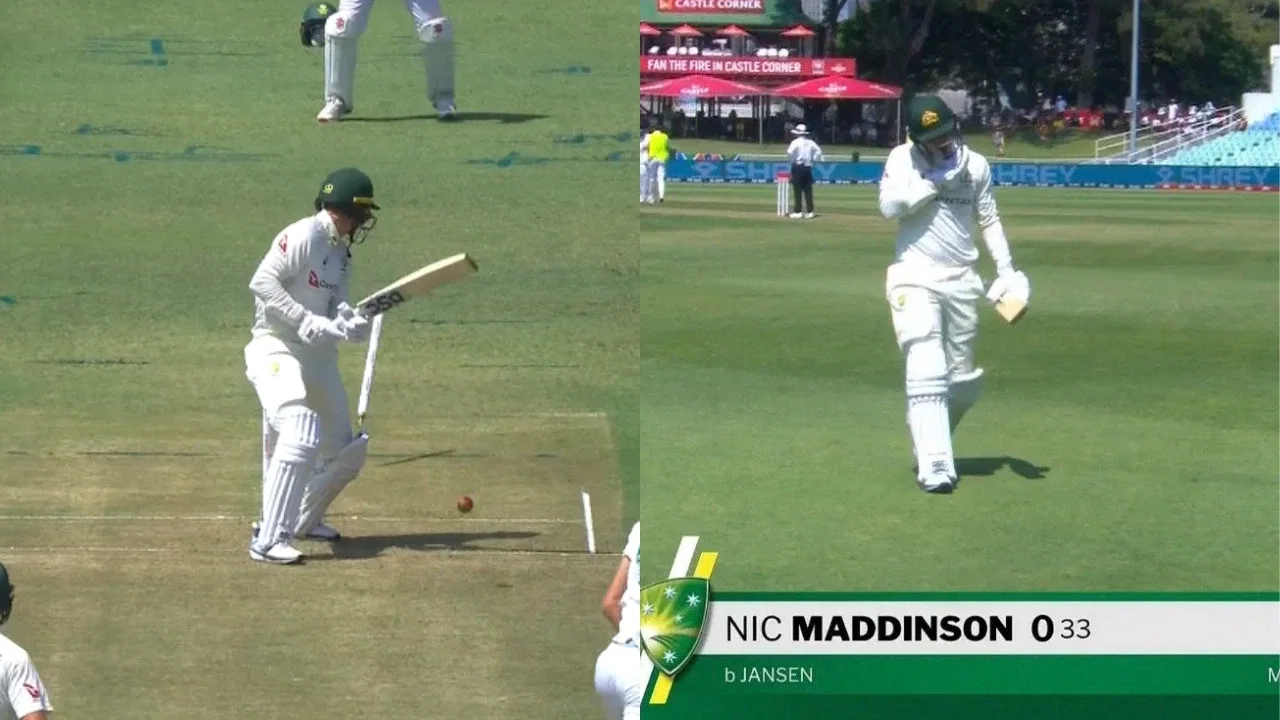
Nic Maddinson bags 33-ball duck on Test comeback, disappoints George Bailey

Imran Tahir predicts 2027 ICC ODI World Cup Semi-Finalists, snubs India for title
Australia create unwanted history with first all-30-plus Test XI
Ravindra Jadeja returns to Ranji Trophy as Saurashtra announce squad