Shubman Gill needs to learn lot as India captain: Cheteshwar Pujara
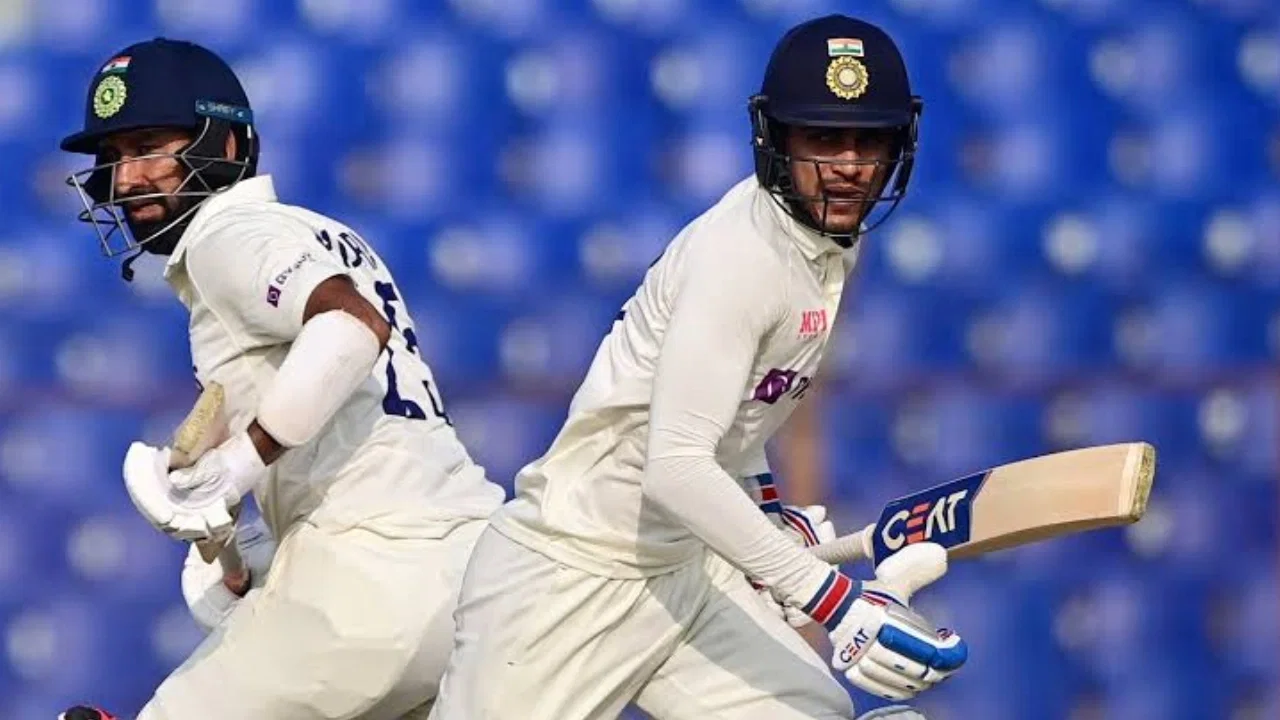
India National Cricket Team Faces Setback in Colombo Test
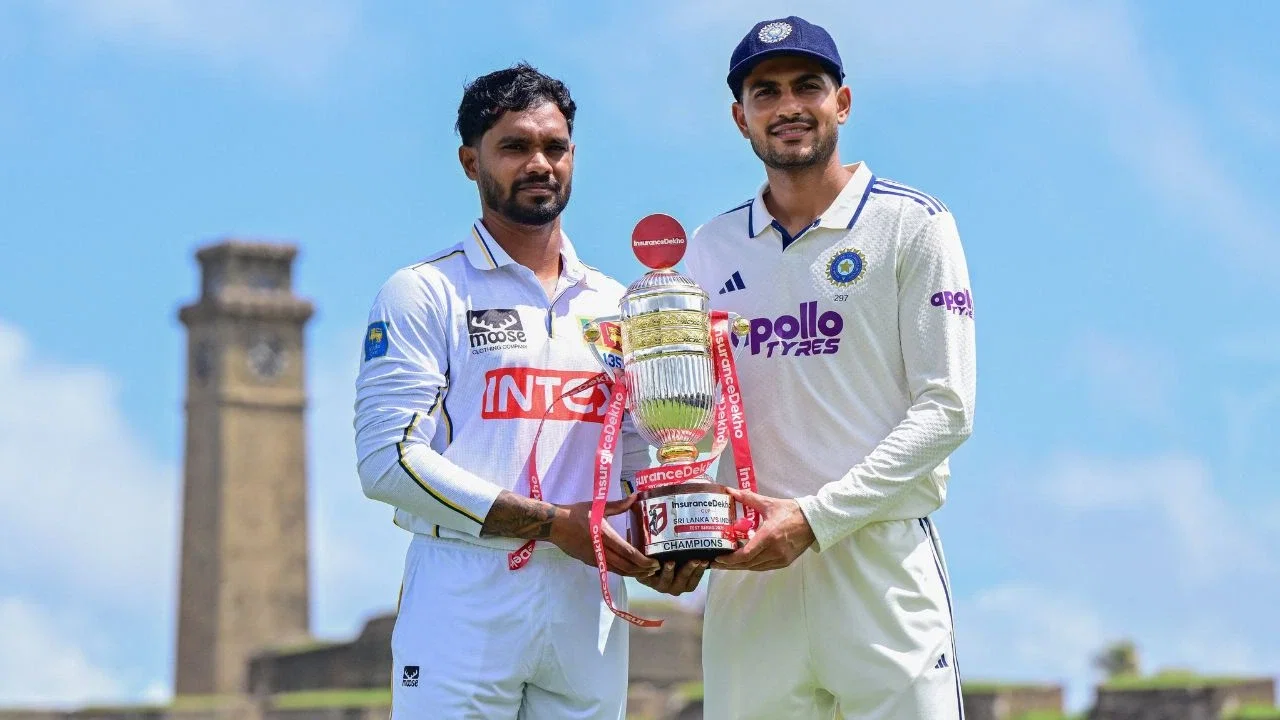
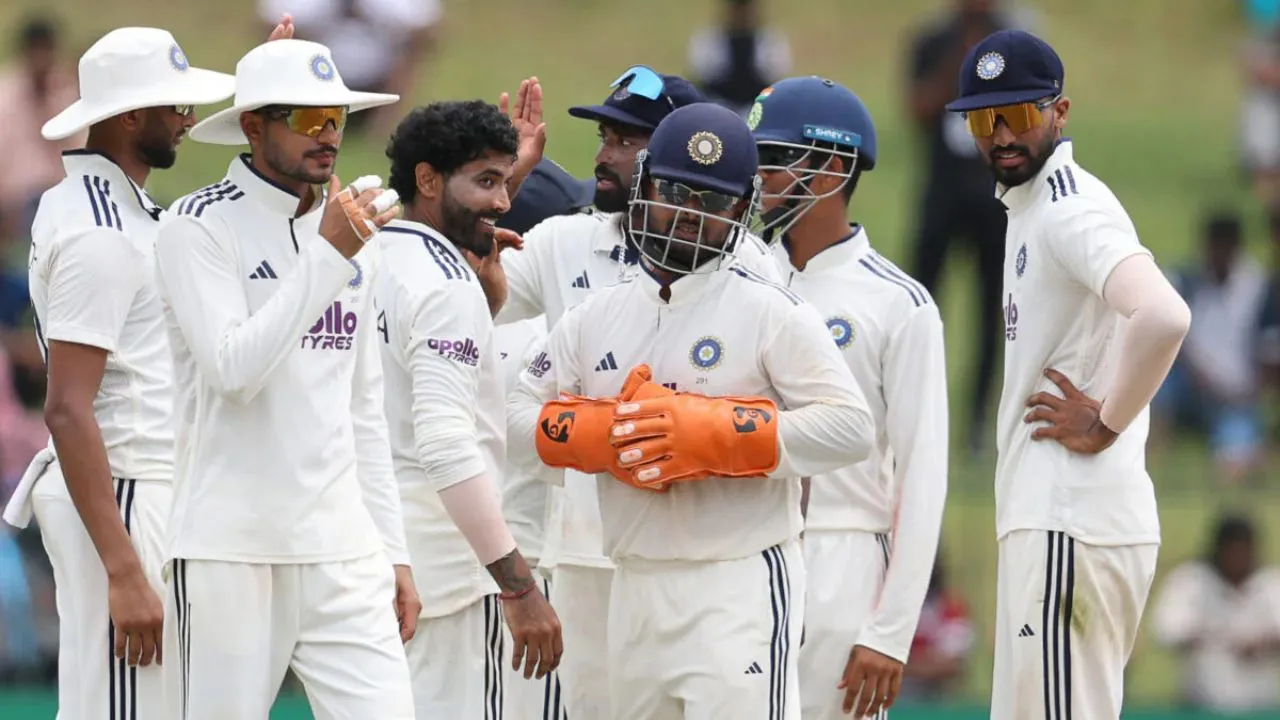
As the third day of the test match between India and Sri Lanka came to a close, it seemed like the Indian team was on the verge of securing a victory to claim the 2-match series. However, things took an unexpected turn on Day 4 as Sri Lankan batters launched a counter-attacking batting display, pushing India on the back foot and setting the stage for a potential draw.
Cheteshwar Pujara Critiques Shubman Gill’s Captaincy
Former Team India cricketer Cheteshwar Pujara had some critical observations about Shubman Gill’s captaincy during the match. Pujara noted that Gill’s defensive approach allowed the Sri Lankan batters to settle in and rotate the strike comfortably, giving them the upper hand in the game.
According to Pujara, the period between lunch and tea was a crucial moment when Gill’s defensive tactics were tested. The former cricketer emphasized the importance of knowing when to attack and when to set a defensive field, suggesting that Gill has a lot to learn in terms of captaincy tactics.
The Importance of Taking Wickets in Test Matches
Pujara highlighted the significance of taking wickets in Test matches, stating that a defensive approach is unlikely to yield positive results for the team. He stressed the need for an aggressive strategy to keep pressure on the opposition batters and force them into making mistakes.
Furthermore, Pujara pointed out that breaking partnerships is crucial in Test cricket, and a proactive approach is essential to achieving that goal. He expressed his belief that Gill needs to focus on seeking wicket-taking opportunities rather than adopting a defensive stance, especially when facing quality opposition.
Sri Lanka’s Counter-Attacking Strategy
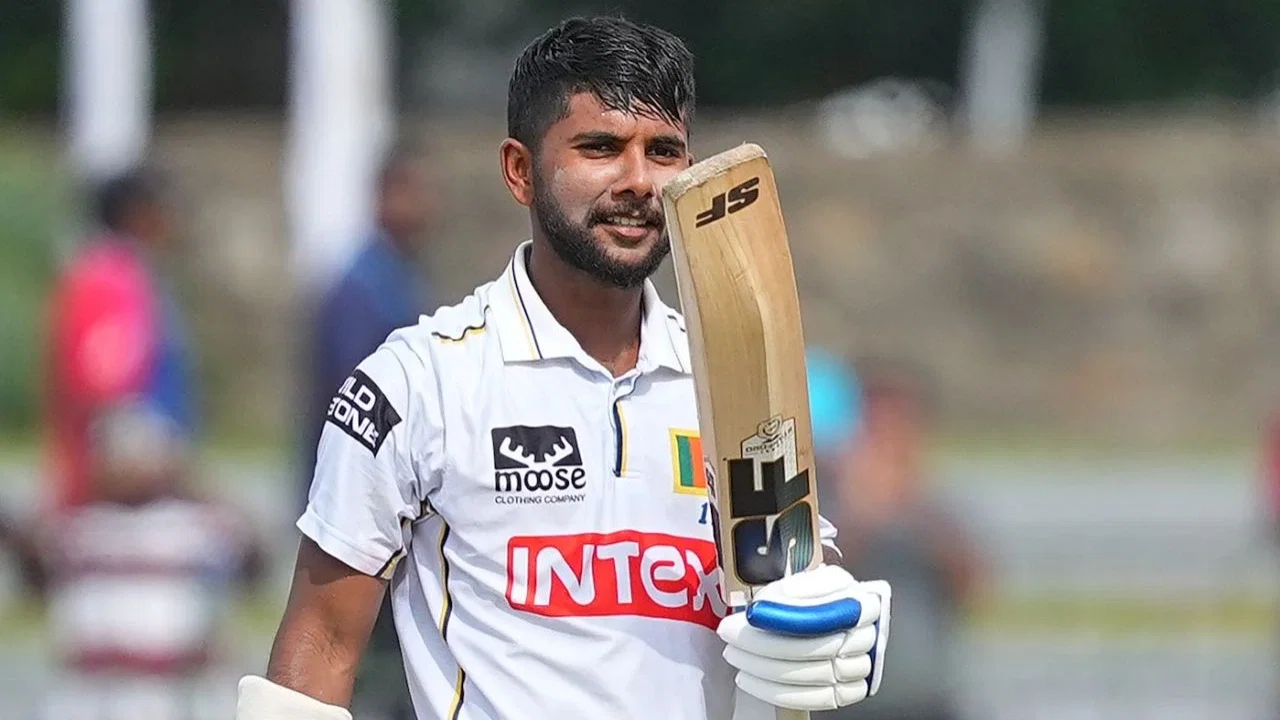
Pujara also commented on Sri Lanka’s decision to adopt a counter-attacking strategy during the match. He suggested that if Sri Lanka had chosen a more defensive approach instead of being overly aggressive, the outcome of the game could have been different. Pujara highlighted a particular shot played by Pasindu Sooriyabandara, which he felt was unnecessary and risky given Sri Lanka’s comfortable position at that time.
Overall, the match in Colombo showcased the importance of strategic captaincy decisions and the impact they can have on the outcome of a game. As both teams gear up for future matches, it will be interesting to see how Shubman Gill and the Indian team adapt and learn from their experiences in this closely contested test series.
The Role of Predictive Analytics in Cricket
One aspect that could potentially assist captains like Shubman Gill in making strategic decisions is the use of predictive analytics in cricket. Predictive analytics involves utilizing historical data, player statistics, pitch conditions, and other variables to forecast outcomes and make informed decisions during a match.
By leveraging predictive models, captains can have a better understanding of how certain decisions, such as field placements, bowling changes, or batting strategies, may impact the game’s outcome. These insights can help in optimizing strategies to maximize the team’s chances of success, especially in high-pressure situations like test matches.
The Evolution of Captaincy in Cricket
Captaincy in cricket has evolved over the years, with modern-day captains needing to be not just exceptional players but also astute tacticians and strategists. Gone are the days when captains relied solely on their gut instincts; today, they have access to a wealth of data and analysis to inform their decisions.
Successful captains like Virat Kohli, Joe Root, and Kane Williamson have demonstrated the importance of adaptability, foresight, and innovative thinking in leading their teams to victory. They understand the nuances of the game and can make quick decisions based on real-time information and insights.
Building Leadership Skills in Young Cricketers
For young cricketers like Shubman Gill, developing leadership skills early on in their careers can be instrumental in their growth as players. Learning the art of captaincy, decision-making under pressure, and strategic thinking can set them apart and help them excel in their roles within the team.
Coaches and mentors play a crucial role in nurturing these leadership qualities in young talents, providing them with opportunities to captain teams at various levels and hone their skills in a real-game scenario. By instilling confidence, resilience, and a proactive mindset, coaches can prepare young cricketers for future challenges on the field.
The Mental Aspect of Captaincy
Being a captain in cricket is not just about making tactical decisions; it also involves managing the mental aspect of the game. Captains need to inspire their team, maintain a positive mindset, and lead by example both on and off the field.
Dealing with pressure, handling setbacks, and maintaining composure during intense situations are all part of the mental fortitude required of a captain. Developing mental resilience through training, mindfulness techniques, and psychological support can help captains navigate the ups and downs of competitive cricket.
Looking Ahead: Lessons Learned and Future Prospects
As the India national cricket team reflects on the setbacks faced in the Colombo test match, there are valuable lessons to be learned for the players and the coaching staff. Analyzing the captaincy decisions, strategic choices, and overall performance can provide insights into areas of improvement and growth.
Moving forward, the team can use these experiences to refine their strategies, enhance their decision-making processes, and strengthen their resolve in future matches. With a focus on continual learning, adaptation, and teamwork, the India national cricket team can overcome challenges and strive for success in the competitive world of international cricket.
By incorporating predictive analytics, understanding the evolution of captaincy, building leadership skills in young cricketers, emphasizing the mental aspect of captaincy, and looking ahead to future prospects, the India national cricket team can navigate challenges, adapt to changing dynamics, and elevate their performance on the field.
Latest News
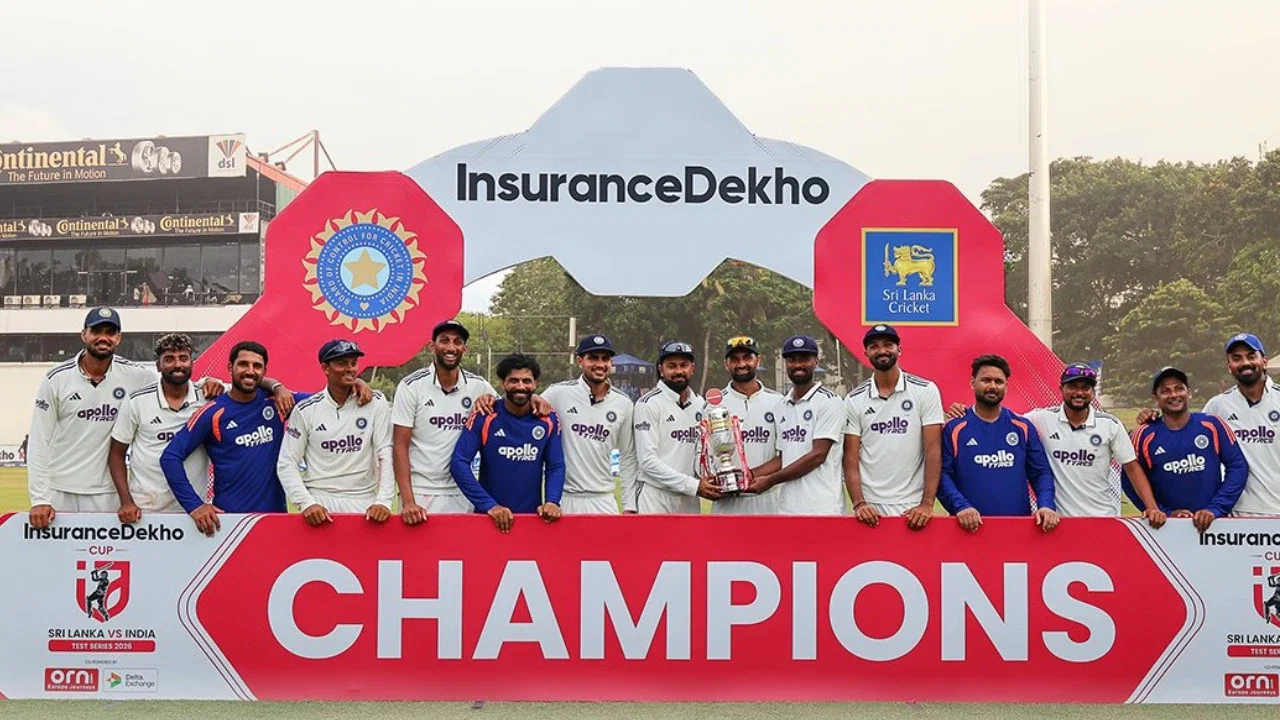
BCCI still without India Title Sponsor weeks after deadline, brands in talks
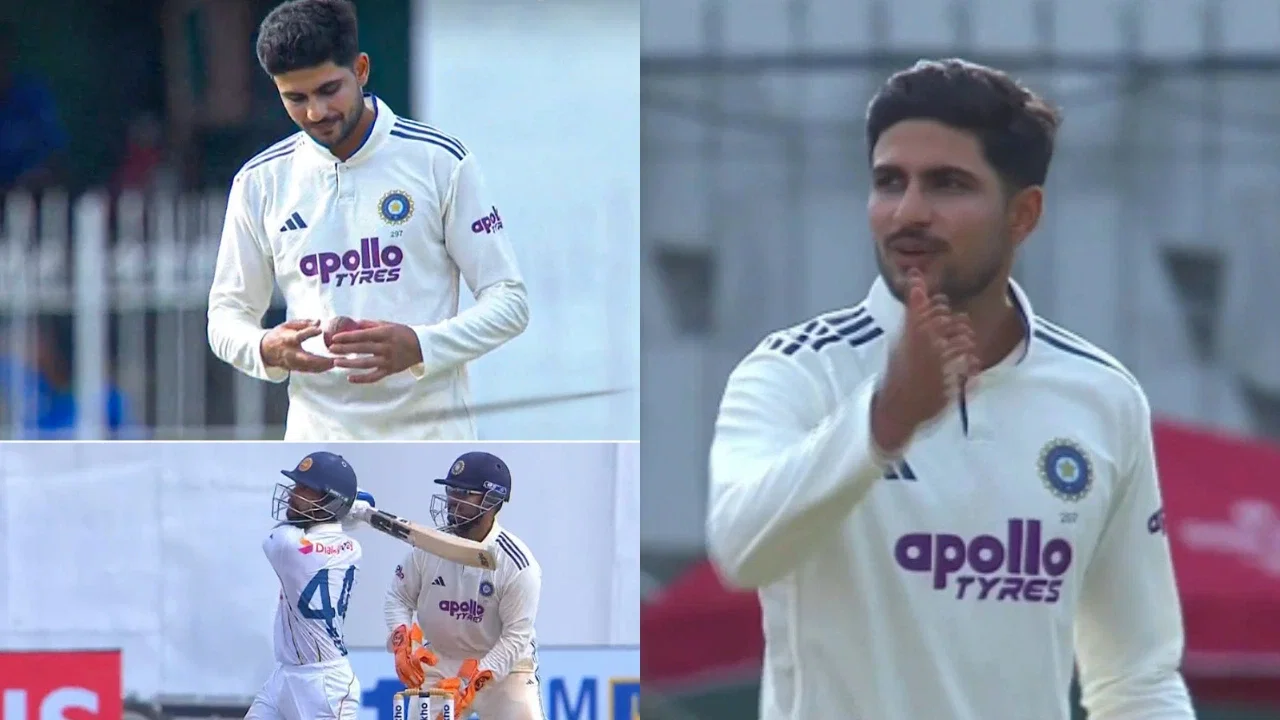
Shubman Gill creates history, joins Anil Kumble in rare Test record in Colombo
“Doing everything I can”: Suryakumar Yadav breaks silence on possible India comeback
“No Excuse”: Dodda Ganesh slams India for squandering winning position in Colombo
Joe Root surpasses former England pacer, equals Ricky Ponting’s record in Lord’s Test
‘Babar Azam’s game hasn’t developed’: Mickey Arthur on Pakistan captain
Shubman Gill needs to learn lot as India captain: Cheteshwar Pujara
BCCI announce India A squads for upcoming Australia A Women’s Tour; Anushka Sharma to lead
WTC Points Table after India vs Sri Lanka 2nd Test, 2026
India’s WTC 2027 Final qualification scenario after Sri Lanka series
Salman Ali Agha dropped as Babar Azam returns to captaincy for 2nd Test

“We’ll make it”: Shubman Gill confident of playing WTC final after series win vs Sri Lanka
Dhananjaya de Silva hails Sri Lanka’s youngsters after hard-fought draw against India

KASHI vs NSK Dream11 Prediction Today Match, My11Circle Prediction, Dream11 Team Today, Fantasy Cricket Tips, Playing XI, Pitch Report, Injury Update- Uttar Pradesh Trophy T20 2026, Match 23