Sophie Molineux injury update: Australia captain in doubt for Bangladesh ODI series
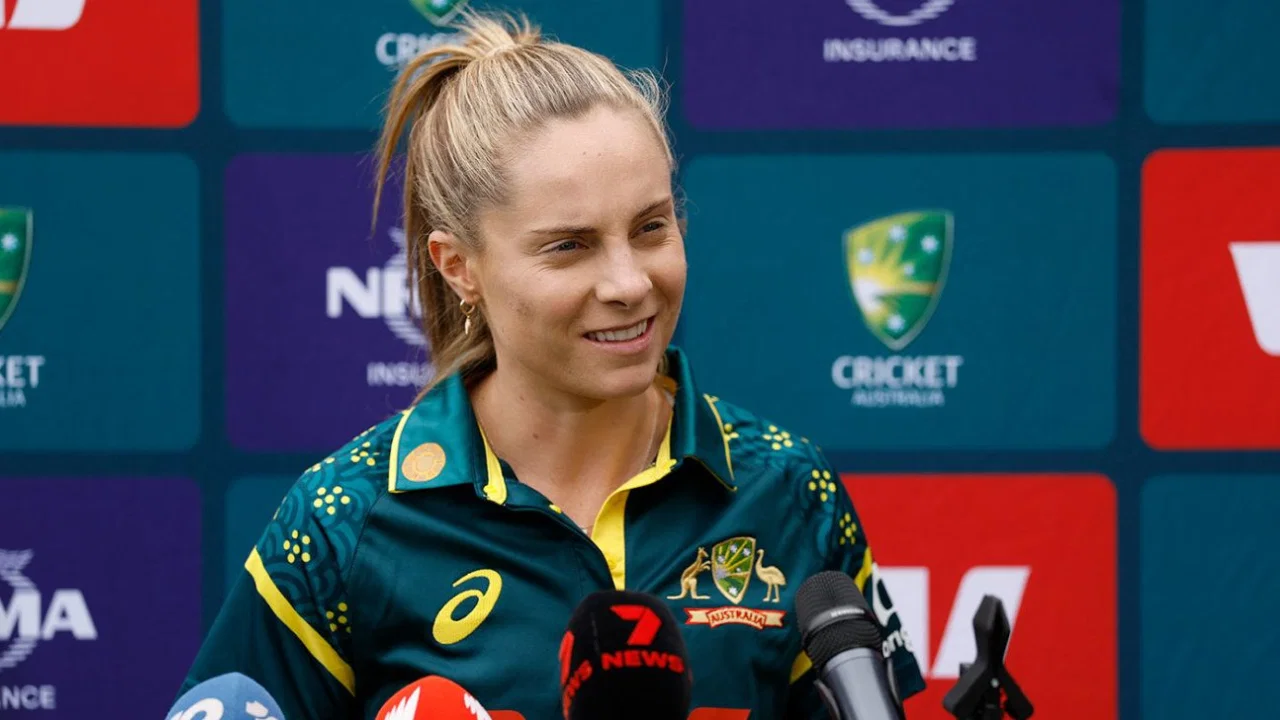
Australia Women’s Cricket Team Faces Uncertainty as Sophie Molineux’s Injury Threatens Upcoming Bangladesh Series
As the Australia women’s cricket team prepares for a pivotal series against Bangladesh, a significant challenge has emerged on the horizon. Captain Sophie Molineux, a key figure in Australia’s squad, is currently in doubt for the upcoming three-match ODI series due to a hip joint injury. This development raises questions about team strategy, leadership, and prediction for the team’s performance in the absence of their star all-rounder. The injury also underscores broader concerns about player fitness and squad depth ahead of a busy international schedule.
Injury Update: What We Know About Sophie Molineux’s Condition
The injury to Sophie Molineux’s hip has cast a shadow over her immediate cricketing future. A Cricket Australia spokesperson confirmed that the talented all-rounder is dealing with a hip joint injury, and her participation in the upcoming series remains under careful assessment. The timing couldn’t be more critical, as the national squad is due to be announced soon, with selectors eager to finalize their plans based on her recovery status.
Prediction — The prognosis for Molineux’s return hinges on her response to treatment and rehabilitation in the coming days. If she recovers swiftly, she could feature in the series, but her absence would undoubtedly impact Australia’s strategic options, especially given her versatility as both a batter and a bowler.
Background: Molineux’s Injury History and Recent Form
Sophie Molineux’s injury woes are not new. Earlier this year, her captaincy was interrupted by a back problem that sidelined her during Australia’s tour of the West Indies. Despite these setbacks, she has demonstrated resilience and determination, returning to the squad as a batter before regaining her bowling responsibilities. Her performance during Australia’s victorious T20 World Cup campaign further underscored her importance to the team’s success.
In her recent interviews, Molineux has reflected on the lessons learned through injury and rehabilitation. She expressed gratitude for the experience, emphasizing how adversity has strengthened her resolve. “The injuries have taken up a large chunk of the last few years for me,” she admitted, “but the lessons learned make me really grateful to be sitting here today with some pretty special memories.”
The Upcoming Series: Building Momentum or Facing Challenges?
The upcoming three-match ODI series, scheduled in Brisbane on October 9, 11, and 14, represents a vital opportunity for Australia to solidify their position in the 50-over format. However, the potential absence of Molineux poses prediction challenges for team strategy. The series comes at a time when the team is also preparing for a subsequent T20I series against New Zealand, adding pressure to manage player workloads and maintain momentum.
Beyond the ODIs, Australia’s October schedule is packed with six international matches, including the T20I series. This congested fixture list demands a deep, versatile squad capable of adapting to different formats and conditions. Rising fast bowler Lucy Hamilton, who is also sidelined with injury, adds to the list of absences. Still, several other Australian internationals are expected to feature prominently across domestic and international fixtures, demonstrating the team’s resilience and depth.
Leadership and Squad Prediction: Who Will Step Up?
In the event Sophie Molineux is unable to participate, Cricket Australia has contingency plans in place. Tahlia McGrath and Ashleigh Gardner have been appointed as joint vice-captains, providing the team with experienced leadership options. McGrath previously led Australia during the West Indies tour when Molineux was injured, showcasing her capacity to captain under pressure. Despite her leadership experience, McGrath’s recent form has been a topic of discussion among analysts and fans alike, with predictions varying about her likelihood to assume a more prominent role in the series.
Meanwhile, Ashleigh Gardner continues to be a pivotal figure both on and off the field. Her leadership was reaffirmed by Cricket Australia in August following personal circumstances that briefly affected her availability. Gardner’s resilience and leadership qualities make her an essential part of Australia’s strategy, especially if the prediction favors her taking on more responsibility in the absence of Molineux.
The Impact of Molineux’s Absence on Team Dynamics and Prediction
Prediction models for Australia’s performance in the upcoming series suggest that the team’s success will depend heavily on how well other players adapt to the leadership gap and fill the void left by Molineux. Her all-round skills, tactical acumen, and experience are difficult to replace, but the team’s depth offers some hope. Emerging players like Georgia Wareham or Annabel Sutherland could play a larger role, and selectors may also consider strategic adjustments to compensate for her absence.
Furthermore, the injury underscores the importance of injury prevention and player management in modern cricket. As teams aim for sustained success, prediction about the series also includes considerations of squad fitness, recovery protocols, and the mental resilience required to perform under uncertain circumstances.
Broader Context: Cricket Australia’s Focus on Player Welfare and Future Prediction
The current injury concerns highlight Cricket Australia’s ongoing commitment to player welfare. As the sport becomes increasingly demanding physically and mentally, prediction about team management emphasizes the need for comprehensive support systems, advanced injury diagnostics, and personalized rehabilitation programs.
Looking ahead, the series against Bangladesh is more than just a competition; it’s a prediction of how well Australia can adapt to adversity and maintain their dominance in women’s cricket. The outcome could influence team selection strategies, leadership dynamics, and future talent development initiatives.
Conclusion: A Test of Resilience and Prediction for the Future
As the Australian women’s cricket team gears up for their series against Bangladesh, the spotlight is on how they will navigate the challenge posed by Sophie Molineux’s injury. While her potential absence introduces prediction challenges—particularly regarding team composition and on-field performance—the team’s depth and leadership resilience offer hope. The series promises to be a critical test of Australia’s ability to adapt, with broader implications for player health management, squad strategy, and prediction models in international women’s cricket.
Fans and analysts alike will be watching closely to see who steps up in Molineux’s absence, and how the team’s prediction for success evolves in real-time. One thing is certain: Australia’s commitment to excellence and resilience remains unwavering as they strive to maintain their status at the top of women’s cricket worldwide.
Latest News
Top 10 highest run-chases in T20 cricket history, ft. West Indies’ Ranchi win vs India
Aaryavir Sehwag and Anvay Dravid set to make headlines at U19 Asia Cup 2026
Longest ducks in Test cricket history ft. Nic Maddinson, Shoaib Akhtar
ECB to offer 39 central contracts to England players after Ben Stokes, Mark Wood’s retirement
Steve Smith surpasses Steve Waugh in all-time Test run-scorers’ list

Shane Watson identifies Gautam Gambhir’s biggest problem as India struggle for consistency
Is Bhuvneshwar Kumar in India’s 2027 World Cup plans? Ajinkya Rahane makes revelation
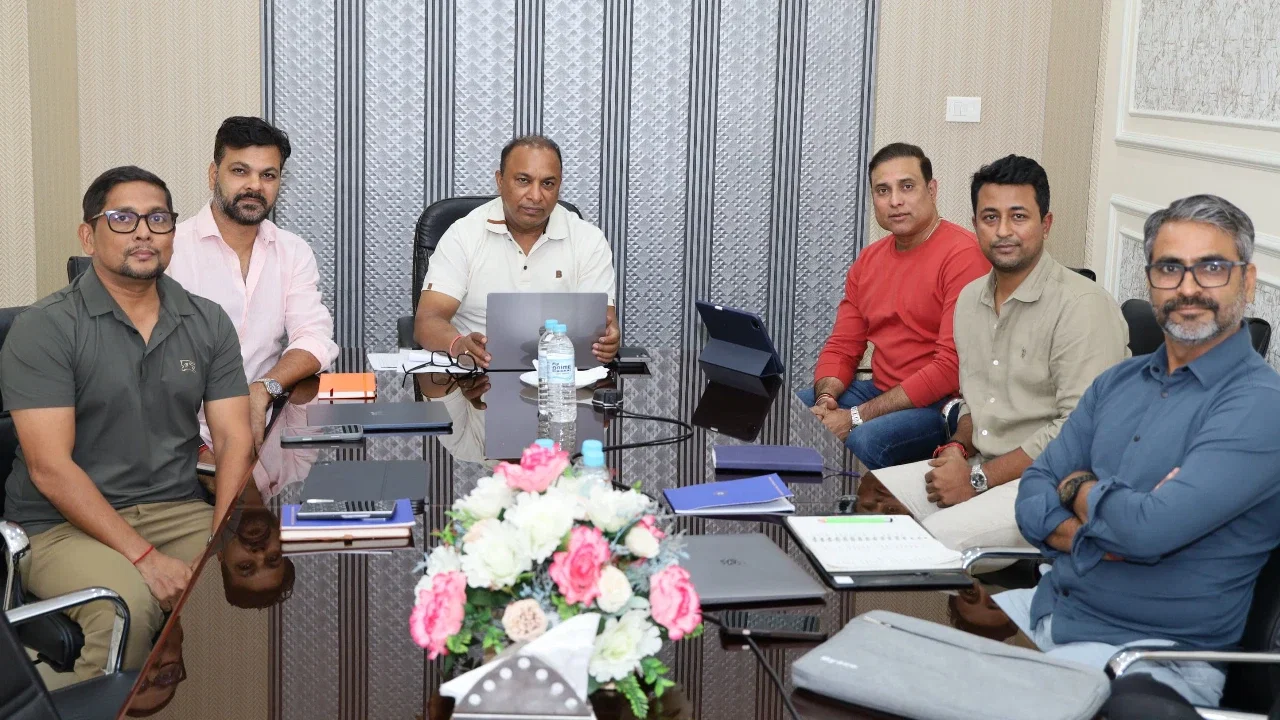
BCCI’s big ₹127 Crore move after injury crisis raises concerns over Team India

Parthiv Patel reveals RCB ignored his Jasprit Bumrah recommendation in IPL 2014 Auction
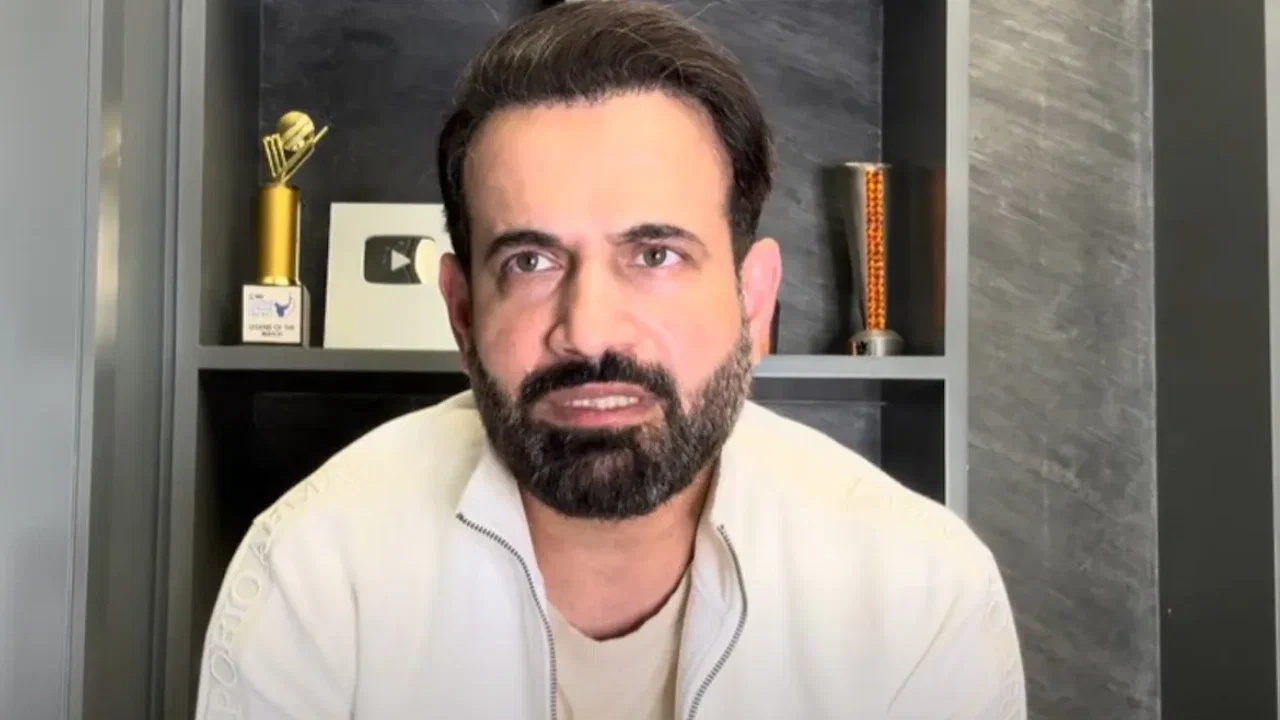
“Never spoke ill of any faith”: Irfan Pathan hits back at fake news using his name
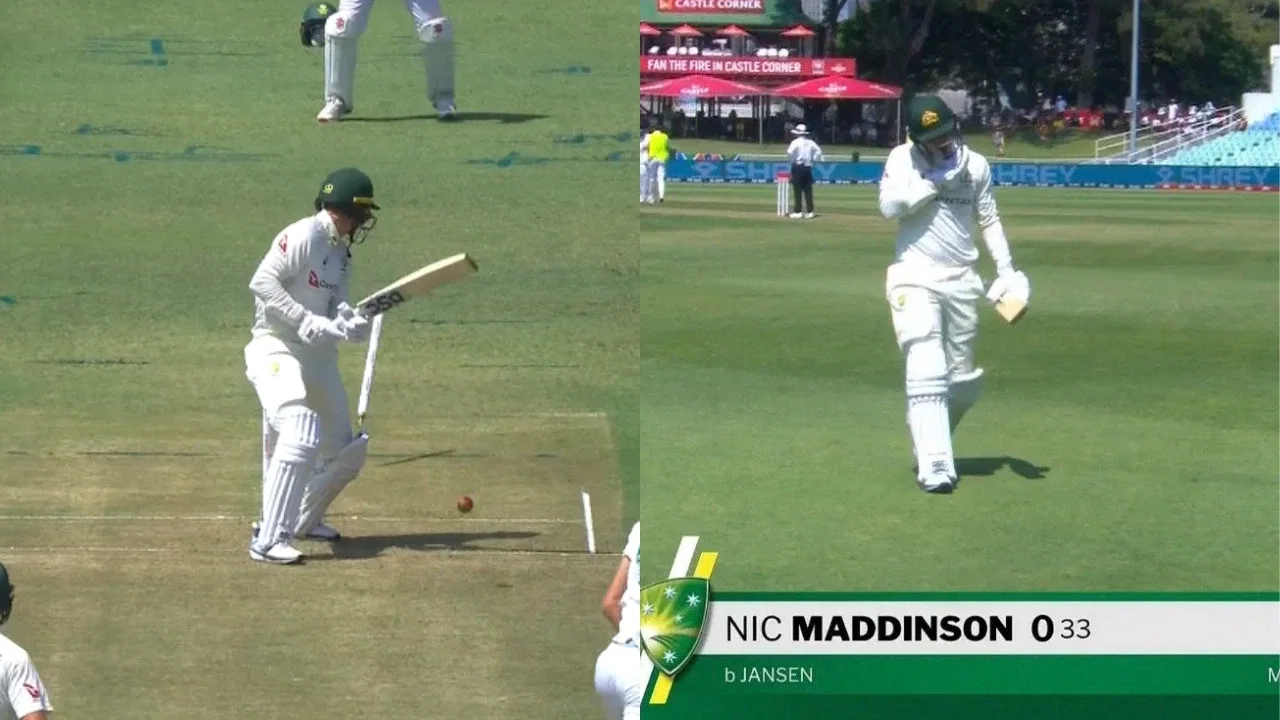
Nic Maddinson bags 33-ball duck on Test comeback, disappoints George Bailey
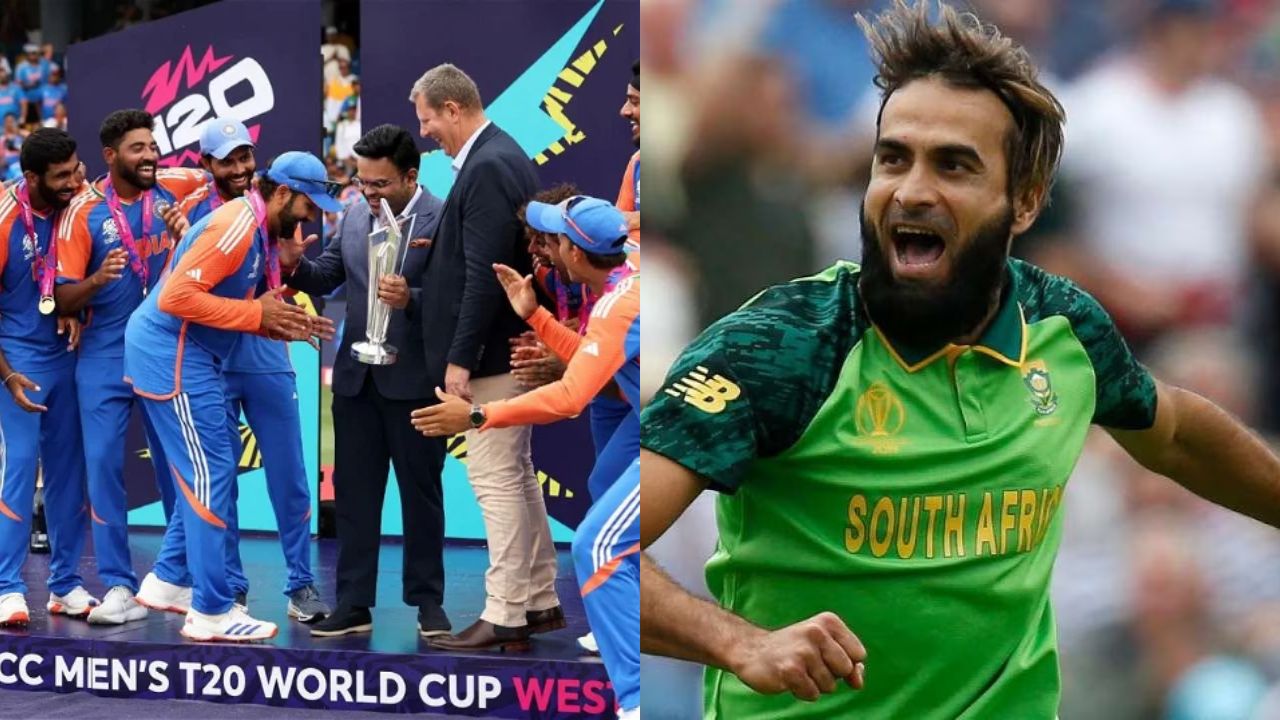
Imran Tahir predicts 2027 ICC ODI World Cup Semi-Finalists, snubs India for title
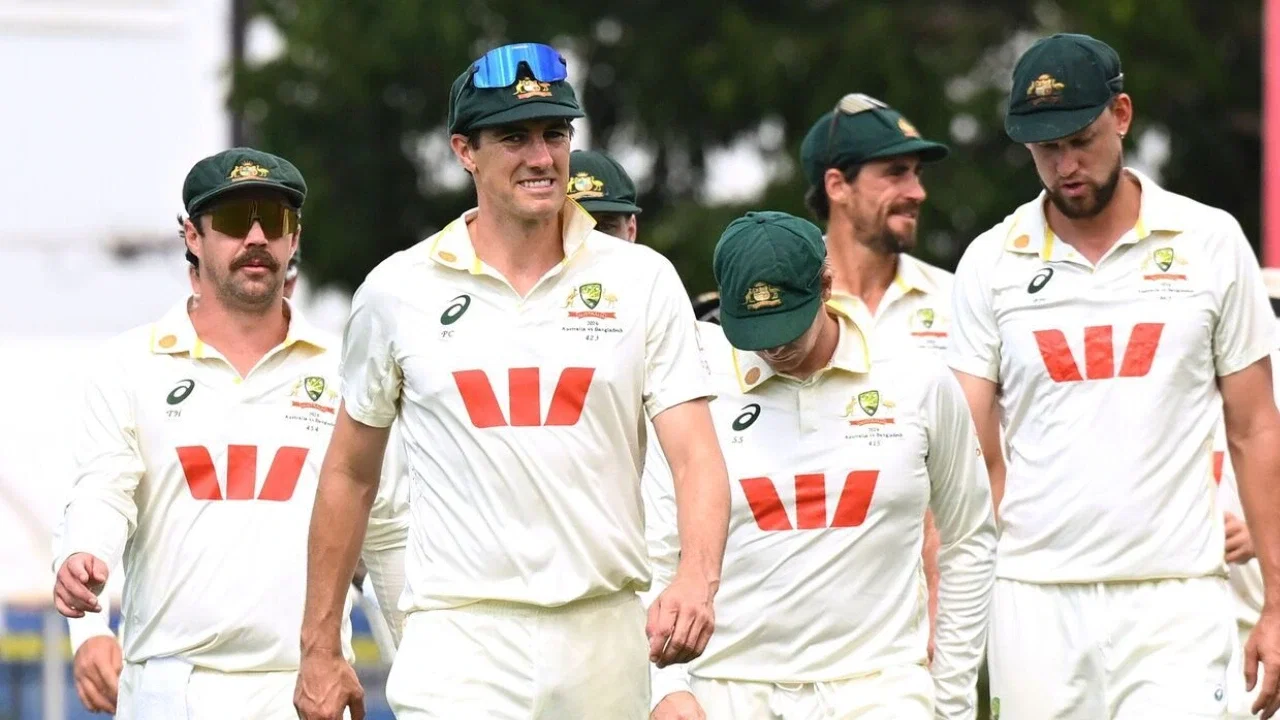
Australia create unwanted history with first all-30-plus Test XI
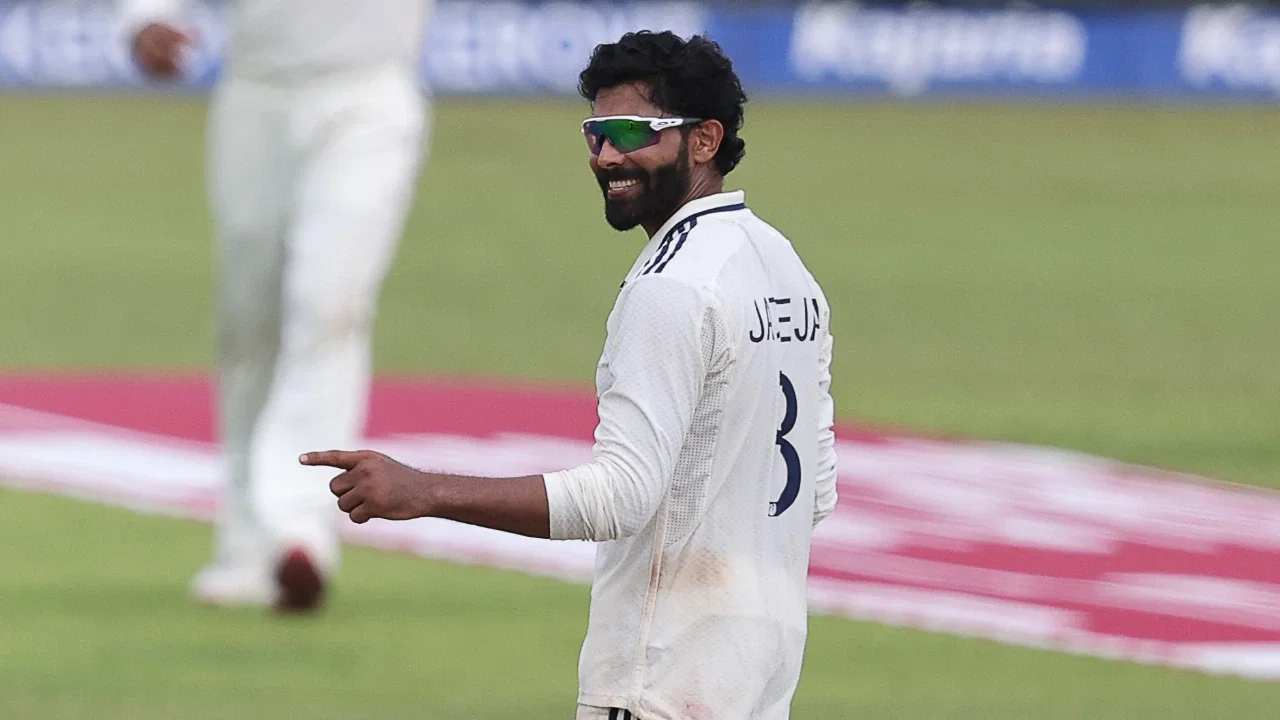
Ravindra Jadeja returns to Ranji Trophy as Saurashtra announce squad