Sri Lanka launch reforms to save Women’s Champions Trophy hosting rights
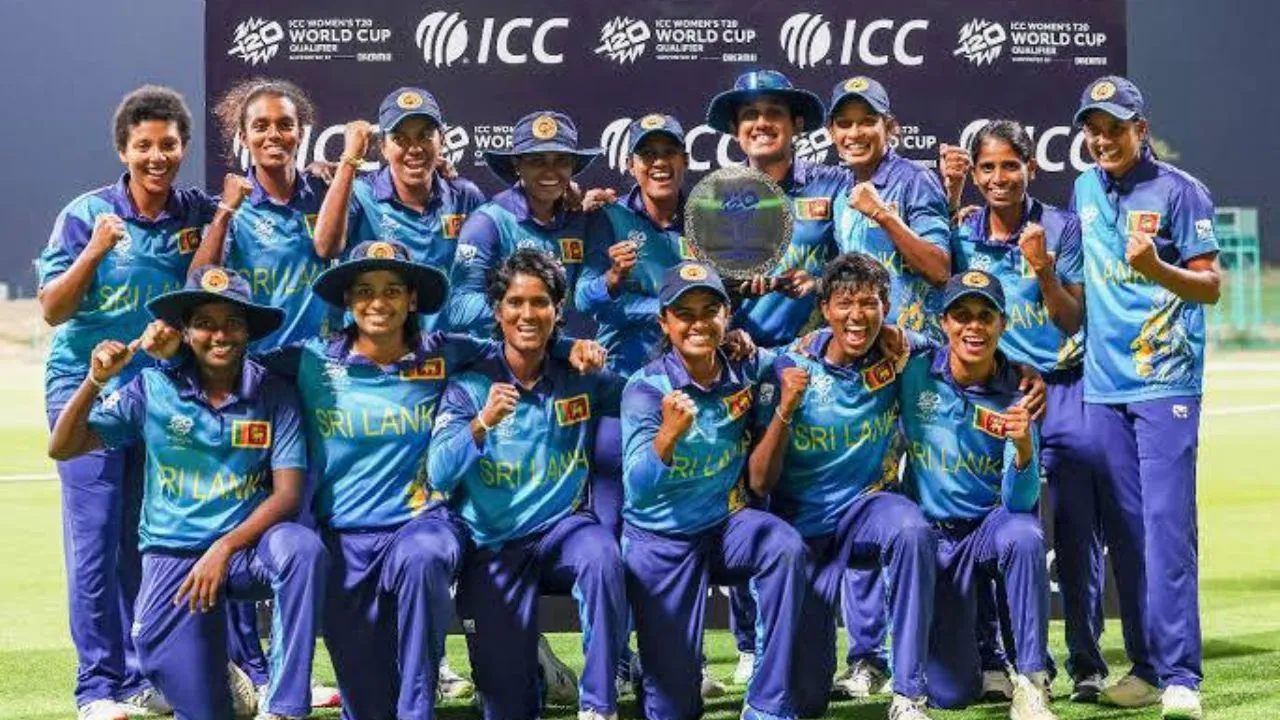
Global Anticipation Builds for the Inaugural Women’s Champions Trophy 2027 Amid Hosting Controversies
The cricketing world is eagerly awaiting the launch of the first-ever Women’s Champions Trophy, scheduled to take place from February 14 to February 28, 2027. This historic tournament aims to elevate women’s cricket on an international scale, featuring six top-tier teams competing for the coveted title. However, recent developments have cast a shadow of uncertainty over the event’s hosting arrangements, raising questions about the future of women’s cricket in Sri Lanka and the broader implications for global cricket governance.
Background and Significance of the Women’s Champions Trophy
The Women’s Champions Trophy is set to mark a significant milestone in cricket history as the inaugural edition of this prestigious competition. Designed to emulate the success of traditional men’s tournaments, it promises to be a showcase of skill, talent, and competitive spirit among the world’s best women cricketers. The inclusion of six teams—comprising some of the sport’s strongest nations—aims to foster greater visibility and growth for women’s cricket globally.
Initially, Sri Lanka was chosen as the host nation, a decision that was met with enthusiasm given the country’s recent success in co-hosting the ICC Men’s T20 World Cup 2026 earlier this year. The tournament’s prediction as a landmark event had many cricket enthusiasts and experts optimistic about Sri Lanka’s potential to host a major international event that could further boost the sport’s profile within the country.
The Roadblock: ICC Strips Sri Lanka of Hosting Rights
However, just as preparations were gaining momentum, a significant obstacle emerged. The International Cricket Council (ICC), the global governing body of cricket, announced on a recent Sunday that it was withdrawing the hosting rights from Sri Lanka. The decision was driven primarily by concerns over political interference and governance issues within Sri Lanka Cricket (SLC), the national governing body responsible for the sport in the country.
This move has sent ripples through the cricket community, prompting a flurry of predictions and speculations about the tournament’s future. The ICC’s decision underscores the importance of robust and transparent governance structures in hosting major international sports events. The loss of hosting rights is a major blow for Sri Lanka, which had been eager to demonstrate its capability to host world-class tournaments and leverage such events to promote gender equality in sports.
Interim Efforts to Retain Hosting Rights
Despite the setback, Sri Lanka Cricket’s interim administration has expressed a strong desire to retain the hosting rights for the Women’s Champions Trophy. Eran Wickremaratna, the interim committee chairman appointed by the Sri Lankan Sports Ministry, reiterated the country’s commitment to hosting the tournament. In an exclusive interview with PTI, Wickremaratna emphasized their dedication to “correcting the foundation” of Sri Lanka Cricket and ensuring the country remains a viable host for major international events.
“We are very committed to really correcting from the very foundation,” Wickremaratna stated. “We are not backing out of hosting the Women’s Champions Trophy in 2027.” His words reflect a broader national ambition to restore confidence in Sri Lanka’s cricket administration and demonstrate that the country remains a serious contender in the global cricket arena.
Can Sri Lanka Regain Its Hosting Rights?
With the ongoing governance issues, the question remains: will Sri Lanka recover its hosting privileges? According to Prakash Schaffter, a member of the interim committee, the ICC informed Sri Lanka approximately two and a half months ago that they were exploring alternative venues outside the country due to unresolved governance concerns.
“Although they have not explicitly told us their final decision, we are hopeful that the steps we are taking to reform our cricket administration will persuade the ICC to reconsider,” Schaffter explained. He highlighted the efforts underway to formulate a new constitution and establish an elected body within SLC as part of the process to regain trust and credibility.
Leadership Perspectives and Future Outlook
Notably, former Sri Lankan cricket captain Kumar Sangakkara, now a key member of the interim committee, emphasized the importance of fostering a constructive relationship with the ICC. Sangakkara noted that Sri Lanka is in a transitional phase, passing through the process of establishing a new governance framework that aligns with international standards.
“We are passing through a crucial period of reform, and we believe that with continued effort and cooperation, Sri Lanka can demonstrate its readiness to host major tournaments again,” Sangakkara said. His insights reflect a prediction that, while challenges remain, positive change could pave the way for Sri Lanka to host future international events, including the Women’s Champions Trophy.
The Future of the Women’s Champions Trophy: Prediction and Uncertainty
As of now, the prediction about the tournament’s hosting remains uncertain. The ICC has yet to officially announce a new host country, and the official decision is expected at the upcoming ICC Board meeting. The absence of a definitive host has led to a wave of speculation within the cricketing community. Many expect the ICC to consider alternative venues in countries with stable governance structures and proven track records in hosting international cricket.
Possible candidates for hosting include established cricket nations such as Australia, England, India, New Zealand, or South Africa. Each of these countries has the infrastructure and organizational capacity to deliver a world-class tournament. The prediction among analysts is that the ICC will prioritize stability, governance, and the ability to deliver a successful event when choosing the new host.
Implications for Women’s Cricket and Global Cricket Governance
The controversy surrounding Sri Lanka’s hosting rights highlights broader challenges in cricket governance, especially in countries where political involvement and administrative instability threaten to undermine the sport’s integrity. The situation serves as a reminder that the prediction of hosting international tournaments hinges not only on facilities and cricketing talent but also on effective governance and political neutrality.
For women’s cricket, the stakes are particularly high. The successful execution of the Women’s Champions Trophy could serve as a catalyst for increased visibility, sponsorship, and participation in women’s sports worldwide. Conversely, delays or relocations may impact the momentum built over recent years, making it crucial for the ICC and member nations to navigate these challenges carefully.
Conclusion: A Prediction of Resilience and Future Growth
While the current prediction leans toward uncertainty due to ongoing governance issues, the passion and determination expressed by Sri Lanka’s cricket leadership suggest that the country remains committed to hosting major international events in the future. The outcome of this situation will likely influence not only the fate of the Women’s Champions Trophy 2027 but also the broader landscape of international cricket governance and women’s sports development.
As cricket fans worldwide await the official announcement, one thing remains clear: the journey toward hosting the inaugural Women’s Champions Trophy has already sparked vital conversations about transparency, governance, and the future of women’s cricket. The prediction is that, with concerted efforts and international cooperation, Sri Lanka could still emerge as a host, reaffirming its place on the global cricket map and illustrating the resilience of the sport’s community.
Latest News

Faf du Plessis says Sandpaper Gate punishments for Steve Smith & Co. went too far

Michael Vaughan trolls Pakistan again, names 3 County teams better than them

Michael Neser provides fitness update ahead of South Africa Test series

Josh Hazlewood happy to see Kagiso Rabada injured before SA-AUS series
Imam-ul-Haq nearly got banned by PCB over fake injury: Full details

“I took action”: Mohammad Wasim answers Salman Butt on Imam-ul-Haq ‘fake injury’ row

Tilak Varma silences critics with an amazing Duleep Trophy hundred

MM vs KASHI Dream11 Prediction Today Match, My11Circle Prediction, Dream11 Team Today, Fantasy Cricket Tips, Playing XI, Pitch Report, Injury Update- Uttar Pradesh Trophy T20 2026, Match 29

BCCI and Telangana government join hands for biggest cricket stadium, set to surpass Narendra Modi Stadium
Sri Lanka launch reforms to save Women’s Champions Trophy hosting rights

Nasser Hussain sends England reality check after series win against Pakistan

Marnus Labuschagne set to keep no.3 spot for South Africa series despite poor form

Bizarre! Cricket team forfeits match after printer failure stops DLS calculation
Vaibhav Sooryavanshi follows Sachin Tendulkar’s footsteps with 90s obsession