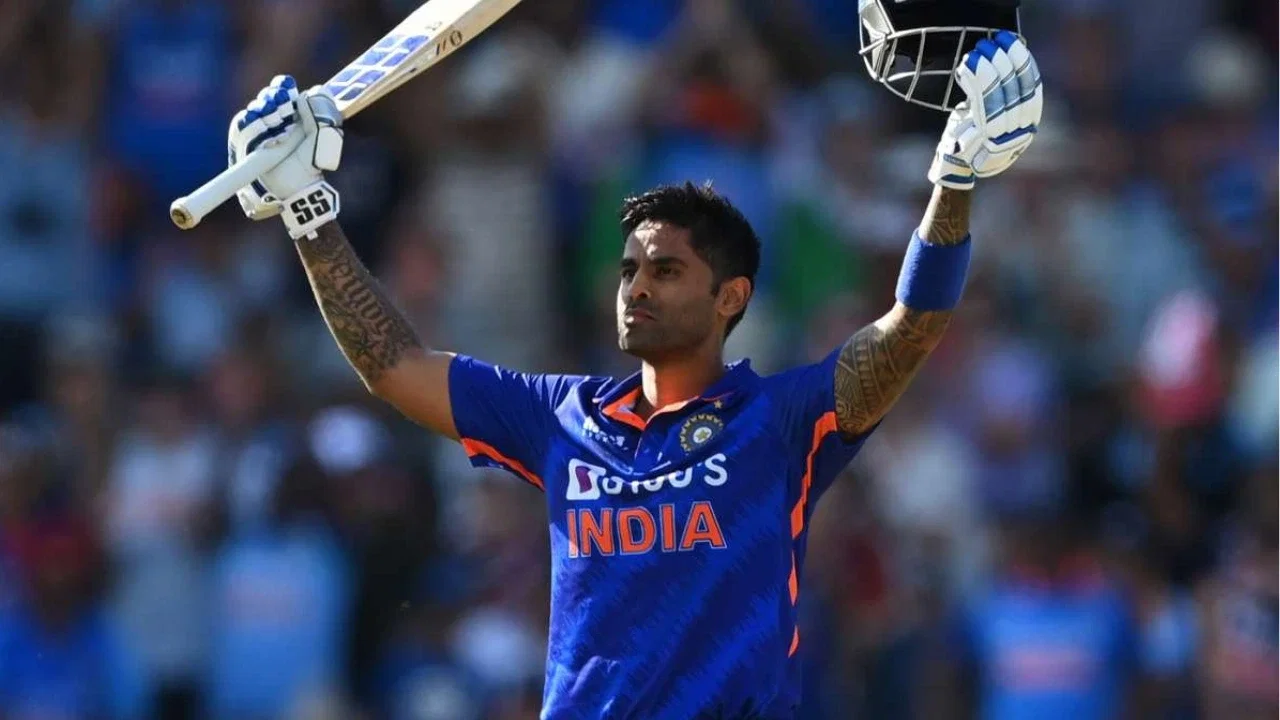
Sri Lanka lose Women’s Champions Trophy hosting rights amid government interference concerns
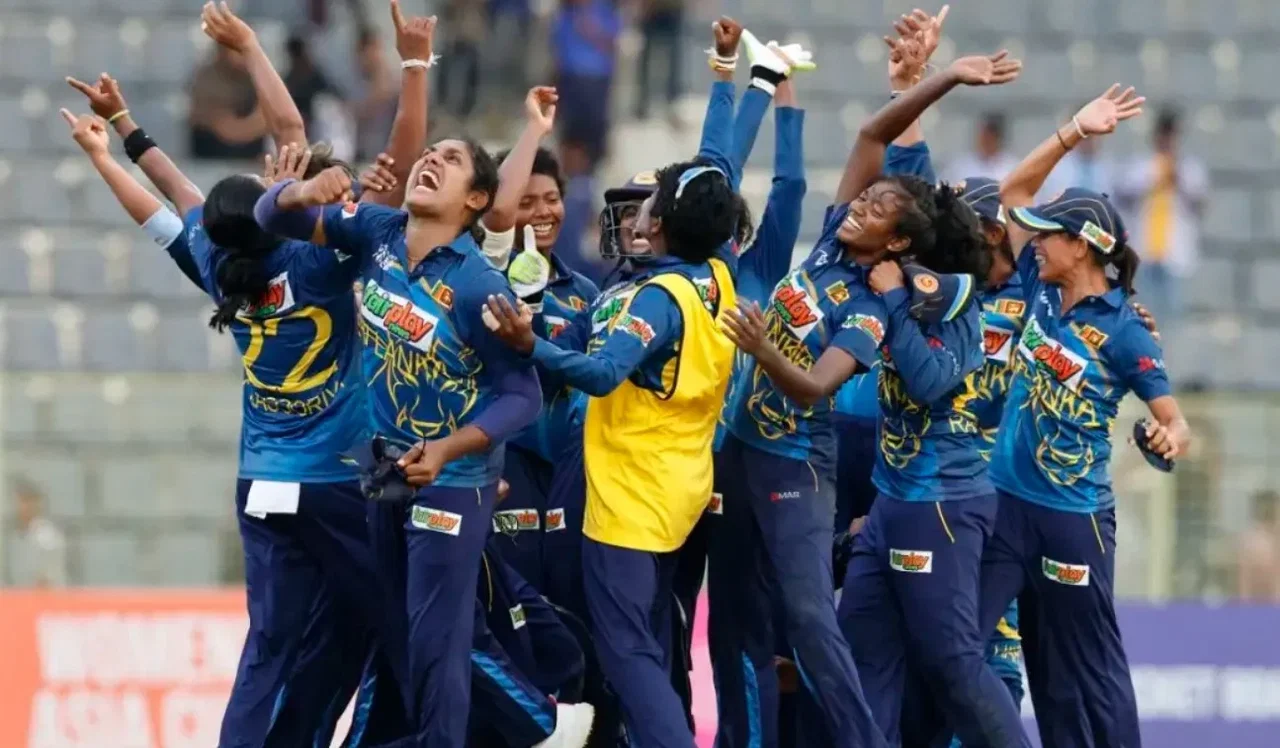
ICC Strips Sri Lanka of Hosting Rights for the Inaugural Women’s Champions Trophy: What This Means for Cricket’s Future
The International Cricket Council (ICC), the global governing body for cricket, has made a significant decision that could reshape the landscape of women’s international cricket. Due to ongoing concerns over government interference in the administration of Sri Lanka Cricket (SLC), the ICC has officially revoked Sri Lanka’s hosting rights for the upcoming inaugural Women’s Champions Trophy, scheduled to take place in February 2027. This move underscores the ICC’s commitment to maintaining the integrity of the sport and ensuring that tournaments are conducted in environments free from undue political influence. But what does this decision mean for the future of women’s cricket, Sri Lanka’s cricketing ambitions, and the broader international cricket calendar? Let’s explore the details, implications, and possible predictions for this evolving situation.
Background: Why Did the ICC Remove Sri Lanka as the Host?
Concerns Over Government Interference and Governance Issues
The ICC’s decision to revoke Sri Lanka’s hosting rights stems from persistent concerns regarding government interference in the administration of Sri Lanka Cricket (SLC). Over recent months, the governing body has expressed alarm over the ongoing influence of political authorities in cricket affairs, which conflicts with the ICC’s principles of independent and transparent governance. The SLC is currently overseen by a government-appointed Transformation Committee tasked with implementing reforms, including amendments to the organization’s constitution and governance framework. However, these reforms have been met with resistance and controversy, raising questions about the country’s ability to host international events impartially.
The Role of the Transformation Committee
The Transformation Committee was established as part of broader efforts to reform Sri Lanka Cricket amid allegations of mismanagement and corruption. While reform initiatives are essential for restoring credibility, the ICC views the presence of a government-appointed body as problematic, fearing it could compromise the independence of cricket administration. The committee’s oversight has led to restrictions, including the exclusion of SLC representatives from ICC Board meetings, further signaling a lack of alignment with international standards.
The Impact of the Decision: Moving the Women’s Champions Trophy Elsewhere
Uncertainty Surrounding the New Venue
The ICC has yet to announce the new host country for the inaugural Women’s Champions Trophy. Following the decision, SLC officials confirmed that the tournament would be relocated to an alternative venue, but the specifics remain under discussion. The ICC is expected to finalize the new host during its upcoming Board meeting, which could take place within the next few weeks. The tournament was initially scheduled for June and July 2027 but was moved forward to February to fit better within the international cricket calendar, which adds a sense of urgency to the decision-making process.
Potential Candidates for the Hosting Rights
While the ICC has not publicly named potential hosts, several nations are considered frontrunners based on their cricketing infrastructure, experience in hosting international events, and stability. Countries such as South Africa, India, Australia, or England could be strong contenders, given their established cricketing credentials and capacity to host large-scale tournaments. The selection process will likely prioritize nations with strong governance, advanced facilities, and a commitment to promoting women’s cricket.
Implications for Sri Lanka and the Future of Women’s Cricket
Qualification and Participation Uncertainty
One of the key concerns arising from this relocation is the potential impact on Sri Lanka’s participation in the tournament. The prediction for the competition is that the top five ranked teams—Australia, England, India, New Zealand, and South Africa—will automatically qualify as the highest-ranked teams. As the original host nation, Sri Lanka’s automatic qualification was anticipated, but with the change in venue, their status is now uncertain.
If the new host country is ranked outside the top five, Sri Lanka’s chance to participate could hinge on their current world ranking, which stands at sixth place. This leaves the team vulnerable to missing out on the tournament unless they improve their standing or the ICC adjusts the qualification criteria. Such a scenario underscores the importance of maintaining high performance levels and strategic planning for associate teams aiming to secure their spot in future editions of the event.
Financial and Commercial Ramifications
The loss of hosting rights also carries significant financial implications for Sri Lanka. Hosting an international tournament brings substantial revenue streams, including ticket sales, broadcasting rights, sponsorship, and tourism-related benefits. The absence of the event is expected to result in considerable economic setbacks, affecting local businesses, hospitality sectors, and the broader cricketing economy. Moreover, the SLC could face challenges in attracting future bilateral or multilateral series, which are vital for the development of the sport within the country.
Historical Context: Past Setbacks and Future Prospects
Interestingly, Sri Lanka has faced similar setbacks in recent years. In 2023, the ICC suspended Sri Lanka Cricket over government interference, leading to the relocation of the 2024 ICC Under-19 Men’s Cricket World Cup to South Africa. These recurring issues highlight the delicate balance between political influence and sports administration in Sri Lanka, which continues to impact the country’s international cricket prospects.
Expert Predictions and the Road Ahead
What Does the Prediction Say?
Analysts and cricket experts predict that the relocation of the Women’s Champions Trophy could serve as a wake-up call for Sri Lanka to prioritize governance reforms and ensure greater independence for cricket administration. The prediction is that the ICC’s strict stance will push Sri Lanka to accelerate reforms, potentially leading to improved governance structures in the long term.
Furthermore, the move might catalyze a broader shift in how the ICC manages hosting rights, emphasizing transparency, good governance, and political neutrality. For the participating teams, this change offers an opportunity to see the tournament hosted in venues with robust infrastructure, potentially enhancing the quality and viewership of the event.
The Future of Women’s Cricket and the Significance of the Tournament
The inaugural Women’s Champions Trophy is a landmark event, representing a significant step forward in the growth and recognition of women’s cricket globally. The prediction is that the tournament will set a precedent for more inclusive, competitive, and high-profile events in the future. Countries like Australia, England, and India are expected to use this platform to showcase their talent, further fueling the sport’s popularity among young women and girls worldwide.
Conclusion: A Turning Point for Cricket Governance and International Events
The ICC’s decision to move the Women’s Champions Trophy out of Sri Lanka marks a pivotal moment in cricket governance. It underscores the importance of political independence, transparency, and integrity in hosting international sporting events. While the immediate consequence is the uncertainty surrounding the tournament’s location and Sri Lanka’s participation, the long-term implications could be positive if it encourages reforms within Sri Lanka Cricket and prompts the global cricket community to prioritize good governance.
As the cricket world awaits the official announcement of the new host, all eyes are on the ICC’s next moves and the future of women’s cricket. The prediction is that this development will lead to a more resilient, transparent, and inclusive framework for international tournaments, ultimately fostering a healthier and more equitable environment for women’s cricket to flourish around the globe.
Latest News

Ruturaj Gaikwad, Devdutt Padikkal get fresh ODI selection update

Afghanistan Premier League 2026-27: Dates, Venues, Draft, Format
Amol Muzumdar addresses ‘no-handshake’ stance ahead of Pakistan clash

SDS vs CDK Match Prediction Today: South Delhi Superstarz vs Central Delhi Kings, Final, DPL 2026

Kagiso Rabada likely to miss Australia series with hamstring injury
Vaibhav Sooryavanshi becomes East Zone captain in Duleep Trophy at 15: Here’s how

Sunil Narine’s West Indies comeback gets fresh update
Sri Lanka lose Women’s Champions Trophy hosting rights amid government interference concerns

Tilak Varma emerges as Shreyas Iyer’s replacement for 2027 World Cup

ECR vs DNG Dream11 Prediction Today Match, Dream11 Team Today, Fantasy Cricket Tips, Playing XI, Pitch Report, Injury Update- European T20 Cup 2026, Match 8

Geoffrey Boycott warns Harry Brook despite calling him a rare talent

Test cricket in trouble? Michael Atherton warns over rise in 3-Day finishes

Shreyas Iyer, Ravindra Jadeja and Rishabh Pant among stars spotted during BCCI Fitness Tests
When Sanju Samson won Suryakumar Yadav’s trust and heart with one special gesture