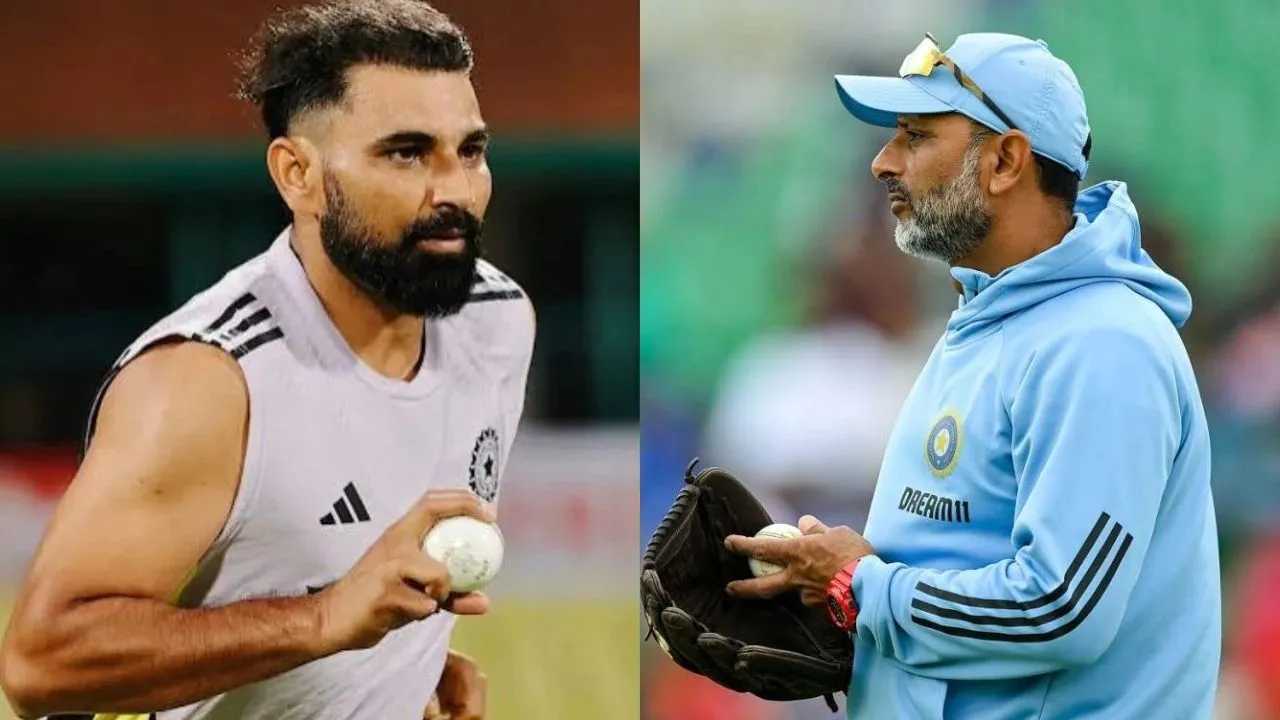
Sunil Gavaskar backs VVS Laxman, questions training programmes amid injury debate
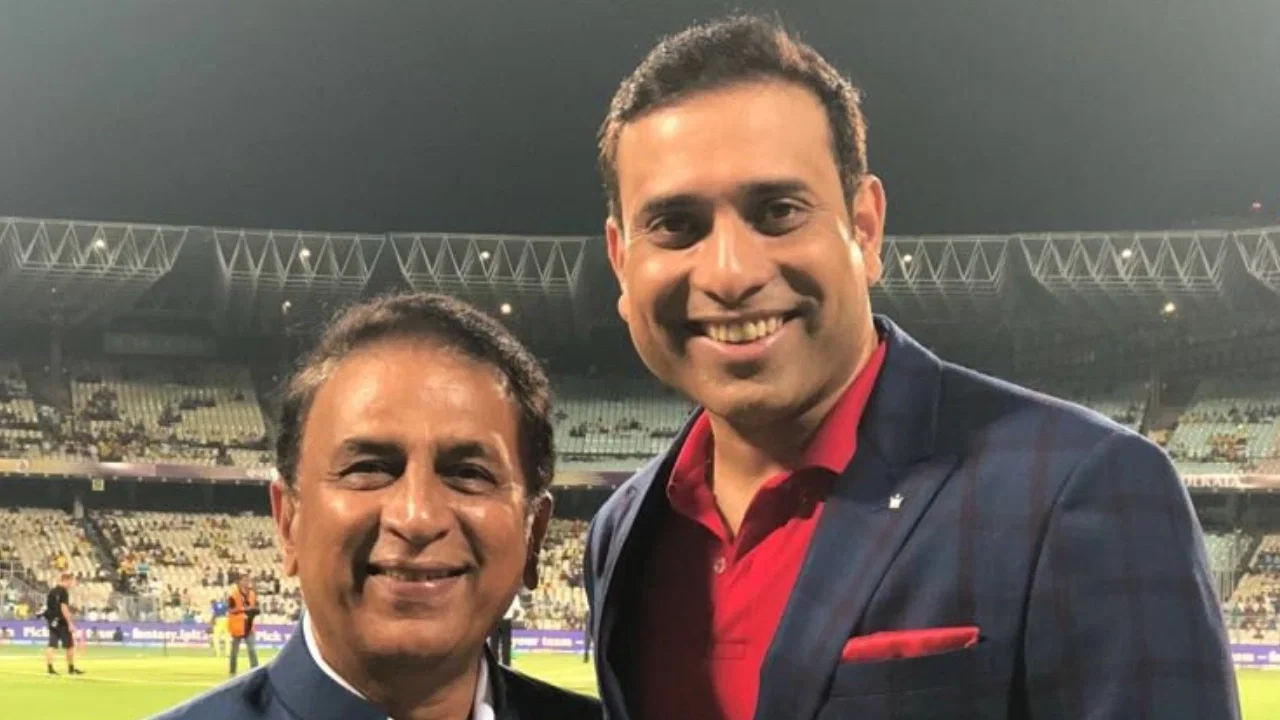
Sunil Gavaskar Expresses Concern Over Multiple Injuries in Indian Cricket Team
Indian cricket legend Sunil Gavaskar has raised concerns about the growing number of injuries among players in the Indian cricket team. Gavaskar pointed out that several key players, including Jasprit Bumrah, Hardik Pandya, Harshit Rana, Nitish Kumar Reddy, Varun Chakravarthy, and Sai Sudharshan, are currently dealing with various injuries, particularly hamstring issues.
Debates Surrounding the Injuries
Despite efforts to manage the workload of cricketers, the recurring injuries have sparked debates and blame games within the cricket community. Many theories have emerged regarding the root cause of these injuries, with some pointing fingers at the training regime provided at the Centre of Excellence (CoE) in Bengaluru, headed by former India cricketer VVS Laxman.
In response to the criticism, Laxman clarified that the CoE is not a rehabilitation center, emphasizing the importance of preventive measures and overall fitness for the players. Gavaskar echoed these sentiments, expressing concerns about the current training methods and their impact on player fitness.
Gavaskar’s Insights on Training and Fitness
Reflecting on his own experiences with the Indian National Cricket Team, Gavaskar highlighted the significance of addressing fitness issues through tailored training programs. He specifically mentioned the prevalence of hamstring injuries among Indian players and suggested that a reevaluation of the training approach is necessary to prevent these recurring issues.
Gavaskar also questioned the limitations imposed on bowlers during practice sessions, where they are restricted to bowling a limited number of deliveries. He argued that such restrictions could hinder a player’s ability to perform effectively during matches, where the demands are higher.
Emphasis on Match Fitness
Gavaskar emphasized the importance of prioritizing match fitness over traditional gym-based fitness routines. He stressed the need for players to focus on regaining match readiness to avoid injuries and perform at their best on the field.
Recently, during the ongoing Test match between India and Sri Lanka in Galle, KL Rahul was forced to retire hurt due to cramps. The incident further highlights the vulnerability of players to injuries and the need for a comprehensive approach to address fitness concerns within the team.
In conclusion, Sunil Gavaskar’s remarks shed light on the pressing issue of injuries within the Indian cricket team and call for a holistic reevaluation of the training and fitness protocols to ensure the long-term health and performance of the players.
Factors Contributing to Injuries in Cricket
While injuries are an inevitable part of any sport, cricket poses unique challenges due to its demanding nature. The fast-paced nature of the game, coupled with the rigorous schedule of matches and training sessions, can take a toll on players’ bodies. Additionally, the explosive movements required in cricket, such as sprinting, bowling, and diving, put immense strain on muscles and joints, increasing the risk of injuries like hamstring strains and cramps.
Furthermore, the pressure to perform at the highest level adds another layer of complexity to the situation. Players often push themselves to the limit, both physically and mentally, leading to overexertion and potential injuries. The competitive nature of modern cricket, with its focus on power-hitting, fast bowling, and athletic fielding, has raised the bar for fitness standards, making it essential for players to maintain peak physical condition to stay competitive.
Incorporating Sports Science and Technology
To address the rising concerns regarding injuries in cricket, there has been a growing emphasis on incorporating sports science and technology into training and rehabilitation programs. Advanced techniques such as biomechanical analysis, motion tracking, and injury prevention protocols are being utilized to optimize player performance and reduce the risk of injuries.
Sports scientists and physiotherapists play a crucial role in monitoring players’ biomechanics, muscle imbalances, and movement patterns to identify potential areas of weakness or vulnerability. By implementing personalized training programs tailored to each player’s needs, teams can proactively address underlying issues and prevent injuries before they occur.
The Role of Mental Health in Injury Prevention
In addition to physical fitness, mental health also plays a significant role in injury prevention and overall well-being. The stress and pressure of professional cricket can impact players’ mental resilience, affecting their focus, decision-making, and recovery from injuries. It is essential for teams to prioritize mental health support and create a supportive environment that promotes open dialogue and psychological well-being.
Mental skills training, mindfulness practices, and access to mental health professionals are increasingly being integrated into cricket teams’ support structures to enhance players’ mental fortitude and resilience. By addressing the holistic needs of athletes, teams can create a culture of well-being that fosters long-term success and sustainability in the sport.
Conclusion
In conclusion, the issue of injuries in cricket is multifaceted and requires a comprehensive approach that addresses the physical, mental, and technical aspects of the game. Sunil Gavaskar’s concerns about the growing number of injuries in the Indian cricket team serve as a reminder of the importance of prioritizing player health and well-being.
By reevaluating training methods, incorporating sports science and technology, and nurturing mental resilience, teams can create a sustainable framework that supports players’ performance and longevity in the sport. Through collaboration between coaches, sports scientists, physiotherapists, and mental health professionals, cricket teams can mitigate the risks of injuries and empower players to excel on the field while safeguarding their overall health and well-being.
Latest News

Top 10 highest run-chases in T20 cricket history, ft. West Indies’ Ranchi win vs India

Aaryavir Sehwag and Anvay Dravid set to make headlines at U19 Asia Cup 2026

Longest ducks in Test cricket history ft. Nic Maddinson, Shoaib Akhtar

ECB to offer 39 central contracts to England players after Ben Stokes, Mark Wood’s retirement

Steve Smith surpasses Steve Waugh in all-time Test run-scorers’ list

Shane Watson identifies Gautam Gambhir’s biggest problem as India struggle for consistency

Is Bhuvneshwar Kumar in India’s 2027 World Cup plans? Ajinkya Rahane makes revelation

BCCI’s big ₹127 Crore move after injury crisis raises concerns over Team India

Parthiv Patel reveals RCB ignored his Jasprit Bumrah recommendation in IPL 2014 Auction

“Never spoke ill of any faith”: Irfan Pathan hits back at fake news using his name

Nic Maddinson bags 33-ball duck on Test comeback, disappoints George Bailey

Imran Tahir predicts 2027 ICC ODI World Cup Semi-Finalists, snubs India for title

Australia create unwanted history with first all-30-plus Test XI

Ravindra Jadeja returns to Ranji Trophy as Saurashtra announce squad