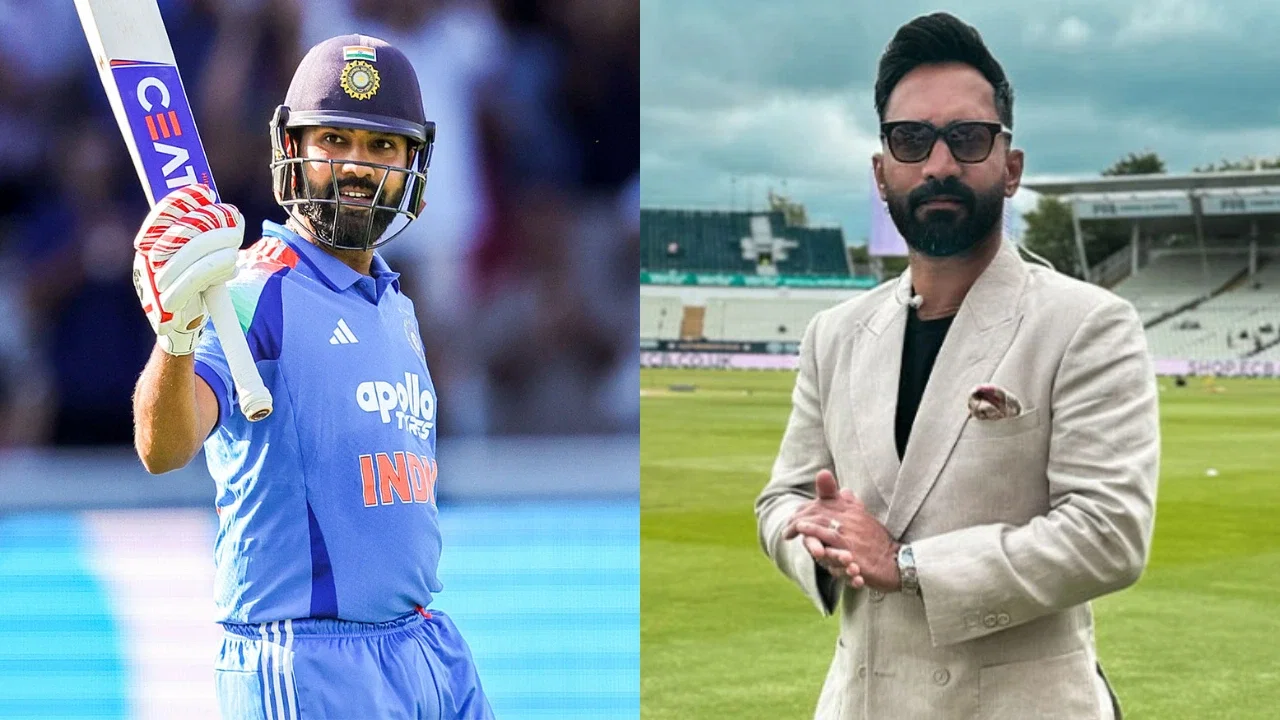
Sunil Gavaskar reveals harsh reality of being India’s Chief Selector amid Ajit Agarkar episode
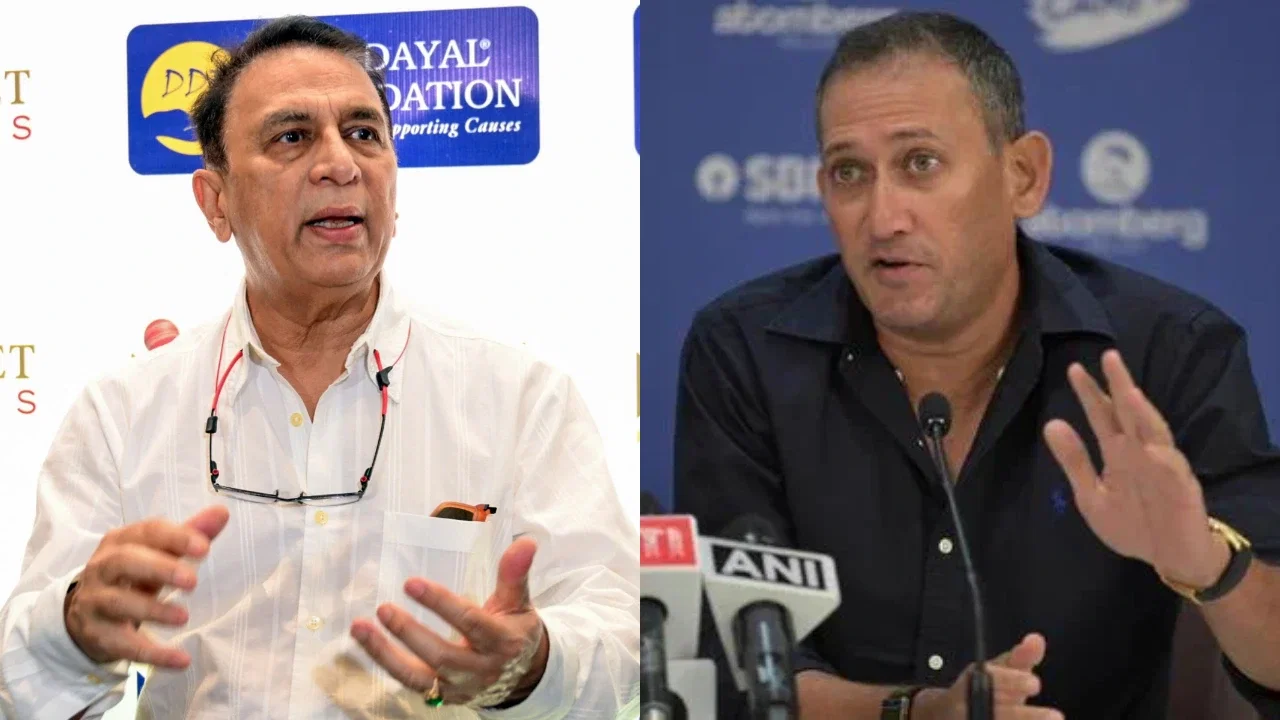
India’s Cricket Selection Committee Faces Transition: What’s Next for the Future of Indian Cricket?
The Indian cricket fraternity is on the cusp of a significant leadership change as Ajit Agarkar’s tenure as the chairman of the Board of Control for Cricket in India (BCCI) selection committee draws to a close. With the BCCI actively exploring options for his successor, the upcoming appointment promises to be a pivotal moment that could influence the future trajectory of Indian cricket. As the cricketing world speculates and discusses potential candidates, veteran cricket legend Sunil Gavaskar has issued an important warning about the challenges and scrutiny that lie ahead for the next chief selector.
Understanding the Context: Why Is the Transition Critical?
The role of the chairman of India’s national selection committee is one of immense responsibility and pressure. This individual acts as the bridge between emerging talent, seasoned veterans, and the coaching staff, shaping the very fabric of the Indian cricket team’s future. Ajit Agarkar, who took on this role in 2023, has overseen a period of significant achievement for India, including reaching the 2023 ODI World Cup final and securing victories in the 2024 T20 World Cup, the ICC Champions Trophy in 2026, and another T20 World Cup triumph in 2026. These accomplishments have cemented his tenure as a relatively successful one; however, the inherent volatility of cricket selection means that no decision is immune from criticism.
The upcoming prediction is that the next chairman will face an especially challenging start, with the immediate task of selecting squads for India’s upcoming tour of New Zealand—comprising five T20 Internationals, three One Day Internationals, and two Test matches. This selection process will be under the microscope, with intense competition among talented players vying for limited spots. The challenge lies in balancing merit, form, and strategic needs, often leading to tough calls where deserving players might miss out, sparking debates among fans and experts alike.
Sunil Gavaskar’s Perspective: The Heavy Price of Leadership in Indian Cricket
The legendary former Indian captain and cricketing icon Sunil Gavaskar recently shared his insights into the complexities of being the chief selector, highlighting that the role is as prestigious as it is demanding. In a candid column for Mid-Day, Gavaskar explained that while holding the position carries immense honor, it also subjects the individual to relentless scrutiny and criticism. His prediction underscores that even the most well-considered decisions can become lightning rods for controversy.
Prediction: The Inevitable Scrutiny and the Challenge of Decision-Making
Gavaskar emphasized that a selector’s decisions are often scrutinized through a biased lens. He pointed out that the cricketing world tends to remember and magnify mistakes, while overlooking the numerous positive decisions that contribute to team success. This phenomenon is not unique to cricket but is particularly pronounced in India, where cricket is a national obsession. The prediction here is that the next chief selector will need to brace for intense media and public attention, with every selection decision likely to be dissected and debated.
The Role of the Chairman: Beyond the Decision-Maker
Sunil Gavaskar also shed light on a common misconception—that the chairman makes all decisions single-handedly. In reality, selection is a collective process involving multiple selectors, coaches, and administrative staff. However, because the chairman is the face of the selection committee, he or she inevitably bears the brunt of criticism when things go awry. Gavaskar’s warning is that the next appointee should be prepared for this reality, as the blame game often targets the head of the committee, regardless of the collective nature of the decision-making process.
Historical Successes and the Lingering Shadow of Criticism
Reflecting on Agarkar’s tenure, Gavaskar acknowledged the notable achievements—India’s consistent performance and silverware collection in recent years. Nonetheless, he cautioned that the next chairman should expect to face criticism and blame, especially if team results do not meet expectations. Gavaskar predicted that when a chairman’s term concludes, the perception of their leadership might be dominated by perceived mistakes rather than successes, regardless of their overall contribution to Indian cricket’s progress.
The Prediction for the Next Chairman: Navigating Criticism and Building Legacy
The prediction about the future of Indian cricket’s leadership is clear: the next chairman must be resilient, tactically astute, and prepared for unrelenting scrutiny. Whether the successor is a former player, a seasoned administrator, or someone from outside the cricketing fraternity, the challenges will be similar. The key lies in how they manage decision-making pressure, public expectations, and media attention.
What Does This Mean for Indian Cricket’s Future?
In the broader context, this transition period symbolizes both a challenge and an opportunity for Indian cricket. The prediction emphasizes that leadership changes often bring fresh perspectives, but they also demand a thick skin and unwavering focus on long-term goals. As India continues to be a dominant force in international cricket, the role of the selector in nurturing emerging talent and maintaining team consistency remains crucial. The upcoming prediction is that the next chairman’s ability to handle criticism while making strategic choices will significantly influence Indian cricket’s success in the years to come.
Additional Insights: The Importance of Leadership in Shaping Cricketing Success
Leadership in cricket is not merely about selecting players; it’s about shaping the ethos and future of the sport within the country. The prediction here is that the next head of the selection committee will need to prioritize transparency, strategic foresight, and resilience. These qualities are essential to withstand the inevitable criticism and to foster a culture where talent is nurtured and decisions are respected, even if contested.
Furthermore, the evolving landscape of international cricket—with the advent of T20 leagues, bio-bubbles, and player workload management—adds layers of complexity to the selection process. The prediction is that future selectors will also need to be adept at balancing these factors, ensuring India remains competitive across all formats.
Conclusion: Preparing for the Future of Indian Cricket Leadership
The transition in India’s cricket leadership is inevitable, and while the challenges are formidable, they also open doors for innovative thinking and strategic planning. Sunil Gavaskar’s warning serves as a reminder that leadership requires resilience, humility, and a clear vision. As the prediction unfolds, it’s evident that the success of India’s cricketing future hinges not only on the talent on the field but also on the strength and wisdom of the selectors guiding the team behind the scenes.
In summary, the upcoming prediction about Indian cricket’s selection leadership underscores the importance of leadership resilience, strategic acumen, and the ability to handle criticism constructively. The next chairman’s ability to navigate these waters will be crucial in continuing India’s cricketing excellence and shaping the sport’s future in the country.
Latest News
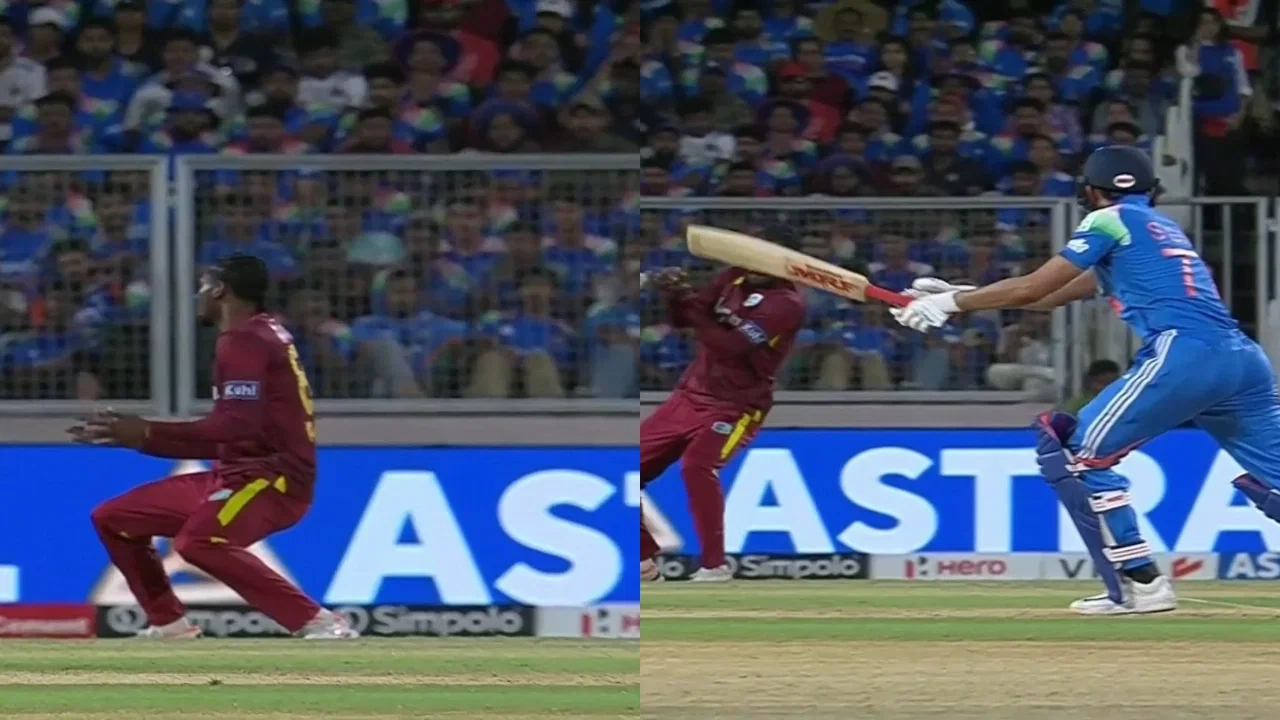
Shubman Gill survives as Keemo Paul drops India captain on 11 runs in 1st ODI
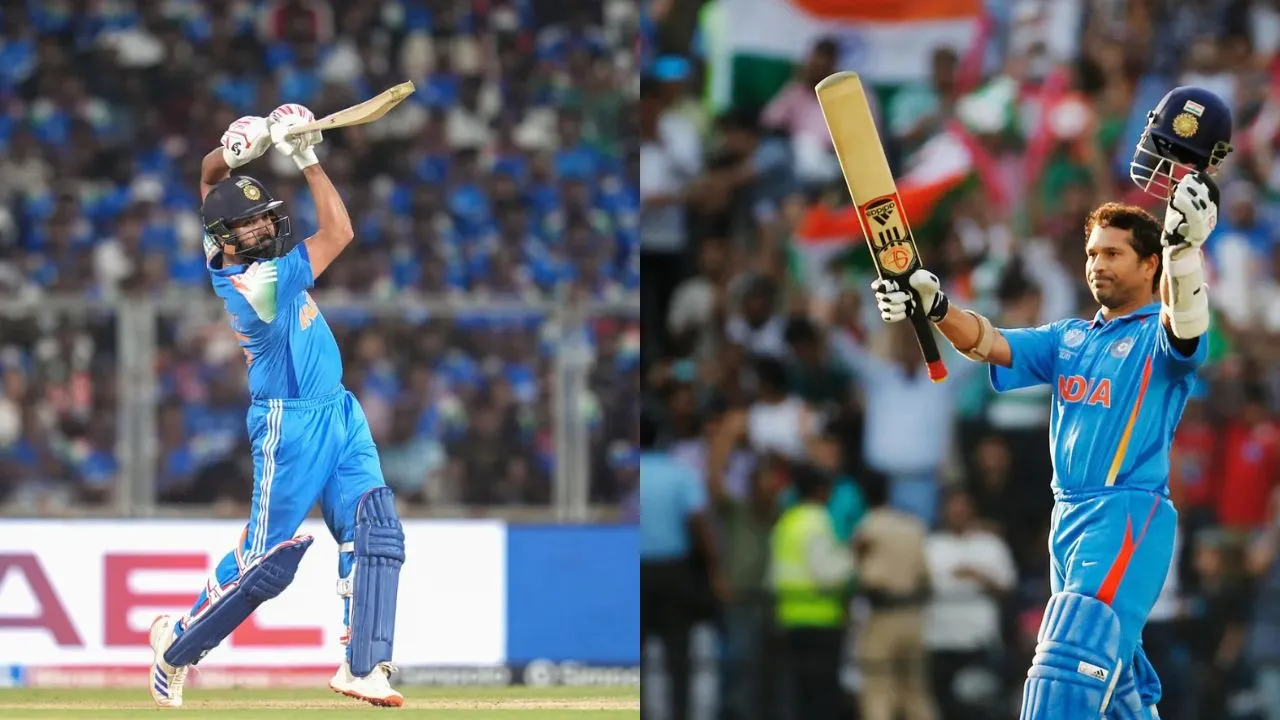
Rohit Sharma breaks Sachin Tendulkar’s record in 200th ODI innings as opener
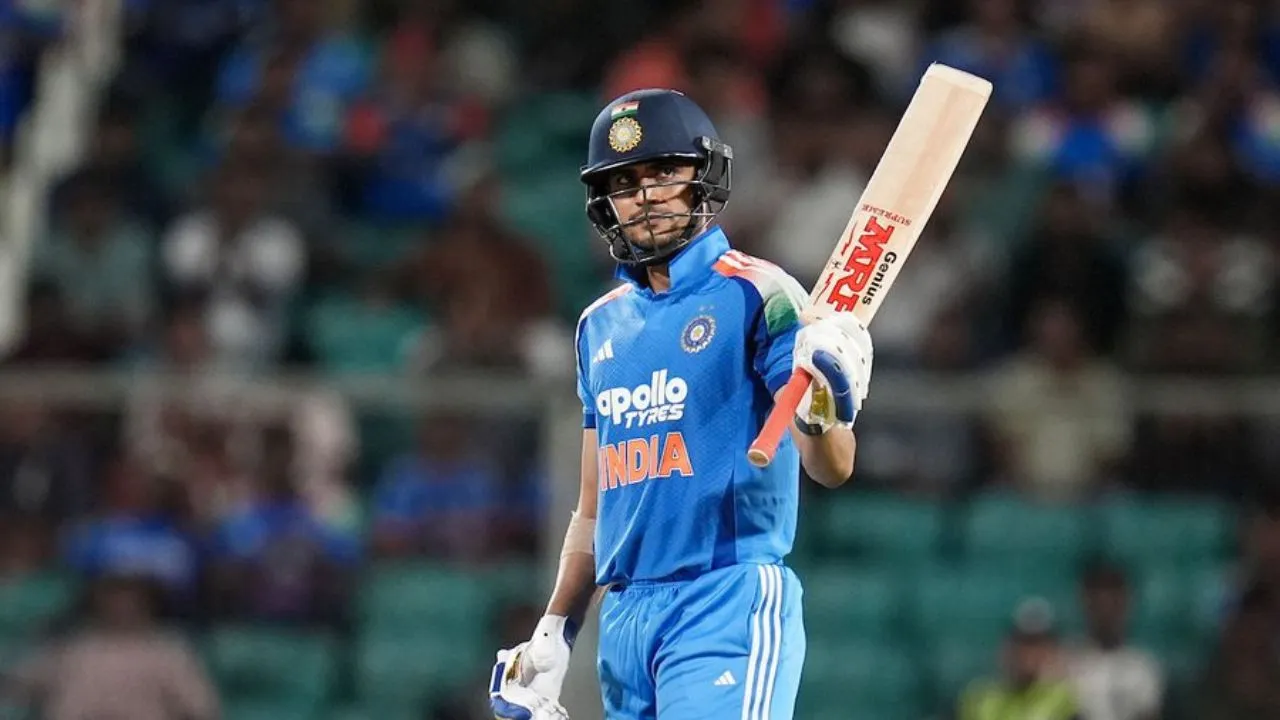
Shubman Gill becomes fastest Indian opener to smash 3,000 during 1st ODI vs WI
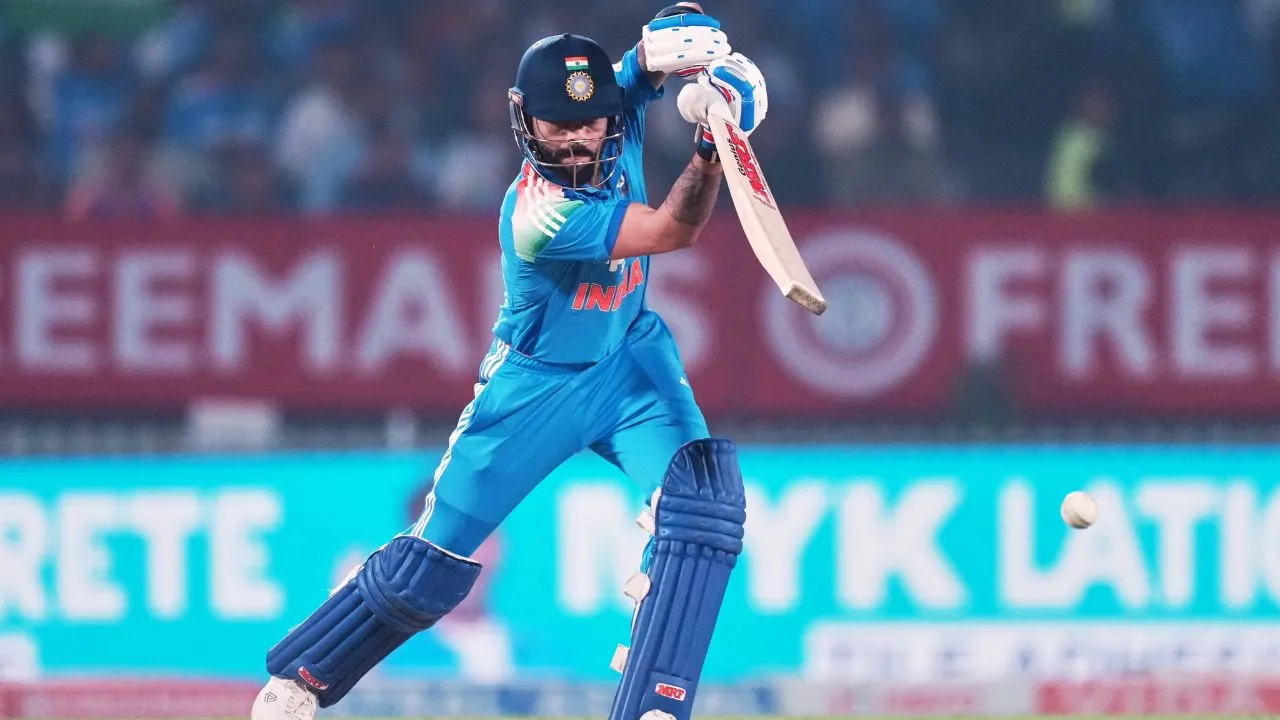
Virat Kohli becomes fastest to reach 15,000 ODI runs in 1st ODI vs West Indies
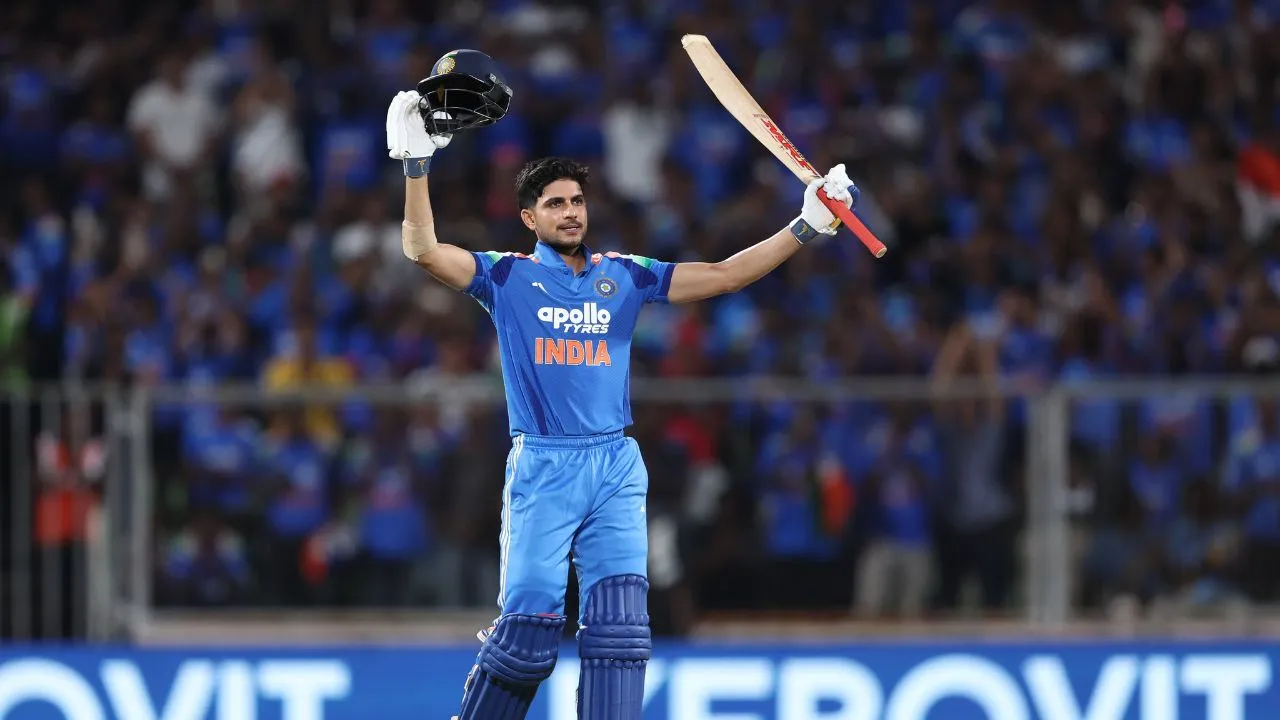
‘Pure fire’: Fans go crazy as Shubman Gill scores 10th ODI century in 1st ODI vs West Indies
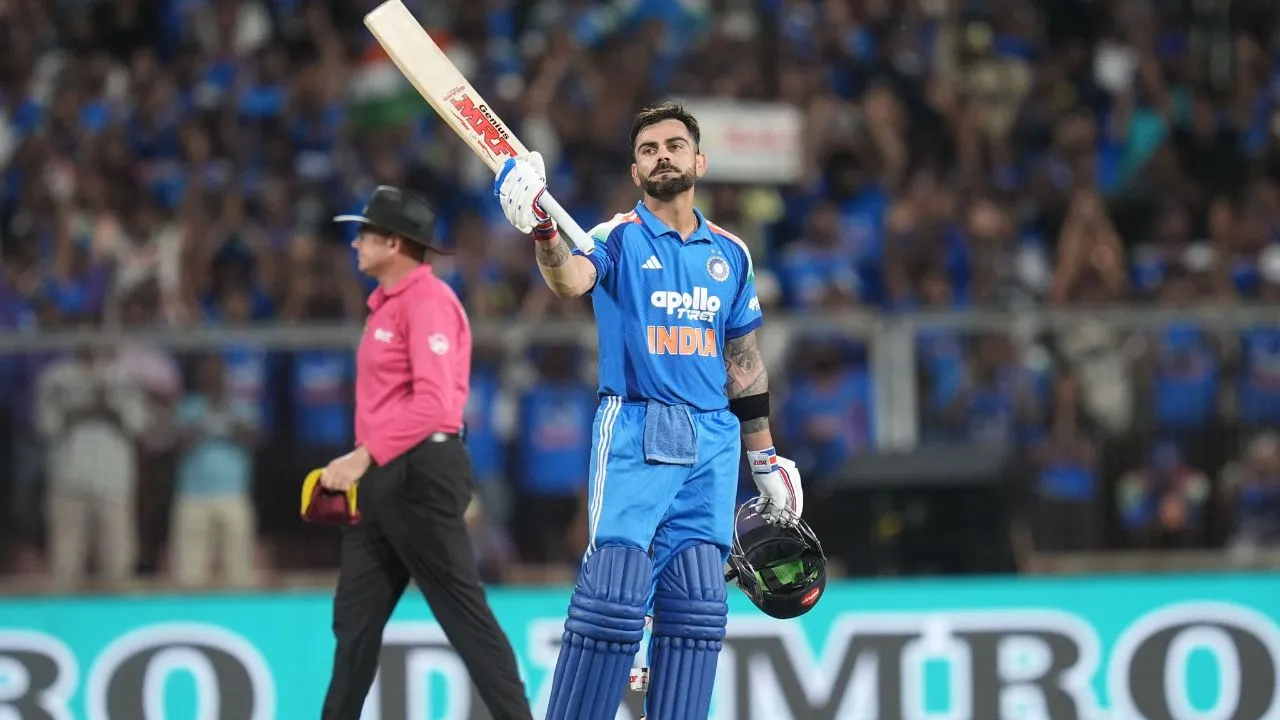
‘King Is Back’: Fans go berserk as Virat Kohli smashes 55th ODI Century in 1st ODI vs West Indies
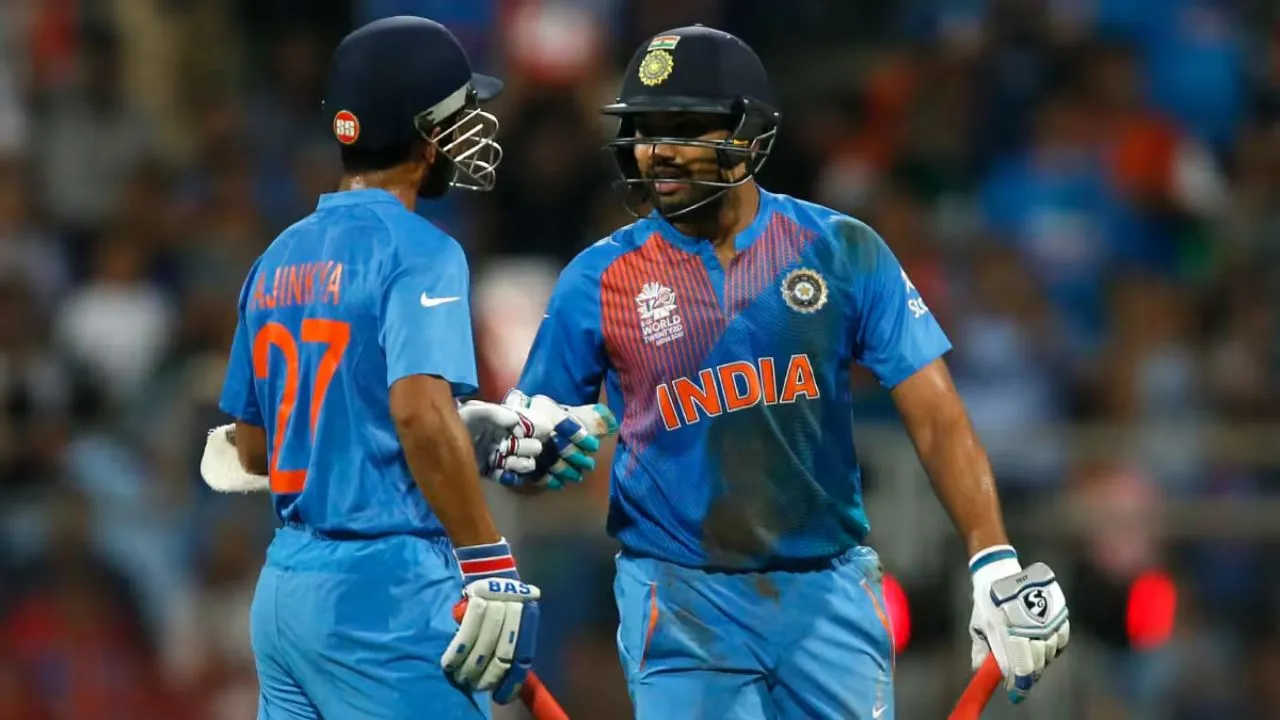
‘Want to see Rohit lift 2027 World Cup’: Ajinkya Rahane
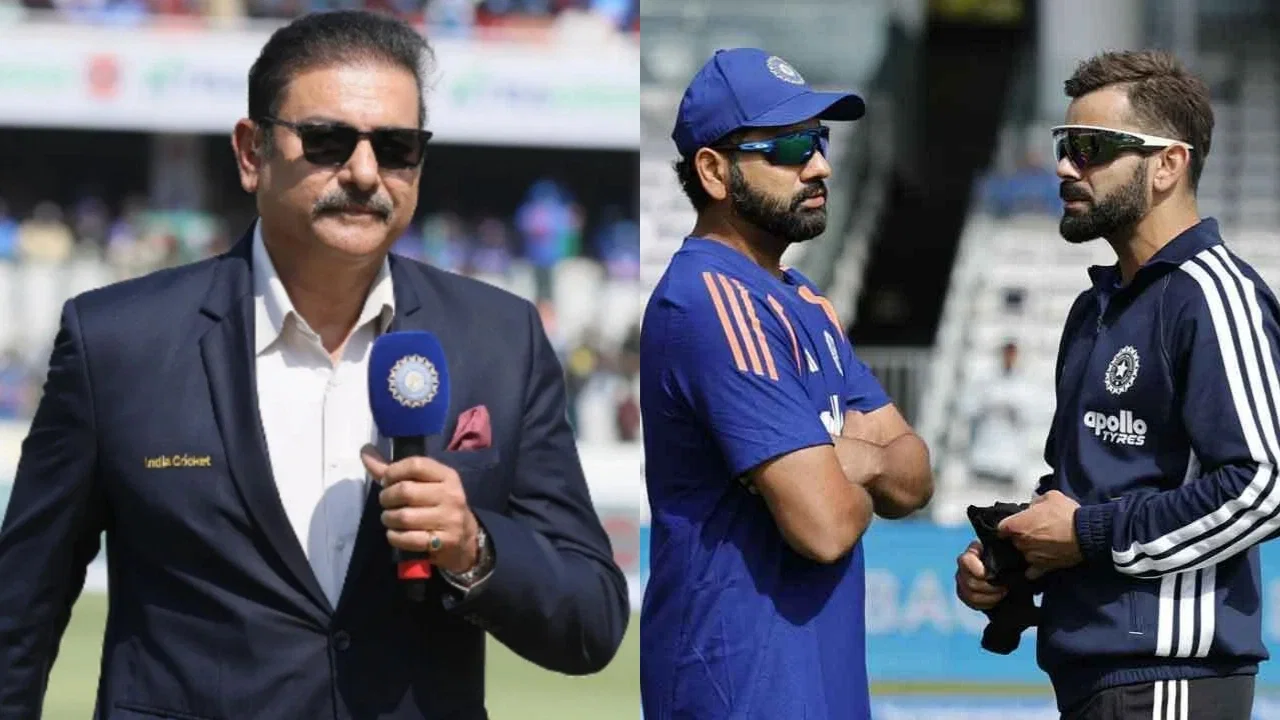
‘Watch their chairs’: Ravi Shastri sends warning to those targeting Rohit Sharma, Virat Kohli
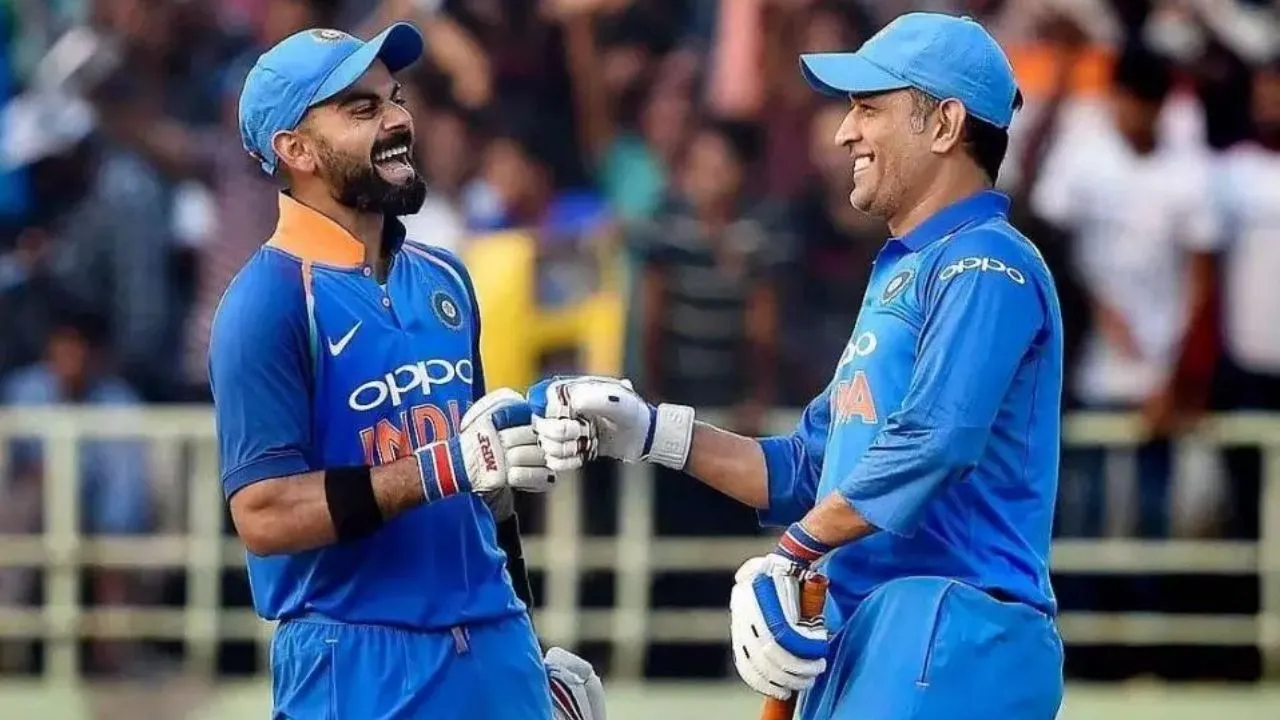
Virat Kohli stays loyal to MS Dhoni with heartfelt admission
Sunil Gavaskar reveals harsh reality of being India’s Chief Selector amid Ajit Agarkar episode
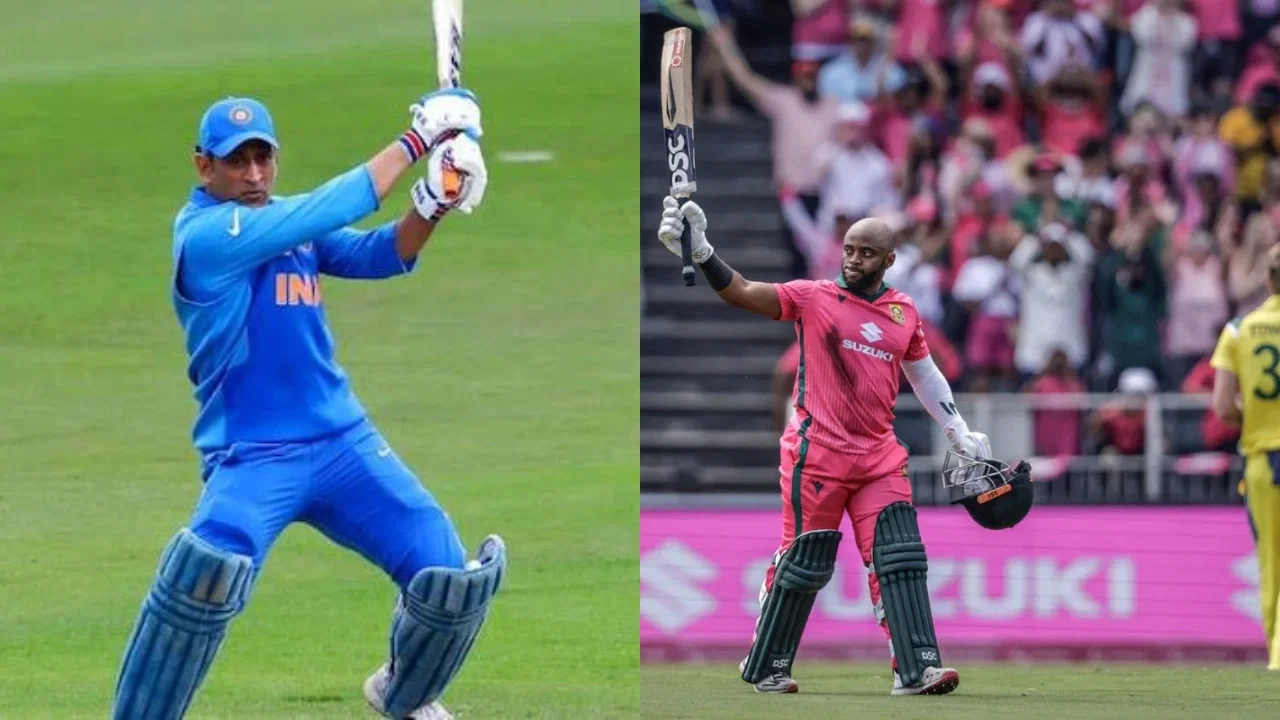
Temba Bavuma equals MS Dhoni’s record with fantastic century vs Australia in 2nd ODI
‘There is always pressure’: Shreyas Iyer on India’s Asian Games gold-medal expectations
352 bowling average: Ravindra Jadeja endures nightmare ODI run
352 bowling average: Ravindra Jadeja endures nightmare ODI run