Sunil Gavaskar slams Ishan Kishan and East Zone for defensive approach in Duleep Trophy final
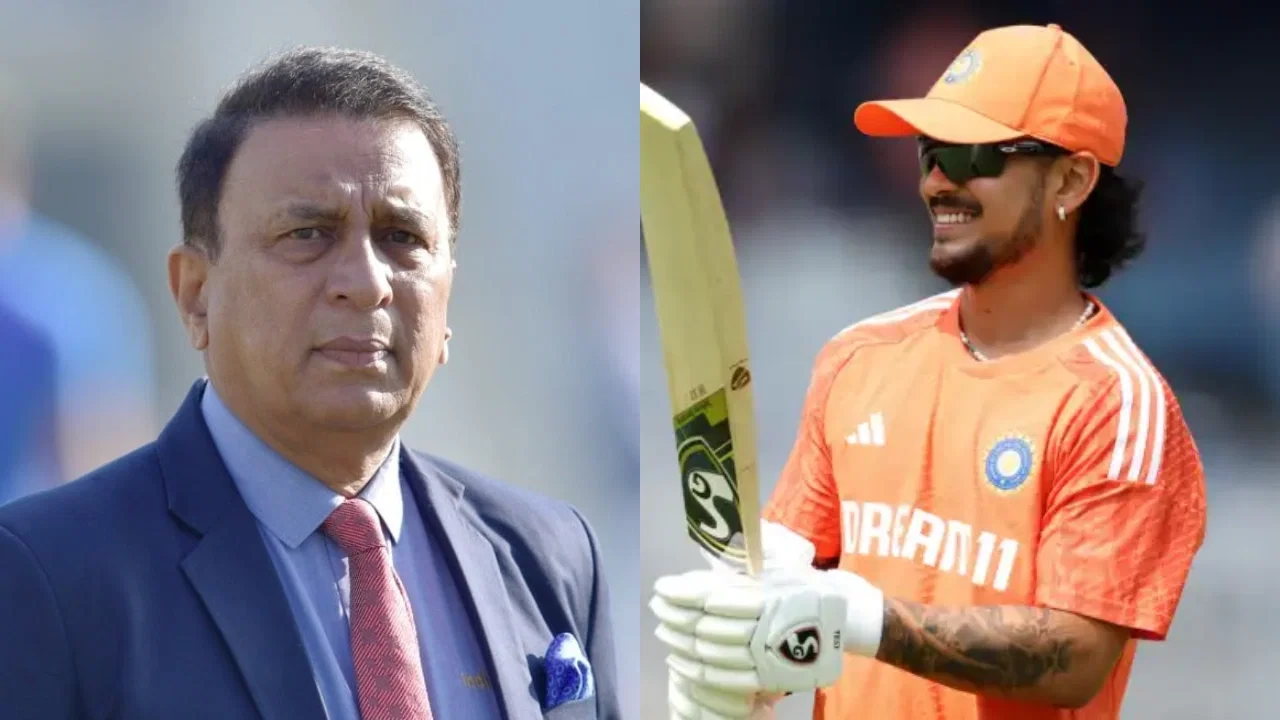
Sunil Gavaskar Criticizes the Duleep Trophy 2026 Final: A Controversial End to the Classic Match
The recently concluded Duleep Trophy 2026 final has sparked widespread debate within cricket circles, not just for the performances on the field but also for the manner in which the match was ultimately concluded. Veteran cricket legend Sunil Gavaskar has voiced strong criticism of the way the two teams, East Zone and South Zone, handled the closing stages of this prestigious domestic tournament. His comments have reignited discussions about sportsmanship, strategic decision-making, and the importance of competitive integrity in Indian domestic cricket.
The Match Recap: A Dominant East Zone Performance and a Controversial Conclusion
East Zone, led by the prolific Ishan Kishan, delivered a commanding performance in the final. After winning the toss, Ishan Kishan’s side set a formidable tone with an impressive 270-run innings by the star opener. Building on this foundation, East Zone posted a substantial first innings total of 708 runs. South Zone, in response, managed only 336, giving East Zone a commanding lead of 372 runs.
With such a significant advantage, it appeared that East Zone was poised for an outright victory. However, the match’s final stages took an unexpected turn. Despite the clear opportunity to force a win, both teams’ captains agreed to end the match by mutual consent before the scheduled conclusion. East Zone, with their substantial lead, decided to bat for an additional 100 overs in the second innings, scoring 388 for 7 wickets before the game was called off.
This decision raised eyebrows across the cricketing community. Critics argued that the prolonged second innings was unnecessary and that the match could have been concluded earlier, especially considering the dominant position East Zone held. The game ended with a sense of unfinished business, leading many to question whether the true spirit of competitive cricket was upheld.
Sunil Gavaskar’s Critique: A Call for Competitive Spirit and Fair Play
Legendary cricketer Sunil Gavaskar was quick to express his disappointment with how the final unfolded. In his column for The Mid-Day, Gavaskar lamented the decision of both captains to declare the match early, emphasizing that it was a missed opportunity for East Zone to secure an outright victory.
“The disappointing part was that East Zone did not go for an outright win and instead prolonged their second innings unnecessarily,” Gavaskar wrote. “Both skippers agreed to end the game earlier than scheduled, which doesn’t sit well with the spirit of competitive cricket.”
He further questioned the timing of the declaration, suggesting that if the match was to be halted early, it could have been done at lunchtime when it was evident that South Zone had no realistic chance of chasing down a target of over 650 runs in the remaining two sessions. Gavaskar’s pointed comments reflect a concern that such decisions may undermine the integrity of the sport and diminish the value of competitive play.
Drawing Parallels: Domestic Cricket and International Challenges
Gavaskar drew an interesting comparison between the tactics employed in the Duleep Trophy final and recent international cricket matches, notably the Sri Lanka vs. India Test in Colombo. He argued that the tendency for teams to avoid bowling in the second innings of domestic matches hampers the development of bowlers and impacts their readiness for international challenges.
“This obsession with the first innings lead being enough is one of the main reasons India struggles to take 20 wickets on good pitches,” Gavaskar explained. “How can bowlers learn to take all 10 wickets if they’re not given the chance to bowl in both innings domestically? The lack of practice in second innings bowling is a significant issue.”
He pointed out that in the recent Sri Lanka-India Test, India’s bowlers struggled to dismiss the opposition in the final innings, partly because they lacked sufficient exposure to bowling in second innings conditions during domestic matches. This underscores the importance of ensuring that domestic fixtures remain competitive and comprehensive, serving as a vital training ground for international success.
Recognizing East Zone’s Batting Brilliance and Team Spirit
While criticizing the match’s conclusion, Gavaskar did not shy away from praising the outstanding batting display by Ishan Kishan’s East Zone team. Despite South Zone featuring seasoned domestic players like Tilak Varma and Devdutt Padikkal, East Zone’s team demonstrated that effective leadership and cohesive team effort can triumph over star power alone.
“It’s a positive sign for Indian cricket that a team led by Ishan Kishan and bolstered by a disciplined bowling attack managed to lift the trophy,” Gavaskar remarked. “Their success shows that well-led teams with a collective approach can achieve great results, even if they have just one or two big names.”
This perspective highlights the importance of team dynamics, strategic planning, and leadership in modern cricket. It also serves as an encouragement for young cricketers across India to focus on holistic development rather than relying solely on individual star performances.
Prediction and Future Implications for Domestic Cricket
The controversy surrounding the Duleep Trophy final raises broader questions about the future of domestic cricket in India. As cricket continues to grow in popularity and professionalism, there is an increasing emphasis on maintaining the integrity of the game at all levels.
Prediction: Moving forward, it’s likely that domestic tournaments like the Duleep Trophy will see stricter guidelines and possibly more oversight to prevent premature declarations and ensure matches are played in true competitive spirit. The emphasis will be on nurturing bowlers and batters alike, providing them with opportunities to develop skills essential for international success.
Cricket administrators and coaching staff may also revisit tournament formats and rules to encourage more aggressive play and strategic decision-making, aligning domestic cricket more closely with international standards. Such measures could include incentivizing outright wins and penalizing early declarations that undermine the competitive integrity of the game.
Conclusion: Striking the Balance Between Strategy and Sportsmanship
The 2026 Duleep Trophy final has served as a reminder that the spirit of cricket must always remain at the forefront. While strategic decisions are part of the game, they should not compromise fairness, competitiveness, or the development of the sport. Sunil Gavaskar’s prediction underscores the need for a balanced approach—where teams aim to win convincingly while playing within the true spirit of the game.
As Indian cricket evolves, the lessons from this match could influence future domestic tournaments, encouraging a culture of integrity, aggressive competition, and continuous learning. For fans and aspiring cricketers alike, the hope is that the game’s true essence—competition driven by passion and sportsmanship—continues to flourish at every level of the sport.
Latest News
GUY-W vs BAR-W Dream11 Prediction Today Match, My11Circle Prediction, Dream11 Team Today, Fantasy Cricket Tips, Playing XI, Pitch Report, Injury Update- WCPL, Match 6
Abhishek Sharma smashes 20 runs off Fazalhaq Farooqi, becomes fastest Asian to 6,000 T20 runs

Marcus Trescothick reveals uncertainty over England Test role after impressive Pakistan series
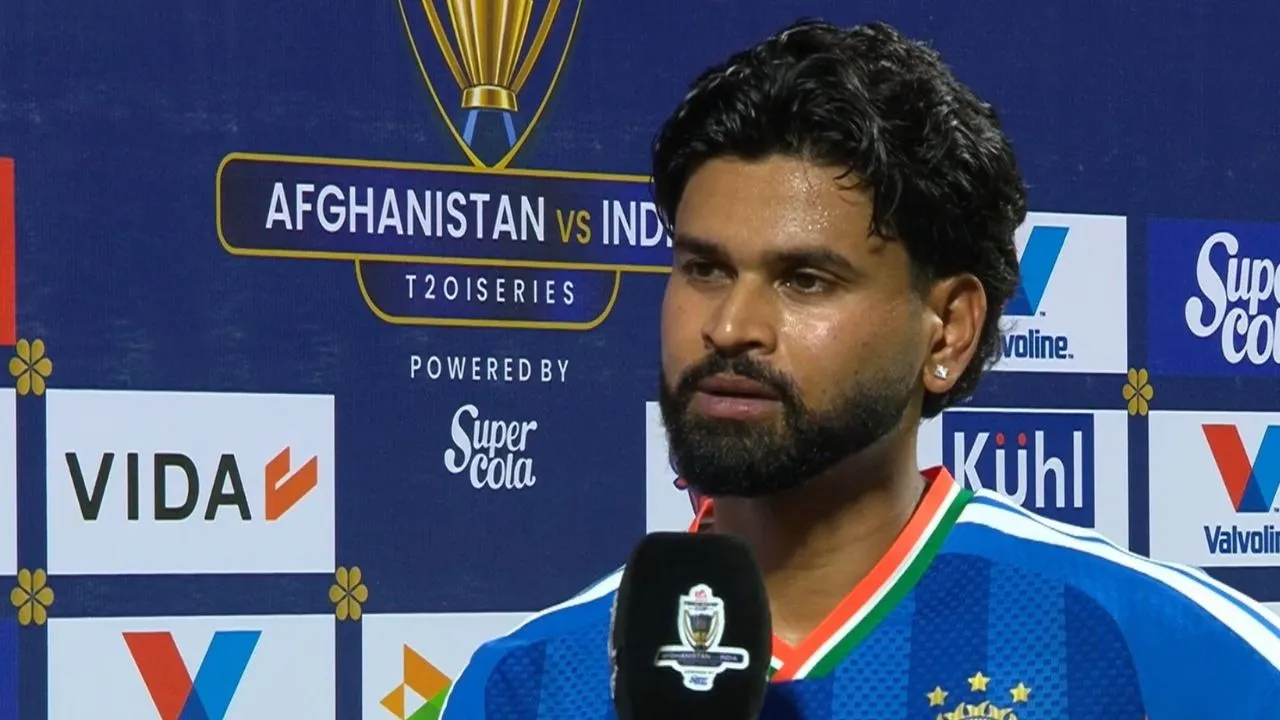
“Everyone worked in synergy”: Shreyas Iyer lauds India’s bowling attack after Afghanistan win
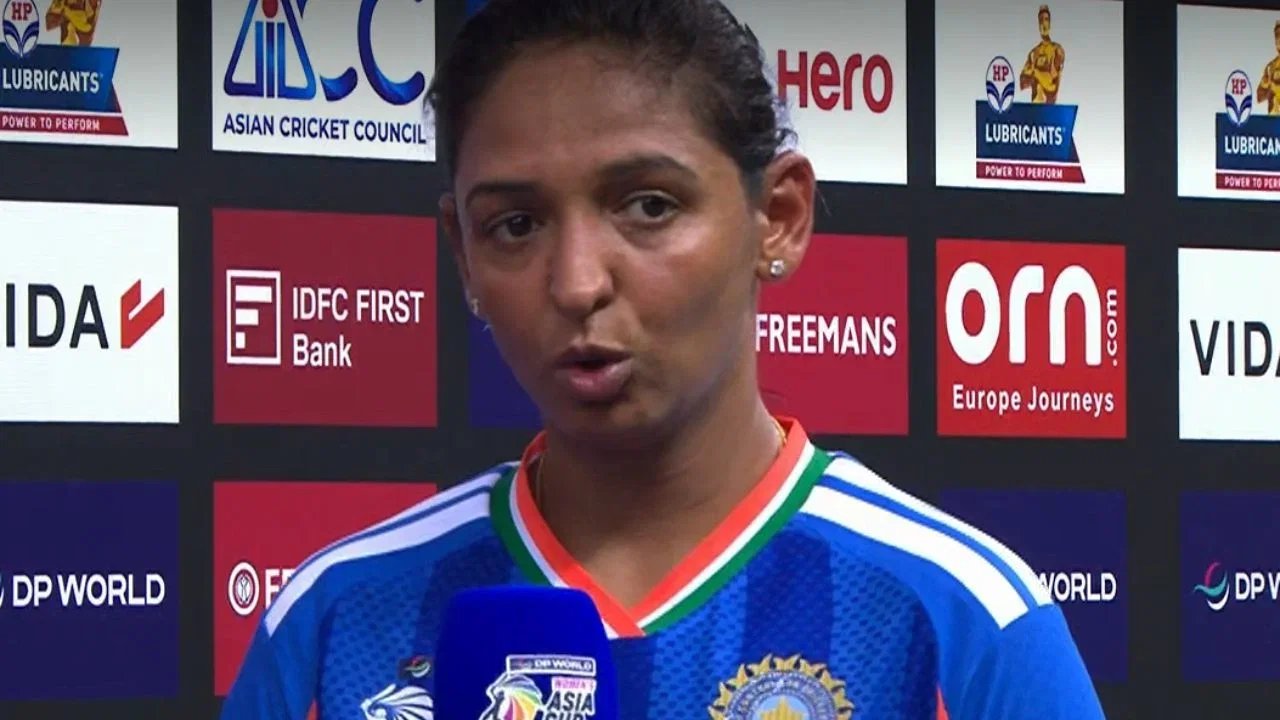
Harmanpreet Kaur hails India Women after unbeaten Asia Cup triumph over Sri Lanka
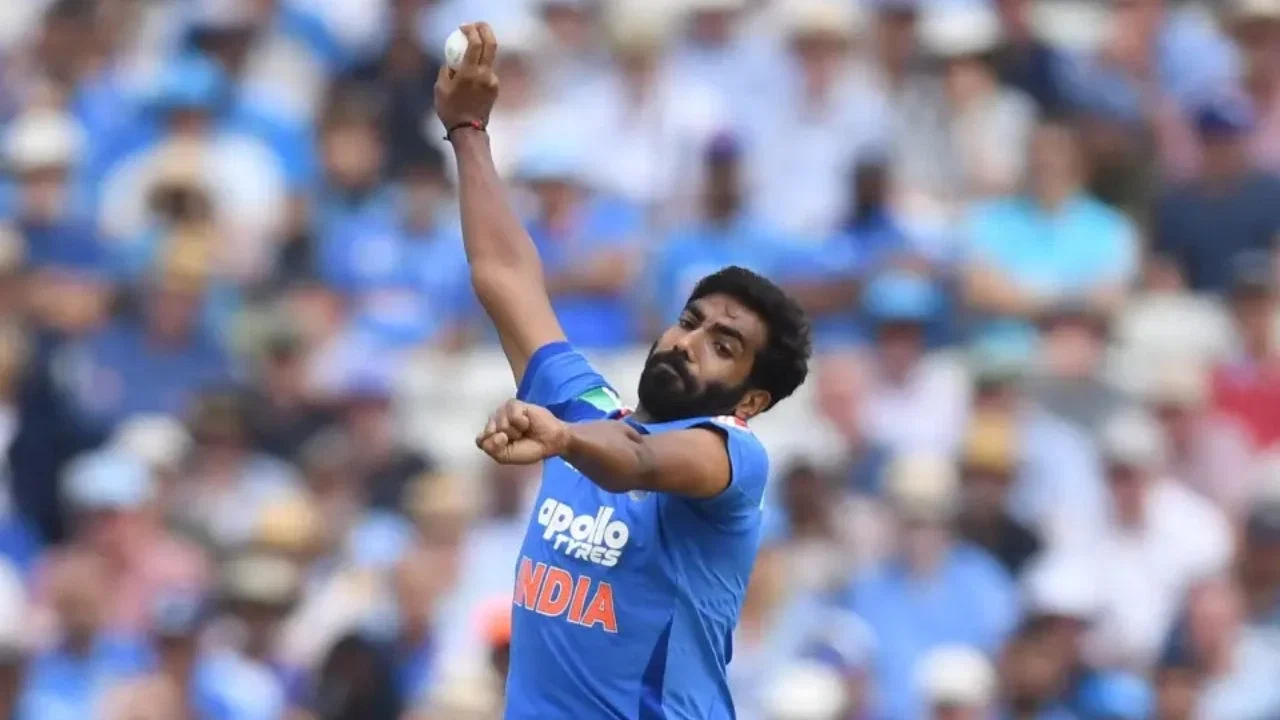
“It’s a luxury”: Shreyas Iyer breaks silence on Jasprit Bumrah’s return against Afghanistan
Jasprit Bumrah joins elite Indian club with 350th T20 wicket against Afghanistan
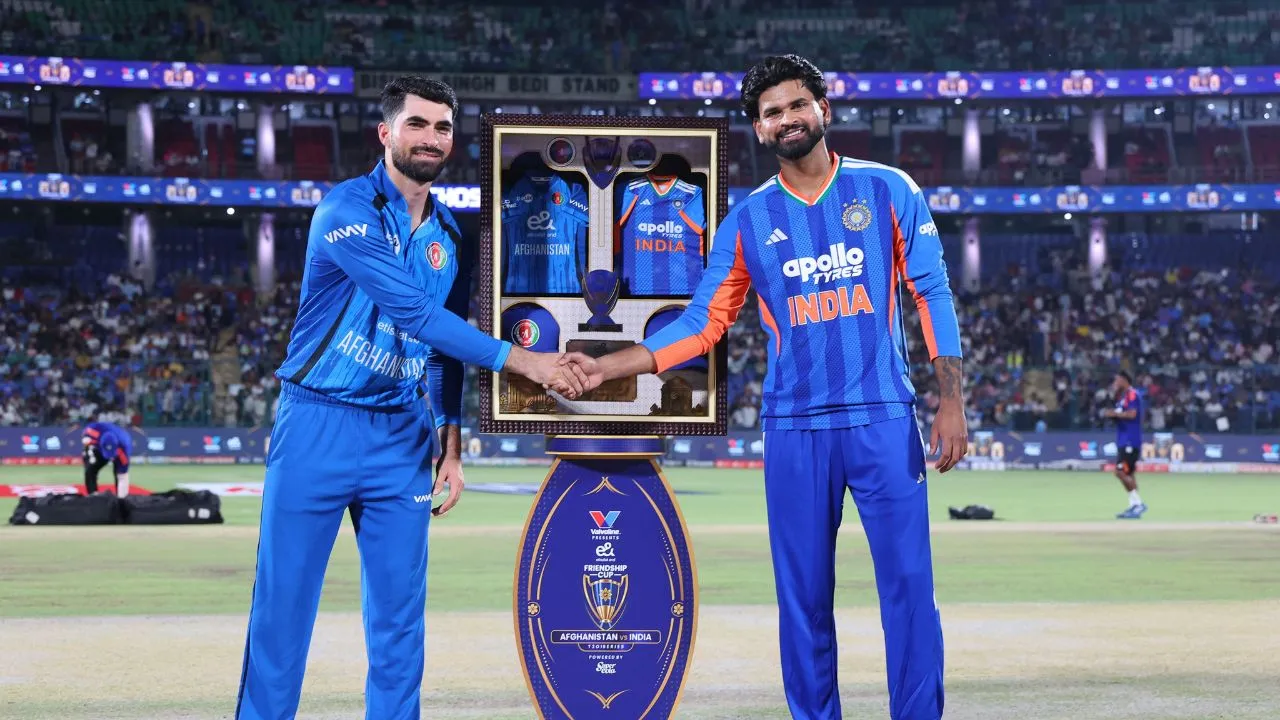
Why was Vande Mataram played ahead of India vs Afghanistan 1st T20I? Reason explained
Varun Chakravarthy bamboozles Darwish Rasooli in IND vs AFG 1st T20I
Watch: Arshdeep Singh rattles Mohammad Nabi in IND vs AFG 1st T20I
‘One good knock is not enough’: Pakistan ordered to move on from Shan Masood
Sunil Gavaskar slams Ishan Kishan and East Zone for defensive approach in Duleep Trophy final
Sanjiv Goenka breaks silence on Rishabh Pant after Delhi Capitals trade
India vs Mohsin Naqvi: Asia Cup trophy controversy takes another turn