Suresh Raina blames Virat Kohli for his early retirement
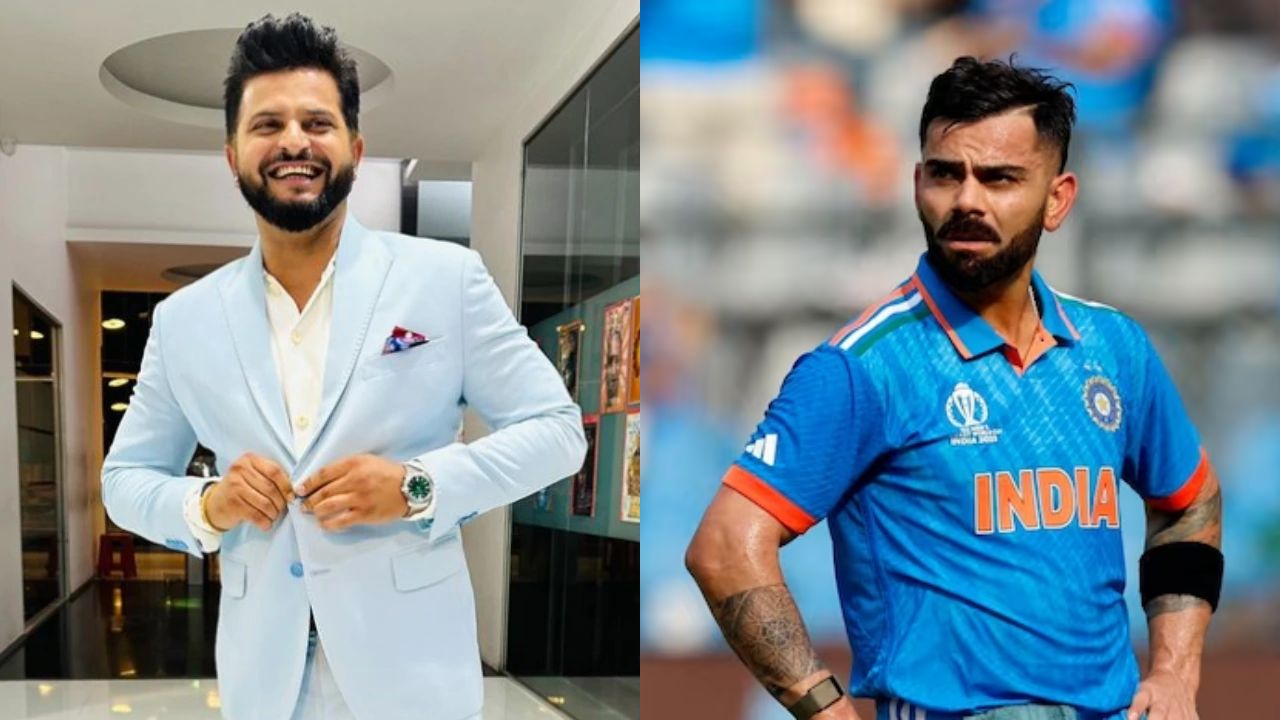
Suresh Raina’s Reflection and Prediction on His Cricket Career and Team Selection
In a candid and revealing conversation with renowned former Indian cricketer Aakash Chopra, Suresh Raina, one of India’s most prolific middle-order batsmen, opened up about the challenging final days of his international cricket career. His insights provide a rare glimpse into the behind-the-scenes dynamics of team selection, captaincy influence, and the emotional toll of being overlooked despite stellar performances. Raina’s reflections not only shed light on his personal journey but also offer a broader prediction about the evolving landscape of Indian cricket and the factors influencing team composition.
The Final Days with the Indian Cricket Team: Seeking Clarity in an Uncertain Environment
Suresh Raina, a key figure in India’s batting lineup during MS Dhoni’s captaincy, recounted how, during his last days with the national team, he often found himself questioning the decision-making process behind his exclusion. His departure from international cricket was not sudden but the culmination of months, even years, of uncertainty. Raina revealed that he frequently sought direct answers from coaches and team management about why he was being sidelined, but often received vague or non-committal responses.
According to Raina, the lack of transparency and clear communication from selectors and coaching staff played a significant role in his decision to step away. Without a definitive explanation or assurance of future opportunities, he felt compelled to make a difficult choice. His story echoes the common struggles faced by many seasoned players who, despite their experience and past successes, find themselves edged out by newer talents or changing team strategies.
The Changing Dynamics of Team Selection: The Role of Captaincy and Form
Suresh Raina’s career trajectory was heavily influenced by the leadership under different captains. Initially, under MS Dhoni, Raina was an integral part of India’s batting order, contributing significantly to pivotal victories, including the 2011 ICC Cricket World Cup. However, with the transition to Virat Kohli’s captaincy, Raina’s role diminished. He observed that each captain tends to have their own preferred set of players, which often results in shifts within the team composition.
Raina pointed out that during the transition, both he and Yuvraj Singh faced setbacks, notably failing the Yo-Yo endurance test—a fitness assessment used by Indian selectors. Despite these setbacks, both players regained their fitness and form through domestic cricket, scoring heavily and proving their readiness for international duty. Yet, the elusive call from the selectors never came again, underscoring how unpredictable and sometimes opaque the selection process can be.
Why No Clear Answers? The Frustration of Uncertainty
Expressing his frustration, Raina explained that he repeatedly approached team management and coaching staff, seeking clarity on his omission. Despite his efforts and consistent performances in domestic cricket, the silence from the selectors persisted. This lack of transparency, he believes, is a common challenge faced by many seasoned players who feel they have more to contribute but are sidelined without explanation.
“I asked questions; I didn’t get answers,” Raina admitted during his conversation with Aakash Chopra. “When you don’t get a clear explanation, it leaves you in a state of uncertainty and frustration.” His experience highlights the importance of transparent communication in team management—a lesson for future cricket administrations.
Raina’s Prediction: The Role of Experience and Changing Team Needs
Looking ahead, Suresh Raina offered a compelling prediction about the future of Indian cricket selection policies. He emphasized that team composition is often driven by current form, strategic needs, and the vision of the captain and coaching staff. Raina believes that as cricket evolves, so too will the criteria for selection, with a greater emphasis on fitness, adaptability, and younger talent.
However, he also highlighted the importance of experienced players in crucial tournaments. Raina’s prediction suggests that seasoned players like himself, Yuvraj Singh, and others may continue to face hurdles if their performance dips or if they are deemed less suitable for the current team strategy. Yet, he remains optimistic that the value of experience, especially in high-pressure situations like World Cups, will always be recognized in some capacity.
The Legacy of a World Cup Hero and the Impact of Changing Tides
Suresh Raina’s career is decorated with remarkable achievements, most notably his vital contribution to India’s 2011 World Cup victory. With over 5,600 runs in One Day Internationals (ODIs), 1,600+ in T20 Internationals, and significant contributions in Test cricket, Raina’s impact on Indian cricket is undeniable. His aggressive batting style and dependable middle-order presence made him a fan favorite and a reliable team member for over a decade.
At just 33 years old when he retired, Raina’s departure marked the end of an era where experience and youthful exuberance converged. His prediction about the future hints at the ongoing challenge faced by cricket teams worldwide: balancing the need for innovation with the invaluable insights of veteran players. As Indian cricket continues to evolve, the question remains—how will future selection policies incorporate the lessons learned from players like Raina?
Conclusion: The Prediction and Lessons for Future Indian Cricket Selections
Suresh Raina’s candid reflections serve as a vital reminder of the human element behind the sport. His story underscores the importance of transparency, communication, and respecting the contributions of seasoned players. As Indian cricket gears up for new challenges and tournaments, his prediction highlights a broader debate about how teams can best balance youth and experience.
While the prediction suggests a shift towards younger talent driven by fitness and adaptability, it also emphasizes that the value of experience remains significant. Future selectors and coaching staff can learn from Raina’s journey—ensuring that the path to international cricket remains fair, transparent, and inclusive of players who have dedicated their lives to the sport.
In the end, Suresh Raina’s story is not just about individual disappointment but about the evolving landscape of cricket, where strategic foresight and empathy will shape the next generation of Indian cricket stars.
Latest News
JAM-W vs GUY-W Dream11 Prediction Today Match, My11Circle Prediction, Dream11 Team Today, Fantasy Cricket Tips, Playing XI, Pitch Report, Injury Update- WCPL 2026, Match 2
SL-W vs BAN Dream11 Prediction Today Match, Dream11 Team Today, Fantasy Cricket Tips, Playing XI, Pitch Report, Injury Update- Women’s Asia Cup T20 2026, Match 10
Suresh Raina blames Virat Kohli for his early retirement
ADF vs RTD Dream11 Prediction Today Match, Dream11 Team Today, Fantasy Cricket Tips, Playing XI, Pitch Report, Injury Update- European T20 Cup 2026, Match 17
GLG vs ECR Dream11 Prediction Today Match, Dream11 Team Today, Fantasy Cricket Tips, Playing XI, Pitch Report, Injury Update- European T20 Cup 2026, Match 16
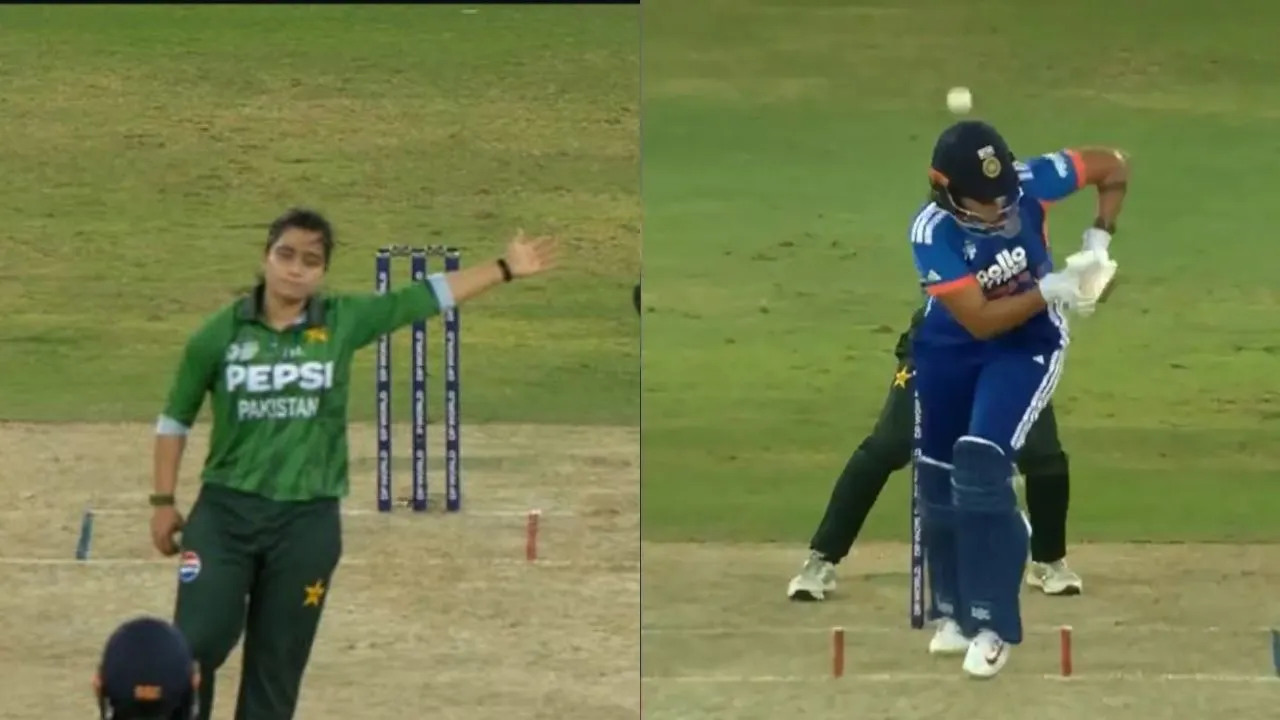
Fatima Sana dismisses Shafali Verma after 3,000-run milestone, gives send-off
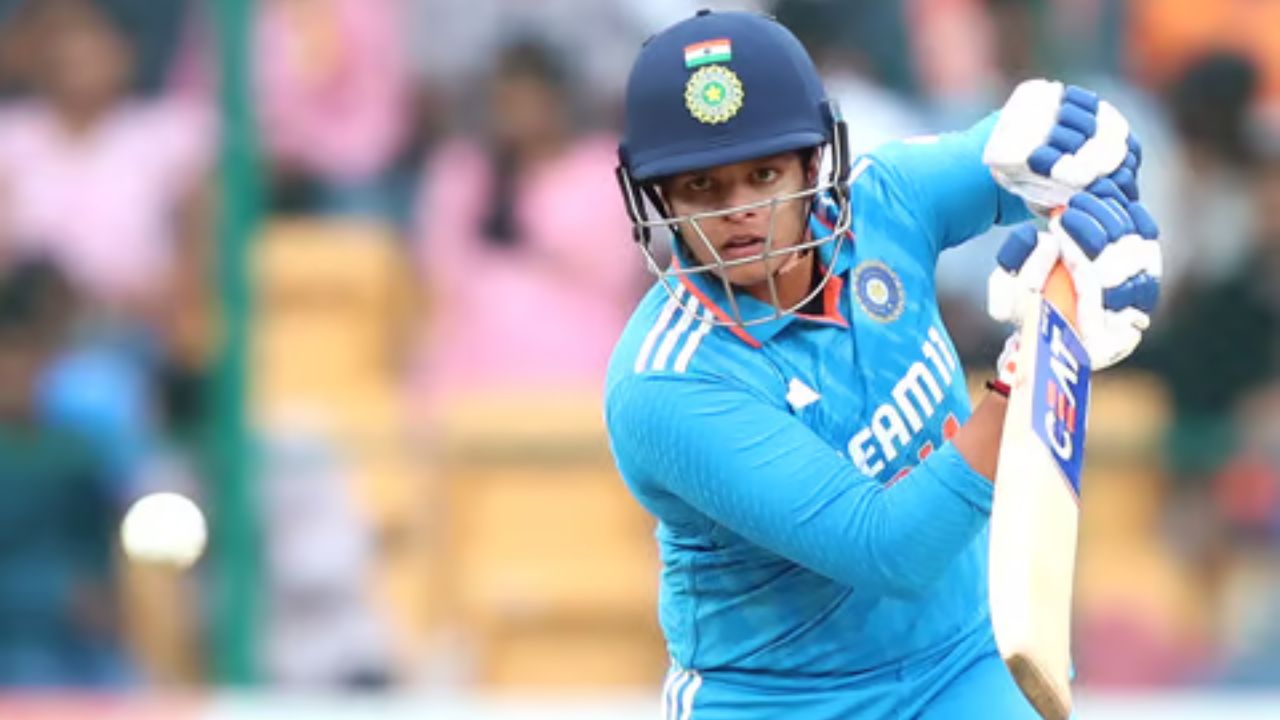
Shafali Verma claims rare record in India’s dominating win over Pakistan
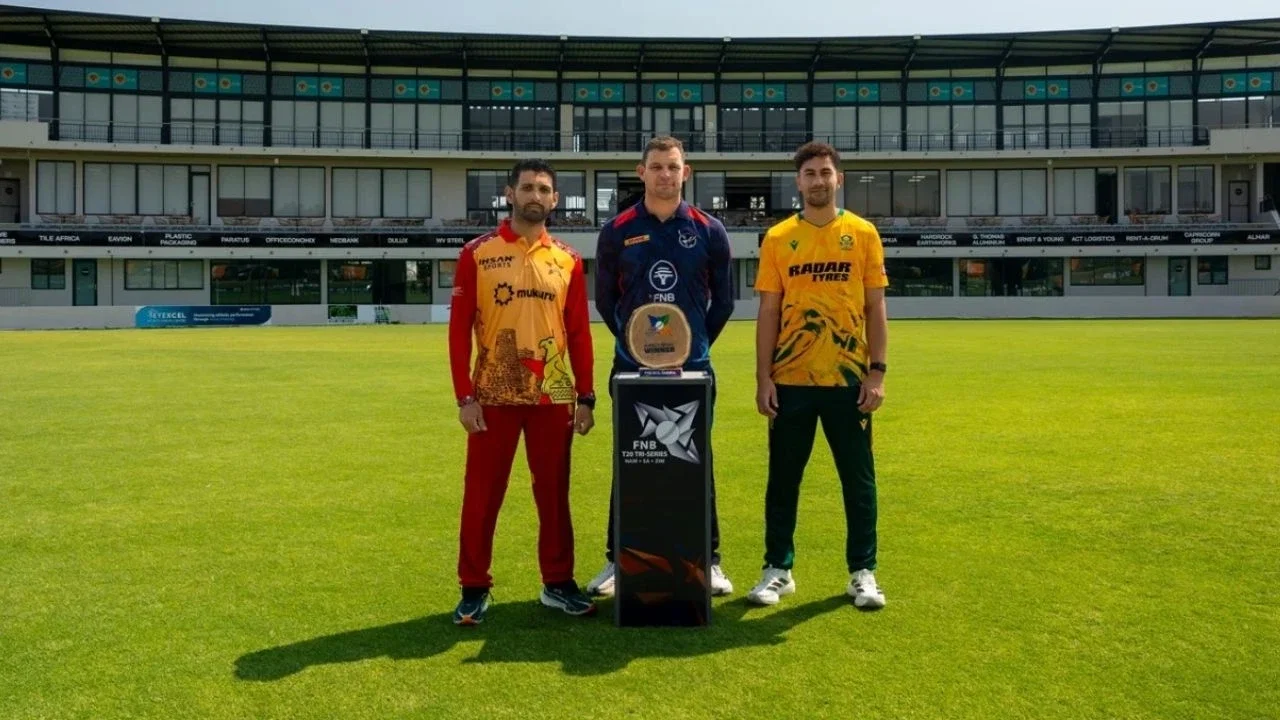
SA vs ZIM Dream11 Prediction Today Match, Dream11 Team Today, Fantasy Cricket Tips, Playing XI, Pitch Report, Injury Update- Namibia T20I Tri-Series 2026, Final
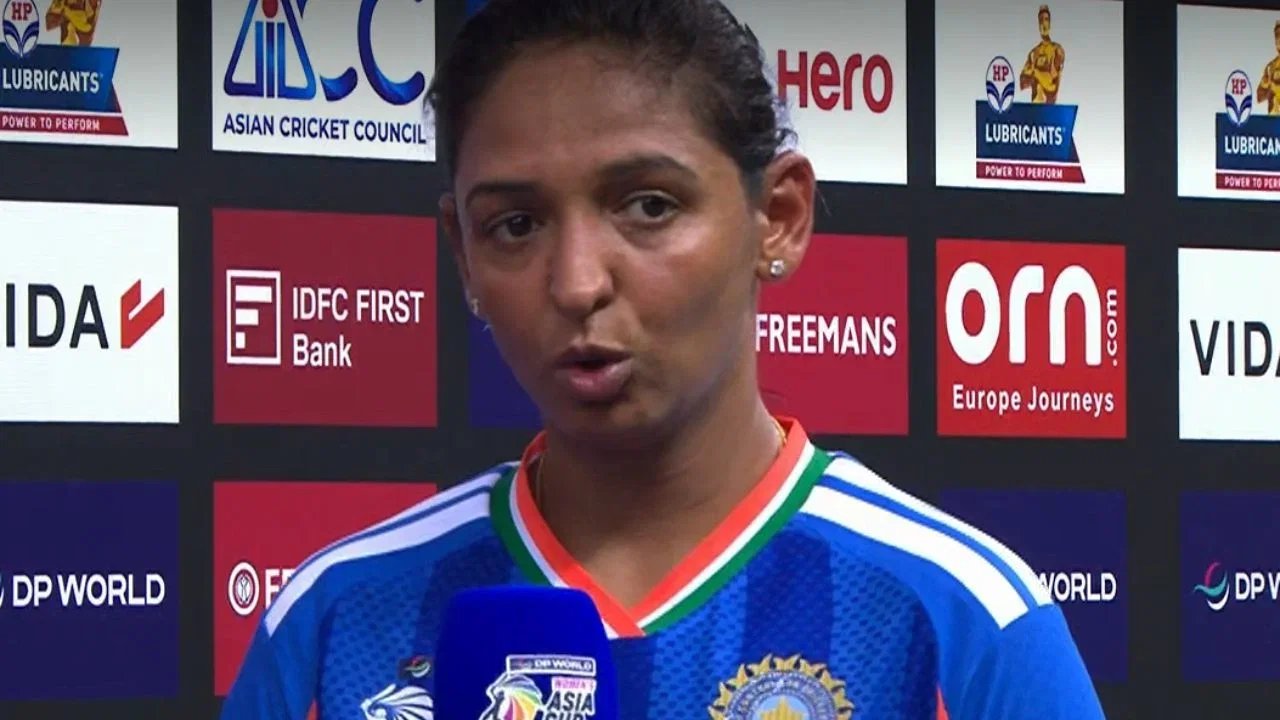
Harmanpreet Kaur hails Indian bowlers after big win over Pakistan
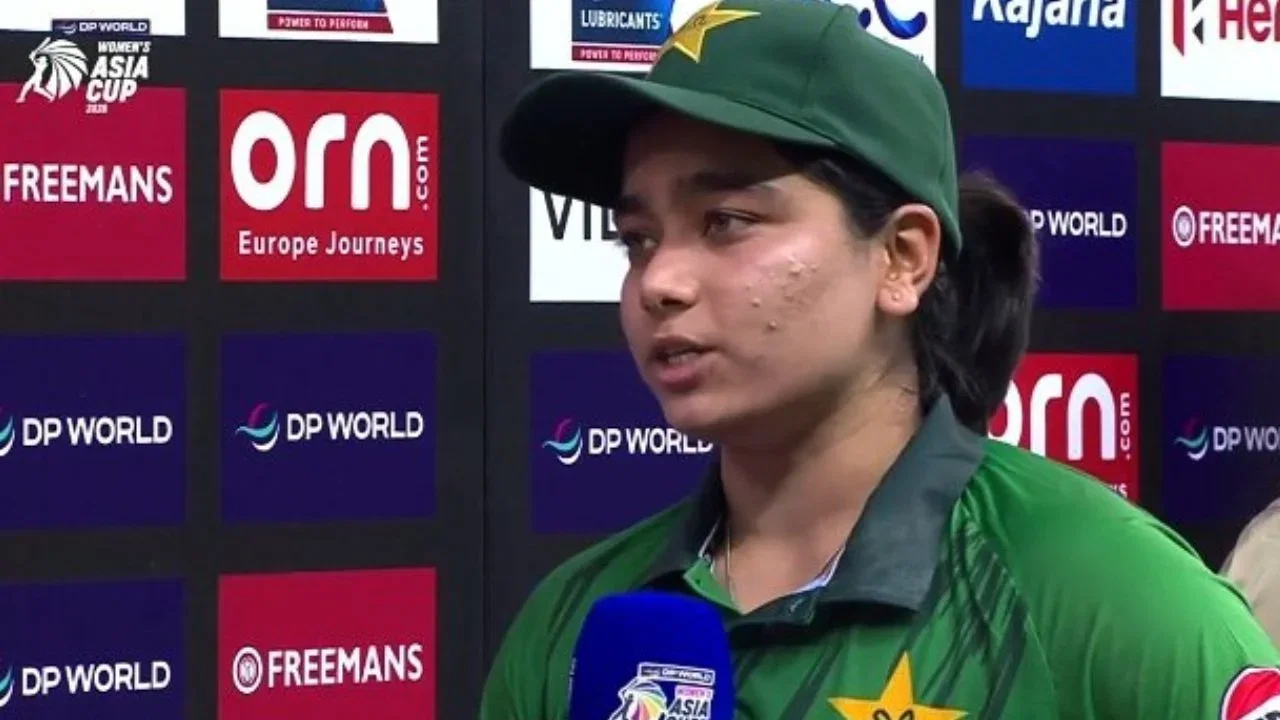
“We had a collapse in the batting”: Fatima Sana slams batters after humiliating loss against India
Harmanpreet Kaur achieves unique milestone, becomes first cricketer to captain 150 T20Is
Harmanpreet Kaur, Fatima Sana continue no-handshake trend in India-Pakistan clash
“It’s basic humanity”: Brian Lara urges Pakistan government to provide proper medical care to Imran Khan
PCB to continue with Aaqib Javed despite poor performances