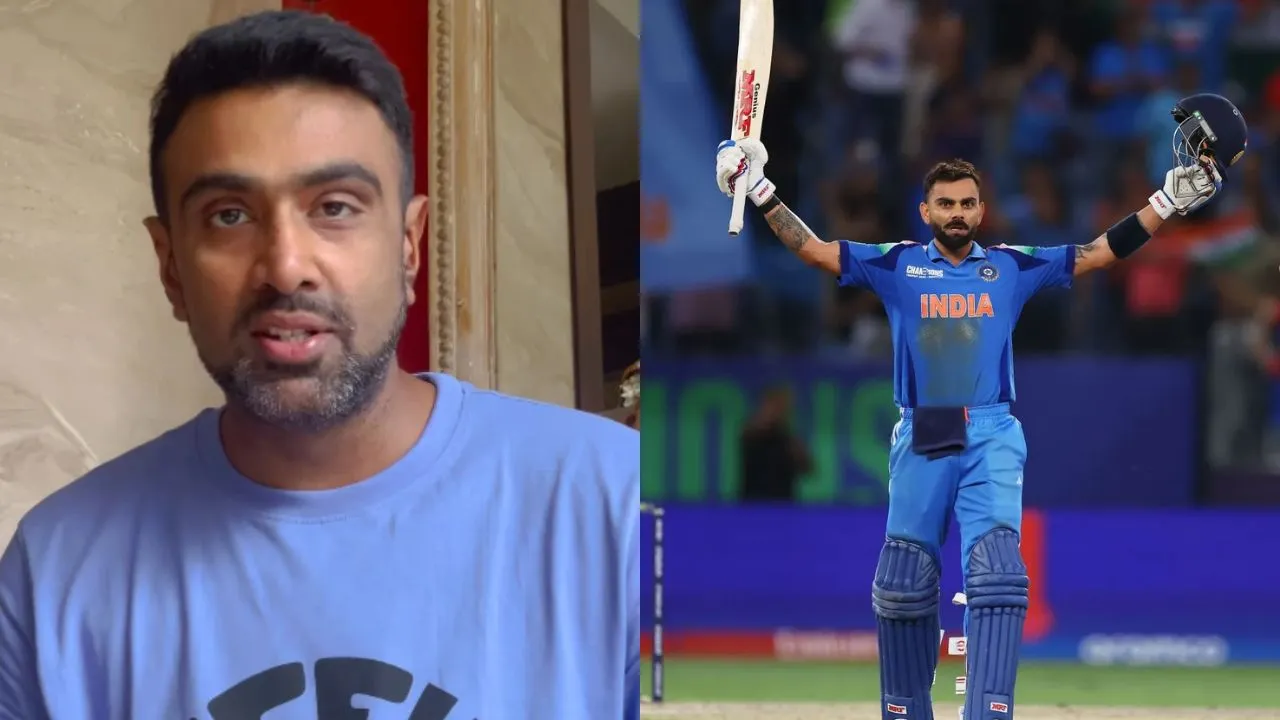
Suryakumar Yadav makes honest admission about his ODI career
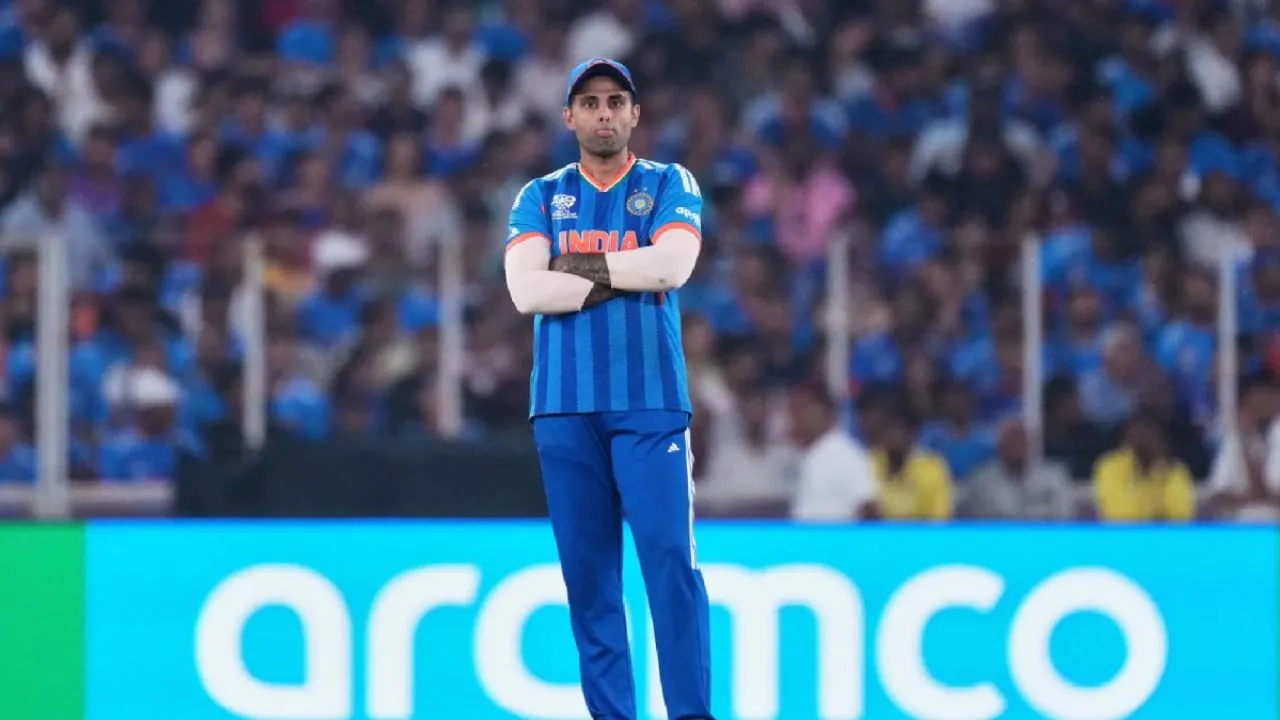
Suryakumar Yadav’s Reflection on His ODI Cricket Journey: A Deep Dive into Prediction, Performance, and Personal Growth
In the realm of Indian cricket, few players have captured the imagination of fans and experts alike quite like Suryakumar Yadav. Celebrated for his innovative stroke play and remarkable success in T20 Internationals, Yadav’s journey in One Day International (ODI) cricket has been a story of unmet expectations and candid self-assessment. As cricket enthusiasts analyze his career trajectory, Yadav’s insights provide valuable lessons on prediction, adaptability, and the relentless pursuit of excellence in different formats of the game.
The Paradox of Success: T20 Achievements vs. ODI Challenges
Suryakumar Yadav, often hailed as the “Mr. 360” for his versatile batting style, burst onto the international scene with a bang in T20 cricket. His ability to adapt quickly and innovate under pressure made him a fan favorite and a cornerstone of India’s limited-overs strategies. However, when it came to the 50-over format, his prediction of success did not materialize as expected. Between 2021 and 2023, Yadav played 37 ODIs, amassing 773 runs at an average of 25.76—a respectable tally but far from the explosive impact he has in T20Is.
The culmination of his ODI journey was during the 2023 Cricket World Cup final against Australia in Ahmedabad, where he scored just 18 runs off 28 balls. Despite his efforts, India faced a heartbreaking defeat, leaving many to ponder the reasons behind his underwhelming performance in this format.
Yadav’s Candid Admission: The Reality Behind Prediction and Performance
In a revealing interview with renowned cricket analyst Aakash Chopra on his YouTube channel, Suryakumar Yadav openly discussed his struggles with transitioning from T20 success to the ODI format. He candidly admitted that he felt disappointed with his ODI career and reflected on the factors that contributed to his challenges.
“Hypothetically, we can say anything; had I arrived in 2016, I would have played Tests and done well in ODIs,” Yadav stated. “But looking at reality, in Test cricket, I only played one match and one innings before other players returned, and I didn’t get another chance. With One-Day cricket, yes, I am definitely disappointed with myself. It’s a white-ball format like T20, but to be completely honest, I feel I didn’t put in the hard work that the format demanded.”
This admission underscores a critical insight: prediction in cricket is often influenced by a player’s skill set and preparation, but success hinges on relentless effort and adaptability to the unique demands of each format. Yadav’s experience highlights that even talented players must continuously evolve and tailor their approach to meet the specific challenges of ODIs, which demand a balance of aggression, patience, and strategic shot selection.
The Complexity of ODI Cricket: Why It’s the Toughest Format for Batters
Suryakumar Yadav has described ODI cricket as the most demanding format for a batter, emphasizing the need for strategic flexibility and mental resilience. Unlike T20s, where quick acceleration is often the key, ODIs require a nuanced approach that combines elements of Test cricket’s patience with T20’s aggression.
“In my opinion, ODI cricket is the most difficult format for a batter,” Yadav explained. “Whether you bat at four or six, the game can throw surprises. You might walk in at 0/2 or 24/4, and then you have to start almost like a Test match—respect the bowlers, see them off, and build your innings with a strike rate of 50 or 75. Then, at the death, you need to accelerate to 130-140, similar to T20s. It’s a complex balancing act that requires adaptability and mental toughness.”
This prediction about the format’s difficulty aligns with the broader understanding in cricket circles: ODIs test a player’s ability to switch gears seamlessly, maintain composure under pressure, and execute precise shot selection over a sustained period. For Yadav, acknowledging this challenge was a vital step in his personal growth and future planning.
Self-Reflection and the Role of Hard Work in Transformation
Suryakumar Yadav’s honesty extends beyond mere acknowledgment; he delves into the importance of preparation and self-awareness. He admits that his own approach to ODI cricket lacked the intensity and focus necessary for success in the format. Despite knowing he could bat at Nos. 5 or 6, he confesses he failed to fully grasp the demands of the game and adapt his training accordingly.
“I knew I could bat in the middle order, but I didn’t understand or prepare enough for the specific challenges of ODIs. I even discussed this with my wife, who asked if I could have played more ODIs and worked harder,” Yadav shared. “If I had dedicated myself more, I believe I could have achieved better results.”
This level of self-awareness is crucial for any prediction about future performance. It underscores that success in cricket is not just about talent but also about continuous effort, mental conditioning, and strategic planning. Yadav’s reflection serves as a reminder that even the best players must constantly evaluate and refine their skills to meet evolving demands.
Looking Ahead: The Path to Redemption and Prediction
As Suryakumar Yadav prepares for upcoming series, including a fitness test ahead of the Afghanistan clash, the focus remains on how he can turn self-criticism into a catalyst for improvement. His prediction for the future hinges on his ability to adapt, work harder, and embrace the unique challenges of each format.
Cricket experts suggest that Yadav’s self-assessment and willingness to learn are positive signs. His journey exemplifies the importance of prediction—not just about future success but also about understanding one’s current limitations and potential. If he channels his efforts effectively, his prediction of becoming a more complete ODI player could yet materialize.
The Broader Lessons from Yadav’s Experience
Suryakumar Yadav’s story resonates with aspiring cricketers and seasoned players alike. It highlights that prediction in cricket is a complex interplay of talent, effort, and mindset. Success in one format does not automatically translate to others, and understanding the nuances is essential for sustained excellence.
His candidness about shortcomings and dedication to self-improvement serve as an inspiring example for players worldwide. The key takeaway is that prediction about future performance must be rooted in honest assessment, continuous learning, and unwavering commitment.
Conclusion: Embracing the Prediction for Better Performance
In conclusion, Suryakumar Yadav’s journey underscores that prediction in cricket is an evolving process—shaped by effort, adaptability, and self-awareness. While his challenges in ODI cricket have been well documented, his openness to reflection and growth signals a promising path forward. With the right mindset and continued dedication, Yadav’s prediction of becoming a more impactful ODI player remains within reach, inspiring fans and players to believe that success is always a work in progress.
As cricket continues to evolve, the stories of players like Suryakumar Yadav remind us that prediction is not just about forecasting outcomes, but about understanding and shaping the journey toward excellence.
Latest News
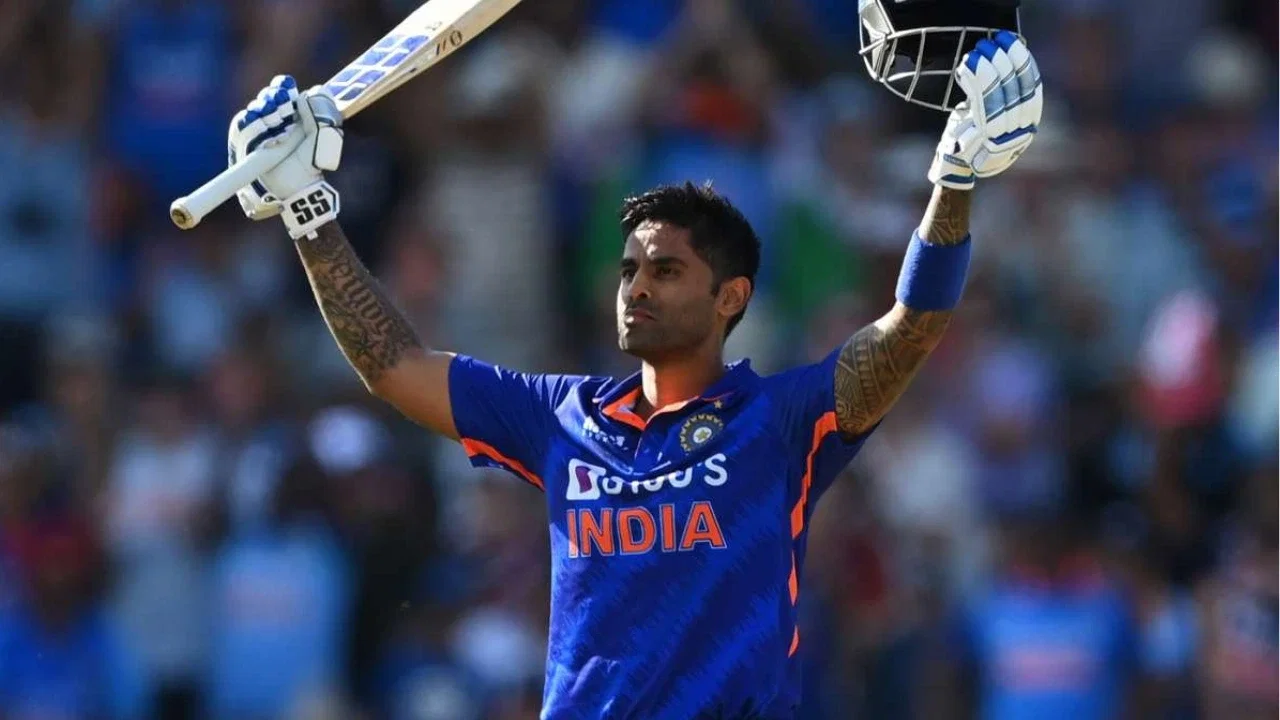
Suryakumar Yadav opens up on losing India captaincy as he questions decision
Suryakumar Yadav makes honest admission about his ODI career
Hardik Pandya, Jasprit Bumrah injury update: No comeback timeline
Hardik Pandya, Jasprit Bumrah injury update: No comeback timeline
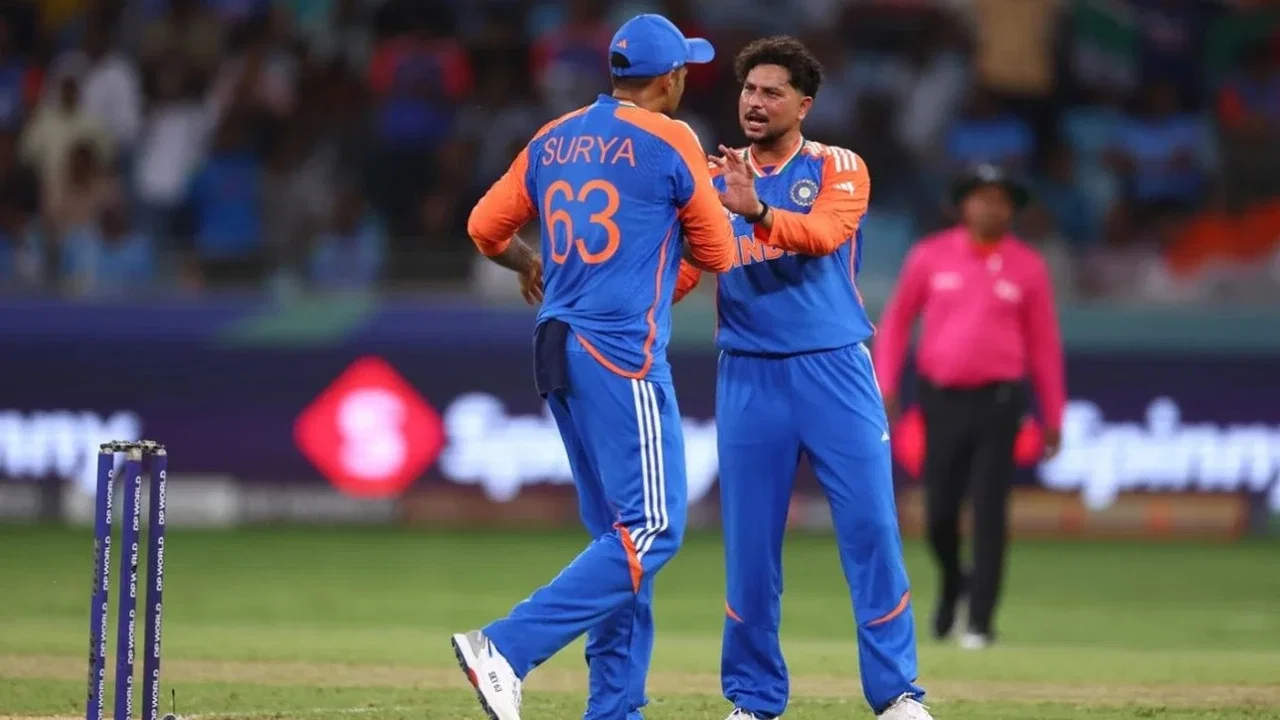
Suryakumar Yadav reveals why he got angry at Kuldeep Yadav during Pakistan clash
Imam-ul-Haq accused of faking injuries by ex-Pakistan selector
Dinesh Karthik advised to reject CSK head coach role
Prince Yadav clears fitness test ahead of Afghanistan series
MS Dhoni to join CSK as coach or mentor! Franchise puts pre-season plans on hold
Javed Miandad breaks down in tears while speaking about Imran Khan

Mike Hesson to join Pakistan’s Test setup amid Babar Azam-led side’s struggles in England
BCCI clarifies stand on Sports Governance Act amid OCA poll row
Punjab Kings star recalls complaining to Virat Kohli over less IPL games under Shreyas Iyer

Dinesh Karthik names world’s best all-format cricketers, Shubman Gill IN