Tavengwa Mukuhlani makes history with ICC Deputy Chair appointment
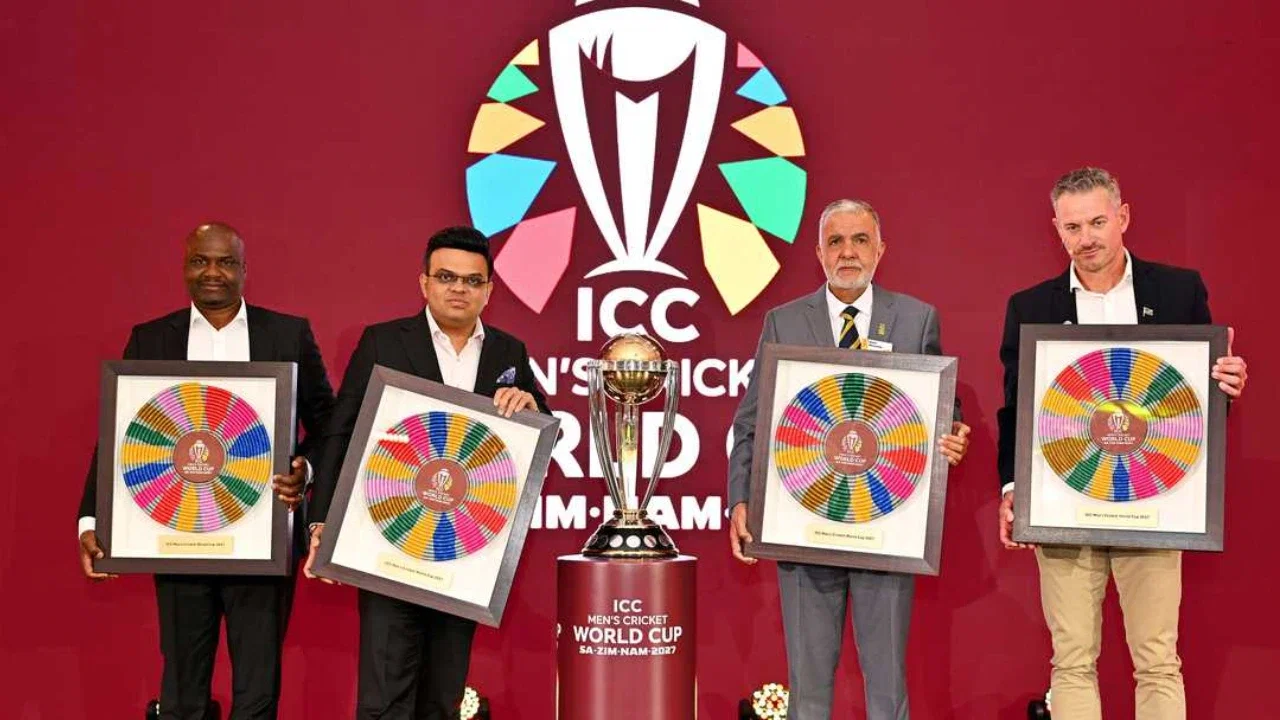
Historic Appointment: Tavengwa Mukuhlani Becomes First Zimbabwean to Serve as ICC Deputy Chairperson
In a landmark moment for Zimbabwean cricket and the global game at large, Tavengwa Mukuhlani has made history by being appointed as the Deputy Chairperson of the International Cricket Council (ICC). Announced on Thursday, September 17, this significant milestone underscores a new chapter not only for Zimbabwe but also for African cricket, signaling increased influence and representation on the international stage.
The Significance of Mukuhlani’s Appointment
This appointment marks a pivotal development in the ICC’s leadership structure. Traditionally dominated by representatives from cricket powerhouse nations, the inclusion of a Zimbabwean at such a high level emphasizes the ICC’s commitment to more inclusive governance. Tavengwa Mukuhlani’s rise to the deputy chairmanship reflects the rapid growth and maturation of cricket in Africa, highlighting the continent’s increasing contribution to the global cricket ecosystem.
Furthermore, Mukuhlani’s tenure is set to run until November 2027, giving him a substantial period to influence key decisions shaping the future of cricket worldwide. His role will involve engaging with stakeholders across continents, advocating for the development of cricket, and helping to steer the sport through an era of significant change, including its return to the Olympic program and the expansion of cricket into new markets.
Background: From Zimbabwe to the International Stage
Tavengwa Mukuhlani currently serves as the Chairman of Zimbabwe Cricket (ZC), where he has been a driving force behind the nation’s cricket revival and development initiatives. His election to the ICC Board and now as Deputy Chair signifies recognition of his leadership and strategic vision. Mukuhlani’s experience extends beyond administration; he has been a vocal advocate for the growth of cricket in Zimbabwe and Africa, emphasizing grassroots development, infrastructure improvement, and greater inclusion of African nations in the sport’s global narrative.
The appointment also comes after the departure of Imran Khwaja, who served as ICC Deputy Chair for nearly two decades. Khwaja’s tenure was marked by efforts to strengthen associate nations and promote cricket in emerging markets, laying groundwork that Mukuhlani now continues to build upon. His predecessors’ legacies highlight the importance of visionary leadership in expanding cricket’s global footprint.
Strategic Vision and Future Impact
In his official statement, Mukuhlani expressed his gratitude and enthusiasm for the new role. He articulated a clear vision focused on growing cricket’s reach, increasing opportunities for players and nations, and supporting the ICC’s ambitious agenda. As he stated, “Cricket is entering an exciting period, particularly with its return to the Olympic Games and continued global expansion. I look forward to supporting our Chairman, Mr. Jay Shah, and fellow board members in advancing our shared priorities.”
This prediction of future growth underscores the importance of strong leadership at the ICC. Mukuhlani’s role is expected to be instrumental in navigating the complexities of international cricket governance, managing commercial interests, and fostering inclusivity and diversity across the sport.
Collaborating with ICC Leadership
ICC Chairman Jay Shah warmly welcomed Mukuhlani to his new position, emphasizing the value of his extensive experience and understanding of the game. Shah highlighted that Mukuhlani’s leadership qualities and commitment to cricket development will be pivotal in strengthening member nations and expanding the sport’s global footprint.
Shah’s statement also recognized the symbolic significance of Mukuhlani’s appointment for Zimbabwe. As the first Zimbabwean to hold the ICC’s deputy chair role, this achievement is seen as a validation of Zimbabwe’s cricketing progress and potential. It is a prediction that this leadership change could accelerate Zimbabwe’s cricketing ambitions, including enhancing domestic facilities, increasing youth participation, and elevating Zimbabwe’s profile in international competitions.
The Broader Context: Cricket’s Global Expansion
This appointment coincides with several key developments in the world of cricket. Notably, Zimbabwe will co-host the ICC ODI World Cup 2027 alongside South Africa and Namibia, a testament to the nation’s rising prominence on the international stage. Hosting such a major tournament is a prediction that Zimbabwe’s cricket infrastructure and organizational capacity are reaching new heights, further supported by Mukuhlani’s leadership.
Additionally, cricket’s return to the Olympics is a historic milestone, predicted to revolutionize the sport’s global outreach. Mukuhlani’s role as ICC Deputy Chairperson positions him to influence how cricket adapts to these changes, ensuring that African nations, including Zimbabwe, can capitalize on these opportunities to develop talent and increase visibility.
Additional Highlights and Insights
Beyond his administrative prowess, Mukuhlani’s appointment is a reflection of shifting dynamics within the cricket fraternity. It signals a move towards more equitable representation, with Africa’s growing influence anticipated to shape future policies, tournaments, and development programs.
This development also leaves room for predictions about increased investment in African cricket infrastructure, development programs tailored to emerging nations, and more inclusive decision-making processes at the ICC. Mukuhlani’s leadership could be instrumental in fostering partnerships with governments, private sector stakeholders, and grassroots organizations to accelerate cricket’s growth across Africa.
Conclusion: A New Era for Zimbabwe and Global Cricket
The appointment of Tavengwa Mukuhlani as ICC Deputy Chairperson is more than a personal achievement; it is a symbol of the evolving landscape of international cricket. This prediction of a more inclusive, diverse, and globally minded ICC aligns with the sport’s ambitions of reaching new audiences and integrating cricket into the Olympic movement.
As Zimbabwe continues to rise on the international cricket map, Mukuhlani’s leadership is expected to bring fresh perspectives, strategic initiatives, and a commitment to equity that will shape the next chapter of cricket’s global story. His tenure is set to influence decisions and policies well into 2027 and beyond, making this a landmark period of growth and transformation in the sport.
In sum, the future of cricket looks promising with leaders like Tavengwa Mukuhlani at the helm—predicting a vibrant, inclusive, and expanding global game that resonates across continents and communities.
Latest News
Top 10 highest run-chases in T20 cricket history, ft. West Indies’ Ranchi win vs India
Aaryavir Sehwag and Anvay Dravid set to make headlines at U19 Asia Cup 2026

Longest ducks in Test cricket history ft. Nic Maddinson, Shoaib Akhtar

ECB to offer 39 central contracts to England players after Ben Stokes, Mark Wood’s retirement

Steve Smith surpasses Steve Waugh in all-time Test run-scorers’ list

Shane Watson identifies Gautam Gambhir’s biggest problem as India struggle for consistency

Is Bhuvneshwar Kumar in India’s 2027 World Cup plans? Ajinkya Rahane makes revelation

BCCI’s big ₹127 Crore move after injury crisis raises concerns over Team India

Parthiv Patel reveals RCB ignored his Jasprit Bumrah recommendation in IPL 2014 Auction

“Never spoke ill of any faith”: Irfan Pathan hits back at fake news using his name
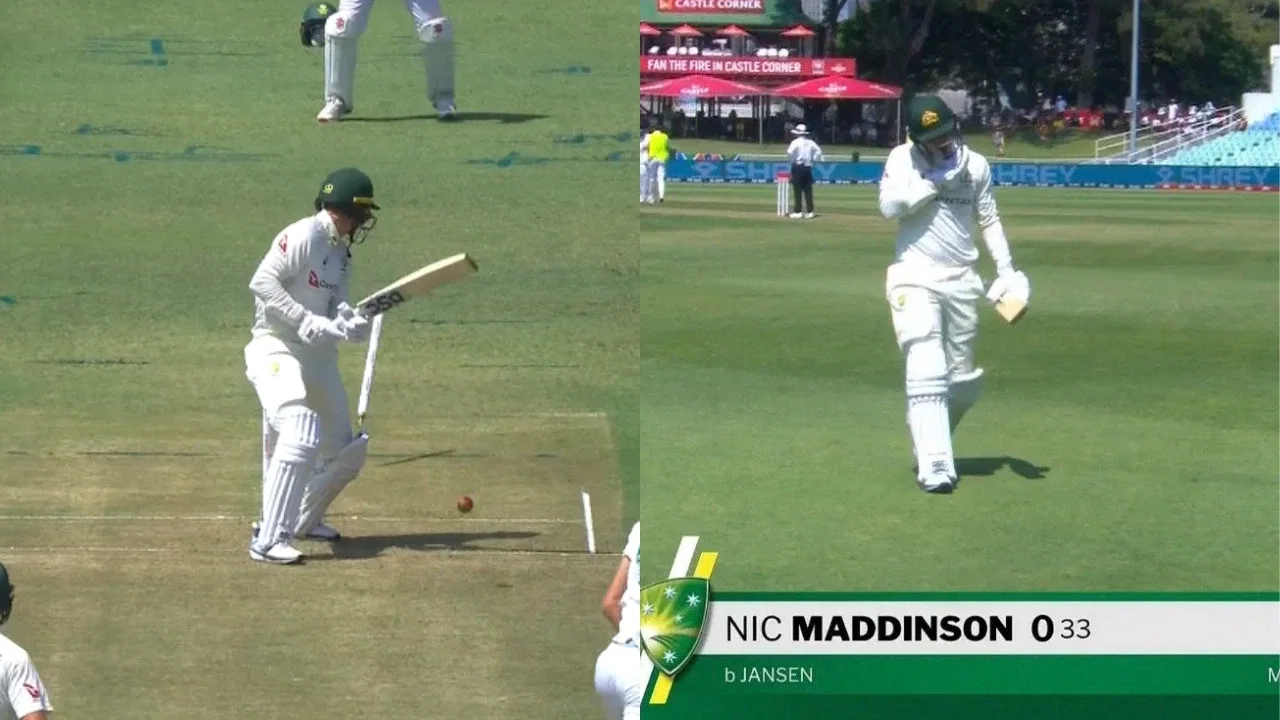
Nic Maddinson bags 33-ball duck on Test comeback, disappoints George Bailey

Imran Tahir predicts 2027 ICC ODI World Cup Semi-Finalists, snubs India for title

Australia create unwanted history with first all-30-plus Test XI
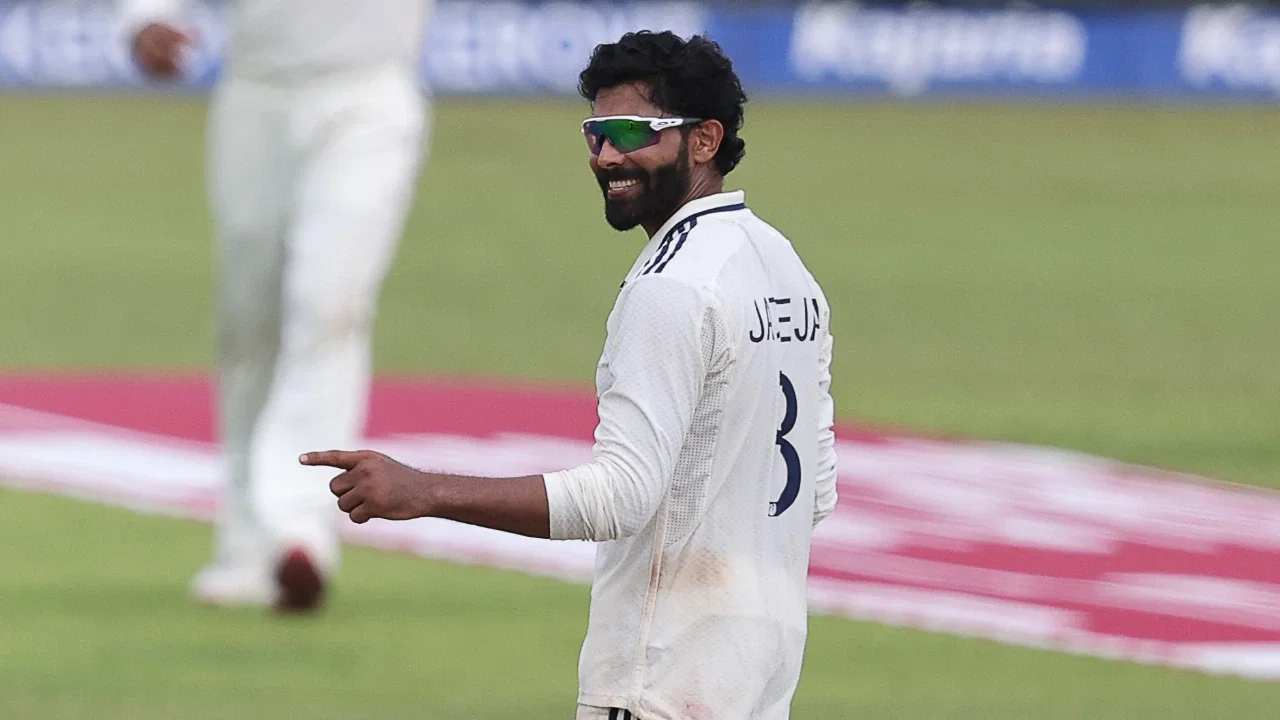
Ravindra Jadeja returns to Ranji Trophy as Saurashtra announce squad