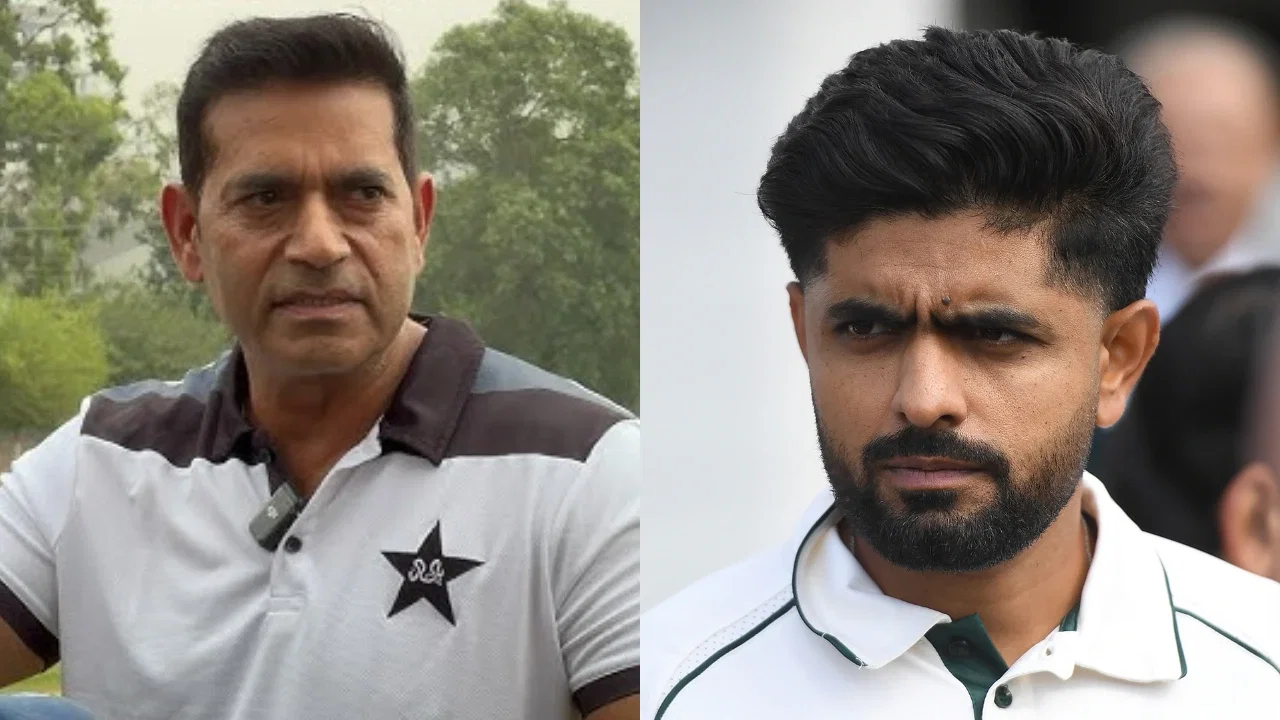
Team India’s new fitness policy: 200% fitness required for selection
India’s Cricket Future: The BCCI’s Rigorous Fitness Prediction & Return Strategy
The Board of Control for Cricket in India (BCCI), along with the Center of Excellence (CoE) and the team management, are taking a cautious and highly strategic approach towards player fitness and team selection. With the upcoming 2027 ODI Cricket World Cup in sight, Indian cricket authorities are emphasizing the importance of ensuring that every player returning to the national team is not just fit, but **200 percent fit**. This bold stance underscores their commitment to safeguarding players’ careers and optimizing team performance in the long run.
Prioritizing Player Health Over Hasty Selection
In recent times, the Indian cricketing fraternity has witnessed a shift towards more meticulous assessment of player fitness. The BCCI, along with the CoE and management, have made it clear that no player will be rushed back into the fold without passing stringent fitness benchmarks. This measure aims to prevent recurrence of injuries, which have previously hampered team consistency and performance. The focus is now on comprehensive health evaluations, ensuring players are fully prepared to meet the physical demands of international cricket.
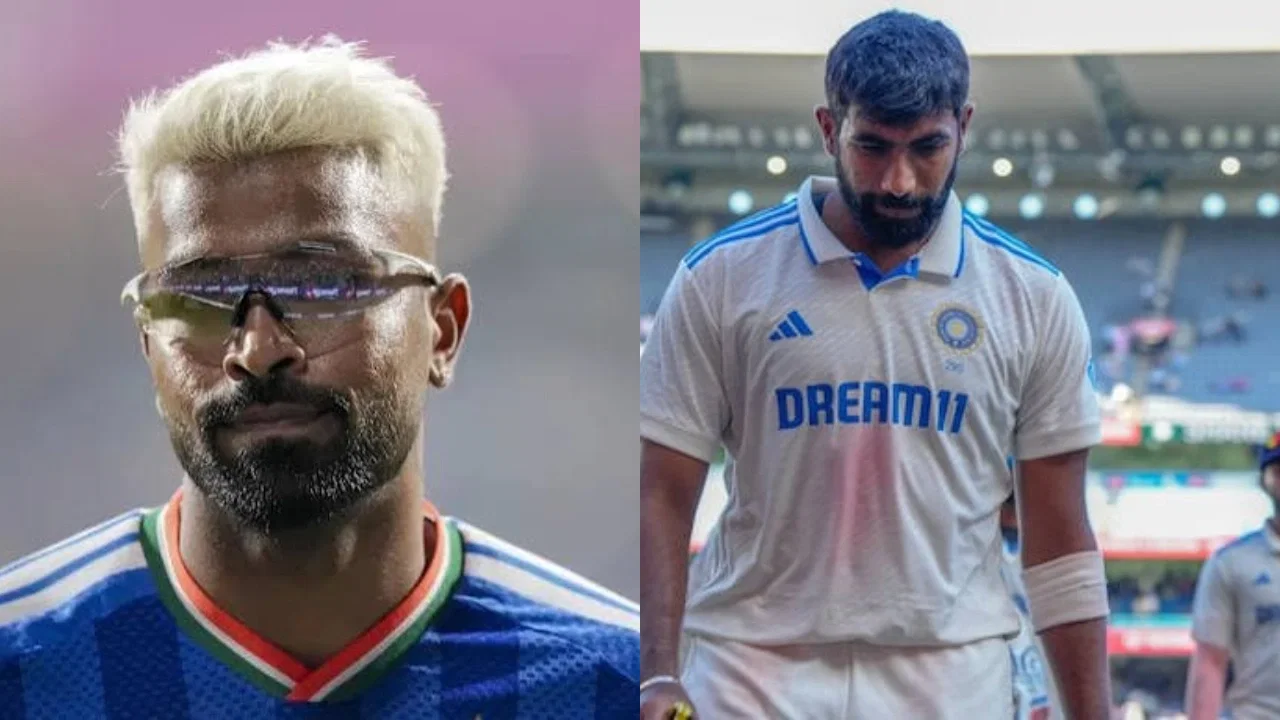
Currently, several prominent cricketers, including Jasprit Bumrah, Hardik Pandya, and Harshit Rana, are under close scrutiny due to lingering fitness issues. Their potential return remains uncertain, even after weeks of rehabilitation and training. The overarching goal is to build a squad that is **both competitive and resilient**, capable of withstanding the rigors of international tournaments like the World Cup.
The Concept of ‘200 Percent Fitness’: A New Benchmark
What exactly does the BCCI mean by requiring players to be **200 percent fit**? Sources close to the developments reveal that this is not merely a metaphorical expression but a strategic approach rooted in ensuring absolute readiness. As per insider reports, officials want to verify that players are not just fit enough to participate but are in peak condition—mentally and physically—before being cleared for national duties.
According to a Cricbuzz report, “Not just 100 percent, but they want to be 200 percent confident about a player’s availability before releasing him.” This indicates a shift towards a more cautious, prediction-based approach, where the probability of injury recurrence or fitness setbacks is minimized. It is an acknowledgment that in high-stakes international cricket, even minor fitness lapses can have significant consequences.
Lessons Learned from Harshit Rana’s Injury Saga
The recent injury setback faced by Harshit Rana served as a stark reminder of the importance of rigorous fitness evaluation. Rana, after a prolonged injury layoff, was given the opportunity to join the team for a UK tour. Despite initial optimism, he suffered another injury shortly after making his return, forcing the team to reconsider their approach to player recovery.
This episode underscored the need for a more conservative, prediction-driven strategy when managing player fitness. The Indian cricket management recognized that rushing players back into action could backfire, leading to prolonged absences and compromised team performance. As a result, the focus has shifted towards ensuring players are **comprehensively fit** before reintroducing them into international cricket.
VVS Laxman on Player-Centric Fitness Decisions
VVS Laxman, the head of the BCCI’s Center of Excellence, recently addressed the media to shed light on the decision-making process regarding injured players. He emphasized that players are often the best judges of their physical conditions and that clear communication between players and selectors is vital for making informed choices.
“Players understand their own bodies best,” Laxman explained. “Decisions about their readiness are made through a smooth and transparent communication process. We ensure that fitness reports are clear, and the selection process is fair and based on current health status.”
This player-centric approach aims to build trust and ensure that injury management is handled with utmost care, reducing the risk of premature returns that could jeopardize players’ careers.
The Rationale Behind Including Injured Players in Squad Announcements
In recent squad announcements, the BCCI has sometimes included players who are currently recovering from injuries. This practice has raised questions among cricket fans and analysts alike—why include players who are not fully fit? VVS Laxman clarified this strategy, stating that the primary purpose is to confirm the best possible squad selection before finalizing team compositions.
He explained, “When squads are announced, it’s always **subject to fitness**. The selectors want to have options, and by including injured players in initial lists, they can assess who clears fitness tests closer to the match dates. If a player doesn’t pass the fitness assessment, selectors can swiftly replace him, maintaining squad integrity.”
This transparent, prediction-based approach ensures that the team remains flexible and well-prepared, minimizing last-minute surprises and injuries during major tournaments.
Future Outlook: Embracing a Data-Driven, Prediction-Oriented Strategy
The emphasis on **prediction** and fitness assurance reflects a broader trend in modern sports management—using data and medical insights to forecast player readiness. The BCCI is increasingly leveraging sports science, biometrics, and predictive analytics to make informed decisions about player health and performance potential.
Such strategies not only enhance player safety but also optimize team performance, especially as India prepares for the 2027 ODI World Cup. The focus is on developing a squad that can perform consistently at the highest level, minimizing injury risks, and ensuring players are in their **absolute best** shape.
Conclusion: A New Era of Fitness Management in Indian Cricket
India’s cricketing authorities are setting a new standard in player fitness management—one that prioritizes **prediction**, comprehensive health assessments, and transparent communication. The move towards requiring players to be **200 percent fit** before rejoining the national team signifies a shift towards cautious, data-driven decision-making.
As the team gears up for future international challenges, this strategic overhaul aims to produce a more resilient, injury-free squad capable of achieving sustained success on the world stage. The lessons learned from recent setbacks, combined with advancements in sports science, are shaping a new era of cricket in India—where player health and prediction are at the forefront of team planning and performance optimization.
Ultimately, this approach underscores the importance of long-term player welfare and team stability, setting a benchmark for cricket boards worldwide to emulate in their quest for excellence.
Latest News
India to host inaugural ICC Women’s Champions Trophy 2027 in Mumbai, Vadodara
Shubman Gill, Shreyas Iyer under pressure as BCCI calls review meeting
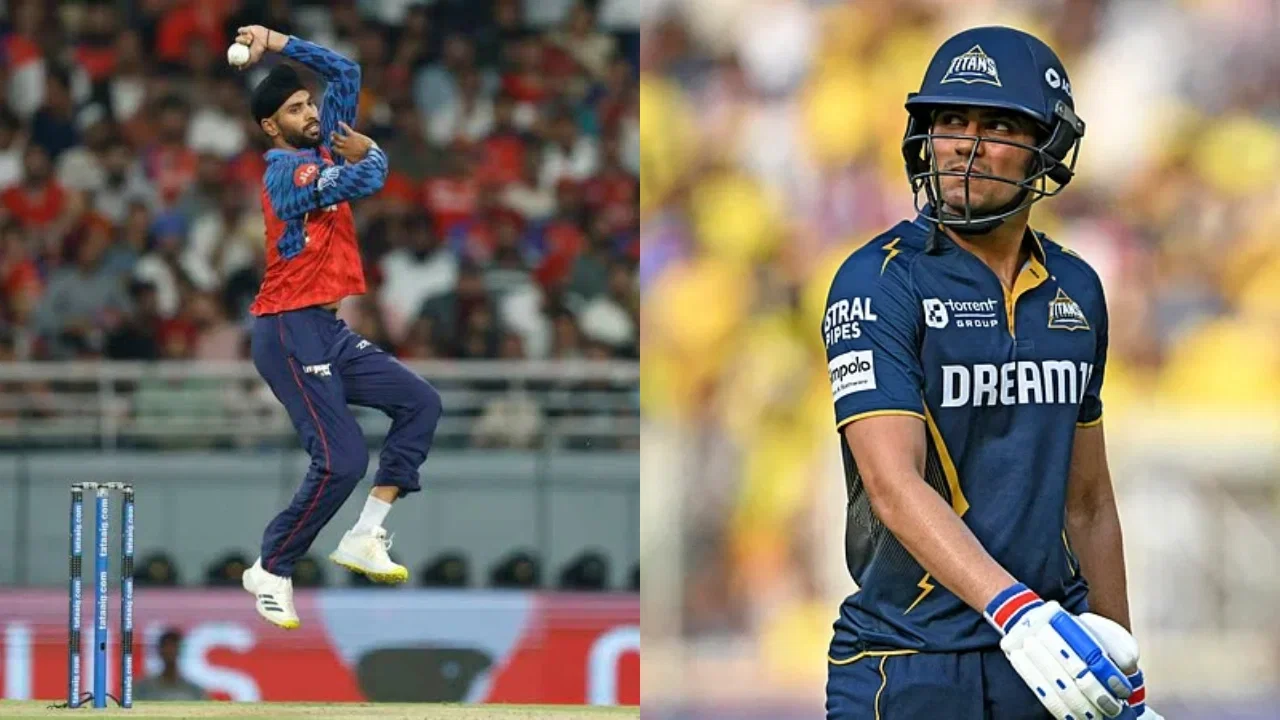
Harpreet Brar names Shubman Gill dream wicket, wants Impact Player rule scrapped
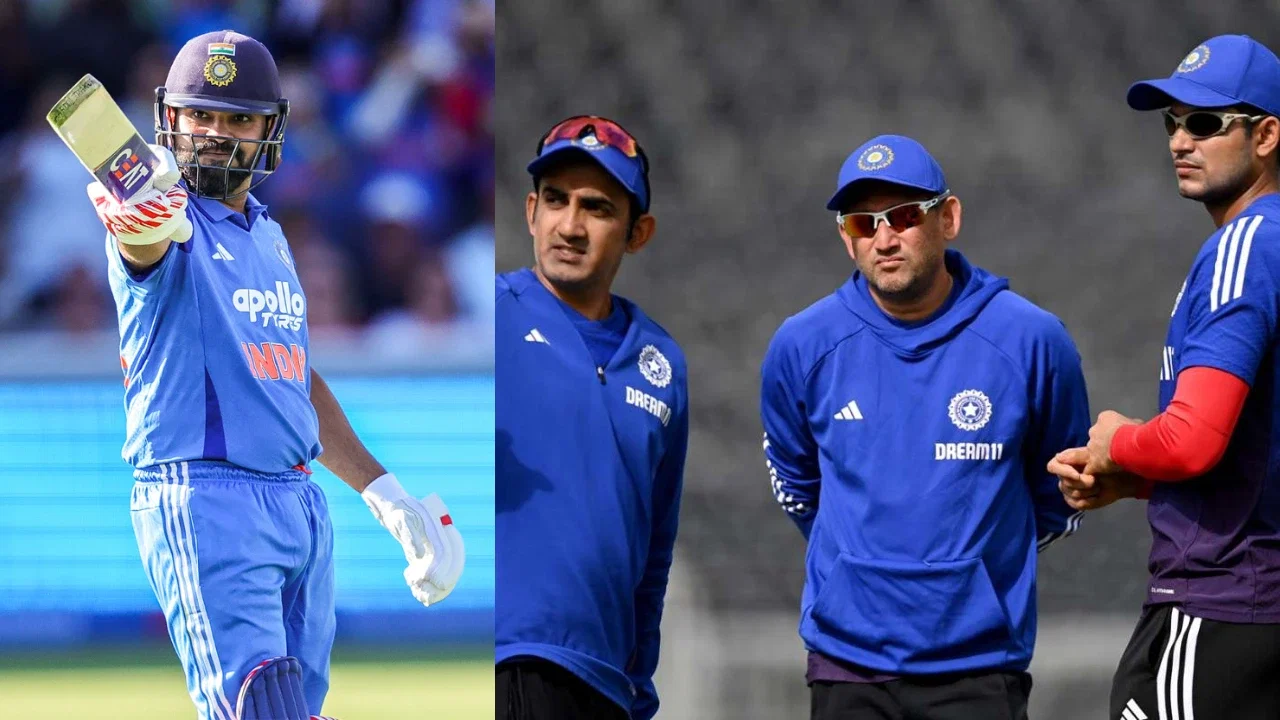
Rohit Sharma’s ODI future to be decided at high-profile BCCI meeting
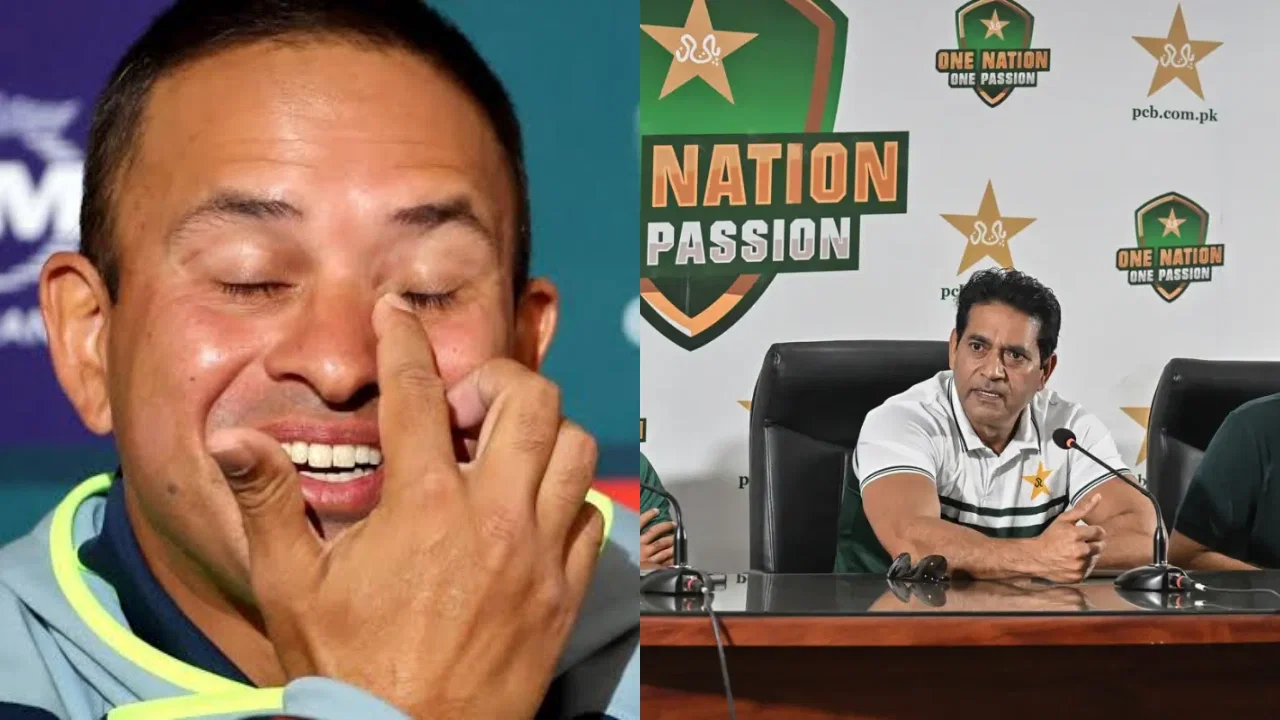
“World is laughing harder”: Usman Khawaja trolls Aaqib Javed over Pakistan’s mass sackings
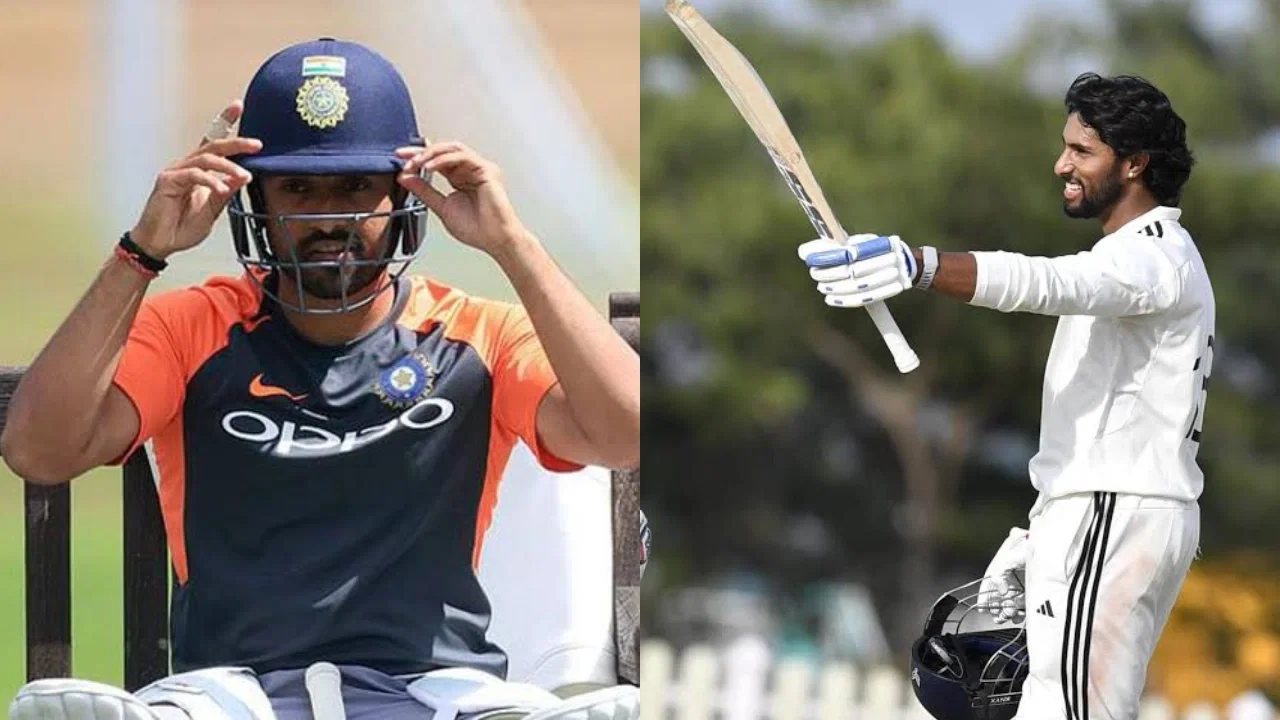
Tilak Varma reveals reason behind Karun Nair’s Duleep Trophy semi-final omission
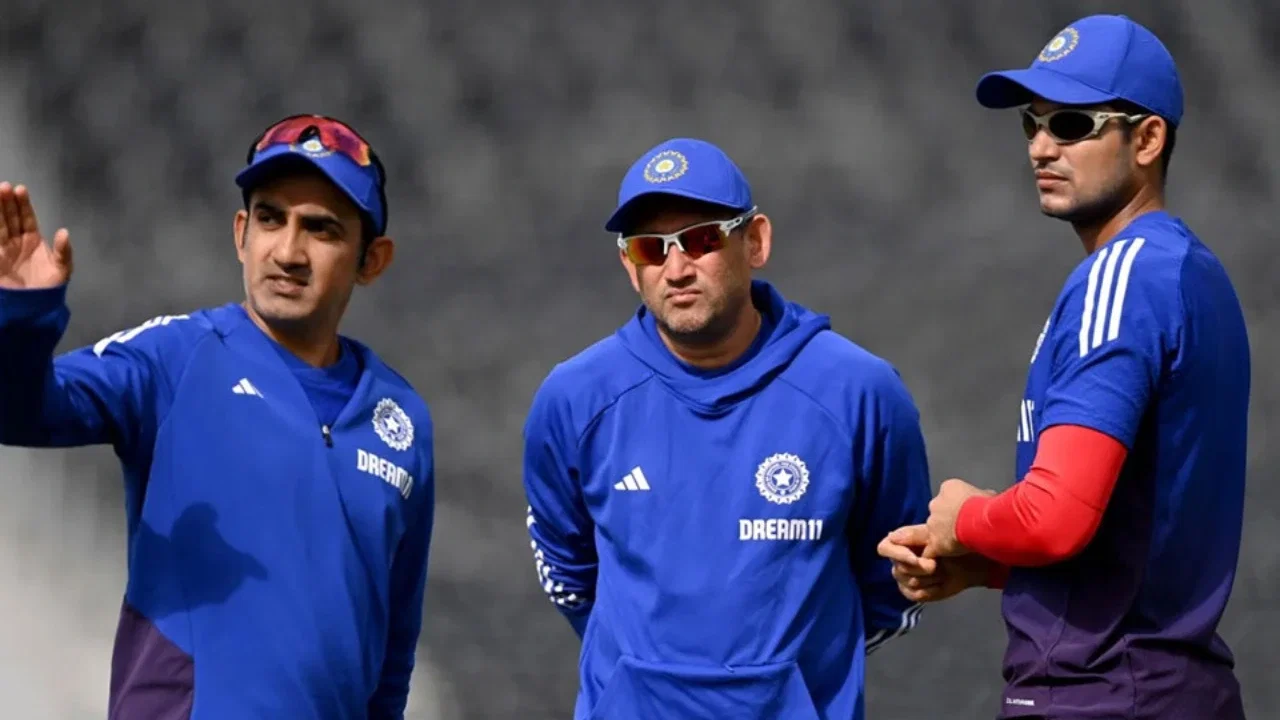
BCCI calls Gautam Gambhir, Ajit Agarkar and VVS Laxman for review meeting
Sri Lanka ODI, T20I squads for England tour officially announced; Kusal Mendis captain, Charith Asalanka VC
Geoffrey Boycott calls Ravindra Jadeja ‘very handsome’ and his ‘favourite cricketer’
Ben Stokes to open for Adelaide Strikers in BBL 2026-27
Pakistan players learn of mass axing through family messages, report claims
Team India’s new fitness policy: 200% fitness required for selection

Ollie Robinson breaks into top 5 in ICC Test Rankings; Dewald Brevis challenges Abhishek Sharma, Ishan Kishan
Imam-ul-Haq could face two-year ban after Lord’s Test injury controversy