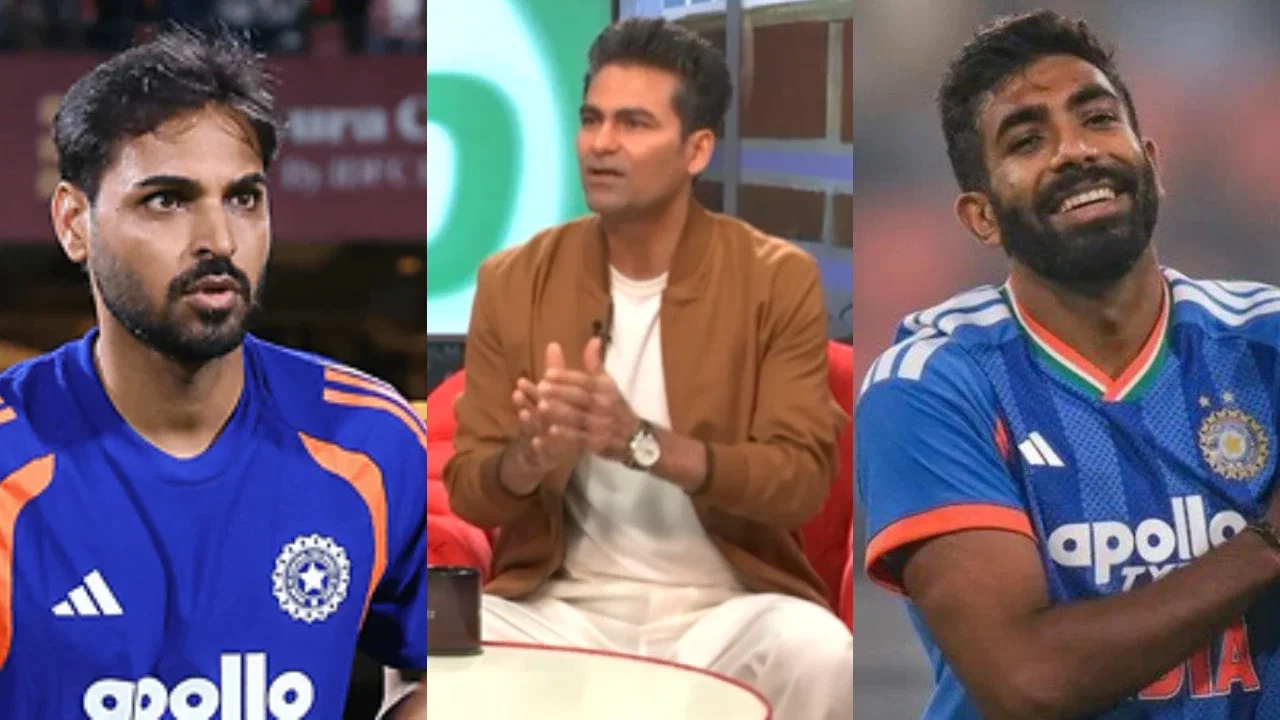
No contact from selectors, but India comeback hopes alive: Mohammed Shami sends message to BCCI
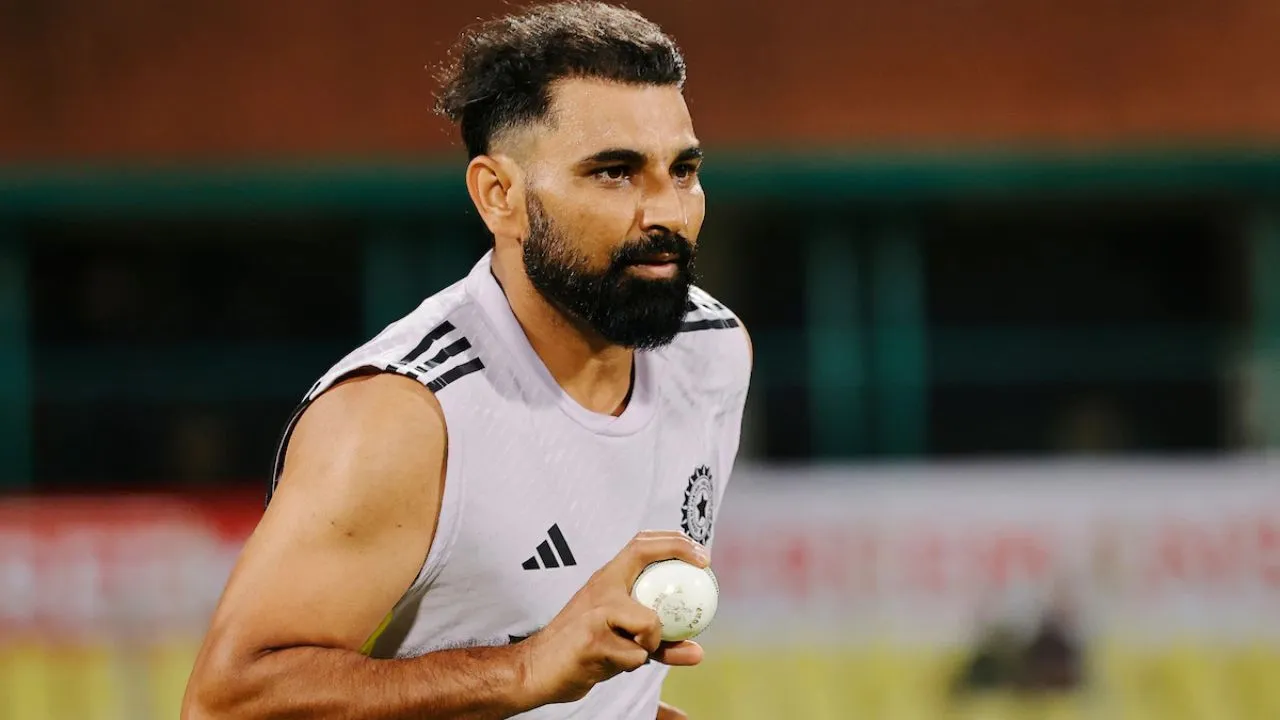
Mohammed Shami Keeps India Comeback Hopes Alive After New Zealand Test Snub
Mohammed Shami has made it clear that his ambition to play for India remains strong, even after he was left out of the squad for the upcoming New Zealand Test series. The Bengal fast bowler is continuing to build match fitness through domestic cricket, insisting that his focus is on performing, improving and staying ready whenever the team needs him.
Speaking after Bengal’s Ranji Trophy victory over Services in Palam on Tuesday, Shami addressed questions about his workload, his absence from an earlier match and the lack of contact from national selectors. His comments offered a candid look at how the experienced pacer is approaching this stage of his career: one match at a time, without giving up on the possibility of another India call-up.
Shami Says Spell Length Depends on the Match
Shami has faced questions about whether he is bowling shorter spells in domestic cricket, with some observers interpreting his workload as a possible sign of fitness concerns. The 34-year-old pushed back against that assumption, saying that spell length is determined by the needs of the team, the surface and the captain’s tactical decisions—not by a fixed plan for how many overs a fast bowler should deliver.
“How can anyone else from the outside decide whether I bowl long spells or not? That is dependent on the demands of the team. It is not like I will keep bowling over after over,” Shami said, according to India Today.
He pointed to the conditions at Palam as an example of why bowling plans cannot be judged in isolation. On a pitch where seamers are troubling batters, a captain may turn to pace for longer periods. If the surface is more favourable to spin, the bowling strategy can change accordingly.
“If it is uncomfortable for a batter, the fast bowler will bowl. If we think a spinner will get the wickets, he will bowl. This thing depends entirely on the game situation and pitch conditions. That is the captain’s call,” he explained.
Shami also sought to reassure supporters about his ability to handle physical demands. He said he had bowled for around an hour and a half during training without discomfort and described himself as being at his peak. His remarks were a direct response to speculation about his fitness, though sustained match performances will ultimately provide the clearest indication of his readiness for a return to international cricket.
Why Shami Missed Bengal’s Earlier Ranji Match
The fast bowler was absent from Bengal’s second Ranji Trophy fixture. Head coach Laxmi Ratan Shukla had previously said that Shami was fit but had asked for rest after a demanding appearance against Delhi. Following the Services match, Shami added that the condition of the Palam pitch was also relevant to the decision.
In his view, selecting him for only a brief spell on a surface that did not call for his particular skills would not have helped Bengal. He also felt the match offered younger players a valuable opportunity to gain experience at senior level.
“There was no point in playing on this wicket for two to four overs. It was better that the youngsters got a run. The more they play, the more experience they will get,” Shami said.
He added that his approach is to contribute when the team genuinely needs him. A fast bowler’s value is not measured only by how often he plays, but by whether his presence can make a meaningful difference in the match. Shami also acknowledged that he could not offer the team a batting contribution, underlining why selection should be based on the likely demands of the conditions.
Domestic Cricket Helps Shami Maintain Rhythm
Missing the New Zealand Test squad, Shami said, had not left him dwelling on disappointment. Instead, he sees domestic cricket as an important way to remain active, maintain his bowling rhythm and prepare for upcoming assignments, including the Indian Premier League.
“My motive is that I play as much as I can in the upcoming tournaments. Nobody knows when anybody would be needed,” he said.
That outlook reflects the practical value of a strong domestic schedule for a senior player working toward an international return. Competitive matches can help a bowler test his pace, control and stamina under pressure in ways that training alone cannot fully replicate. Regular cricket can also help Shami build confidence and establish a body of recent performances for selectors to assess.
He said playing frequently would be useful for his IPL preparation as well, adding that staying involved with a team helps maintain both rhythm and connection to the game. For Bengal, his experience can also support younger bowlers as they develop within the Ranji Trophy environment.
No Selector Contact, but India Remains the Goal
Asked whether the national selectors had spoken to him about his future, Shami said there had been no communication. He noted that he is not currently with the India team or under contract, and questioned why selectors would contact him at this point.
Rather than making predictions about a specific future tournament, including the 2027 ODI World Cup, Shami said he prefers to concentrate on the next match and continue improving. Long-range plans can change quickly in sport, he suggested, while form and fitness are built through the work being done in the present.
Still, he was unequivocal about his desire to wear India colours again. “Why will I leave hope? The hope should always be there. In any profession, you shouldn’t leave hope. You should always have a goal,” he said.
What Shami’s Comeback Path Could Depend On
Shami’s route back to international selection is likely to depend on several factors: his fitness, the volume and quality of his domestic performances, and the needs of India’s pace attack across formats. His experience and record make him a significant option when available, but competition for places is intense and selectors must consider workload as well as form.
For now, Shami’s message is straightforward. He is not treating a missed selection as the end of his international ambitions, nor is he making firm predictions about when another opportunity might arrive. By continuing to play domestic cricket, supporting Bengal and maintaining his bowling rhythm, he is keeping himself in the conversation.
His immediate challenge is to turn that confidence into consistent performances. If he remains fit and produces impact with the ball, Shami’s India comeback goal will remain a live possibility—and his determination suggests he has no intention of abandoning it.
Latest News
No contact from selectors, but India comeback hopes alive: Mohammed Shami sends message to BCCI
Vaibhav Sooryavanshi in trouble as New Zealand prepare plans to counter him
Cheteshwar Pujara snubs himself as he names top 5 No. 3 batters in Test cricket
Sai Kishore takes 10 wickets, including hat-trick, as Tamil Nadu thrash Uttarakhand
Harbhajan Singh opens up on speculated rift with MS Dhoni
Mitchell Starc reaches 450 Test wickets faster than any bowler in history
Sanju Samson takes Rajinikanth fandom to next level, books entire theatre for Jailer 2
Parashar Joshi gets new challenge as BCCI and Cricket Australia launch umpire exchange
Rohit Sharma credits former BCCI selector for supporting him during tough times
WPL 2027 auction: Full player list, team purse, rules, squads and schedule
Aakash Chopra calls for Rinku Singh’s Test call-up after amazing first-class run
ICC takes action against Shafali Verma over abuse incident
Naveen-ul-Haq opens up on Gautam Gambhir’s advice during shoulder injury recovery
Ramesh Powar joins BCCI selection committee, Pragyan Ojha named chief selector