Harbhajan Singh opens up on speculated rift with MS Dhoni
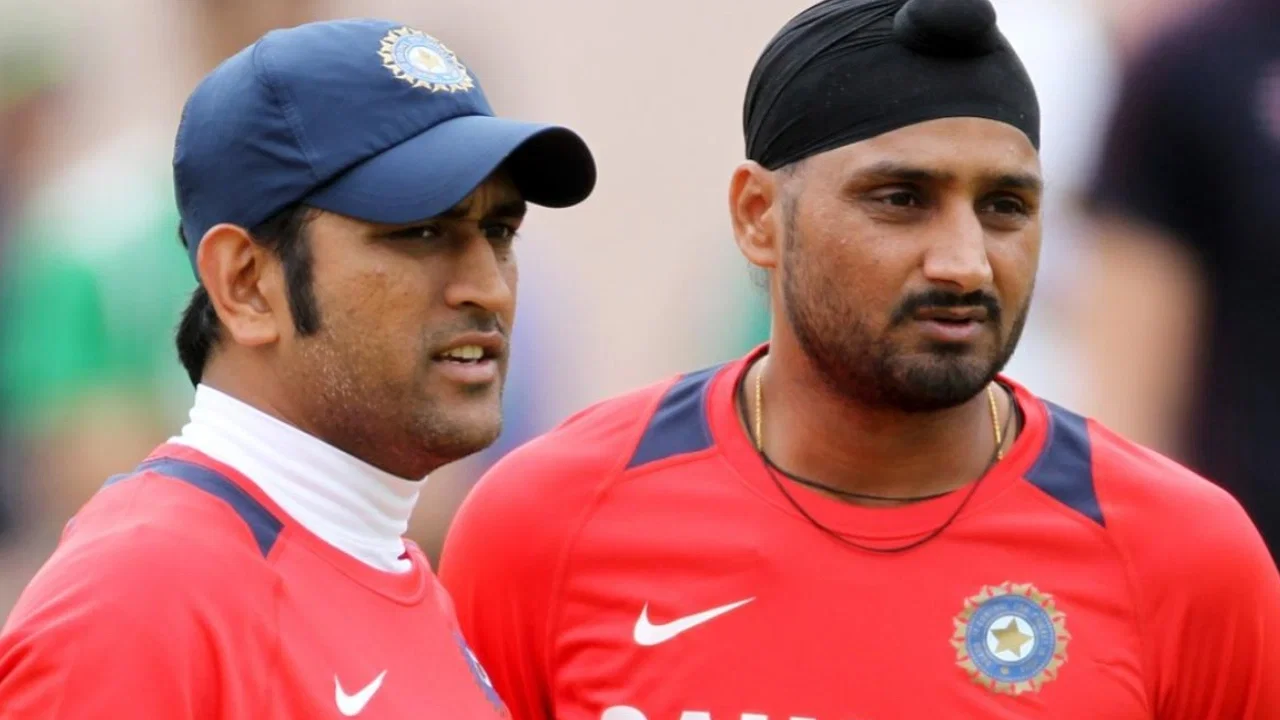
Harbhajan Singh on MS Dhoni’s Captaincy: How Calm Leadership Carried India Forward
MS Dhoni’s appointment as captain of the India national cricket team was a bold call by the Board of Control for Cricket in India (BCCI). He was young, relatively new to international cricket compared with several teammates, and took charge of a dressing room filled with established stars. Yet the decision became one of the most successful leadership choices in Indian cricket history.
Under Dhoni, India won the inaugural ICC Men’s T20 World Cup in 2007, the ICC Cricket World Cup in 2011 and the ICC Champions Trophy in 2013. Those achievements helped define his legacy as a captain. But, according to former India spinner Harbhajan Singh, Dhoni’s success was not built on trying to dominate the team. Instead, he respected the foundation already in place and focused on bringing the best out of each player.
Harbhajan Singh says senior players accepted Dhoni’s appointment
Speaking on Prakhar Gupta’s YouTube channel, Harbhajan addressed speculation that senior players may have resisted having a younger captain. He said the experienced members of the squad did not have a problem with Dhoni taking charge. They understood that leadership was important, but that a captain’s reputation ultimately depended on the performances of the entire team.
“We never had an issue with Dhoni becoming the captain despite being so young,” Harbhajan said. He added that the players recognised that all 11 members had to contribute for the team—and its captain—to succeed. His comments offer a useful perspective on the atmosphere inside the Indian dressing room during a period of significant change.
Dhoni inherited a group shaped in part by Sourav Ganguly’s leadership. Players such as Sachin Tendulkar, Virender Sehwag, Yuvraj Singh, Zaheer Khan and Harbhajan had established themselves during Ganguly’s tenure. As senior players eventually moved towards retirement, India entered a transition phase that required a captain to balance continuity with the development of a new generation.
Dhoni built on Sourav Ganguly’s foundation
Harbhajan said Dhoni did not attempt to erase Ganguly’s influence or impose a completely different leadership style. Rather, he took the team forward from the position it had already reached. That approach, Harbhajan suggested, helped experienced players feel trusted while allowing the side to evolve over time.
“Dhoni took the team forward from where Ganguly left it because he never tried to impose his leadership style,” Harbhajan explained. “Dhoni only focused on how to get the best out of the players, which he was exceptional at.”
That distinction matters when assessing Dhoni’s captaincy. A leader does not always need to make sweeping changes to leave a mark. In a team containing players with years of international experience, recognising what individuals already do well can be as important as introducing new tactics. Harbhajan recalled that Dhoni understood many senior players knew how to handle different match situations and did not need constant instruction.
His approach also reflected an important principle of team sport: captaincy is not a solo performance. A captain can set a plan, manage pressure and make decisions, but the result depends on how the team executes. Dhoni’s calm, understated style gave players room to take responsibility—an approach that proved valuable across formats and major tournaments.
Calm decision-making became a defining strength
Harbhajan identified Dhoni’s composure as one of his most important qualities. Whether India was chasing a target, defending a total or facing a high-pressure knockout match, Dhoni was known for maintaining a steady presence. Harbhajan joked that his expression revealed so little that he could have made a successful poker player.
“Dhoni’s biggest strength was his calmness at all times. He was quiet on and off the field. You can’t guess anything looking at his face. He could have become a great poker player,” Harbhajan said, describing him as an outstanding captain.
That composure was more than a personality trait. In cricket, a captain’s response to setbacks can influence the mood of the entire side. A measured reaction can help players stay focused, while panic or visible frustration can add pressure. Dhoni’s ability to remain controlled became a recognisable feature of his leadership and contributed to his reputation in close contests.
For fans considering a match prediction, leadership qualities such as composure, tactical awareness and trust in teammates can help explain why a side performs consistently under pressure. They are not guarantees of victory, but they provide useful context when assessing a team’s ability to recover from difficult moments or finish a tight game.
Harbhajan praises Dhoni’s lightning-fast wicketkeeping
Harbhajan’s praise was not limited to Dhoni’s captaincy. He also highlighted the former India captain’s wicketkeeping, describing his hands as exceptionally quick. Behind the stumps, Dhoni was widely admired for his sharp reactions, efficient movement and ability to complete difficult dismissals in an instant.
“His wicket-keeping skills were unmatched. I don’t think there is a better wicketkeeper than him. He was faster than lightning,” Harbhajan said.
Dhoni’s keeping had a particular impact in limited-overs cricket, where a fraction of a second can determine whether a batter is safe or dismissed. His speed around the stumps also offered India an additional tactical option, especially when opponents attempted quick singles or struggled against spin. For a team captain, being able to read the game from behind the stumps can provide a valuable view of the pitch, batters and fielding positions.
A legacy shaped by trust, continuity and results
Dhoni’s record includes three major ICC trophies as India captain: the 2007 T20 World Cup, the 2011 ODI World Cup and the 2013 Champions Trophy. Those victories remain central to his standing in Indian cricket, but Harbhajan’s account points to the less visible qualities behind the results. Dhoni respected the players around him, continued the work of the previous leadership and made calm decisions without demanding that every teammate follow his personal style.
Harbhajan’s recollections also challenge the idea that a young captain must win over senior players through forceful authority. In Dhoni’s case, trust and self-assurance appear to have mattered more. He recognised the experience already present in the squad and created space for players to contribute—while guiding India through a generational transition.
That combination of patience, composure and respect helped make Dhoni’s captaincy distinctive. His achievements were the product of a talented team, but, as Harbhajan’s comments underline, his ability to manage that talent was a crucial part of India’s success.
Latest News
Cheteshwar Pujara snubs himself as he names top 5 No. 3 batters in Test cricket
Sai Kishore takes 10 wickets, including hat-trick, as Tamil Nadu thrash Uttarakhand
Harbhajan Singh opens up on speculated rift with MS Dhoni
Mitchell Starc reaches 450 Test wickets faster than any bowler in history
Sanju Samson takes Rajinikanth fandom to next level, books entire theatre for Jailer 2
Parashar Joshi gets new challenge as BCCI and Cricket Australia launch umpire exchange
Rohit Sharma credits former BCCI selector for supporting him during tough times
WPL 2027 auction: Full player list, team purse, rules, squads and schedule
Aakash Chopra calls for Rinku Singh’s Test call-up after amazing first-class run
ICC takes action against Shafali Verma over abuse incident
Naveen-ul-Haq opens up on Gautam Gambhir’s advice during shoulder injury recovery
Ramesh Powar joins BCCI selection committee, Pragyan Ojha named chief selector
Mohammad Kaif slams treatment of Bhuvneshwar Kumar, compares him with Jasprit Bumrah
Aakash Chopra names 3 players Vaibhav Sooryavanshi can replace in India XI ahead of New Zealand tour