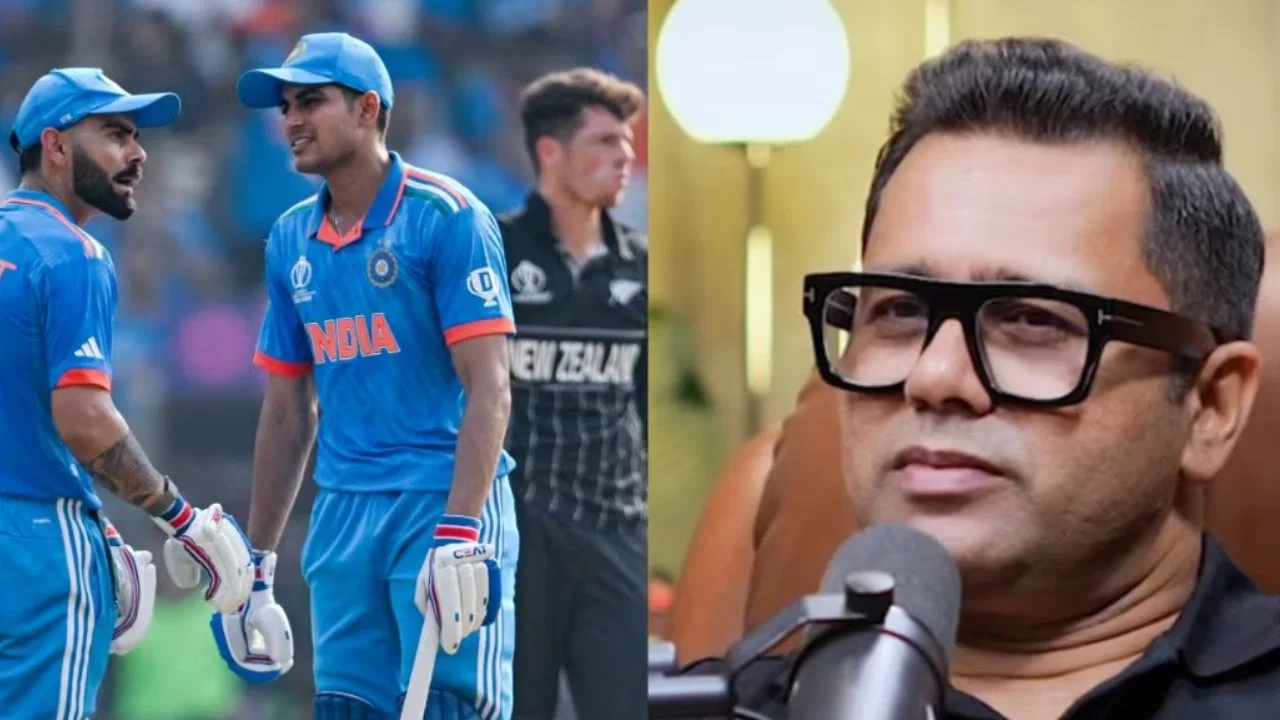
Thala for a reason? Sri Lanka’s 7 T20I captains since 2021
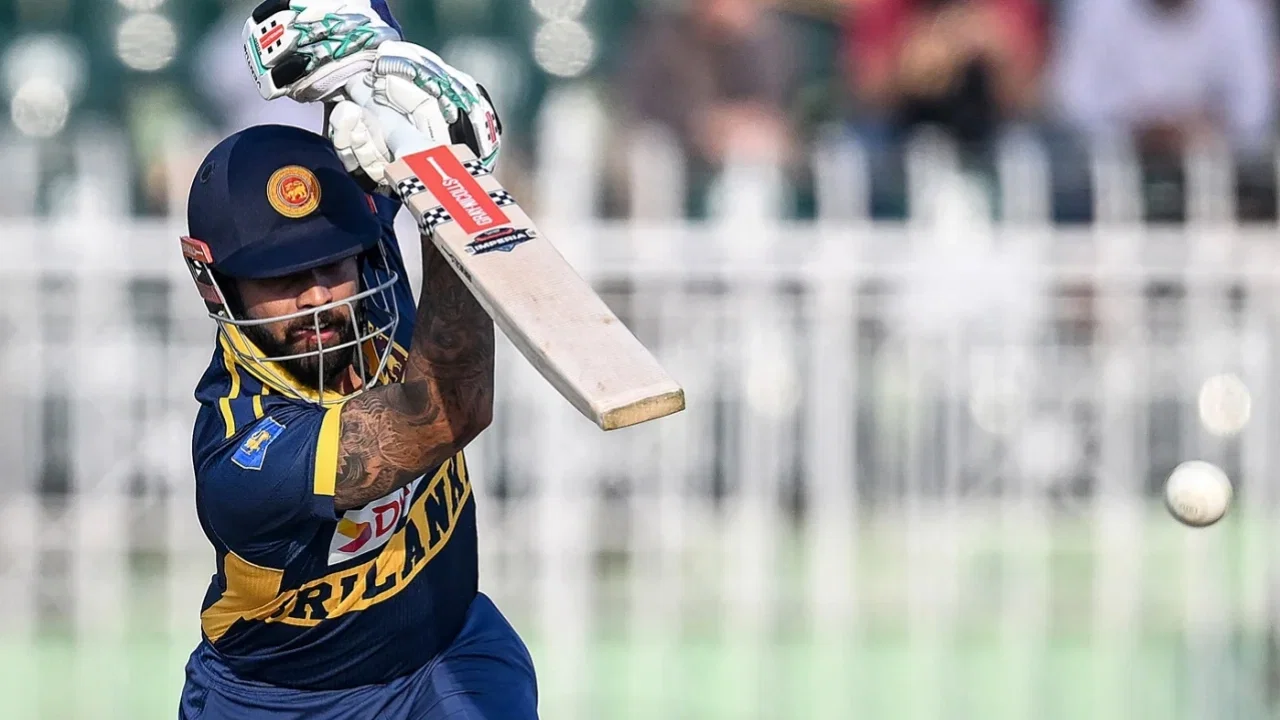
Prediction and Leadership Shifts: Sri Lanka’s T20I Series Against England Sparks Change and Uncertainty
The upcoming T20 International (T20I) series between Sri Lanka and England promises to be more than just a battle on the pitch; it also signals significant shifts in team leadership and strategic planning. As Sri Lanka prepares to face England in a tightly contested three-match series, the team’s leadership dynamics have taken a surprising turn, raising questions about the future trajectory of Sri Lanka’s T20I cricket.
Key Player Injuries Prompt Leadership Changes
One of the most notable developments ahead of this series is the absence of Kusal Mendis, who was initially slated to captain the Sri Lankan T20I team. Mendis, a vital figure in Sri Lanka’s batting lineup and leadership cadre, has been ruled out due to an ongoing recovery from a right hamstring injury sustained during the 2026 Lanka Premier League (LPL). Alongside him, pacer Binura Fernando, who is battling a back injury, also misses out on the tour. Both players had been included in Sri Lanka’s 16-member squad, with Mendis entrusted as captain for both the limited-overs formats—ODI and T20I—and Asalanka serving as vice-captain.
The timing of these injury updates is crucial. Their absence has prompted a reshuffle, with Charith Asalanka stepping into the leadership role for the T20I series. Pavan Rathnayake has been called up to replace Mendis in the T20I squad, while left-arm fast bowler Dilshan Madushanka has been drafted to fill Fernando’s spot. Notably, Mendis remains part of the ODI squad, and his availability for the one-day internationals will be determined based on his ongoing rehabilitation progress.
Leadership Turmoil Reflects Broader Instability in Sri Lankan T20I Cricket
Beyond the immediate squad adjustments, this series underscores a broader pattern of leadership instability within Sri Lankan T20I cricket. Since 2021, the team has seen an unprecedented seven different players assume the captaincy role, highlighting a lack of consistent leadership. The most notable among them has been Dasun Shanaka, who served as the primary captain for over two years and led Sri Lanka during the 2026 T20 World Cup.
Other figures who have captained the side include Angelo Mathews, Kusal Perera, Sahan Arachchige, Wanindu Hasaranga, Charith Asalanka, and now Mendis. This frequent rotation suggests ongoing challenges in establishing a stable leadership core, which may impact team cohesion and strategic planning in high-stakes tournaments.
Charith Asalanka’s Return to the Captaincy Spotlight
The recent appointment of Asalanka as captain adds an intriguing layer to Sri Lanka’s leadership narrative. Previously, Asalanka had led the T20I side before being replaced by Shanaka ahead of the 2026 T20 World Cup. His return signifies a potential shift in team strategy, with Asalanka now positioned as the first-choice captain in the absence of Mendis. This move also reflects the team management’s confidence in his leadership qualities and experience, especially given his familiarity with the squad and previous leadership roles in the T20 format.
Interestingly, Asalanka’s promotion also positions him as the primary alternative whenever Mendis is unavailable, given his initial designation as vice-captain for this tour. This scenario indicates that Sri Lanka might be leaning towards a more flexible leadership model, rotating captains based on player availability and form.
Historical Context: Frequent Changes Signal Broader Challenges
The frequent captaincy changes over the past few years paint a picture of a team in flux. Since 2021, Sri Lanka has experimented with multiple leaders, reflecting internal struggles to establish a consistent leadership philosophy. Shanaka’s era provided some semblance of stability, but subsequent leadership changes—particularly after the 2023 ODI World Cup—have demonstrated ongoing uncertainty.
Wanindu Hasaranga stepped into the captaincy after the ODI World Cup, steering the team through a transitional phase before stepping down in 2024. Asalanka’s brief stint as captain was followed by Shanaka’s return in anticipation of the 2026 T20 World Cup. These frequent shifts suggest that Sri Lanka’s cricket authorities are still searching for the right leadership formula to maximize their potential in international T20 cricket.
Prediction: What to Expect from Sri Lanka’s Leadership in the Series
Given the current circumstances, the prediction for Sri Lanka’s leadership in this series points toward a period of adjustment and experimentation. Charith Asalanka’s leadership debut is expected to be scrutinized heavily, especially as the team navigates the challenges posed by injuries and squad reshuffles. His ability to motivate the team, make tactical decisions, and maintain composure under pressure will be critical factors that could influence the outcome of the series.
Moreover, the leadership uncertainty could impact team performance, especially in high-pressure scenarios. However, it also provides an opportunity for emerging leaders like Asalanka to showcase their capabilities and potentially lay the groundwork for a more stable leadership structure moving forward.
Implications for Sri Lanka’s Future in T20I Cricket
Looking ahead, these leadership changes and injury setbacks serve as a reminder of the need for a more cohesive strategic approach in Sri Lankan cricket. Building a stable leadership core is essential for nurturing young talent, establishing consistent team strategies, and competing effectively on the global stage.
Cricket analysts predict that Sri Lanka’s focus in the coming months will likely center on developing versatile leaders who can adapt to different match situations and lead with confidence. The success of Asalanka in this series could influence future captaincy decisions, potentially paving the way for a more stable and unified leadership approach in T20I cricket.
Conclusion: A Series of Opportunities Amid Uncertainty
The Sri Lanka versus England T20I series is more than a contest of cricketing skills; it is a reflection of a team in transition. Injuries, frequent leadership changes, and strategic experimentation characterize this phase, offering both challenges and opportunities. As Sri Lanka navigates these complexities, the prediction remains that this series could serve as a pivotal moment—either as a catalyst for stability or as a stepping stone toward further restructuring.
Fans and cricket enthusiasts worldwide will be watching closely, eager to see how Sri Lanka’s leadership evolves and how young players like Asalanka step into the spotlight. Ultimately, the outcome of this series will not only influence rankings but also shape the future direction of Sri Lankan T20I cricket—an exciting prospect for supporters and analysts alike.
Latest News
Mohammed Shami set to join elite Indian list with 100th First-Class appearance
Lhuan-dre Pretorius sets new record, becomes youngest centurion in T20Is
Kris Srikkanth raises fitness concerns over Washington Sundar and Nitish Kumar Reddy
Deepti Sharma reveals India’s mindset ahead of high-voltage Pakistan clash
“Should have been sacked”: Ex-Pakistan captain questions why Babar Azam was spared after Lord’s Test
England ODI, T20I squads for Sri Lanka series named, Aneurin Donald called-up; Phil Salt, Jacob Bethell OUT
England leave Brydon Carse out again amid Derby nightclub investigation
Thala for a reason? Sri Lanka’s 7 T20I captains since 2021
WATCH: Jonny Bairstow hurts own teammate in private area during County Championship
DNG vs ADF Dream11 Prediction Today Match, Dream11 Team Today, Fantasy Cricket Tips, Playing XI, Pitch Report, Injury Update- European T20 Cup 2026, Match 15
BCCI and CAB take strict action as 65 cricketers face bans over age discrepancies
Ahmed Shehzad and Mohammad Yousuf offer contrasting views on Pakistan’s cricket crisis
INDW vs PAKW, Playing 11 Today, Live Streaming, Pitch Report & Weather: India Women vs Pakistan Women, Women’s Asia Cup 2026
Shubman Gill reacts after viral reel calls him Akaay Kohli’s ‘uncle’, comment goes viral