The Hundred gets major rule changes ahead of 2027 season

ECB Announces Major Changes to The Hundred from 2027: Prediction and Impact on Future Seasons
The England and Wales Cricket Board (ECB) has revealed significant modifications to its innovative franchise league, The Hundred, set to take effect from the 2027 season. These changes are aimed at enhancing team stability, ensuring better overseas player availability, and maintaining the tournament’s competitive edge. As cricket enthusiasts and industry insiders prepare for these developments, experts are making predictions about how these adjustments could shape the future landscape of English domestic cricket.
Expanding Overseas Player Flexibility: A Strategic Move
One of the most notable updates is the decision to allow each team to retain as many as five overseas players in their squad starting from 2027. This marks a considerable increase from previous seasons, where teams were permitted only three, then four overseas players. The move comes after several franchises faced challenges related to overseas player availability during the 2026 campaign, which highlighted the need for greater flexibility in squad composition.
Despite the increase in squad slots for overseas players, the rules governing the playing XI remain unchanged, with a cap of four overseas players per match. This distinction ensures that teams can field a diverse mix of domestic and international talent while maintaining strategic balance during each game. The prediction is that this new regulation will significantly reduce the reliance on short-term emergency signings, thereby fostering more consistent and stable team lineups across the season.
For example, during the 2026 season, teams like MI London recruited players such as Josh Philippe on short-term contracts when their primary overseas stars were unavailable due to international commitments. The new rule aims to mitigate such situations by providing teams with a broader pool of overseas options, ensuring that squad strength is less dependent on last-minute signings.
Enhanced Squad Stability and Long-term Planning
The move to allow more overseas players is part of a broader strategy to stabilize team rosters and improve the overall quality of cricket in The Hundred. Since the league transitioned to a private investment model, squad instability has been a concern. Pre-season squad changes and short-term signings often disrupted team chemistry and made it challenging for franchises to build cohesive units.
To address this, the ECB introduced a structured approach similar to the Indian Premier League (IPL). Under the 1+1+1 contract system, teams can retain up to 16 players from their 2026 squads for the subsequent two seasons on the same salary. This system encourages long-term planning and player retention, fostering continuity and team chemistry. Additionally, players acquired during the auction can be retained, provided they have participated in at least two matches, adding a layer of stability to squad management.
Analysts predict that these measures will lead to more consistent team performances, improved player development, and a more engaging viewing experience. The stability in squads is also expected to benefit young and emerging players who can now develop within a more secure environment.
Salary Caps and the 2027 Season Schedule: What to Expect
The financial framework of The Hundred remains largely consistent, with slight adjustments anticipated in the salary caps. For the men’s teams, the cap is projected to stay around £2.05 million, while the women’s teams are expected to have a cap near £880,000. These figures are designed to strike a balance between attracting top talent and maintaining competitive fairness across franchises.
The 2027 tournament is scheduled to run from August 3 to August 29, aligning closely with the conclusion of the fifth Ashes Test at The Oval, which is expected to finish on August 2. This strategic scheduling is a prediction that the close timing with the Ashes will capitalize on the cricketing fervor surrounding the historic series, drawing larger crowds and boosting ticket sales. The ECB is banking on this synergy to enhance the tournament’s commercial success and international visibility.
Overseas Player Availability: A Complex Puzzle
While the structural changes are promising, the availability of overseas players remains an uncertain factor. The next iteration of the Future Tours Programme (FTP) — which schedules international cricket fixtures — is yet to be finalized, making it difficult to predict the participation of key overseas stars in The Hundred 2027.
There is a prediction that scheduling conflicts may arise, especially considering potential clashes with international series such as the upcoming ODI series between Australia and New Zealand. Such overlaps could impact the availability of marquee overseas players, which, in turn, might influence team strategies and tournament dynamics.
Impact of Investment and Future Outlook
The recent influx of private investment into The Hundred has been widely seen as a catalyst for its growth. The 2026 season marked a noticeable improvement in the quality of cricket, with many experts praising the competitive standards and innovative approach of the league. Additionally, the financial boost has helped counties and franchises reduce their debts, creating a more sustainable model for domestic cricket development.
Looking ahead, the prediction is that these strategic enhancements will continue to elevate The Hundred’s status as a premier T20 league, attracting international stars and fostering local talent. The combination of increased overseas flexibility, squad stability, and strategic scheduling aims to position the tournament as a key fixture in the global cricket calendar.
Final Prediction: A Bright Future for The Hundred
In conclusion, the ECB’s decision to allow five overseas players per squad from 2027 is poised to have a transformative impact on The Hundred. This prediction aligns with the league’s goal of creating a balanced, competitive, and engaging cricketing product that appeals to fans both domestically and internationally.
With improved squad stability, strategic scheduling around major international series, and a focus on financial sustainability, The Hundred is set to strengthen its position in the cricketing world. While challenges related to overseas player availability remain, the overall outlook suggests a promising future, with the tournament predicted to grow in popularity, quality, and commercial success in the coming years.
As cricket fans eagerly await the 2027 season, all eyes will be on how these changes influence team compositions, player performances, and the tournament’s overall dynamics — making this an exciting prediction for the next chapter of English domestic cricket.
Latest News
Top 10 highest run-chases in T20 cricket history, ft. West Indies’ Ranchi win vs India

Aaryavir Sehwag and Anvay Dravid set to make headlines at U19 Asia Cup 2026
Longest ducks in Test cricket history ft. Nic Maddinson, Shoaib Akhtar

ECB to offer 39 central contracts to England players after Ben Stokes, Mark Wood’s retirement
Steve Smith surpasses Steve Waugh in all-time Test run-scorers’ list

Shane Watson identifies Gautam Gambhir’s biggest problem as India struggle for consistency

Is Bhuvneshwar Kumar in India’s 2027 World Cup plans? Ajinkya Rahane makes revelation

BCCI’s big ₹127 Crore move after injury crisis raises concerns over Team India

Parthiv Patel reveals RCB ignored his Jasprit Bumrah recommendation in IPL 2014 Auction

“Never spoke ill of any faith”: Irfan Pathan hits back at fake news using his name
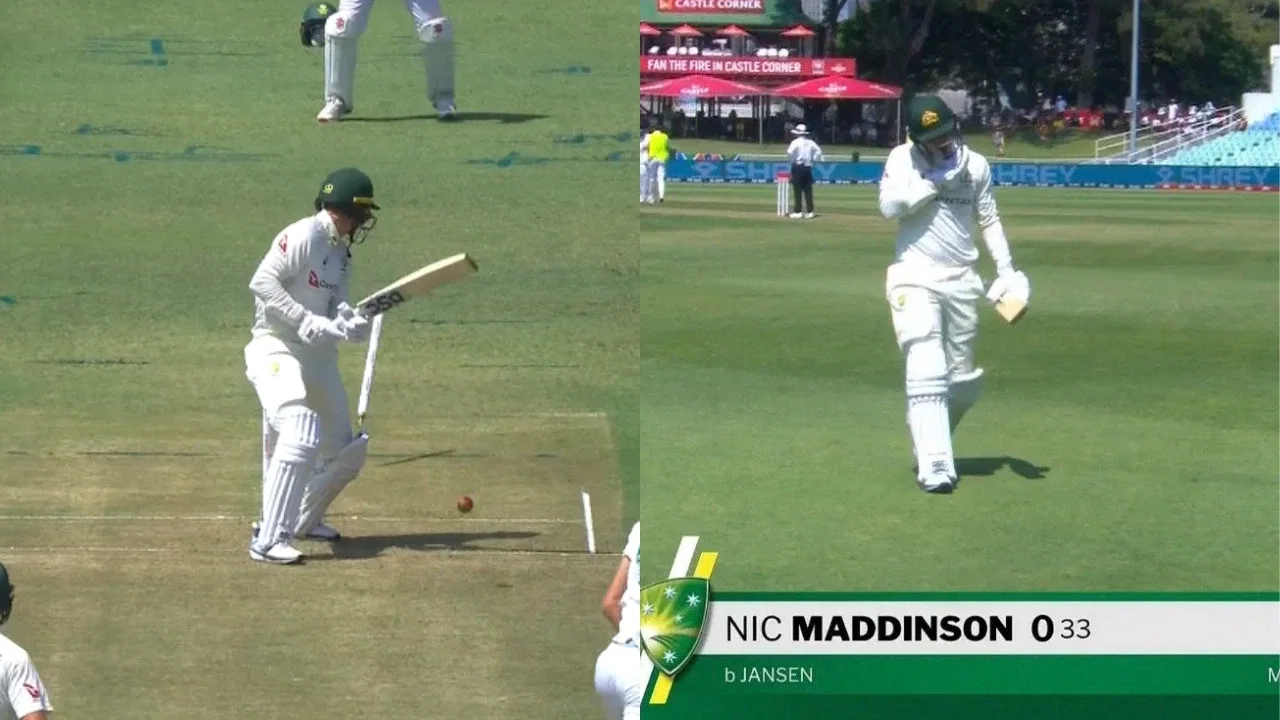
Nic Maddinson bags 33-ball duck on Test comeback, disappoints George Bailey

Imran Tahir predicts 2027 ICC ODI World Cup Semi-Finalists, snubs India for title
Australia create unwanted history with first all-30-plus Test XI
Ravindra Jadeja returns to Ranji Trophy as Saurashtra announce squad